
Table of Contents
By ERYLIN — where every room tells a story worth living in.
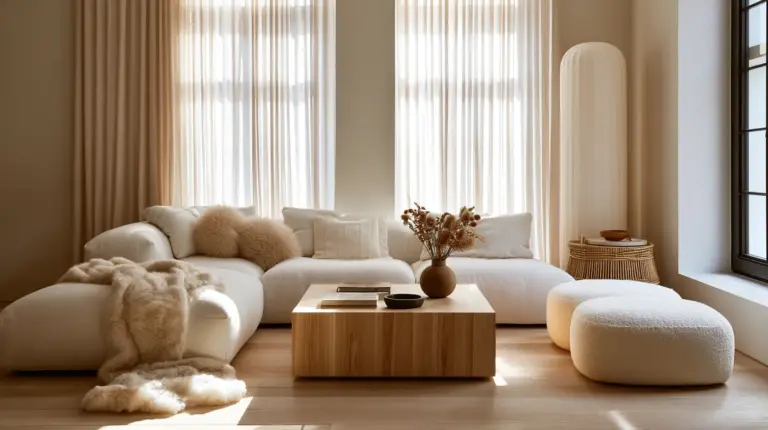
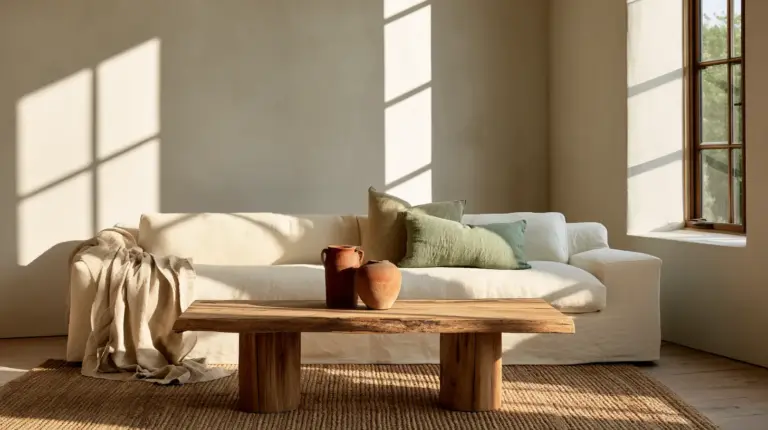
There is a particular kind of stillness that comes over a well-arranged living room. The light falls softly through linen curtains. A trailing pothos catches the glow from the corner. Your sofa anchors the space just right, and somehow, the whole room breathes.
That feeling is not accidental. It is designed — quietly, intentionally, and with a deep respect for how humans and nature share a space.
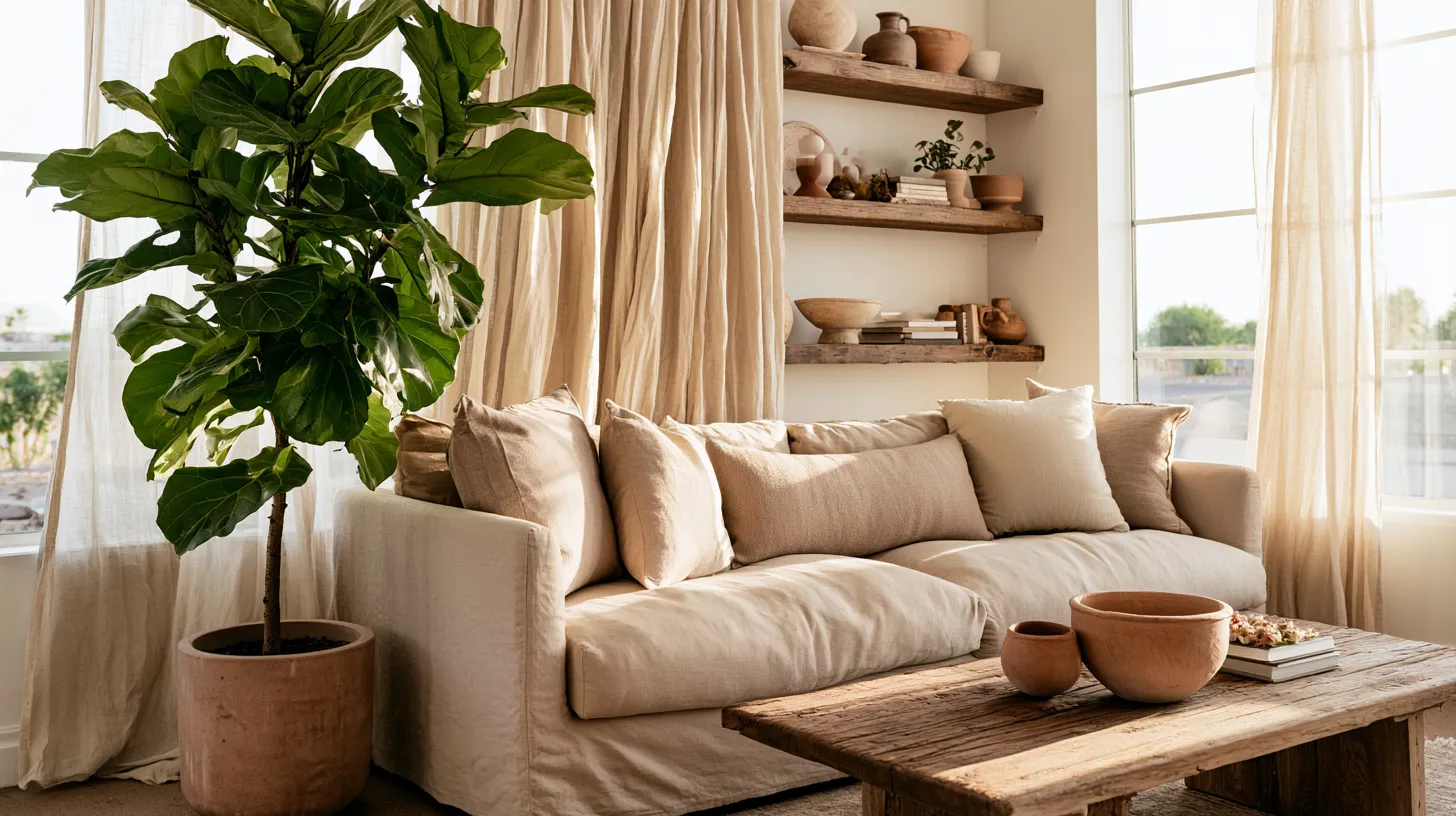
At ERYLIN, we believe that furniture arrangement and plant placement are not two separate conversations. They are one continuous act of care. When you arrange your sofa in relationship to your fiddle-leaf fig, or place a trailing plant on a shelf that echoes the curve of your armchair, the room becomes something more than the sum of its pieces.
This guide walks you through the full workflow — from establishing your focal point, to placing furniture in zones, to layering plants for scale, privacy, and flow. Whether you live in a compact apartment in Quezon City or a sun-drenched open-plan home, these principles will ground your space in warmth and intention.
Start With the Focal Point: The Room’s Quiet Anchor
Every well-designed living room begins with one question: What do you want people to look at first?
Your focal point might be a large window, a fireplace, a gallery wall, or a statement sofa in a deep terracotta or warm ivory. Once you identify it, every piece of furniture — and every plant — should support it, not compete with it.
How to Establish Your Focal Point
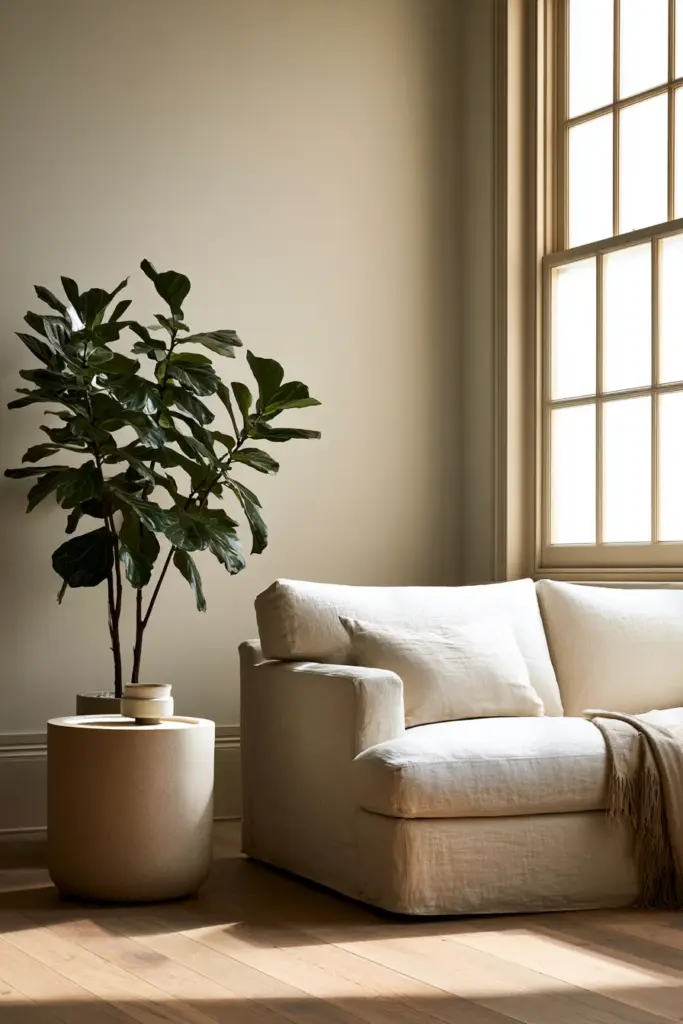
Arrange your largest furniture piece (usually the sofa) to face or flank the focal point directly. Place your largest plant — perhaps a fiddle-leaf fig or a bird of paradise — nearby, but slightly offset, so it frames the moment without blocking it.
Think of the focal point as the subject of a photograph. The plants and furniture are the composition around it.
Furniture Zones: Creating Flow Before You Add a Single Leaf
Before you introduce any plant into your space, your furniture layout needs to honor one practical rule: traffic flow.
A living room without clear pathways feels cluttered no matter how beautiful the individual pieces are. Aim for at least 90 cm of walkway between furniture pieces to allow easy movement. In smaller rooms, 60–75 cm is the minimum comfortable clearance.
The Three Core Furniture Zones
Zone 1 — The Conversation Area: Sofas, armchairs, and a central coffee table arranged to face one another. This is the heart of the room.
Zone 2 — The Transition Zone: The space between your seating and the room’s edges — walls, doorways, windows. This is where plants thrive.
Zone 3 — The Background Layer: Shelving, consoles, and sideboards that line the walls. This is where trailing plants, small terracotta pots, and sculptural arrangements live quietly.
Once your zones are clear, plant placement becomes intuitive.
Living Room Plant Placement by Furniture Zone
Plants do not just decorate — they define. A tall plant in the right corner makes a low-ceilinged room feel taller. A trailing plant on a shelf softens a rigid furniture line. The key is matching the scale, light need, and placement of each plant to its zone.
Zone 1 — Beside and Behind the Sofa
The area beside or just behind the sofa is one of the most underused styling spots in a living room.
Place a floor plant (60–120 cm tall) at one end of the sofa — not centered, but offset to the left or right. The plant’s height should reach no higher than the back of the sofa plus 30–40 cm for visual balance. Good choices here include:
- Monstera deliciosa — bold, sculptural, thrives in indirect light
- Snake plant (Sansevieria) — upright, dramatic, tolerates low light
- Rubber plant — rich dark leaves that ground a neutral sofa beautifully
Avoid placing large plants directly behind where people sit — it can feel crowded and makes watering awkward.
Zone 2 — Corners and Transition Spaces
Corners are a plant’s natural home. They offer vertical height without interrupting traffic flow, and they fill a visual void that furniture rarely reaches.
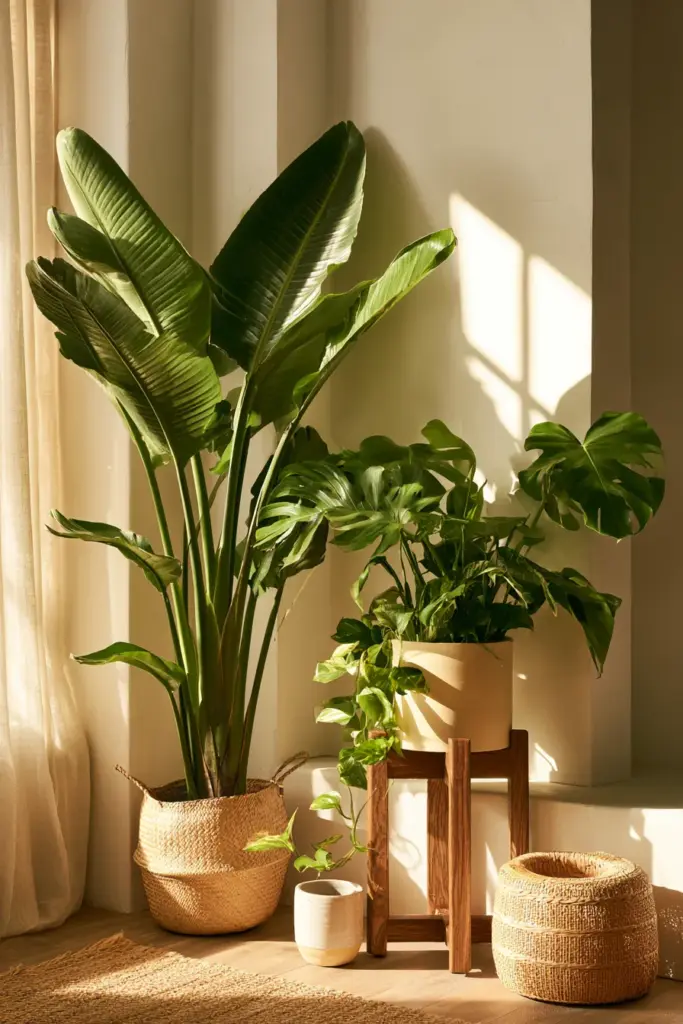
In a corner, layer by height: a tall floor plant at the back (a bird of paradise or bamboo palm), a medium plant on a stand in front, and a trailing plant on a low surface or the floor in front of that. This three-layer stack creates depth and draws the eye upward — making the room feel larger.
For tropical climates like Metro Manila, the high ambient humidity is actually a gift for moisture-loving corner plants. Calatheas, peace lilies, and arrowhead plants flourish in low-to-medium light corners without the fuss they might require in drier, cooler climates.
Zone 3 — Shelves, Consoles, and Sideboards
Shelving is where the art of plant styling gets personal. The rule here is odd numbers: style plants in groups of three or five, never two or four, which can feel static.
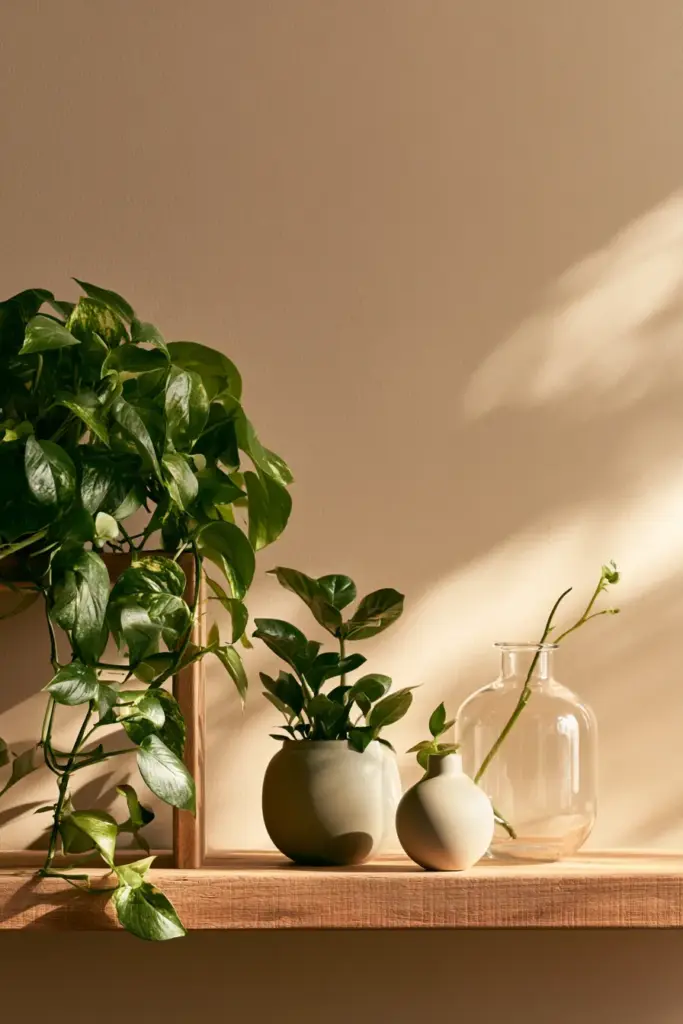
On a shelf, vary height and texture — a trailing pothos spilling over the edge, a small ZZ plant in a matte ceramic pot, and a propagation vase catching the light. Leave negative space between groupings so the arrangement can breathe.
Scale and Balance: The Measurable Rules
Vague advice like “place a plant near your sofa” misses the point. Scale is specific, and when you get it right, the room just clicks.
| Plant Height | Ideal Placement | Furniture Reference |
|---|---|---|
| Under 30 cm | Shelves, coffee tables, windowsills | Below eye level when seated |
| 30–60 cm | Side tables, consoles, plant stands | At arm height |
| 60–120 cm | Beside sofas, in transition zones | Sofa back height ± 30 cm |
| 120 cm+ | Corners, beside windows, room dividers | Floor to ceiling framing |
A sofa that sits at 85 cm tall pairs beautifully with a floor plant at 100–120 cm. A console table at 80 cm holds plants best at 20–50 cm so they do not visually compete with what is above them.
Grouping Plants: The Art of Odd Numbers and Layered Heights
A single plant in a large room can look lonely. A group of three, styled with intention, becomes a living installation.
When grouping plants, think in threes: tall, medium, low. Vary not just height but texture — pair a broad-leaved plant (like a rubber plant) with something feathery (like an asparagus fern) and something structural (like a cactus or snake plant). The contrast between textures makes the eye move, which makes the space feel dynamic and alive.
Place groupings at furniture transition points — the corner where your sofa meets the wall, the edge of a bookshelf, the entry into the room. These are the moments where a plant cluster punctuates the space naturally.
Choosing Plants by Light Zone
Light is the single most important factor in plant placement — more important than aesthetics, pot color, or personal preference. In a living room, your light zones divide the space into three bands.
Bright Light Zone (Within 1–2 m of a South or West Window)
These spots receive the most direct or near-direct light. Best plants here include fiddle-leaf fig, bird of paradise, succulents, cacti, and most flowering varieties. Be aware that afternoon sun through glass can burn leaves — use a sheer curtain as a diffuser.
Medium Light Zone (2–3 m From a Window)
This is the most common living room zone and the most forgiving. Monsteras, pothos, peace lilies, ZZ plants, and rubber plants all thrive here with regular indirect light.
Low Light Zone (3 m+ From Windows or in North-Facing Rooms)
Low light does not mean no plants — it means choosing the right ones. Sansevieria (snake plant), cast iron plant, Chinese evergreen (aglaonema), and dracaenas are among the most resilient low-light choices. In Quezon City apartments with small or north-facing windows, these are your most reliable allies.
Multi-Use Furniture and Plant Combos
One of the most elegant solutions for small living rooms is combining furniture and plants into a single functional element.
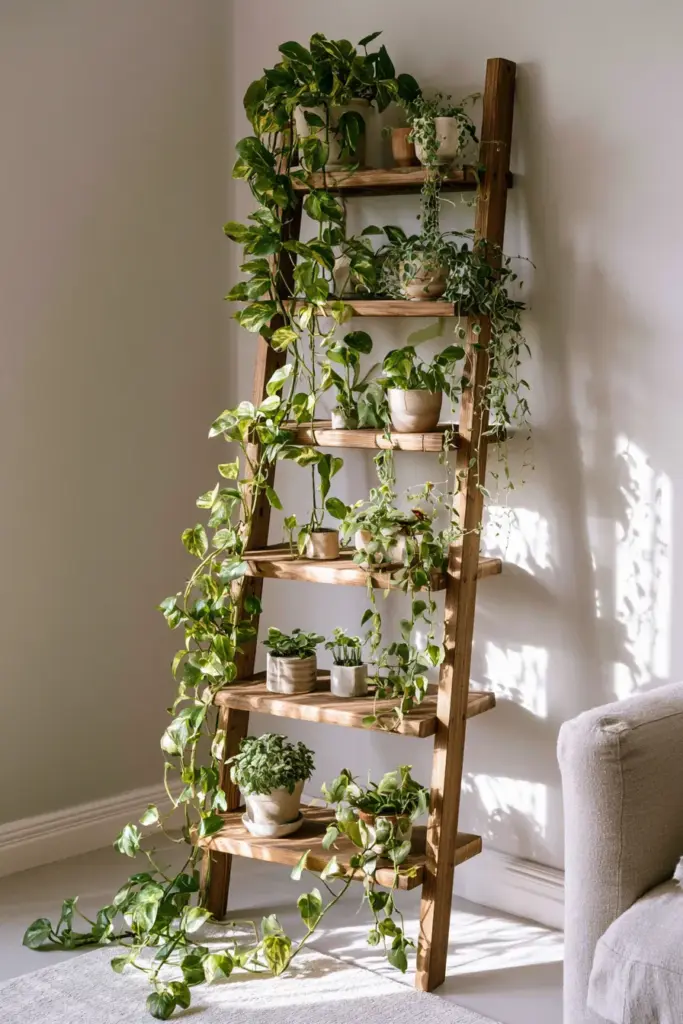
A planter bench along one wall doubles as seating and a display surface for medium-height plants. A vertical plant divider — a freestanding shelf unit with trailing plants weaving through it — creates a soft room separation without blocking light or requiring construction.
DIY Vertical Plant Divider (Budget-Friendly)
Materials needed:
- Open-back wooden ladder shelf (2-tier or 3-tier), approximately ₱1,500–₱3,000
- 4–6 small to medium trailing plants (pothos, string of pearls, ivy), approximately ₱150–₱400 each
- Macramé pot hangers or simple hooks, approximately ₱100–₱200 each
- A small tray for water drainage on each shelf
Method: Position the shelf perpendicular to a wall, creating a soft divider between your living and dining space. Hang trailing plants from the upper tiers and place structured plants (a small ZZ, a succulent cluster) on the lower tiers. The total cost sits comfortably between ₱3,000–₱6,000 and can be assembled in under an hour.
A Quick-Fix 10-Minute Plant Styling Checklist
Sometimes you just need a fast refresh before guests arrive or for a content shoot. This checklist works for any living room.
- Clear the clutter — remove anything that is not intentional from plant surfaces
- Wipe the leaves — clean, dust-free leaves photograph beautifully and the plant breathes better
- Check your groupings — are they in odd numbers? Is there height variation?
- Pull plants away from walls — even 10–15 cm of breathing space makes arrangements look more deliberate
- Add one textural accent — a woven basket as a pot cover, a small ceramic, a piece of driftwood
- Check the light — is each plant in its correct light zone?
- Turn plants toward the light — rotate them a quarter turn so growth stays even and full-frontal
Tropical Care Notes for the Philippine Climate
Most plant care guides are written for temperate climates with controlled indoor environments. If you are styling a living room in Quezon City or anywhere in Metro Manila, a few localized adjustments make a real difference.
Humidity: Most tropical indoor plants — calatheas, peace lilies, ferns — naturally thrive in Philippine humidity. You rarely need a humidifier. However, during dry season (December–March), leaves may curl or brown at the tips. Misting every 2–3 days helps.
Watering frequency: During the wet season (June–October), indoor plants need less frequent watering than you might expect. The ambient humidity slows soil dry-out. Check the soil an inch below the surface before watering — if it is still damp, wait.
Pest management: High humidity can invite fungus gnats and mealy bugs. Ensure pots have drainage holes and avoid water pooling in saucers. A monthly neem oil spray on leaves keeps most pests at bay.
Seasonal rotations: Rotate sun-loving plants toward windows during the drier, brighter months and shift them slightly further from glass during the wet season when overcast skies reduce light intensity.
Troubleshooting: When Plant Placement Goes Wrong
Even the most beautiful arrangement can go wrong if a plant is fighting its location. Here is how to read the signs.
| Symptom | Likely Cause | Fix |
|---|---|---|
| Leggy, stretched growth | Too far from light source | Move closer to window |
| Brown, crispy leaf edges | Too much direct sun or dry air | Move back, add sheer curtain |
| Yellowing lower leaves | Overwatering or poor drainage | Check soil, improve drainage |
| Pest concentration | Poor airflow or stagnant corner | Move to a spot with better circulation |
| Dropped leaves (fiddle-leaf fig) | Cold drafts or moved too frequently | Find a stable, warm spot and leave it |
The most common placement mistake is positioning a high-light plant in a beautiful corner that happens to be three metres from the nearest window. The plant declines, the owner blames themselves, and the corner stays empty. Trust the light zones, and the plants will reward you.
Summary: Key Takeaways for a Beautifully Arranged Living Room
- Identify your focal point first — then arrange furniture and plants in support of it
- Honor traffic flow — maintain 60–90 cm clearance between furniture pieces before adding any plants
- Match plant height to furniture scale — floor plants beside sofas should be sofa-back height plus 30–40 cm maximum
- Group in odd numbers — threes and fives create natural, dynamic arrangements
- Layer by height in corners — tall, medium, and low plants together create depth
- Place plants in their correct light zone — never sacrifice light requirements for aesthetics
- Use multi-use combos for small spaces — planter benches, vertical dividers, and shelf arrangements maximize both style and function
- Style shelves with negative space — breathing room between groups is part of the design
- Rotate and maintain regularly — a healthy plant is always more beautiful than a struggling one
Conclusion
The living room you are dreaming of — that warm, layered, quietly alive space — is closer than you think. It begins not with a shopping list, but with attention. Attention to light. To scale. To the way a leaf catches the afternoon sun, or the way a tall plant in the corner makes a small room feel like it exhales.
When furniture and plants are arranged in true relationship with one another, something shifts. The room stops being a collection of objects and becomes a place. A place that holds morning coffee and evening conversation, that breathes and grows alongside you.
That is what ERYLIN is here to help you build — one thoughtful arrangement at a time.
Frequently Asked Questions
How do you arrange plants in a living room?
Start by identifying your furniture zones — the conversation area, the transition edges, and the background layer of shelves and consoles. Then place plants to support each zone: tall floor plants beside sofas and in corners, medium plants on stands in transition zones, and small or trailing plants on shelves. Always group in odd numbers and vary height for the most natural, intentional look.
Where should I place plants in the living room?
The best plant placement follows light and scale. Place high-light plants within one to two metres of a sunny window. Use medium-light plants — like monsteras and pothos — in the middle of the room. Reserve low-light varieties like snake plants and ZZ plants for darker corners or spots furthest from windows. Always check that a plant’s placement does not interrupt traffic flow.
How many plants should be in a living room?
There is no fixed number, but a useful starting point is one large floor plant, two to three medium plants, and three to five small or trailing plants for an average-sized living room. The key metric is not quantity but balance — enough green to feel alive, enough negative space to feel calm.
Which indoor plants work best in a low-light living room?
The most reliable low-light performers are snake plant (Sansevieria), ZZ plant, Chinese evergreen (aglaonema), cast iron plant, and peace lily. For Philippine homes with limited natural light, aglaonemas are particularly forgiving — they thrive in humidity, tolerate neglect, and come in beautiful varieties that complement both modern and rustic interiors.
How do you make living room plants look stylish without clutter?
The secret is restraint and intentionality. Style plants in odd-numbered groups with height variation. Leave deliberate negative space between groupings. Use cohesive pot materials — matte ceramics, rattan baskets, terracotta — rather than a mix of styles. Wipe leaves regularly so plants look their best. And resist the urge to fill every surface — three well-placed plants always look more elevated than ten crowded ones.