
Table of Contents
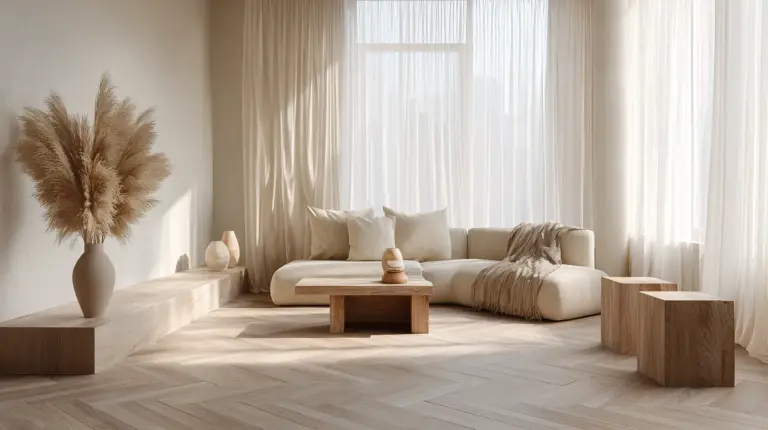
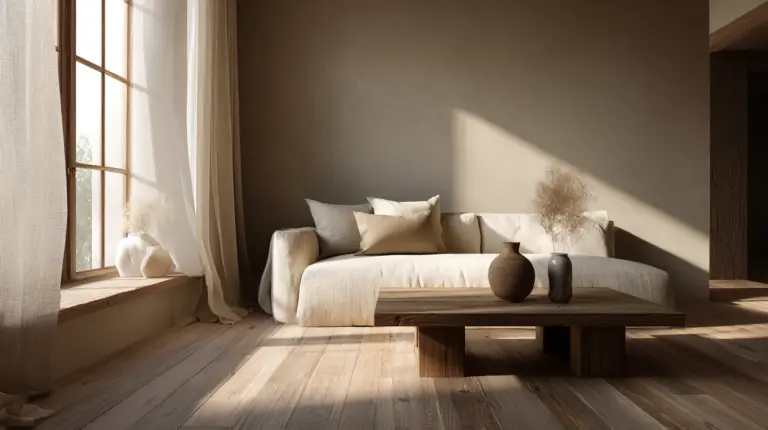
There is something quietly revolutionary about a Japandi living room. It breathes. It rests. It welcomes you in bare feet, in slippers, in silence. The floors are the foundation of that feeling — warm wood grain underfoot, light pooling across pale surfaces, the subtle scent of natural fiber in the air.
But a beautiful floor is only truly beautiful when everyone can move across it freely. Accessibility in Japandi design isn’t a compromise — it’s a refinement. It’s the art of removing friction, softening thresholds, and letting the space serve every body that inhabits it.
Whether you’re designing for a senior parent, a family member with mobility aids, young children learning to walk, or simply your own future self — this guide shows you how to create a Japandi living room floor that is as graceful as it is functional.
Let’s walk through it together.
What Makes Japandi Flooring So Special?
Japandi is the meeting of Japanese wabi-sabi and Scandinavian hygge. It honors imperfection, warmth, and purposeful simplicity. The flooring in a Japandi space does a great deal of quiet work — grounding the palette, softening acoustics, and anchoring furniture in a way that feels both rooted and airy.
The materials lean toward the natural: light oak, bamboo, cork, seagrass, and concrete-look tiles. Tones stay soft — warm whites, driftwood beiges, ash greys. Nothing competes; everything harmonizes.
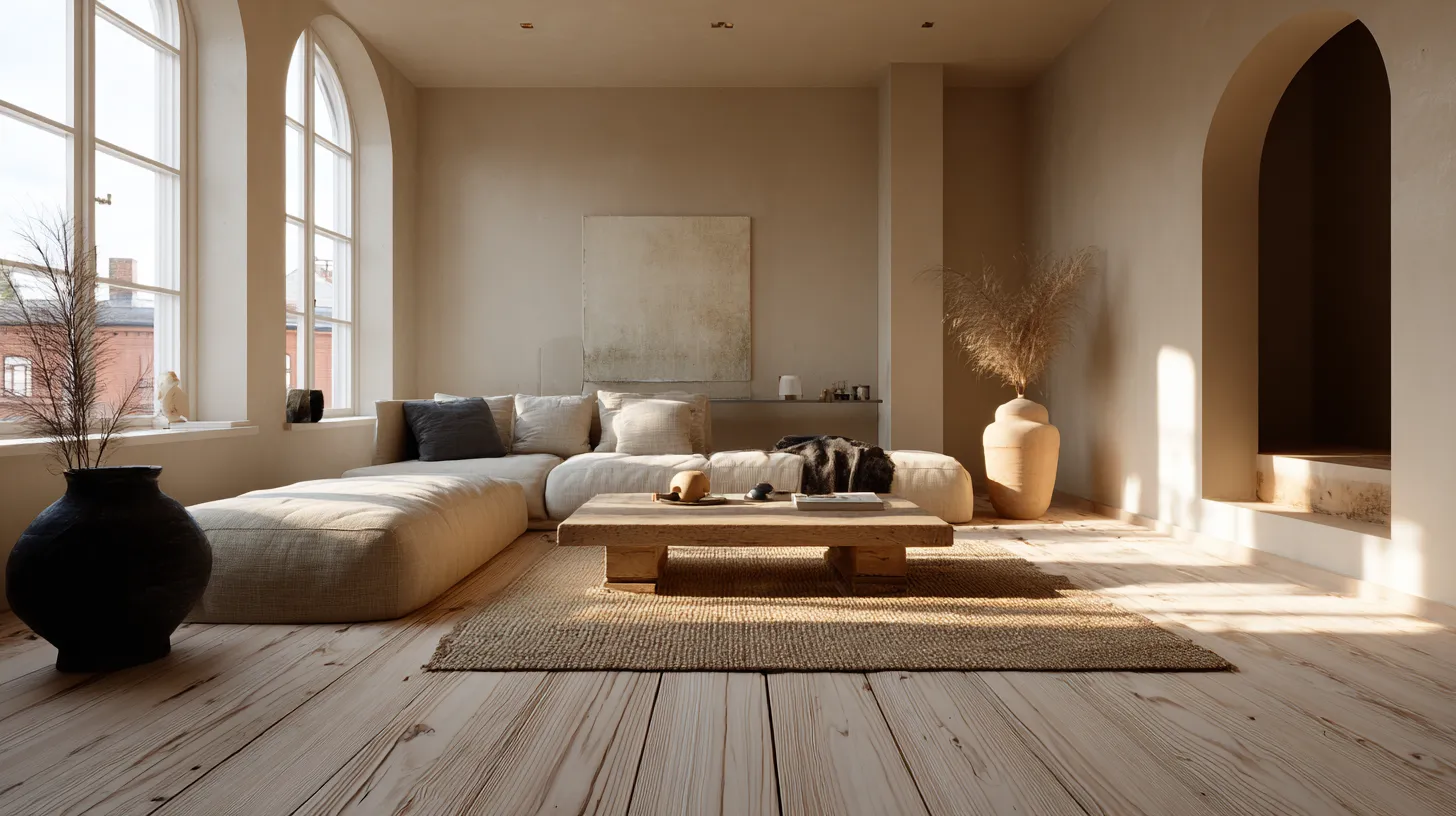
What sets Japandi flooring apart from other minimalist styles is its layering. A wide-plank oak base might be softened with a low-pile jute rug. A concrete-finish tile gets warmed by a wool-sisal blend runner. Texture speaks where color stays quiet.
Understanding Japandi Living Room Flooring Accessibility
Accessibility in flooring is often misunderstood as purely clinical — grab bars and rubberized mats. But true accessible design is invisible. It works with the aesthetic, not against it.
For Japandi spaces specifically, accessible flooring means: smooth, level transitions between surfaces; slip-resistant finishes that still look refined; clear pathways wide enough for wheelchairs or walkers; and materials that cushion falls without sacrificing beauty.
Why Accessibility Matters in the Living Room
The living room is the heart of the home. It’s where we gather, rest, and move most freely. For elderly family members, children, or anyone with limited mobility, a living room floor that catches feet or creates sudden changes in height is a daily source of anxiety.
Getting this right changes how a home feels — not just how it functions.
Best Flooring Materials for an Accessible Japandi Living Room
Choosing the right material is the single most important decision you’ll make. Here’s how the top Japandi-friendly options stack up for both beauty and accessibility.
Light Oak and Engineered Wood
Light oak is the quintessential Japandi floor. Its pale grain carries warmth without weight, and it pairs effortlessly with linen, rattan, and matte ceramic.
For accessibility, engineered oak with a matte sealant finish offers an R10 slip rating — safe for seniors and barefoot children alike. Matte finishes scatter light gently and hide micro-scratches over time. Wide planks (150mm+) reduce the number of seams, which means fewer edge-catching grooves for wheels or walking aids.
Installation tip for renters: Click-lock engineered oak floats over existing floors without adhesives, making it renter-friendly and reversible.
Bamboo Flooring
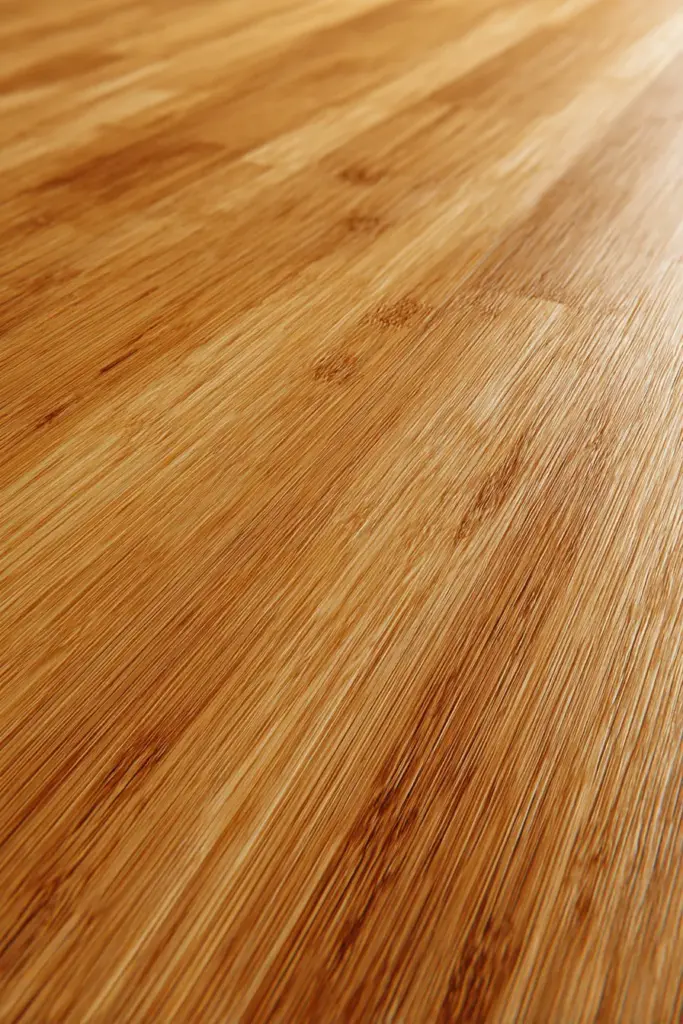
Bamboo is a Japandi staple — fast-growing, sustainably harvested, and visually serene. Strand-woven bamboo is particularly durable, harder than most hardwoods, and stands up beautifully to the humid tropical conditions common in Philippine homes.
For accessibility, look for bamboo sealed with water-resistant matte lacquer (available at approximately PHP 1,500/sqm for mid-range options). This protects against monsoon moisture while maintaining a slip-resistant surface. Avoid high-gloss bamboo — it looks beautiful in photos but becomes dangerously slippery when wet.
Cork Flooring
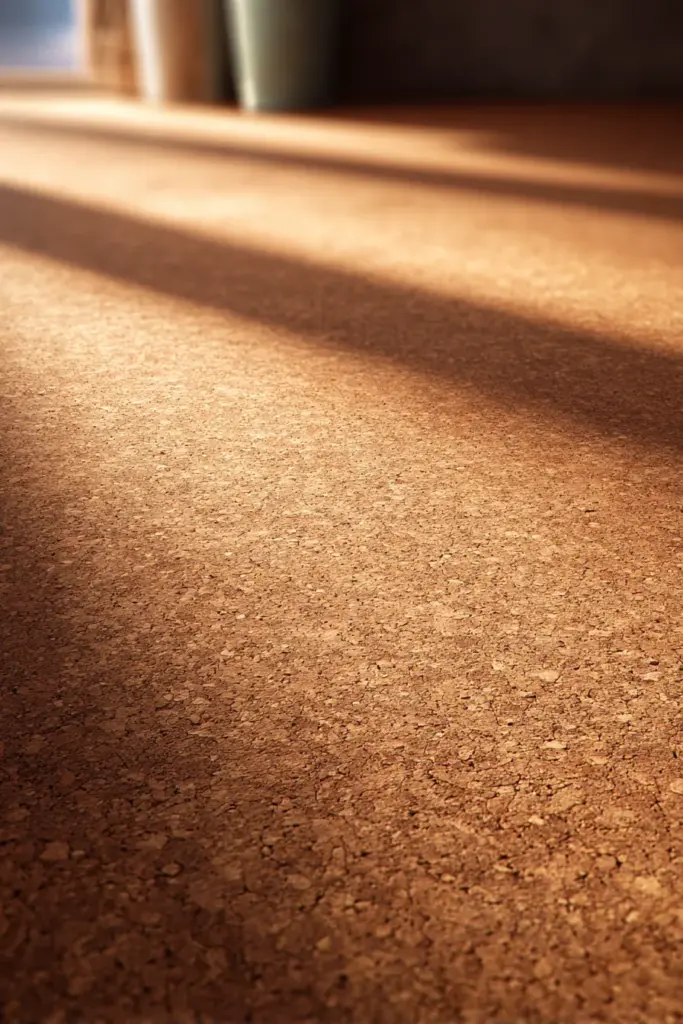
Soft underfoot, naturally antimicrobial, and acoustically quiet — cork is the gentlest Japandi floor option available. For households with elderly residents or toddlers, its cushioning effect reduces the impact of falls significantly.
Cork’s natural texture provides inherent slip resistance. Seal it with a water-based polyurethane to protect against spills while preserving its warm, earthy tone.
Concrete-Look Tiles
Large-format concrete-look porcelain tiles give Japandi spaces an elevated, gallery-like feel. They’re incredibly durable, easy to clean, and — when specified with a matte or textured finish — highly slip-resistant.
Specify tiles with an R10 or R11 anti-slip rating for living areas. Large format tiles (600x600mm or larger) also mean fewer grout lines, creating a smoother, more accessible surface for wheels and mobility aids.
Comparison Table: Accessible vs. Standard Japandi Flooring
| Material | Aesthetic Fit | Slip Resistance | Wheelchair-Friendly | Humidity Resistance | Approx. Cost (PHP/sqm) |
|---|---|---|---|---|---|
| Matte engineered oak | ★★★★★ | R10 (with sealant) | ✓ Wide planks | Moderate | 3,500–8,000 |
| Sealed bamboo (matte) | ★★★★★ | R10+ | ✓ Smooth surface | High | 1,500–4,000 |
| Cork (sealed) | ★★★★☆ | Natural texture | ✓ Cushioned | Moderate | 2,000–5,000 |
| Concrete-look tile (matte) | ★★★★☆ | R10–R11 | ✓ No seams | Very high | 1,800–6,000 |
| High-gloss hardwood | ★★★☆☆ | Low (avoid) | ✗ Slippery when wet | Low | 5,000–15,000 |
Layout Planning for Mobility and Flow
A Japandi room breathes through negative space. Fortunately, this aesthetic principle aligns perfectly with accessibility planning.
The 60-Inch Rule
For wheelchair users, a minimum 60-inch (152cm) turning radius is required in any room they navigate. In a Japandi living room, this often means pulling furniture away from walls, choosing low-profile sofas on legs rather than floor-hugging designs, and keeping the central floor space intentionally clear.
This restraint is already Japandi. The philosophy asks you to own less and arrange thoughtfully.
Eliminating Threshold Bumps
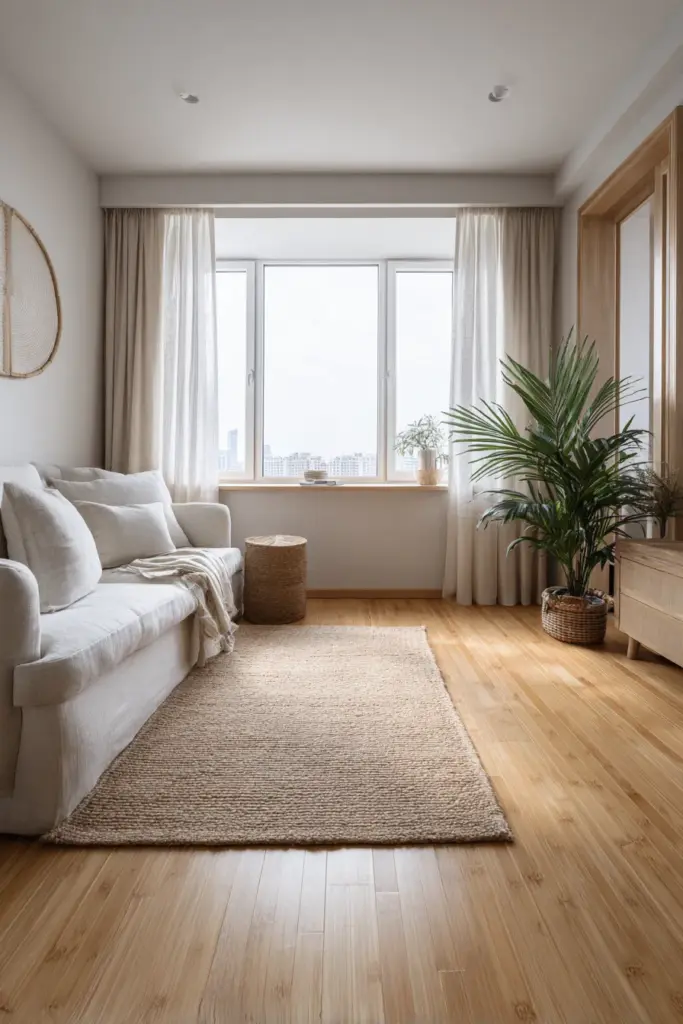
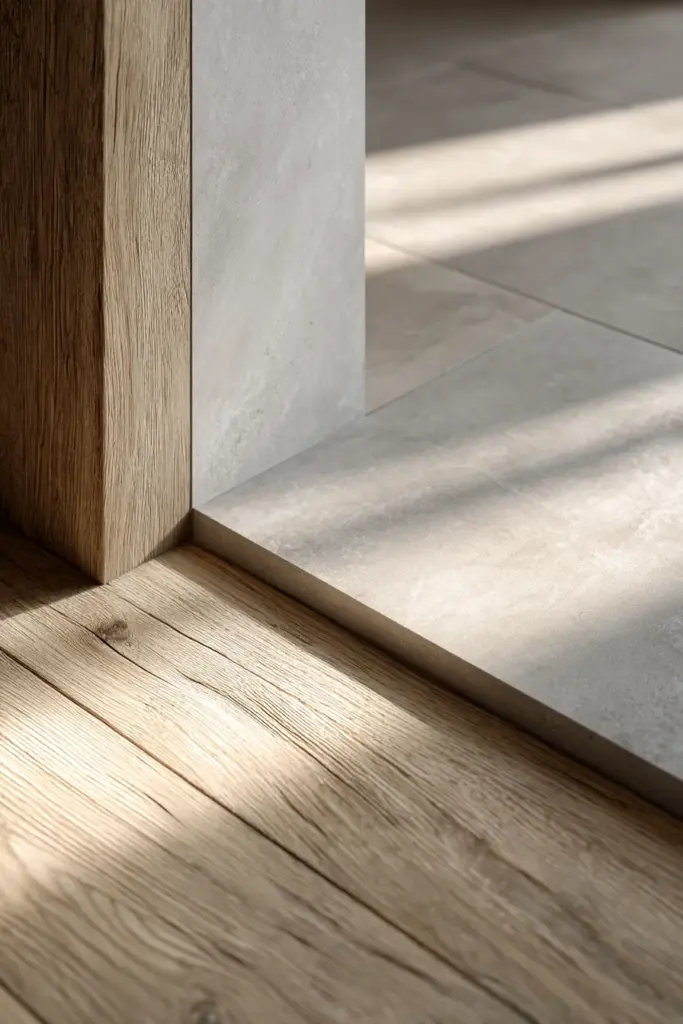
One of the most overlooked accessibility hazards is the transition strip between two flooring types — say, from tile to wood, or from room to hallway. Standard metal thresholds can be 6–10mm high: enough to catch a wheelchair wheel or trip a shuffling step.
ADA-compliant thresholds bevel at less than 6mm (ideally ≤5mm) and slope at no more than 1:2. In Japandi spaces, flush wood-capped transitions in matching oak or bamboo maintain visual continuity while eliminating the bump entirely.
Small-Space Ramp Solutions
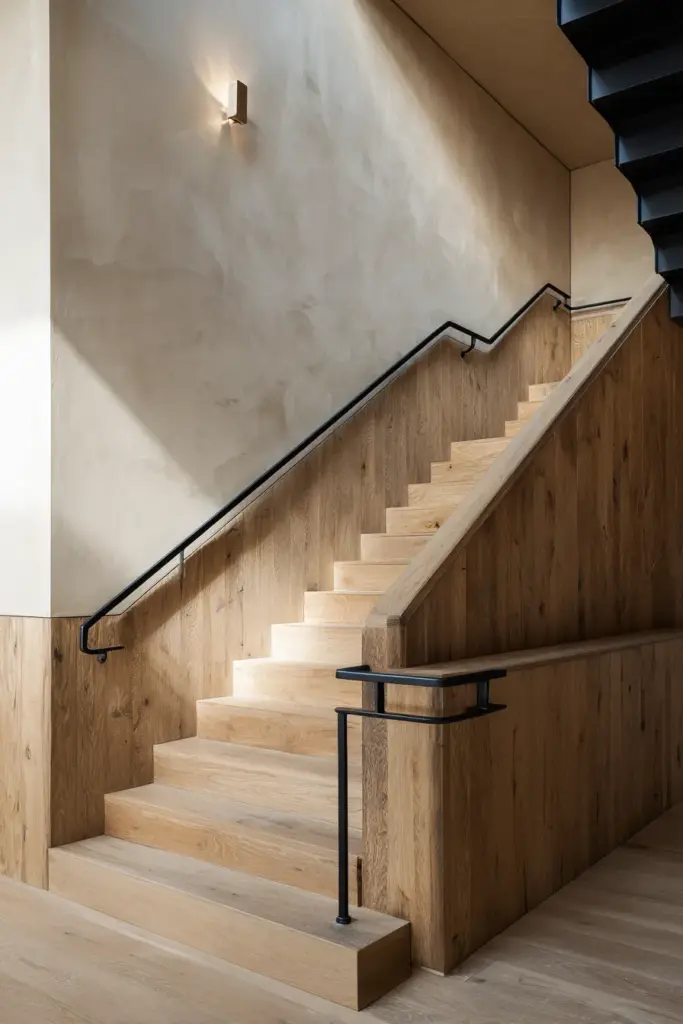
In Philippine homes with split-level living areas — a common architectural feature — a Japandi-clad ramp can replace a step without disrupting the aesthetic. Use the same flooring material as the surrounding floor, keep the slope at 1:12 or gentler, and add a recessed handrail in matte black steel for a design-forward touch.
A DIY version using reclaimed wood planks (PHP 5,000–15,000 depending on span) can look remarkably intentional when finished carefully.
Rugs in an Accessible Japandi Space
Rugs in Japandi design are carefully considered — they add warmth, define zones, and soften sound. But loose rugs are among the most common causes of trips and falls in the home.
Choosing the Right Pile Height
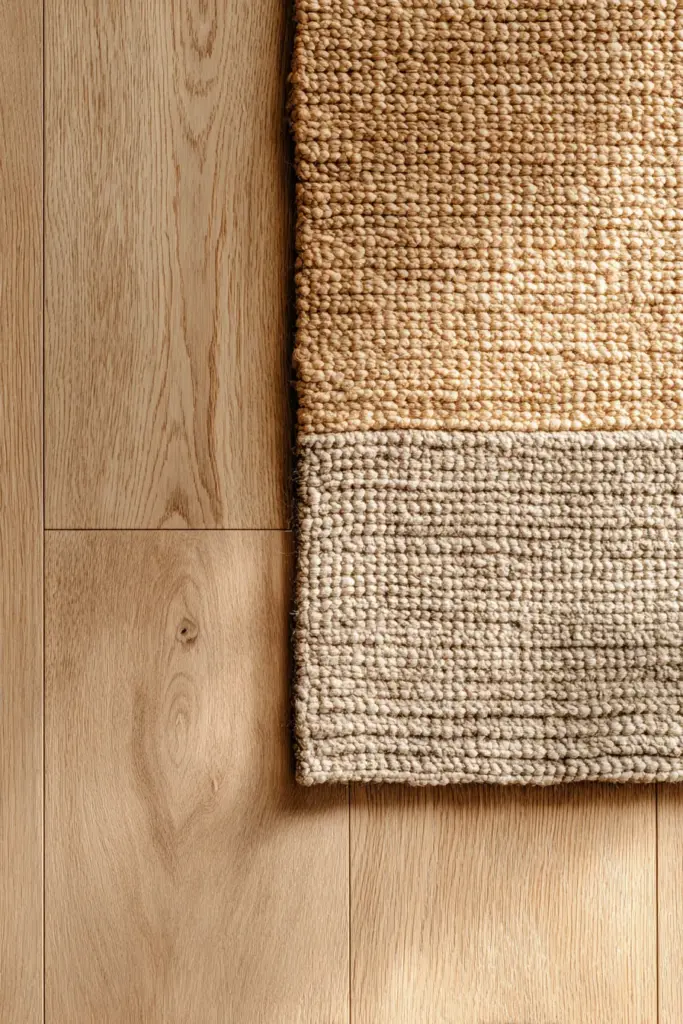
Low-pile rugs (under 10mm) are the safest choice for accessibility. They don’t impede wheelchair wheels, lie flat under walker feet, and are easy to transition on and off. Look for jute, seagrass, or wool-sisal blends — all deeply Japandi in spirit, all hypoallergenic, and all beautifully textured.
Securing Rugs Safely
Every rug in an accessible home needs a non-slip underlay and — ideally — double-sided carpet tape along the edges. In Japandi spaces, choose underlays in natural rubber rather than synthetic foam, as they hold better over time and don’t discolor lighter floors.
Avoid shaggy or high-pile rugs in transitional zones. Reserve texture for under coffee tables or seating areas where foot traffic is more stationary.
Tactile and Visual Accessibility Markers
Accessibility extends beyond mobility. For household members with low vision, subtle tactile floor cues can make navigation safer without interrupting the Japandi palette.
A slightly different texture at the threshold of a step down — a narrow strip of brushed bamboo set perpendicular to the direction of travel — provides a sensory cue underfoot. This technique, borrowed from Japanese public design, is both functional and quietly beautiful.
Light-colored flooring also aids visibility for those with reduced contrast sensitivity. The pale tones of natural ash, bleached oak, and cream-toned bamboo all reflect ambient light generously — a practical advantage wrapped in Japandi’s characteristic softness.
Humidity-Proofing Your Japandi Floor for Philippine Climates
In tropical homes, the battle against humidity is constant. Moisture warps wood, lifts adhesives, and creates the perfect conditions for mold beneath flooring layers.
Sealed bamboo and concrete-look porcelain are your most resilient options in humid climates. For wood-based floors, choose engineered (not solid) planks — the cross-ply construction resists seasonal expansion — and seal with a water-based polyurethane rated for humid environments.
Ensure subfloor moisture barriers are installed before any wood or cork flooring. In apartments, this is especially important if you are on a lower floor. The investment in proper moisture protection prevents far costlier damage later.
Quick Summary: Accessible Japandi Flooring Checklist
- Material: Choose matte-sealed bamboo, engineered oak, cork, or concrete-look tile
- Slip resistance: Specify R10 minimum for all living areas; R11 for homes with seniors
- Transitions: Use flush, beveled thresholds ≤5mm; no raised metal strips
- Wheelchair clearance: Maintain 60-inch (152cm) open turning radius in the center
- Rugs: Low-pile only (under 10mm); secure with non-slip underlay and edge tape
- Ramps: Use same flooring material; slope at 1:12 or less; add matte handrail
- Humidity: Seal all wood-based floors; install moisture barrier on subfloor
- Tactile cues: Add brushed texture strips at step transitions for low-vision safety
- Underlays: Cushioned cork or foam underlay for elderly or child-friendly flooring
- Budget: PHP 1,500–8,000/sqm depending on material; DIY ramps from PHP 5,000
Conclusion
The most beautiful Japandi floors are the ones that welcome everyone.
They carry the scent of natural fiber and the warmth of pale wood grain. They hold morning light softly and don’t ask anything of you — not careful stepping, not anxious watchfulness, not the constant low-level fear that lives in difficult spaces.
Designing for accessibility doesn’t dilute the poetry of Japandi. It deepens it. Because wabi-sabi, at its core, is about designing for the full truth of human life — including the ways our bodies change, the ways we need support, and the beauty that emerges when a home holds us gently.
At ERYLIN, we believe every floor should be worth walking across — beautifully, freely, and without a second thought.
Frequently Asked Questions
What is the best flooring for a Japandi living room?
The best flooring for a Japandi living room is matte-finished engineered oak or sealed bamboo. Both offer the warm, natural aesthetic central to the Japandi style and, when properly sealed, provide slip-resistant surfaces suitable for all ages. For humid climates like the Philippines, strand-woven bamboo with a water-resistant matte sealant (approximately PHP 1,500–4,000/sqm) performs exceptionally well. Concrete-look porcelain tiles are a strong alternative for a cooler, more minimal feel.
Is bamboo flooring good for a living room?
Yes — bamboo flooring is excellent for living rooms, especially in tropical climates. Strand-woven bamboo is harder than most hardwoods, highly durable, and sustainably sourced. For accessibility, choose a matte finish with an R10+ slip rating, which provides safe traction for seniors and children. Avoid high-gloss bamboo in high-traffic areas, as it becomes slippery when wet. In Philippine homes, sealed bamboo offers the added benefit of humidity resistance.
What flooring goes with Japandi style?
Japandi style pairs beautifully with light natural wood (ash, oak, maple), bamboo, cork, and matte concrete-look tiles. Rugs in jute, seagrass, wool-sisal blends, or low-pile natural fibers layer warmth without visual clutter. The key is to stay within a palette of warm neutrals — creamy whites, driftwood tones, soft greys — and choose matte or satin finishes over high gloss. Herringbone plank arrangements in pale oak add a subtle pattern that honors the Japandi love of quiet craftsmanship.
How do you make a Japandi living room floor accessible?
To make a Japandi floor accessible: use slip-resistant matte finishes with an R10 minimum rating; install flush, beveled thresholds (≤5mm) between flooring zones; maintain a 60-inch open turning radius for wheelchair use; secure all rugs with non-slip underlays; and replace steps with gently sloped ramps clad in matching flooring material. For elderly residents, add a cushioned underlay beneath cork or engineered wood to reduce impact from falls. Tactile texture strips at level changes serve as visual and sensory cues for low-vision household members.
Can I install accessible Japandi flooring if I’m renting?
Absolutely. Click-lock engineered wood and floating bamboo planks require no adhesive and can be installed directly over existing floors, making them renter-friendly and fully reversible. Low-profile area rugs with non-slip underlays define zones without permanent changes. For threshold and ramp needs, freestanding timber ramp inserts with Japandi wood cladding can be custom-built and removed when you move. Always check your lease before any installation, but most click-lock systems leave zero trace on the underlying floor.