
Table of Contents
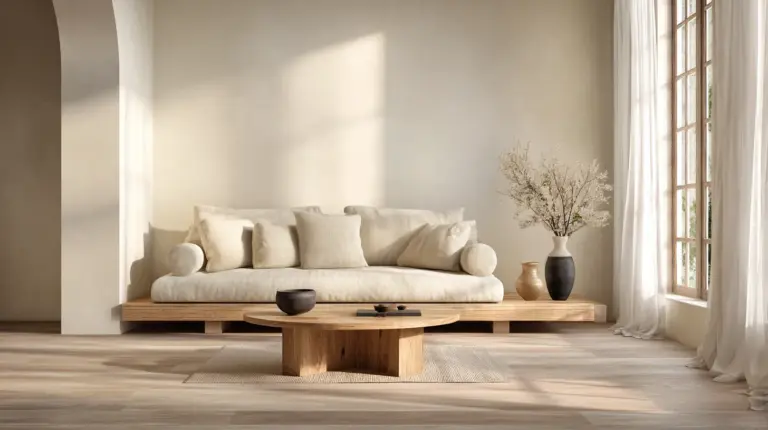
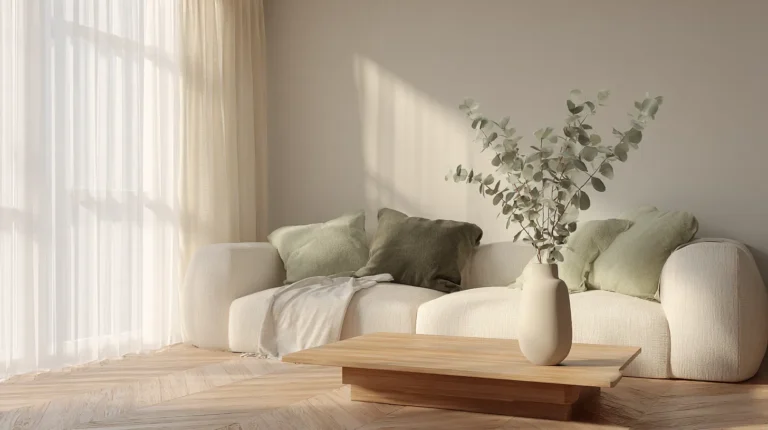
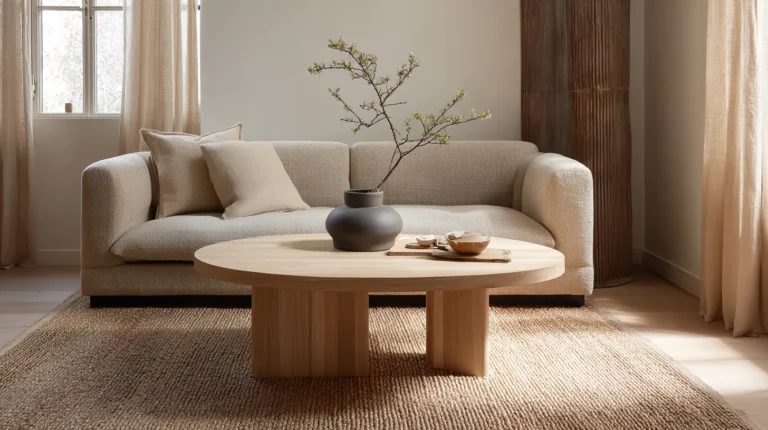
There’s a particular kind of peace that settles over a room when everything feels right. The light pools just so across the floor. The wood grain whispers stories of slow growth and careful craft. The cushions yield softly beneath you, inviting you to stay.
This is the promise of Japandi—a gentle collision of Japanese minimalism and Scandinavian warmth that’s captured the hearts of design lovers everywhere. But walking into a furniture store or scrolling through endless online options can quickly turn that dream into overwhelm. Which sofa actually embodies those clean lines you’re craving? How do you know if that coffee table will anchor your space or disappear into it?
We’re here to guide you through the essential comparisons, from sofas that ground your sanctuary to tables that become the quiet heartbeat of your gatherings. Let’s explore the furniture that transforms a living room into something deeper—a place where simplicity and soul meet.
What Is Japandi Living Room Furniture?
Japandi isn’t just another design trend chasing the moment. It’s a philosophy woven from two rich traditions that share a profound respect for nature, craftsmanship, and the beauty of restraint.
On one side, Japanese design brings wabi-sabi—the art of finding perfection in imperfection. Think low-profile furniture, natural materials that age gracefully, and spaces that breathe with negative space. On the other, Scandinavian style contributes hygge—that untranslatable coziness expressed through warm woods, soft textiles, and light-filled rooms designed for comfort.
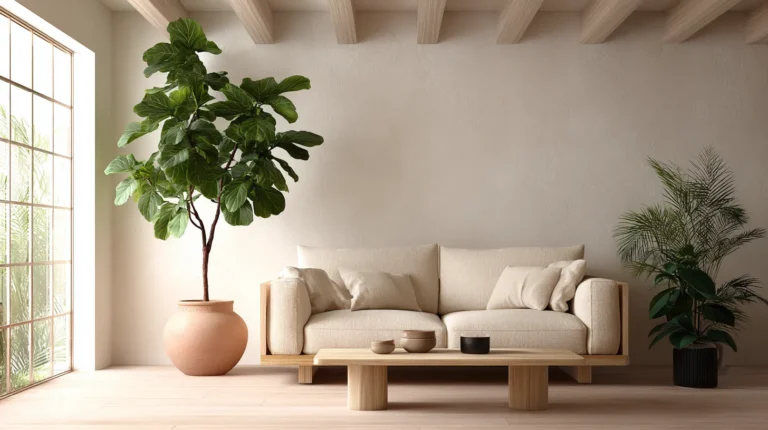
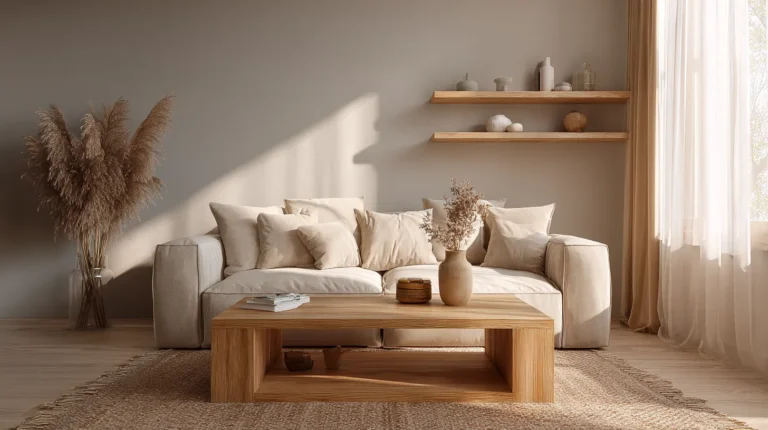
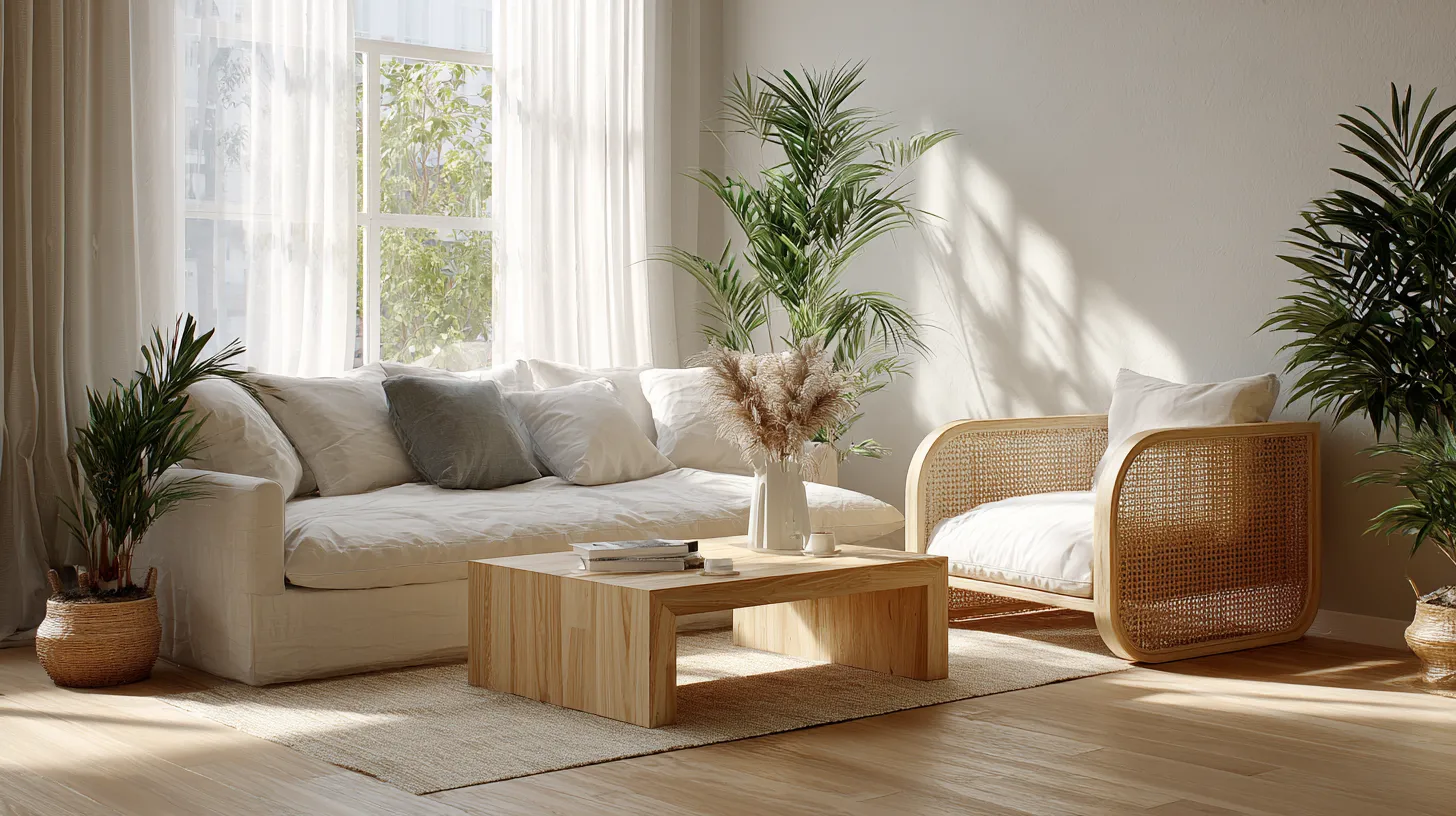
When these two aesthetics merge, you get furniture that’s both spare and inviting. Clean-lined sofas in creamy linen. Oak coffee tables with honest joinery. Rattan chairs that cast delicate shadows in afternoon light. Every piece serves a purpose while honoring the raw beauty of its materials.
The Core Materials That Define Japandi
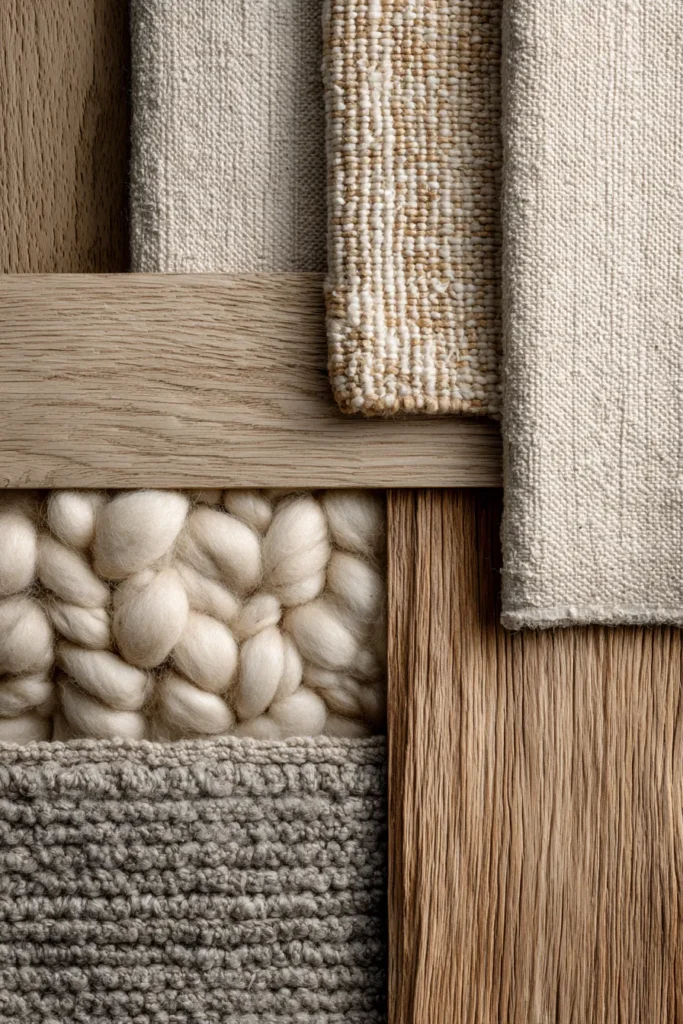
Natural materials aren’t just a preference in Japandi design—they’re essential. Oak, walnut, and ash bring warmth through their varied grain patterns and honey-to-charcoal tones. These woods often appear in their most honest form, finished with oils that enhance rather than disguise.
Textiles layer in softness without fuss. Linen, cotton, jute, and wool arrive in earth-toned neutrals—sandy beiges, warm grays, soft blacks, creamy whites. The palette itself becomes meditative, allowing the textures to speak. Rattan and cane add organic curves to otherwise angular spaces, their woven surfaces catching light like water.
Japandi Sofa Comparison: Finding Your Foundation
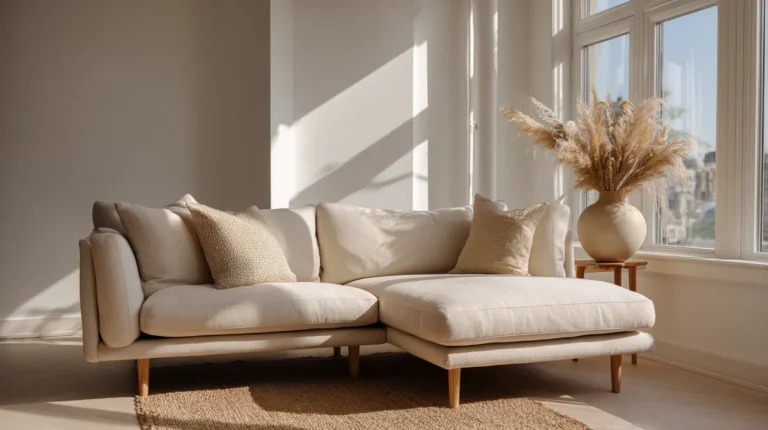
Your sofa anchors everything. It’s where you’ll curl up with tea on Sunday mornings, where conversations unfold deep into evening, where life simply happens. In Japandi spaces, the sofa needs to balance visual lightness with genuine comfort—no small feat.
Low-Profile vs. Standard Height Sofas
Traditional Japandi leans toward low-slung silhouettes that mirror Japanese zaisu seating culture. These pieces sit closer to the ground, creating horizontal emphasis that makes rooms feel more expansive. Brands like Article’s Sven series and Burrow’s low-profile options excel here, with seat heights around 16-17 inches and slim wooden legs that barely kiss the floor.
But here’s the truth: low sofas aren’t for everyone. If you have mobility considerations or simply prefer the ease of standard seating, Japandi welcomes you too. West Elm’s Andes and IKEA’s Kivik offer slightly higher profiles (18-19 inches) while maintaining clean lines and neutral upholstery that still honors the aesthetic.
Material & Durability Considerations
| Sofa Type | Upholstery | Frame | Price Range | Best For |
|---|---|---|---|---|
| Article Sven | Performance fabric/leather | Kiln-dried hardwood | $1,899–$3,999 | Pet owners, high traffic |
| West Elm Andes | Stone-washed linen/velvet | FSC-certified wood | $1,699–$2,999 | Texture lovers, eco-conscious |
| Burrow Nomad | Stain-resistant fabric | Hardwood + steel | $1,295–$2,495 | Renters, small spaces |
| IKEA Kivik | Cotton/polyester blend | Solid pine + fiberboard | $799–$1,299 | Budget-conscious, DIY enthusiasts |
| Sixpenny Neva | Belgian linen | Solid hardwood | $3,200–$5,800 | Heirloom quality, sustainability |
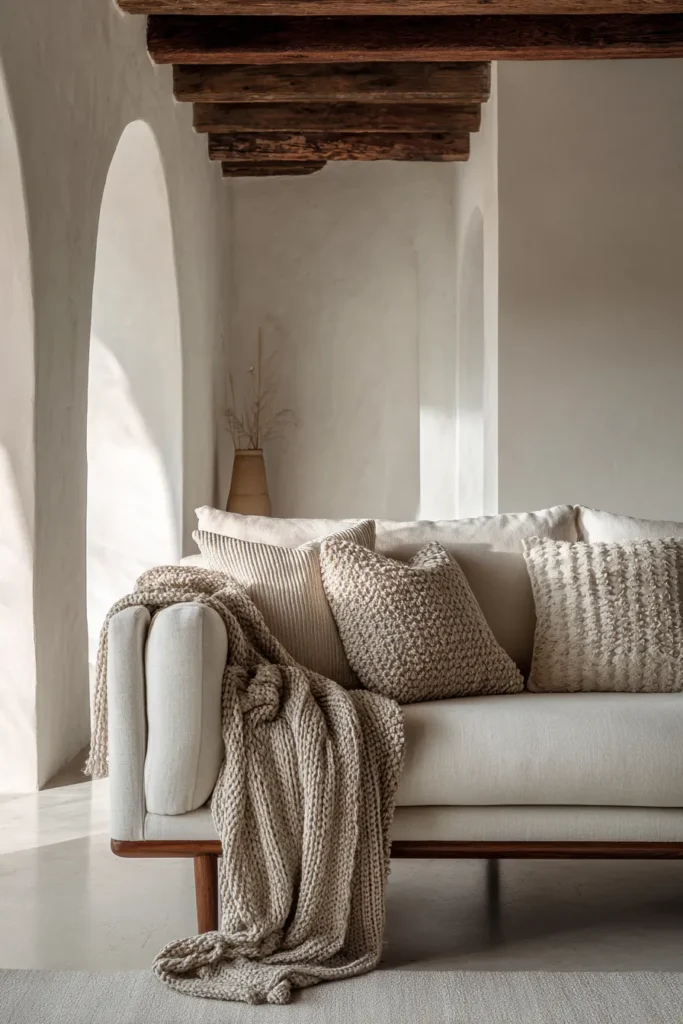
The magic happens in the details. Look for removable, washable covers if you have pets or children. Check for eight-way hand-tied springs or high-density foam that won’t sag after a year. Notice how the legs attach—exposed wood legs in walnut or oak aren’t just aesthetic choices; they create visual breathing room that makes your space feel larger.
Small Space Solutions
For apartments and cozy living rooms under 200 square feet, consider modular sofas that adapt to your layout. Burrow’s sectional pieces connect without tools, letting you reconfigure as needed. Alternatively, a streamlined loveseat paired with floor cushions honors the Japanese tradition of flexible, multi-height seating while maintaining Scandinavian comfort.
Japandi Coffee Table Comparison: The Quiet Centerpiece
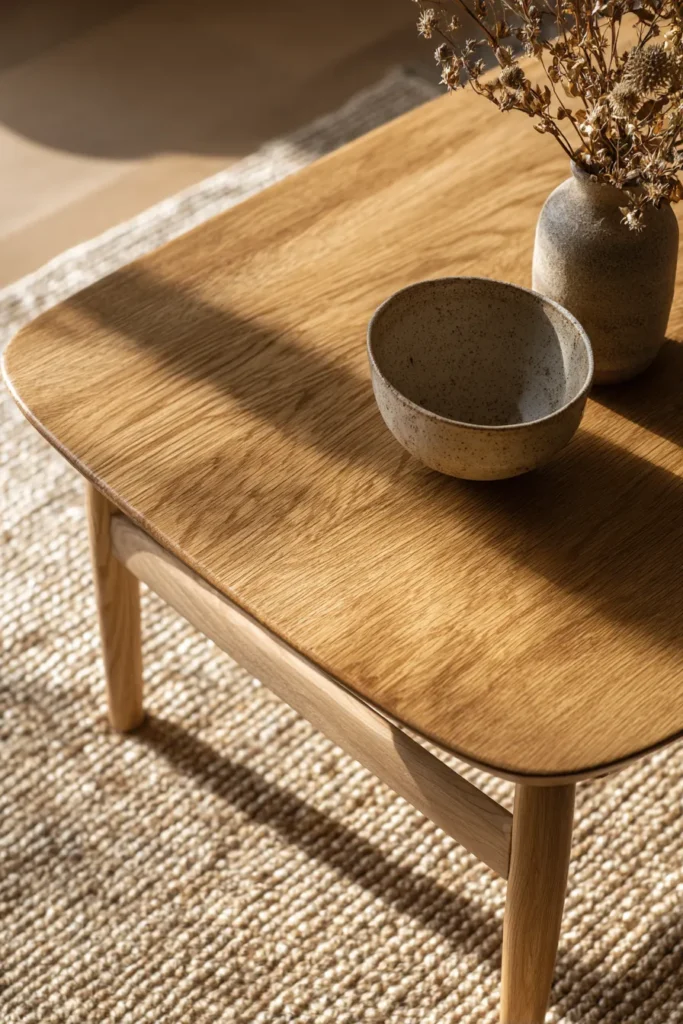
A Japandi coffee table shouldn’t shout—it should hum. It’s the piece your eye rests on, where morning light pools, where a single ceramic bowl becomes sculpture.
Wood Tones & Grain Patterns
The debate between light and dark woods in Japandi spaces is more nuanced than many realize. Light oak and ash (think natural or white-washed finishes) amplify brightness and suit smaller rooms or spaces with limited natural light. They pair beautifully with warm gray sofas and cream textiles.
Darker walnut and teak bring richness and grounding energy, particularly lovely in larger rooms with abundant windows. These woods showcase dramatic grain patterns that become conversation pieces themselves. The key is balance—darker tables need lighter surrounding elements to maintain Japandi’s characteristic airiness.
Shape, Storage & Functionality
| Table Style | Dimensions | Storage | Material | Price Range | Space Type |
|---|---|---|---|---|---|
| Minimalist Rectangular | 48″L × 24″W × 16″H | None | Solid oak | $300–$800 | Small to medium rooms |
| Low Japanese-Inspired | 36″L × 36″W × 12″H | Open shelf | Walnut veneer | $250–$600 | Floor-seating areas |
| Round Pedestal | 32″Ø × 18″H | None | Ash with brass detail | $400–$1,200 | Conversation areas |
| Lift-Top Functional | 42″L × 22″W × 19″H | Hidden storage | Oak + metal | $350–$900 | Multi-use spaces |
| Nesting Set | Largest: 32″Ø × 16″H | Stackable design | Mixed woods | $200–$500 | Flexible/small spaces |
Consider how you actually live. Do you work from the couch? A lift-top table with hidden storage transforms into an impromptu desk. Love hosting? Nesting tables provide surface area for drinks during gatherings, then tuck away when solitude returns. Traditional rectangular tables offer the most surface area but require thoughtful proportion—leave at least 18 inches between table edge and sofa for comfortable movement.
Budget-Friendly Alternatives
Amazon and Wayfair offer compelling Japandi-inspired options in the $150–$400 range. Look for tables with solid wood legs (even if the top is veneer) and simple joinery. Target’s Project 62 line and CB2’s lower-tier pieces often deliver surprisingly good quality. The compromise usually lives in weight and finish durability rather than aesthetic—these tables read beautifully but may show wear faster than $800+ investment pieces.
Japandi Accent Chair Comparison: Adding Character Without Clutter
Accent chairs in Japandi spaces walk a delicate line. They need presence without dominance, personality without chaos. The right chair becomes a favorite reading spot, a place to pause and breathe, a sculptural element when empty.
Material Choices: Wood, Rattan, Upholstered
Wooden chairs with exposed frames honor Japanese joinery traditions—think spindle-back designs or angled legs inspired by Hans Wegner’s iconic pieces. These work beautifully in corners or flanking a window, their silhouettes casting lovely shadows.
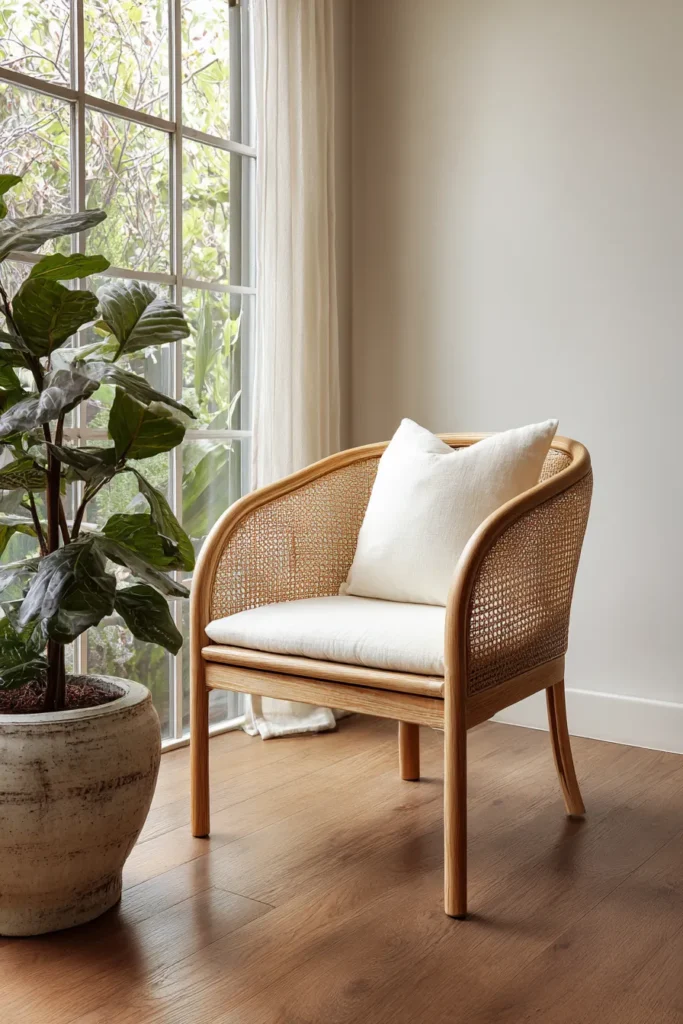
Rattan and cane chairs bring organic texture and surprising comfort, especially papasan-style or curved barrel shapes. They soften the harder edges of wood furniture while maintaining that natural material palette. Look for pieces with cushions in neutral linen or wool for extended sitting comfort.
Fully upholstered lounge chairs in bouclé or velvet might seem too soft for Japandi’s minimalist reputation, but here’s the secret: when you choose sculptural shapes in muted tones—think curved backs or wing designs in mushroom gray or warm sand—they add luxurious comfort without visual weight.
Pairing Chairs with Your Sofa
Create conversation without crowding by considering scale and profile. If your sofa sits low and linear, a slightly higher accent chair with rounded arms creates pleasing contrast. If you’ve chosen a plush, deep sofa, balance it with a slimmer wooden or rattan chair that maintains visual lightness.
Color and texture should echo, not match. A cream linen sofa loves a charcoal bouclé chair. An oat-colored velvet sofa pairs beautifully with natural rattan. The goal is cohesion through complementary tones rather than identical matching—much more interesting, much more lived-in.
Storage & Media Consoles: Form Meets Function
Entertainment centers in Japandi living rooms quietly solve the modern dilemma of technology in tranquil spaces. The best consoles hide cables and devices while showcasing a few treasured objects—handmade ceramics, a small plant, favorite books.
Closed vs. Open Storage
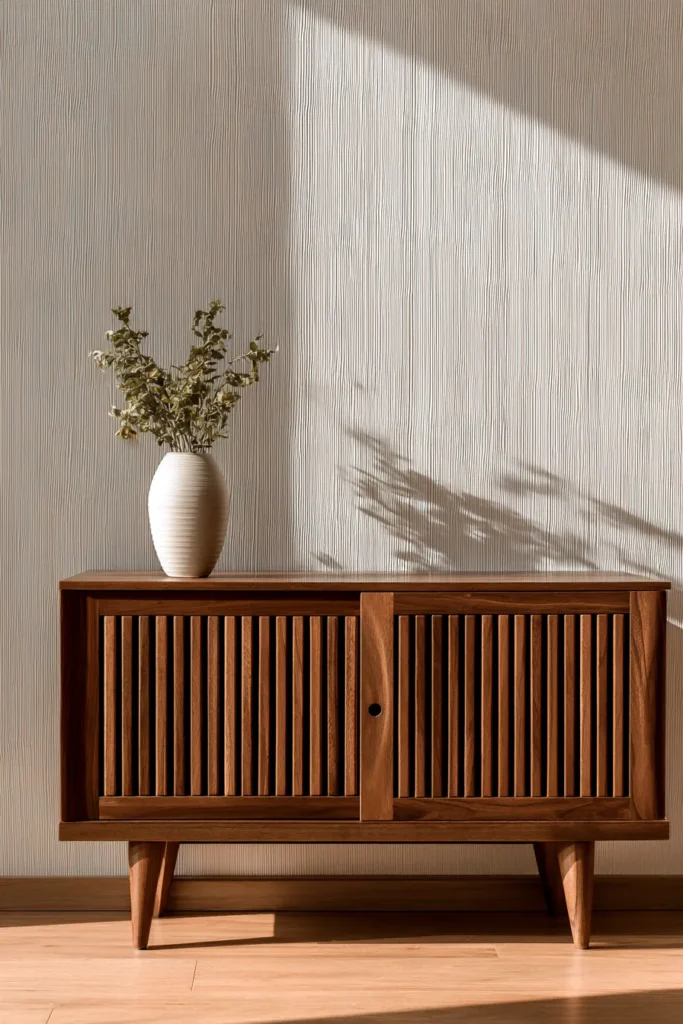
Cabinets with doors (ideally in natural wood grain or matte finishes) conceal the visual noise of gaming consoles, routers, and DVD collections. Brands like West Elm, Article, and Castlery offer media consoles with slatted doors or sliding panels that nod to Japanese shoji screens while allowing remote signals through.
Open shelving suits those with curated collections—if you love displaying vinyl records, art books, or carefully chosen decor, open cubbies become gallery space. The discipline here is restraint; leave some shelves bare to maintain breathing room.
Hybrid designs with a mix of closed cabinets and open shelves offer flexibility. Store everyday clutter behind doors while displaying seasonal elements or meaningful objects where they catch light.
Leg Style & Height Considerations
Mid-century-inspired tapered legs elevate consoles both literally and visually, making floor-cleaning easier while creating that signature floating appearance. Aim for leg heights of 6-8 inches to balance sturdiness with lightness.
Wider, shorter consoles (under 20 inches tall) suit wall-mounted TVs beautifully, emphasizing horizontal lines that calm and ground. Taller pieces work when you’re placing the TV directly on the console, but measure carefully—screen center should sit at eye level when seated.
Side Tables & Plant Stands: The Supporting Cast
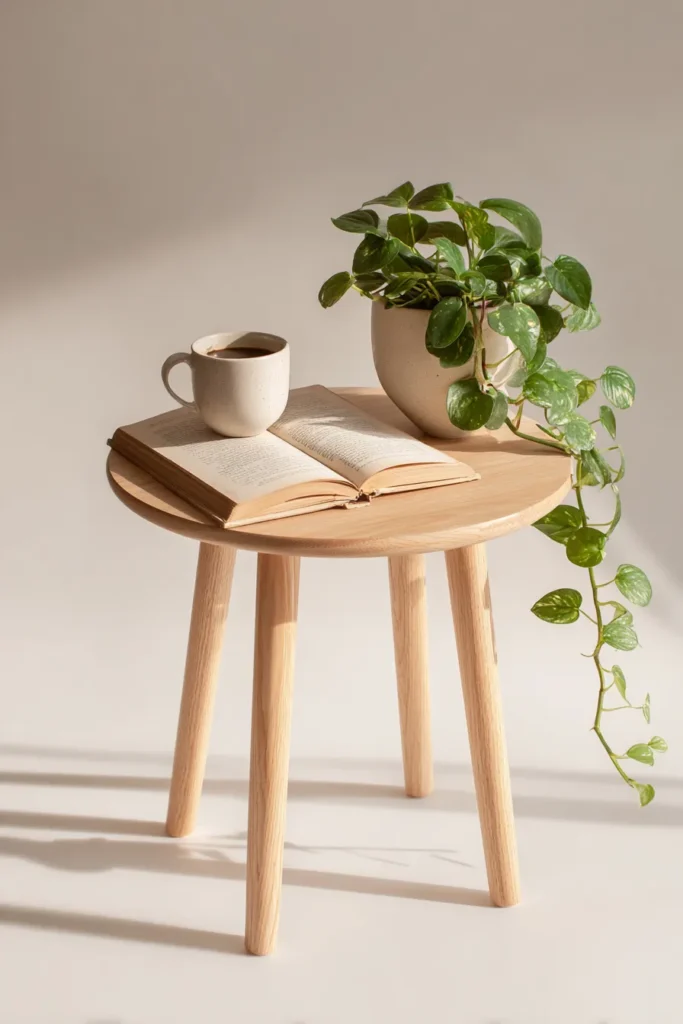
These smaller pieces might seem like afterthoughts, but they’re the punctuation marks that complete your room’s story. A side table holds your evening tea. A plant stand lifts greenery into a shaft of light, turning a pothos into a living sculpture.
Look for sets that nest or vary in height—this creates visual rhythm and flexibility for entertaining. Three-legged designs (tripod style) reference Japanese minimalism while requiring minimal floor space. Choose materials that echo your larger pieces: if your coffee table is light oak, side tables in similar wood create cohesion; if you want more visual interest, introduce a complementary material like stone or black metal as accent.
Ottomans & Poufs: Flexible Comfort
Japandi embraces floor-level living, and ottomans bridge the gap beautifully. A low leather ottoman in caramel or charcoal becomes extra seating, footrest, or impromptu coffee table when topped with a wooden tray.
Poufs in chunky knit wool or natural jute add textural softness while remaining easily movable. They’re perfect for small spaces where furniture needs to multitask—tuck them under the coffee table when not in use, pull them out for guests.
For families with children, washable canvas poufs in neutral tones handle spills gracefully while providing safe, soft seating that won’t tip or pinch little fingers.
Budget Breakdown: Three Approaches to Japandi Living Rooms
Starter Japandi: $1,700–$2,500
- IKEA Kivik sofa in Hillared beige: $799
- Target Project 62 coffee table in natural wood: $180
- Amazon rattan accent chair: $220
- West Elm Mid-Century side table: $149
- IKEA Kallax media console: $139
- Jute poufs (set of 2): $120
- Natural fiber rug and linen throw pillows: $293
This foundation emphasizes smart choices—investing slightly more in the sofa while saving on smaller pieces that you can upgrade over time.
Mid-Range Japandi: $4,000–$6,000
- Article Sven sofa in birch ivory: $2,299
- West Elm Streamline coffee table in oak: $549
- CB2 Stick lounge chair in leather: $699
- Castlery media console with slatted doors: $899
- Accent tables and storage ottomans: $650
- Quality textiles and lighting: $904
Here you’re investing in pieces with superior materials and construction—furniture that ages beautifully and stands up to daily life.
Investment Japandi: $8,000+
- Sixpenny Neva sofa in Belgian linen: $4,200
- Design Within Reach coffee table (authentic mid-century): $1,200
- Carl Hansen CH24 Wishbone chair: $895
- Custom walnut media console: $1,800
- Designer lighting and artisan accessories: $1,905+
This tier prioritizes heirloom quality, sustainable sourcing, and timeless design that transcends trends. You’re buying once and keeping forever.
Japandi vs. Scandinavian vs. Zen: Understanding the Differences
While these styles share common ground, understanding their distinctions helps you make intentional choices.
Scandinavian design leans into hygge—coziness through layered textiles, warmer color palettes (blues, rust, mustard), and abundant candles. Furniture tends toward rounder, more embracing shapes. Think sheepskin throws and chunky knit blankets.
Japanese Zen emphasizes profound minimalism with lower furniture, darker woods, and more negative space. There’s a spiritual quality—furniture as meditation on form and function. Less textile layering, more bare surfaces.
Japandi blends these: Scandinavian warmth and comfort with Japanese restraint and material honesty. It’s minimalism you can actually live in—spare but not stark, simple but deeply comfortable.
Small Space Japandi: Furniture That Works Harder
Apartments and compact living rooms demand furniture that multitasks without looking busy. Prioritize pieces with hidden storage, stackable elements, or dual functions.
A sofa bed in clean-lined design serves guests without broadcasting its functionality. Nesting tables expand surface area for entertaining, then disappear. Wall-mounted shelving keeps floors clear while providing display space. Ottoman storage hides blankets and books while serving as seating or footrest.
The Japandi principle of ma (negative space) becomes even more crucial in small rooms. Choose fewer, better pieces rather than cramming in everything at once. Let your furniture breathe, and your space will feel twice its size.
Sustainability & Longevity: Choosing Furniture That Lasts
True Japandi values longevity over trends. Look for FSC-certified woods ensuring responsible forestry. Solid wood construction (even if it costs more upfront) outlasts veneer and engineered materials by decades.
Brands like Sixpenny, Sabai, and Medley offer transparency about their supply chains and use eco-friendly foams, recycled fabrics, and non-toxic finishes. Avoid fast furniture that ships flat-packed in questionable materials—it ends up in landfills within years.
Consider vintage and secondhand pieces too. Mid-century modern furniture from the 1950s-70s often embodies Japandi principles beautifully, and buying pre-owned reduces environmental impact while adding character and history to your space.
Your Japandi Living Room Furniture Checklist
Before you buy, consider these essentials:
- Does the piece have exposed wood elements? Legs, arms, or frames in natural finishes connect to both Japanese and Scandinavian traditions.
- Is the silhouette clean and unfussy? Ornate carvings, excessive tufting, or busy patterns fight Japandi’s minimalist heart.
- Can you touch the materials? Natural textures—wood grain, linen weave, rattan texture—should be tactile and honest, not overly finished or synthetic.
- Does it serve your actual life? Beautiful but impractical furniture betrays Japandi’s functional philosophy.
- Will it age gracefully? Look for materials that develop patina rather than showing wear—leather that softens, wood that darkens, linen that relaxes.
- Is there negative space? Furniture with legs (versus skirted sofas) and open areas maintains visual lightness.
- Does the color palette stay neutral? Warm whites, soft grays, beiges, black, natural wood tones—anything too saturated pulls focus.
Conclusion: Building Your Sanctuary, One Piece at a Time
Creating a Japandi living room isn’t about perfection—it’s about intention. It’s choosing the oak coffee table that feels solid under your palm. The linen sofa that holds you gently after long days. The rattan chair where afternoon light pools just right.
These aren’t just purchases; they’re the building blocks of sanctuary. Each piece you bring home should earn its place not through trendiness but through daily usefulness and quiet beauty. In a world that constantly demands more, Japandi whispers a different invitation: choose less, choose better, choose with your whole heart.
Your living room is waiting to become the peaceful refuge you’ve been craving. Let it unfold slowly, thoughtfully, one honest material at a time.
Frequently Asked Questions
What is Japandi furniture, and how does it differ from regular minimalist furniture?
Japandi furniture blends Japanese minimalism with Scandinavian warmth, creating pieces that are both spare and inviting. Unlike stark minimalism, Japandi embraces natural materials like oak and linen, adds textural softness through woven elements, and prioritizes comfort alongside clean lines. It’s minimalism that feels livable—spaces that breathe without feeling cold.
What are the best Japandi furniture pieces for small living rooms?
Focus on multifunctional pieces with visual lightness: low-profile sofas with exposed legs, nesting coffee tables that expand when needed, ottomans with hidden storage, and wall-mounted shelving. Choose lighter wood tones and avoid bulky arms or backs. A loveseat plus accent chair often works better than a large sectional in compact spaces.
How do I choose between a Japandi sofa and a coffee table on a limited budget?
Invest in the sofa first—it’s your largest piece and gets the most use. A quality sofa in neutral upholstery will last years and anchor your space. You can find beautiful budget-friendly coffee tables under $300 that still honor Japandi principles through simple wood construction and clean lines. Upgrade the table later when budget allows.
What materials define authentic Japandi living room furniture?
Natural, honest materials are non-negotiable: solid woods (oak, walnut, ash, teak), linen and cotton textiles, rattan and cane, jute and wool. Finishes should enhance rather than disguise—oil-rubbed woods, stone-washed linens, natural fiber weaves. Avoid heavily lacquered surfaces, synthetic fabrics, or overly ornate detailing that fights the aesthetic’s essential simplicity.
Can I mix Japandi furniture with my existing modern pieces?
Absolutely. Japandi’s neutral palette and clean lines play well with mid-century modern, contemporary, and even some industrial elements. The key is maintaining the material story—keep natural woods, neutral tones, and uncluttered silhouettes. If your existing furniture has chrome or glass, balance it with warm wood tones and soft textiles to maintain Japandi’s signature warmth.