
Table of Contents
There’s a quiet magic in finding something beautiful that doesn’t cost the earth. A rug that feels soft underfoot, catches the light just so, and anchors your space with warmth—all without emptying your wallet. It’s not about compromise. It’s about knowing where to look, what to prioritize, and how to let texture and intention do the heavy lifting.
Luxury isn’t always measured in price tags. Sometimes it’s in the weave of natural fibers, the depth of a hand-tufted pile, or the way a vintage pattern tells a story across your living room floor. The best budget-friendly rugs don’t whisper “affordable”—they speak in soft neutrals, timeless designs, and materials that age with grace.
This guide is your companion through that journey. We’ll walk through materials that mimic high-end craftsmanship, shopping strategies that stretch your budget further, and styling tricks that elevate even the simplest pieces. Because every home deserves beauty, and every budget deserves respect.
Let’s find the rug that makes your space feel complete—without the guilt, without the wait, without the sacrifice.
Understanding What Makes a Rug Look Luxurious
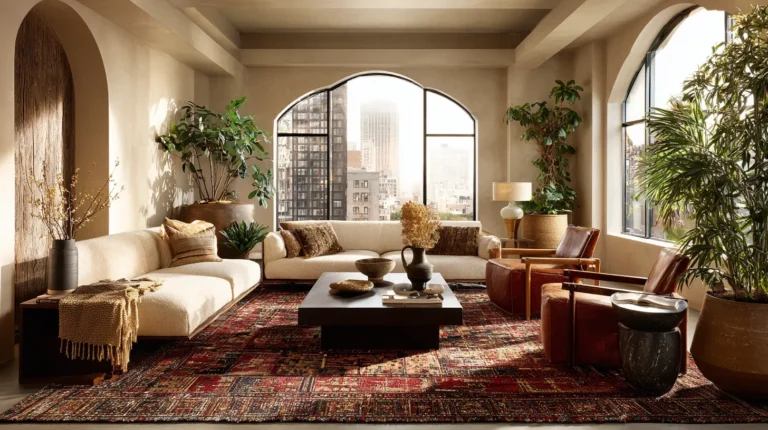
Luxury lives in the details. It’s the weight of a rug when you lift the corner, the way pile catches shadow and light, the subtle irregularities that hint at handwork. Before we talk about budget, we need to understand what our eyes read as “expensive”—so we can recreate it for less.
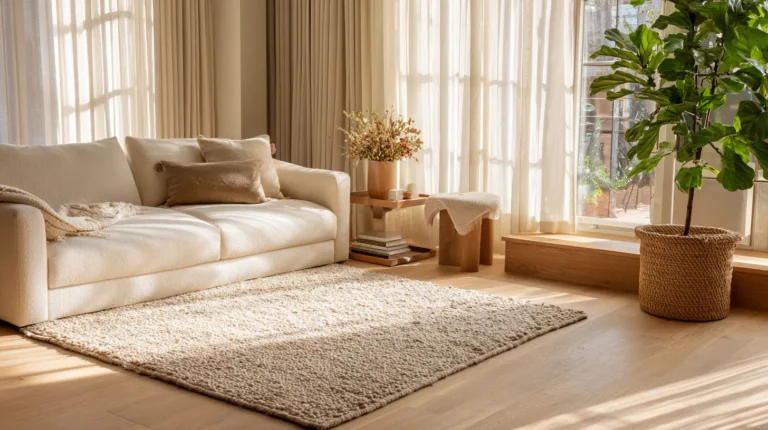
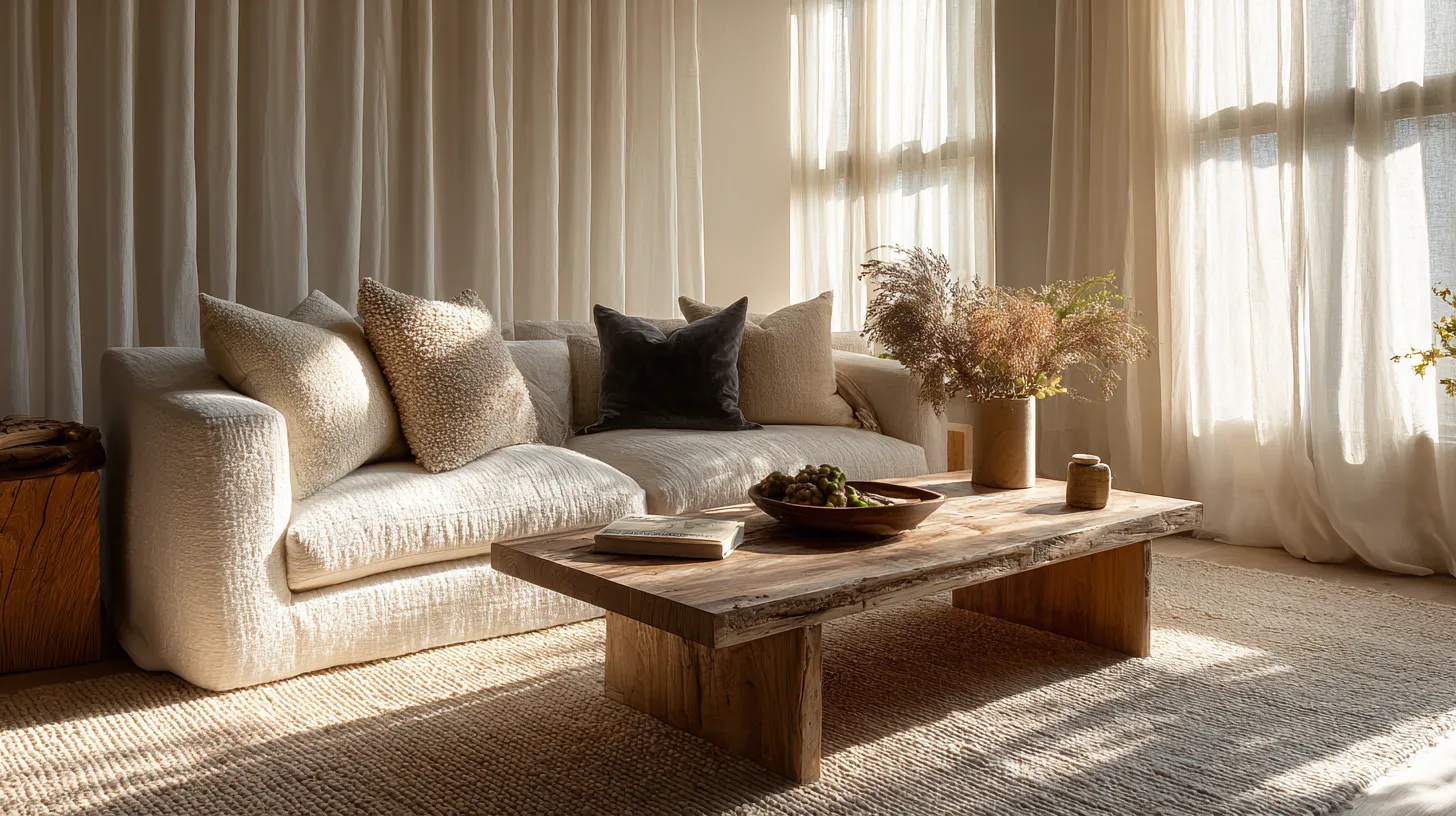
Texture is everything. A thick pile invites touch. A flatweave offers architectural crispness. Rugs that combine multiple weave techniques—like a cut pile border with a looped center—create visual depth that photographs beautifully and feels intentional. Look for pieces with visible texture variation, whether through high-low pile, hand-carved details, or natural fiber slubs.
Color sophistication matters more than pattern complexity. A simple geometric in muted sage and cream can read more luxurious than an ornate medallion in bright primaries. Neutrals with subtle tonal shifts—think oatmeal with flecks of taupe, charcoal with hints of navy—create that layered, collected look. When color is restrained, even budget materials shine.
Scale and proportion transform a space. An oversized rug that extends well beyond your furniture arrangement makes everything feel intentional and expensive, while a too-small rug can cheapen even designer pieces. The most budget-friendly way to add luxury is often simply choosing the right size.
Materials That Deliver on a Budget
Natural Fibers: The Foundation of Affordable Luxury
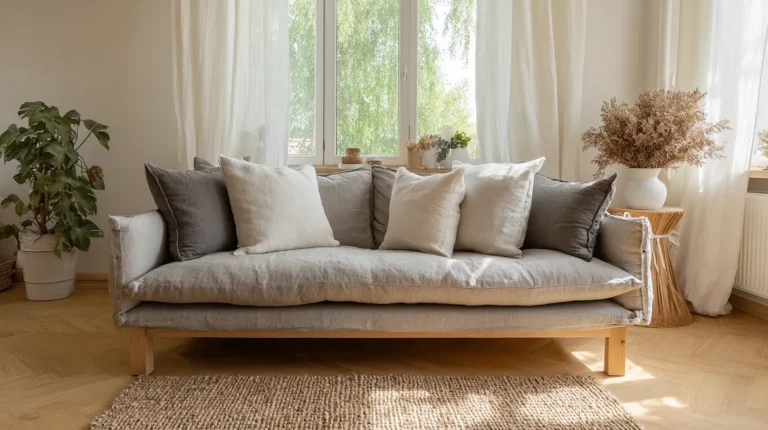
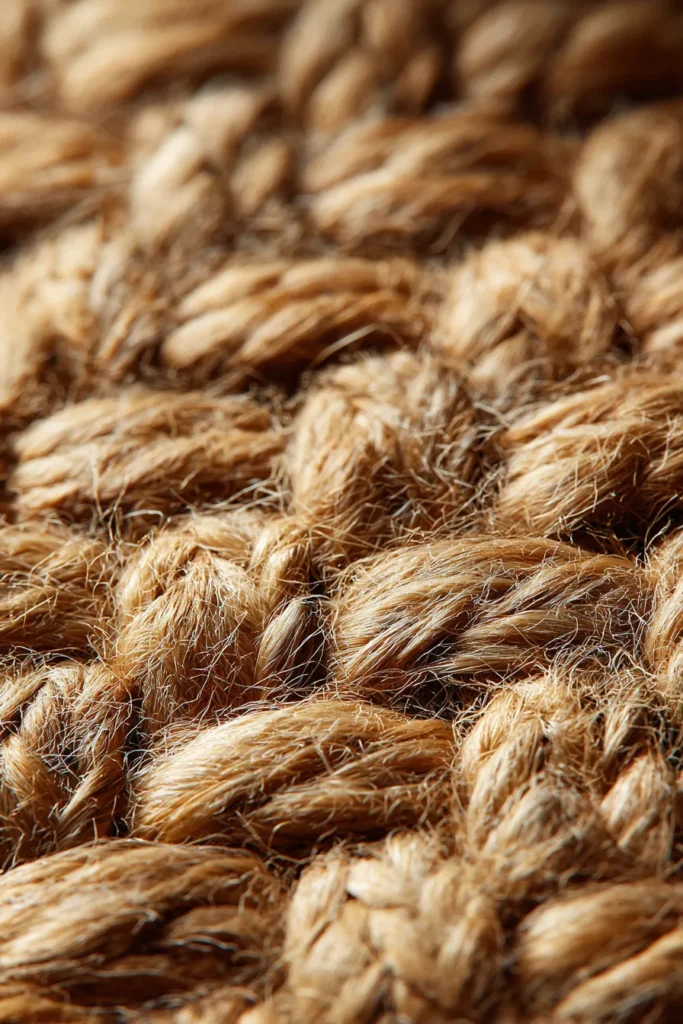
Jute and sisal are the workhorses of budget-friendly natural fiber rugs. They photograph like linen, feel organic underfoot, and cost a fraction of wool. Jute offers a softer hand and works beautifully in living spaces, while sisal’s tighter weave stands up to higher traffic. Layer them under lighter rugs for texture, or let them stand alone in casual spaces where their raw, honest texture feels at home.
Cotton flatweaves deserve more credit than they receive. Modern cotton rugs come in gorgeous hand-blocked prints, subtle stripes, and architectural geometrics that rival wool counterparts. They’re washable—a luxury in itself—and their matte finish reads as deliberately understated rather than cheap. Look for tightly woven cotton with a substantial weight; the difference between flimsy and luxe is often just thread count and density.
Wool blends offer the best of both worlds. A rug that’s 70% wool and 30% synthetic can give you wool’s natural luster, durability, and stain resistance while cutting costs significantly. The synthetic fibers add resilience and often make the rug easier to clean. You get that soft, springy feeling underfoot without the premium price of 100% wool.
Contemporary Synthetic Options
Don’t dismiss polypropylene and polyester too quickly. Modern manufacturing has evolved dramatically. High-quality synthetic rugs now feature hand-carved details, silk-like sheens, and colorfast dyes that resist fading. Polypropylene rugs excel in high-traffic areas and outdoor spaces, offering remarkable durability for the investment.
The key is avoiding the obviously synthetic look—flat, overly shiny, or plasticky textures. Instead, seek out synthetics that mimic natural materials: matte finishes, varied pile heights, organic color palettes. Many contemporary designers work exclusively in these materials, creating pieces that belong in boutique hotels and magazine spreads.
Viscose and chenille create that coveted silk-like luster at accessible prices. Viscose catches light beautifully, especially in geometric or botanical patterns where the sheen highlights design details. Yes, it requires more careful maintenance than wool, but for low-traffic areas like bedrooms or formal dining rooms, the visual payoff is worth it.
Where to Find Hidden Gems
Online Retailers That Balance Quality and Price
The digital marketplace has democratized rug shopping in beautiful ways. Online-first brands eliminate showroom overhead and pass savings to you. Sites specializing in direct-from-maker models often offer handmade or hand-tufted options at prices that surprise—because you’re buying from artisans rather than through multiple distributors.
Look for retailers with generous return policies. The ability to live with a rug for 30 days before committing changes everything. Colors that look perfect online might clash with your sofa; textures that seem plush might feel too casual. Return-friendly shopping lets you be brave with choices.
Flash sale sites and rug-specific marketplaces reward patience. Sign up for notifications, check back during major holidays, and don’t be afraid to wait for the right piece at the right price. Many retailers rotate stock seasonally—that gorgeous wool rug might drop 40% when spring collections arrive.
The Vintage and Secondhand Advantage
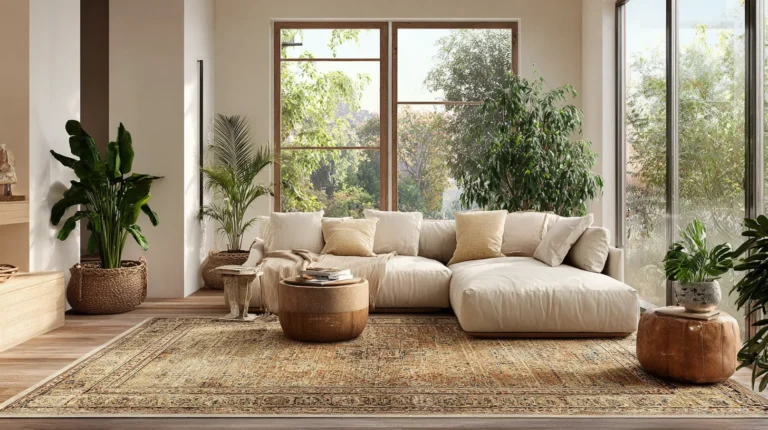
Vintage rugs are budget luxury’s best-kept secret. A genuine vintage Turkish or Persian rug, worn soft with time, often costs less than a new machine-made replica—and brings infinitely more character. The fading isn’t damage; it’s patina. Those worn spots tell stories. The irregular edges speak to handwork.
Thrift stores, estate sales, and online vintage marketplaces overflow with rugs that just need a professional cleaning to shine again. You’re not buying someone’s castoff; you’re inheriting a piece with history, made with techniques rarely used in mass production today. One $200 vintage Oushak can anchor a room more elegantly than three new rugs at the same total price.
Overdyed and distressed rugs bridge vintage appeal with modern sensibility. Many affordable brands now offer vintage-inspired pieces with contemporary colorways—think dusty pink overdyes or charcoal washes on traditional patterns. You get the character without the hunt, the uniqueness without the uncertainty.
Smart Shopping Strategies
Timing Your Purchase
Rug retailers follow predictable sale cycles. January and July bring deep discounts as stores clear seasonal inventory. Black Friday extends through Cyber Monday, often with site-wide percentages off. But don’t overlook smaller moments: many brands offer sign-up discounts for email lists, and end-of-season clearances can be dramatic.
Sample sales and discontinued pattern sales are gold mines. When a retailer introduces new collections, previous designs often drop to clearance pricing—even though the quality remains unchanged. You’re not buying inferior products; you’re buying last season’s palette.
Sizing Smart to Maximize Value
Here’s a counterintuitive truth: buying larger can save money per square foot. A 9×12 rug might cost less per square foot than an 8×10 in the same pattern. If your budget allows slightly up-sizing, you often get better value and a more luxurious look simultaneously.
That said, know your actual needs. Measure your space carefully. Under-sizing to save money rarely works aesthetically—you’ll spend more trying to fill the gaps with additional pieces. If your budget is truly tight, choose a smaller space to rug beautifully rather than under-rugging a large room.
Understanding Quality Indicators
Even on a budget, certain quality markers separate lasting pieces from regrettable purchases. Check the knots per square inch on hand-knotted or hand-tufted pieces—more knots generally mean tighter weave and longer life. Feel the backing; a sturdy, tightly woven backing prevents stretching and wear.
Examine edges and corners closely. Are they finished cleanly? Do patterns align at borders? These details reveal manufacturing care. A budget rug with excellent finishing can outlast a pricier piece with sloppy construction.
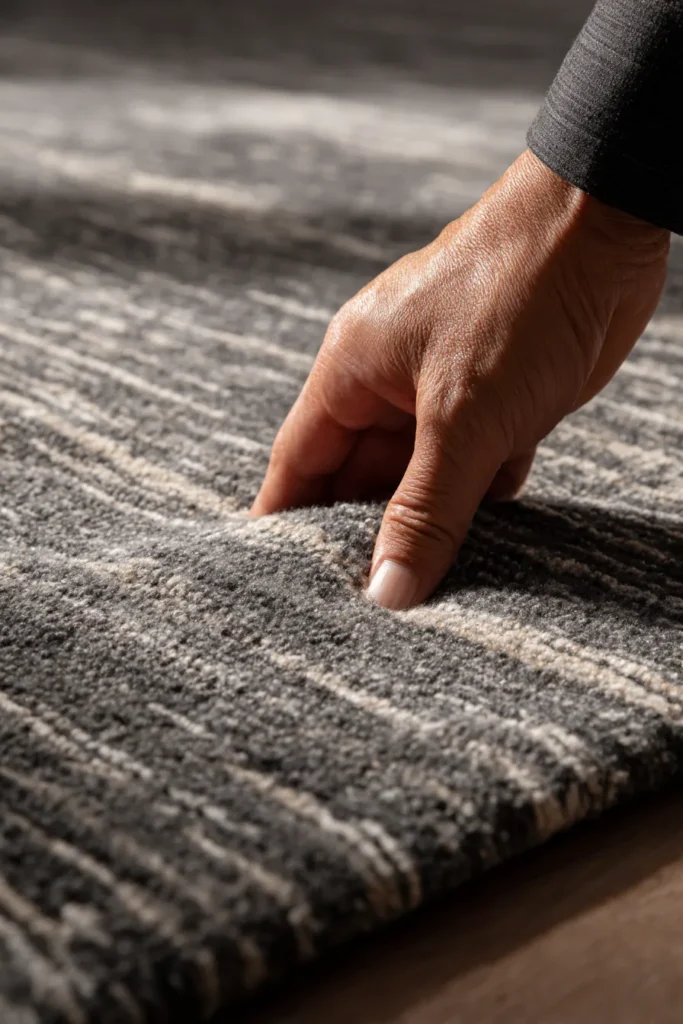
Pile weight matters more than pile height. A dense, shorter pile often wears better and looks more sophisticated than a tall, sparse pile that feels impressive initially but mats down quickly. Press your hand into the rug—it should spring back readily, not compress flat.
Styling Budget Rugs to Look Expensive
Layering for Depth and Interest
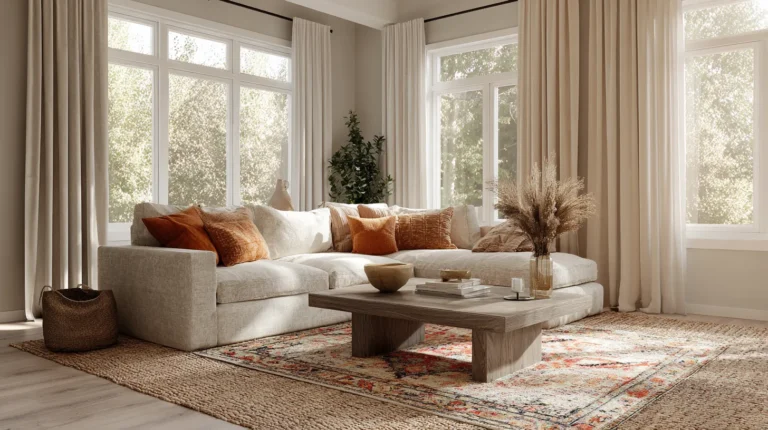
One affordable rug is good. Two layered together create collected, designer-level sophistication. Start with a large, neutral natural fiber base—jute or sisal in the full size your room needs. Layer a smaller patterned or textured rug on top, positioned to define your main seating or dining area.
This approach solves the budget-size dilemma beautifully. Natural fiber rugs run affordable even in large sizes. Your investment patterned rug can be smaller and still make full impact, anchored by the textured foundation beneath. The layering adds visual complexity that reads as intentional, elevated design.
Combine textures purposefully: smooth flatweave under plush sheepskin, chunky jute beneath a silky vintage runner, contemporary geometric over rustic natural fiber. The contrast tells your eye this was curated, not grabbed.
Choosing Patterns and Colors Wisely
Geometric patterns in muted tones photograph as expensive almost universally. Think oversized chevrons in greige and cream, abstract blocks in soft blues and taupes, or simple stripes in natural tones. These patterns hide wear beautifully while maintaining visual interest.
Avoid overly trendy patterns unless you’re committed to refreshing regularly. That Instagram-famous Moroccan diamond trellis might date quickly, while a subtle stripe or tone-on-tone botanical remains timeless. Your budget rug should age gracefully, not scream its era.
Overdyed and faded aesthetics disguise wear and quality variations. A rug that’s deliberately distressed or color-washed looks better as it ages—new wear blends into existing character. This makes them brilliant budget choices for high-traffic areas where pristine perfection is impossible to maintain.
Proper Placement and Proportions
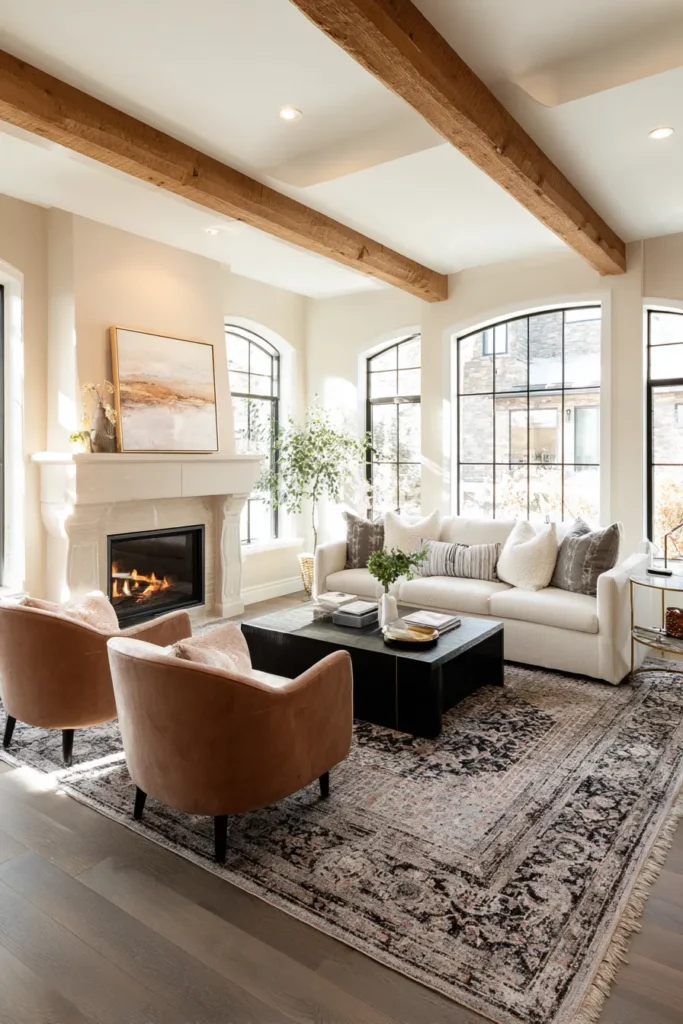
In living rooms, your rug should fit all front furniture legs, or all furniture entirely. Floating furniture with just front legs on the rug creates cohesion without requiring the most expensive large size. Never let your rug look like a postage stamp in the center of your seating area—it cheapens everything.
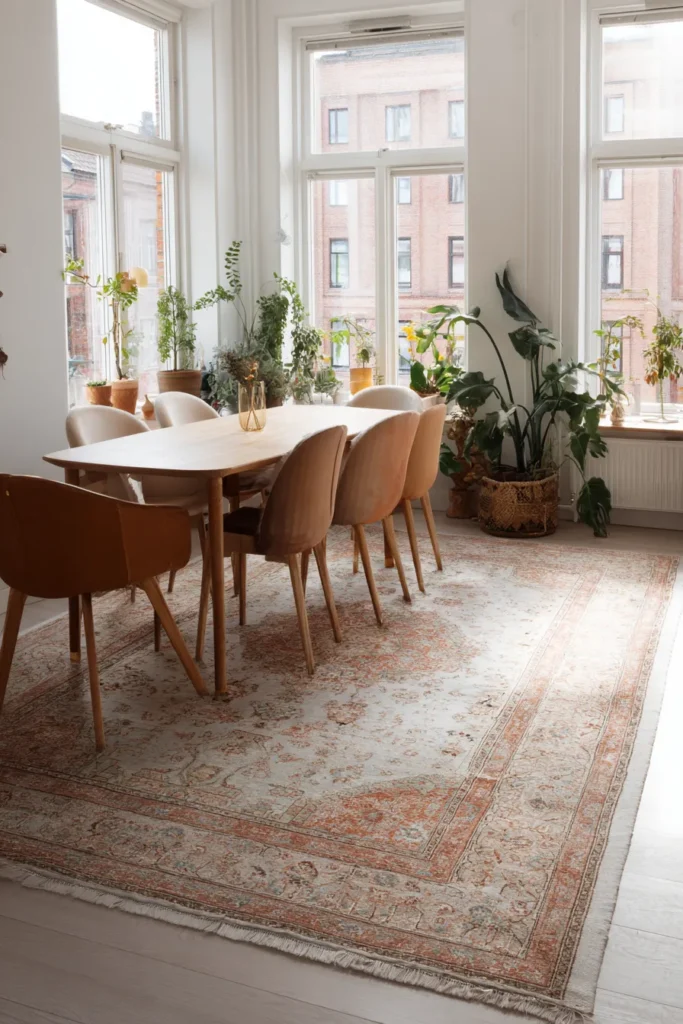
In dining rooms, your rug must extend at least 24 inches beyond the table on all sides to accommodate pulled-out chairs. This isn’t optional. Too-small dining rugs are the quickest way to make a budget rug look budget. If you can’t afford proper sizing, choose a different room to invest in.
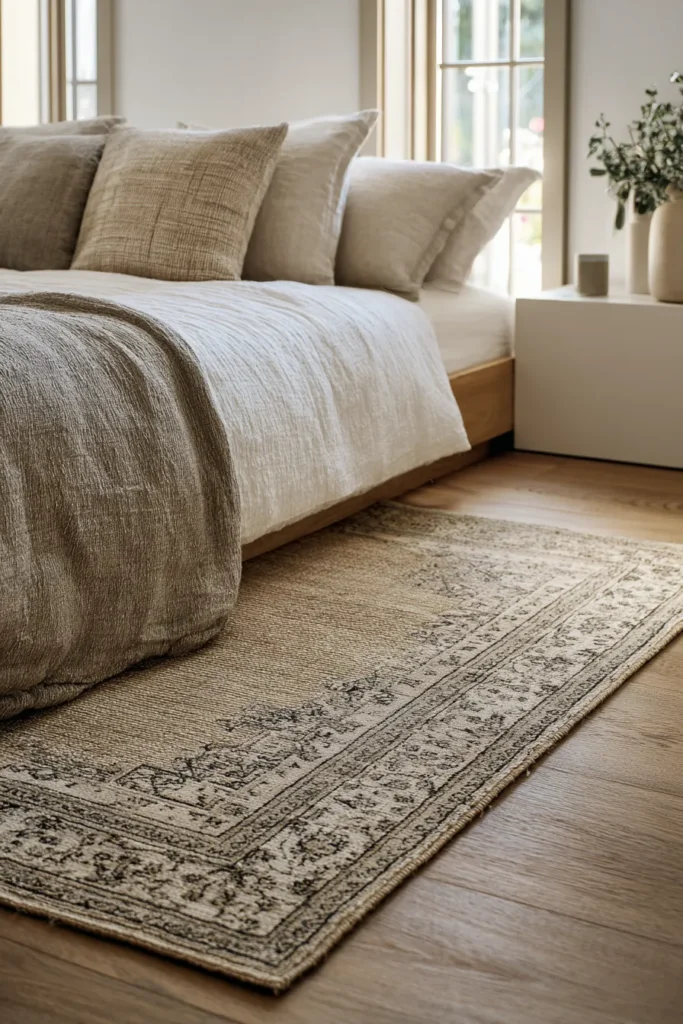
In bedrooms, either go large enough to extend well beyond the bed on three sides, or use runners along each side instead. The middle ground—a small rug peeking out from under the bed—rarely succeeds aesthetically.
The Finishing Touches That Matter
Rug pads are non-negotiable. They prevent slipping, add cushioning, and extend your rug’s life dramatically by reducing wear from friction against flooring. A quality pad costs a fraction of rug replacement and makes even thin rugs feel substantial. This is where you don’t skimp.
Keep edges clean and professional. If your budget rug’s binding shows wear, have it professionally rebound—it’s inexpensive and transformative. Trim loose threads immediately; left alone, they unravel into bigger problems.
Frame your rug with purpose. Pull furniture partially onto it, add a bench or ottoman at one end, or create a dedicated styling moment with a plant stand or sculptural side table. These gestures make the rug feel like part of a designed moment rather than an afterthought filling space.
Care and Maintenance for Longevity
Daily Habits That Preserve Beauty
Vacuum regularly, but correctly. Use the appropriate setting for pile height, and vacuum in the direction of the pile, not against it. For natural fiber rugs, a simple sweeping often works better than aggressive vacuuming, which can break delicate fibers.
Rotate your rugs every six months. This simple act distributes wear evenly and prevents permanent traffic patterns, sun fading, and furniture impressions. When rotation happens consistently, rugs age gracefully rather than developing obvious worn paths.
Address spills immediately. Blot, never rub. Work from the outside in to prevent spreading. For budget rugs without stain treatments, speed is everything. Most materials—even synthetics—will stain if liquids sit long enough to bond with fibers.
Deep Cleaning Approaches
For washable cotton and some synthetic rugs, machine washing works beautifully for seasonal refreshing. Use cold water and gentle cycles, and air dry completely to prevent shrinkage. This capability alone makes washable rugs worthy budget investments for homes with children or pets.
Professional cleaning every few years transforms even affordable rugs. The difference between dingy and fresh is often just a proper cleaning. Many rug cleaning services offer reasonable rates, especially if you deliver and pick up rather than using their transportation service.
Spot cleaning with appropriate solutions maintains appearance between deep cleans. Test any cleaner on an inconspicuous area first. For natural fibers, mild soap and water often suffice. For synthetics, slightly stronger solutions work, but always rinse thoroughly to prevent residue buildup.
Protecting Your Investment
Use furniture coasters under heavy pieces to prevent permanent divots. Move these pieces slightly during rotation to vary pressure points. For wheeled furniture, add protective barriers—even budget rugs deserve defense against preventable damage.
Keep rugs out of direct, sustained sunlight. UV fading happens faster than you think, especially with certain dyes. If your room floods with afternoon sun, rotate more frequently or choose rugs in already-faded or distressed finishes where continued fading becomes part of their story.
Address damage promptly. A small tear becomes a large one; a loose edge unravels quickly. Many repairs cost little—especially compared to replacement—and extend your rug’s life significantly.
Budget-Friendly Rug Brands Worth Knowing
Several brands have built reputations specifically around accessible luxury. While we won’t exhaustively list retailers, knowing where design-focused brands cluster helps your search. Larger home goods retailers often carry surprisingly well-made house-brand rugs alongside designer collaborations.
Direct-to-consumer online brands have revolutionized the industry by cutting out middlemen. These companies often provide detailed specifications, multiple angle photos, and generous return windows. Their reviews are gold—read them carefully for insights on true colors, actual textures, and long-term durability.
Artisan marketplaces connecting you directly with makers offer handmade pieces at prices that eliminate gallery markups. You’re buying from someone who knotted or wove your rug, and that connection often shows in quality. These platforms also frequently offer customization—specific colors, adjusted sizes—at minimal additional cost.
Quick Reference: Budget Rug Success Checklist
- Prioritize texture over pattern for lasting sophistication
- Choose larger sizes in natural fibers, smaller accent rugs in premium materials
- Invest in proper rug pads to extend life and improve feel
- Layer rugs for designer-level depth on a budget
- Shop vintage and secondhand for character and value
- Time purchases around major sales (January, July, Black Friday)
- Verify proper sizing before buying—too small ruins the look
- Select muted, timeless patterns over trendy motifs
- Consider wool blends over pure synthetics when possible
- Rotate rugs bi-annually to distribute wear
- Clean promptly and professionally when needed
- Use furniture coasters and avoid sustained direct sunlight
Bringing It Home
There’s a moment when you unroll a new rug and it transforms your space completely. The room you’ve lived in for years suddenly feels finished, grounded, whole. That moment doesn’t require a luxury budget—it requires intention, patience, and knowing what to look for.
Budget-friendly doesn’t mean settling. It means being strategic about where you invest, what you prioritize, and how you care for what you bring home. It means recognizing that a thoughtfully chosen $200 rug can anchor a room more beautifully than a thoughtless $2,000 purchase.
Trust your eye. Trust your hands. Feel the weight, examine the weave, imagine the rug in your light, under your furniture, living with your life. The perfect rug exists at your budget—it’s simply waiting for you to find it.
And when you do, when you place it just so and step back to see your space transformed, you’ll know: luxury was never about the price tag. It was always about the feeling. Welcome home.
Frequently Asked Questions
How can I make a budget-friendly rug look expensive?
Focus on proper sizing—too-small rugs always read as cheap—and layer textures for depth. Add a quality rug pad for substance, choose muted sophisticated colors over bright trendy ones, and ensure clean professional edges. Styling matters enormously: position furniture purposefully on the rug, keep edges clean, and rotate regularly to prevent obvious wear patterns.
What materials are ideal for budget-friendly contemporary rugs?
Jute and cotton offer excellent natural fiber options at accessible prices. High-quality polypropylene provides durability and stain resistance, while wool blends deliver wool’s softness at reduced cost. For bedrooms and low-traffic spaces, viscose creates silk-like luxury affordably. Avoid materials that feel plasticky or overly shiny—seek matte finishes and varied textures instead.
Where can I find handmade rugs without overspending?
Explore online artisan marketplaces that connect you directly with makers, eliminating gallery markups. Vintage and secondhand sources offer genuine handmade rugs at prices below new machine-made pieces. Watch for sample sales and discontinued patterns from established brands, and consider smaller handmade accent rugs rather than large handmade room rugs to fit your budget.
How do I choose the right rug size for different rooms?
In living rooms, all furniture front legs should rest on the rug, or all pieces entirely. Dining room rugs need 24 inches beyond the table perimeter to accommodate pulled chairs. Bedrooms work best with rugs extending well past the bed on three sides, or runners flanking each side. When budget is tight, properly size one room rather than under-sizing multiple spaces.
How do I maintain budget-friendly rugs to keep them looking luxurious?
Vacuum regularly in the pile’s direction using appropriate settings. Rotate every six months to distribute wear and sun exposure evenly. Address spills immediately by blotting from outside in. Invest in professional deep cleaning every few years—it dramatically refreshes appearance. Use furniture coasters under heavy pieces and keep rugs from sustained direct sunlight to prevent fading and indentations.