
Table of Contents
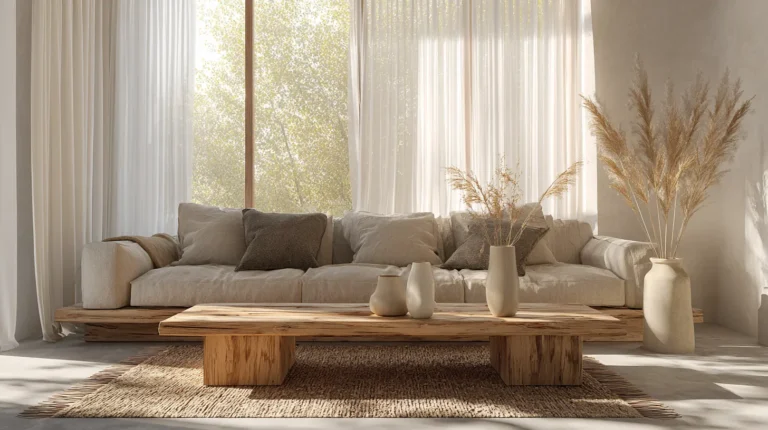
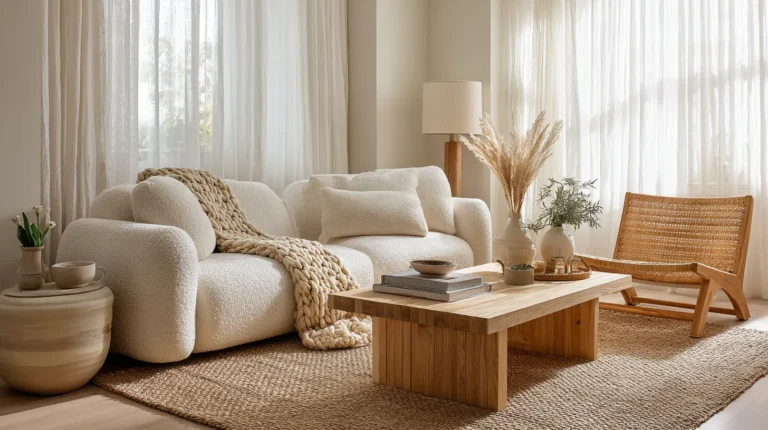
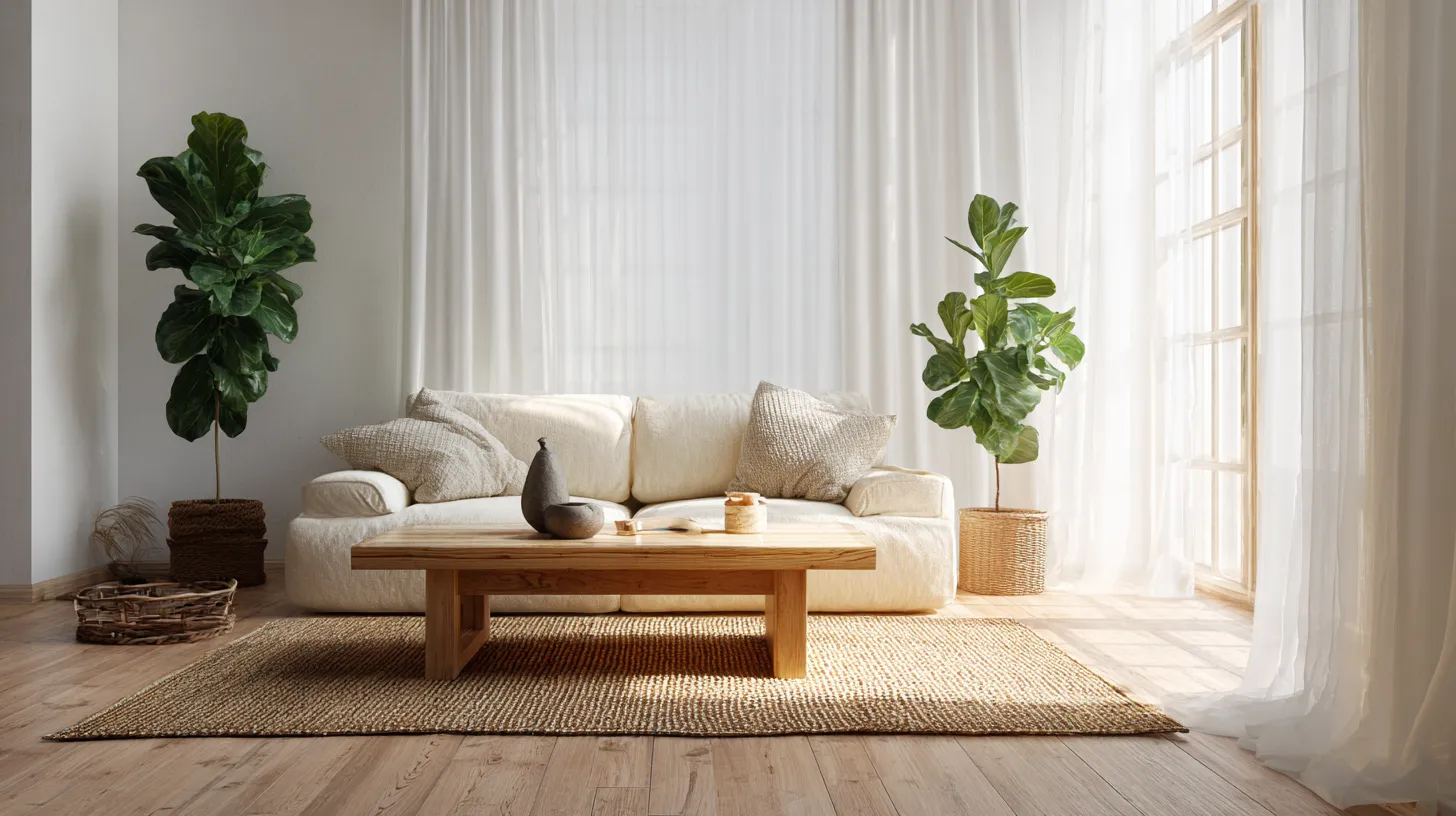
There’s something quietly powerful about walking into a room that breathes. Light spills across pale oak floors, a linen sofa catches the afternoon glow, and every piece feels intentional yet effortless. This is the essence of Japandi living room furniture for apartments—a design philosophy that marries Japanese minimalism with Scandinavian warmth to create spaces that calm the mind and serve daily life.
In compact apartment living, every square foot matters. Japandi style answers this challenge not with compromise, but with thoughtful curation. Low-profile furniture opens sightlines. Multipurpose pieces work twice as hard. Natural materials like walnut and bamboo bring texture without visual weight.
If you’ve been searching for a way to make your small living room feel both spacious and deeply comforting, Japandi might be your answer. It’s not about perfection—it’s about harmony. The Danish concept of hygge (cozy contentment) meets the Japanese principle of wabi-sabi (finding beauty in imperfection), creating interiors that feel like a gentle exhale after a long day.
Let’s explore how to bring this serene aesthetic into your apartment, one thoughtful choice at a time.
What Is Japandi Style Furniture for Apartments?
Japandi furniture represents a cross-cultural conversation between two design traditions that share a love of simplicity and natural materials. At its core, this style embraces low-profile silhouettes that make rooms feel taller and more open—essential for apartments where ceiling height is your friend.
Think platform sofas that sit closer to the ground, coffee tables with clean-lined oak frames, and storage solutions that tuck seamlessly into corners. These pieces aren’t just beautiful; they’re inherently space-conscious. A nested side table set can expand when guests arrive and disappear when you need floor space for yoga or play.
The material palette stays firmly rooted in nature: white oak, walnut, bamboo, rattan, linen, cotton, and stone. You won’t find glossy finishes or synthetic textures here. Instead, Japandi celebrates the honest grain of wood, the slub of hand-woven fabric, the cool touch of ceramic. These materials age gracefully, developing character over time rather than showing wear.
How to Create a Japandi Living Room in a Small Apartment
Start with Space Optimization
Creating a Japandi living room in a small apartment begins with seeing your space through fresh eyes. Before you shop for a single piece of furniture, map out your floor plan. Identify natural traffic paths and protect them—cramped walkways destroy the sense of calm you’re working to create.
Choose furniture with built-in storage whenever possible. An ottoman that opens to reveal blanket storage, a coffee table with lower shelf space, or a TV console with concealed cabinets—these dual-purpose pieces maintain clean surfaces while hiding daily clutter. The Japandi aesthetic thrives on visual quiet, which means belongings need dedicated homes.
Consider vertical space your secret weapon. Floating shelves in light wood draw the eye upward without the visual bulk of a bookcase. Wall-mounted planters save precious floor space while bringing in the greenery essential to both Japanese and Scandinavian design traditions.
Select Low-Profile, Multifunctional Pieces
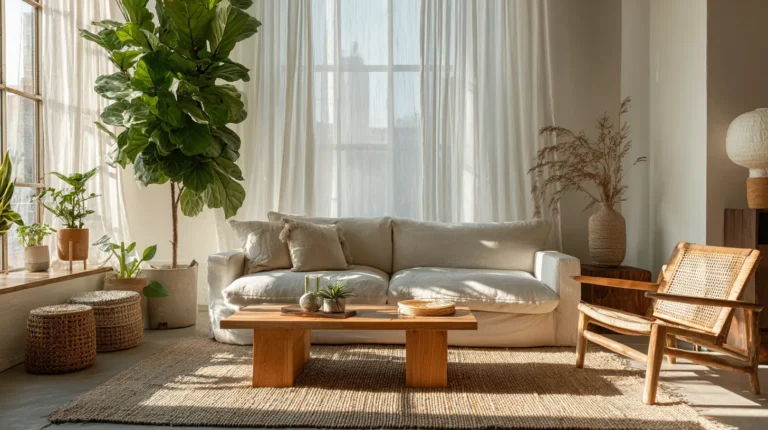
The best Japandi furniture for small living rooms works harder than conventional pieces. A platform sofa in natural linen can anchor your space without overwhelming it—look for designs with clean lines and exposed wooden legs that create visual lightness. Avoid overstuffed sectionals that eat square footage.
Your coffee table should feel substantial yet streamlined. A low-slung rectangular table in oak or walnut with minimal ornamentation serves perfectly. Some designs incorporate a lower tier for magazine storage, keeping tabletops clear. If your apartment lacks a dedicated dining area, consider a coffee table that rises to dining height—a clever Japanese innovation.
Modular shelving systems offer flexibility as your needs change. Start with a few cubes for display and storage, then expand vertically or horizontally when you move to a larger space. Choose designs in light woods that blend rather than dominate.
Embrace the Neutral Palette with Organic Accents
Japandi living rooms flow in a spectrum of warm neutrals: cream, beige, soft gray, gentle taupe, and the natural tones of unstained wood. This restrained palette creates a visual through-line that makes small spaces feel cohesive and larger than their measurements suggest.
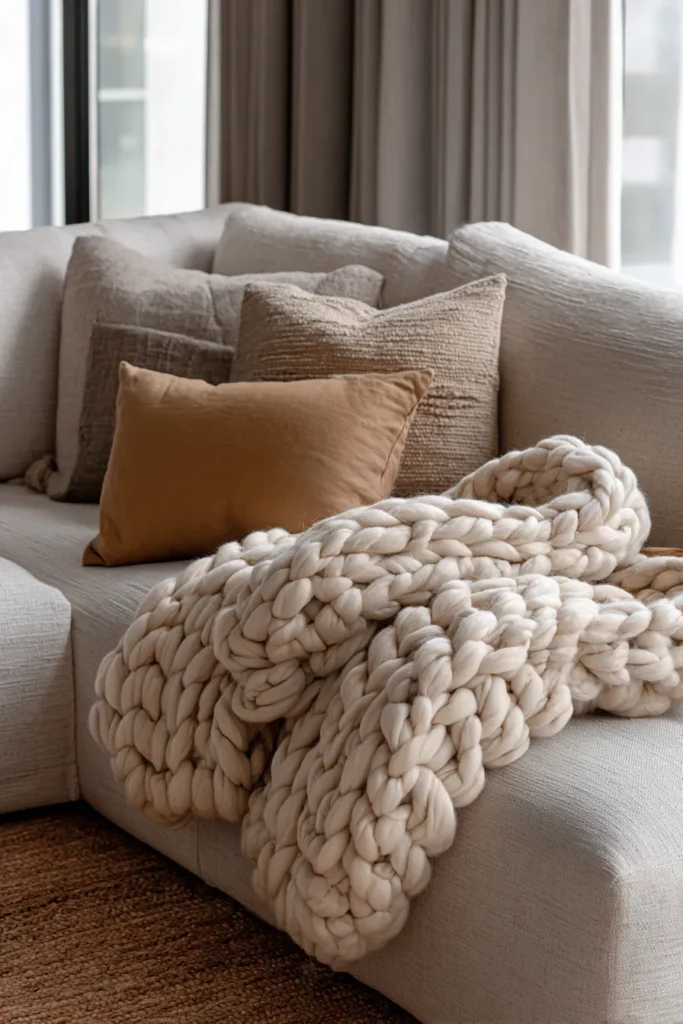
Layer in texture to prevent neutrals from feeling flat. A chunky knit throw in undyed wool, linen curtains that pool slightly at the floor, a jute rug with subtle pattern variation—these elements add depth without color. The play of matte and natural sheen (like brushed wood against smooth ceramic) creates interest through tactile contrast rather than visual noise.
Introduce muted accent colors sparingly: dusty rose, sage green, warm terracotta. These appear in a single cushion, a small vase, or artwork—never in large doses. The goal is punctuation, not exclamation.
Essential Japandi Furniture Pieces for Apartment Living Rooms
The Japandi Sofa: Foundation of Comfort
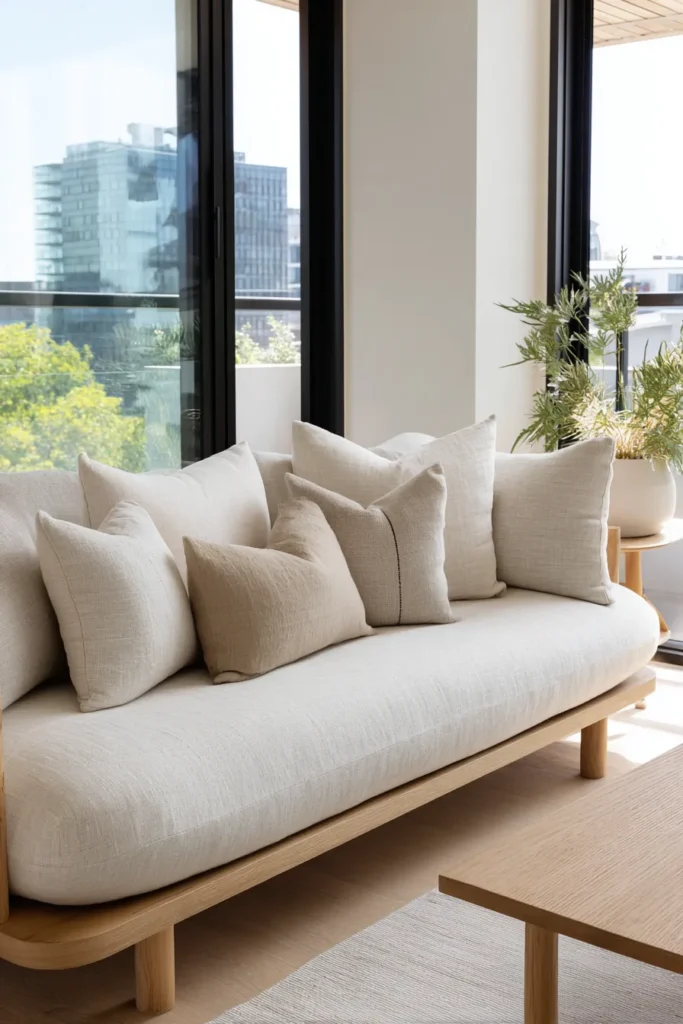
Your sofa is the gravitational center of the living room, so choose wisely. Japandi sofas typically feature low wooden frames in oak or walnut with cushions upholstered in natural linen or cotton blends. Look for designs with exposed legs—this creates negative space beneath the sofa that tricks the eye into perceiving more room.
For small apartments under 500 square feet, a two-seater sofa (70-75 inches) often serves better than a cramped three-seater. If you regularly host overnight guests, consider a sofa bed in Japandi styling—brands now offer sleeper sofas with the clean lines and quality materials this aesthetic demands.
Avoid leather (too sleek and Western) and bold patterns (too visually busy). The ideal Japandi sofa disappears into the background while providing exceptional comfort. Test cushion firmness—Japanese design traditionally favors slightly firmer seating that supports good posture.
The Coffee Table: Functional Centerpiece
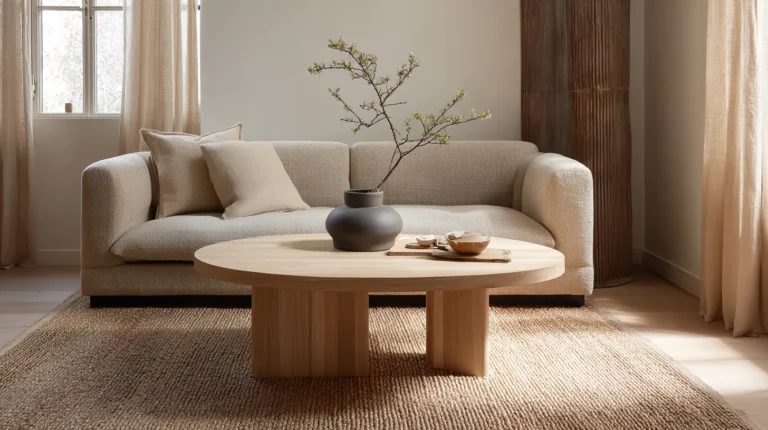
A Japandi coffee table bridges the gap between sculpture and utility. The classic choice features a solid wood top (oak, walnut, or ash) with minimalist legs—often tapered or straight, never ornate. Rectangular shapes maximize surface area in narrow rooms, while round tables soften angular spaces.
Height matters in Japandi design. Look for coffee tables that sit 14-16 inches tall—lower than conventional Western tables. This proportion feels more grounded and works beautifully with low-profile sofas. Some designs incorporate a subtle shelf beneath the tabletop for books or a small tray.
For truly compact apartments, consider nested coffee tables. Two or three tables in graduating sizes can spread out when needed and stack when you want maximum floor space. Choose coordinating woods for a cohesive look.
Storage Solutions That Disappear
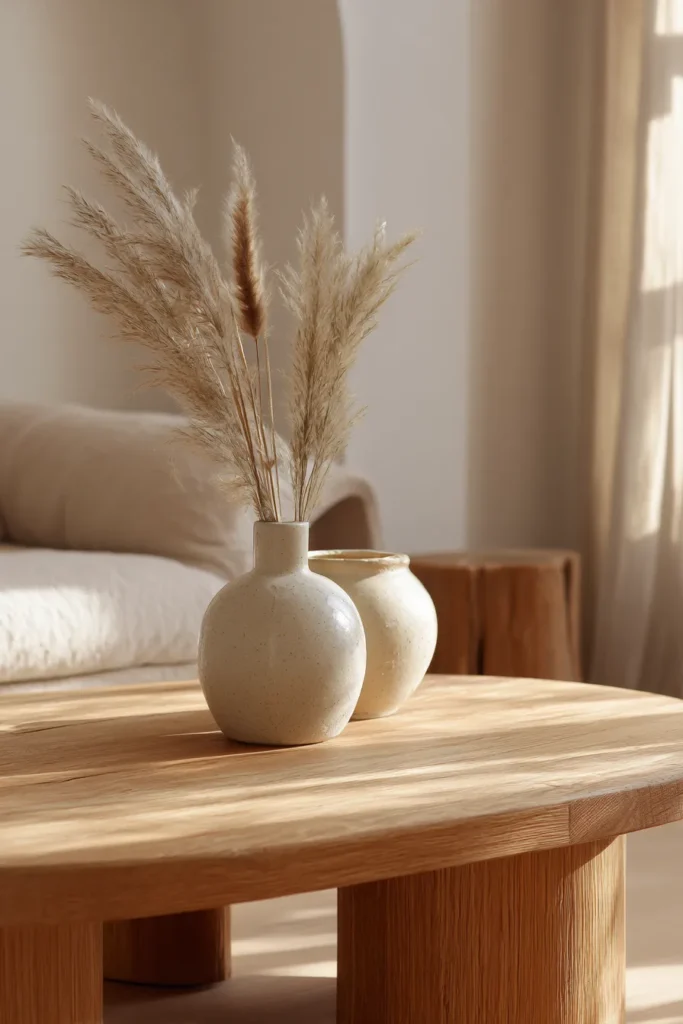
The Japandi approach to storage follows the principle of concealment through beauty. Rather than hiding storage behind closed doors in dark corners, integrate it as part of your design language. A low wooden sideboard with sliding doors (a nod to Japanese fusuma) can hold media equipment, books, and miscellaneous items while serving as a surface for plants and art.
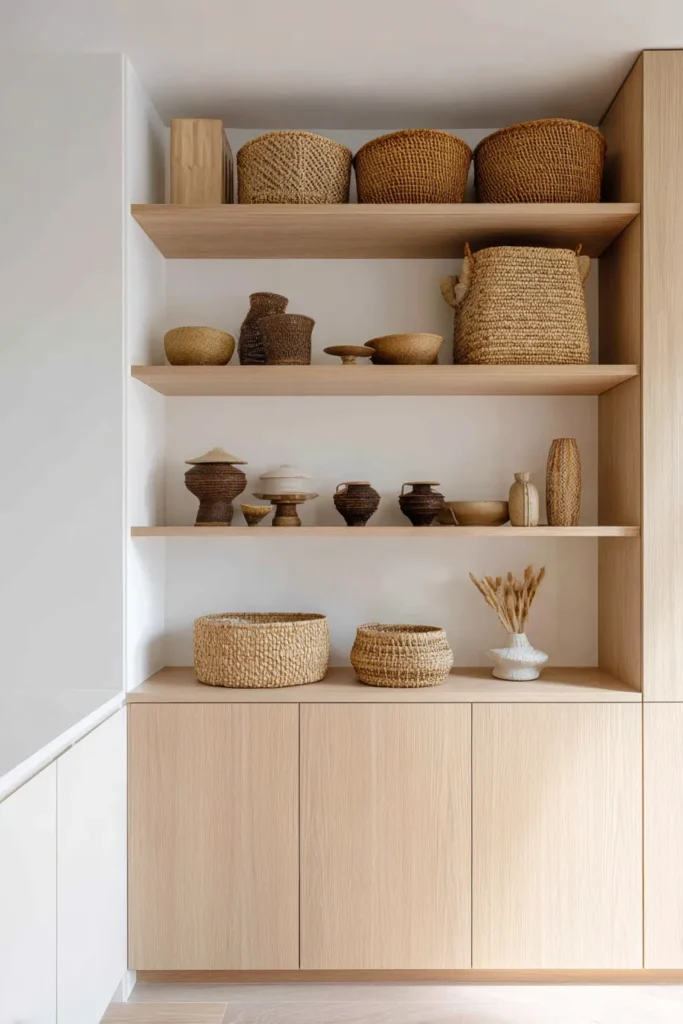
Floating cabinets in light wood keep floors clear—essential for small spaces—while providing ample storage. Install them at various heights to create visual rhythm. Open shelving should display only carefully curated items: a few pottery pieces, a small plant, a stack of three favorite books. Resist the urge to fill every surface.
Consider furniture with hidden storage: benches that lift to reveal interiors, ottomans with removable tops, beds with under-frame drawers if your living room does double duty as a bedroom in a studio apartment.
Accent Seating: Layering Options
Every Japandi living room benefits from accent seating beyond the primary sofa. A pair of lightweight armchairs in natural materials offers flexibility—move them into conversation clusters or tuck them aside when not needed. Look for designs with slim profiles and exposed wooden frames.
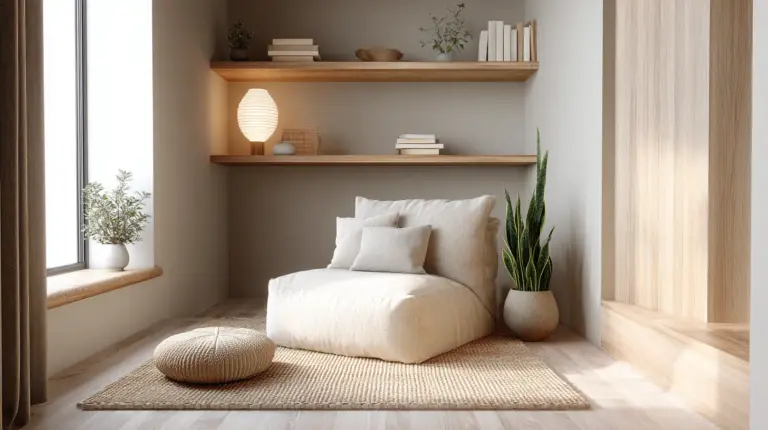
Floor cushions provide additional seating without permanent commitment to floor space. Large square cushions (24-26 inches) in neutral linens can be stacked in a corner when not in use. This also adds a distinctly Japanese element to the room—floor seating encourages a lower, more relaxed perspective.
A wooden bench with a thin cushion works wonderfully along a wall or under a window. It provides seating, can serve as a coffee table alternative, and offers a landing spot for bags and groceries when you enter. Choose simple mortise-and-tenon construction that celebrates joinery as design.
Material Selection Guide for Japandi Living Room Furniture
| Material | Japandi Application | Benefits for Apartments | Care Considerations |
|---|---|---|---|
| White Oak | Coffee tables, shelving, sofa frames | Light color reflects light; durable; ages beautifully | Occasional oiling; protect from water rings |
| Walnut | Accent tables, storage cabinets | Rich tone adds warmth; luxurious feel | More expensive; dust regularly |
| Bamboo | Side tables, plant stands, storage baskets | Sustainable; lightweight; adds texture | Avoid excessive moisture |
| Linen | Sofa upholstery, cushion covers, curtains | Breathable; softens over time; natural texture | Wrinkles easily (embrace it); spot clean |
| Rattan/Wicker | Chairs, storage baskets, room dividers | Brings organic curves; visually lightweight | Vacuum to prevent dust in crevices |
| Ceramic/Stoneware | Vases, planters, decorative objects | Handmade quality; earthy tones | Handle carefully; wipe with damp cloth |
Prioritizing Sustainable and FSC-Certified Wood
True Japandi design respects the natural world through material choices. When selecting furniture, seek out pieces made from FSC-certified wood—meaning the timber comes from responsibly managed forests. This certification ensures your oak coffee table or walnut shelving contributes to forest health rather than depletion.
Many contemporary furniture makers highlight their sustainable practices. Look for brands that use water-based finishes rather than harsh chemical stains, or pieces finished with natural oils that allow wood to breathe. Bamboo grows rapidly and regenerates quickly, making it an environmentally sound choice for furniture frames and accents.
Buying quality over quantity also aligns with Japandi values. One well-made sofa that lasts fifteen years has far less environmental impact than three cheap sofas that fail and end up in landfills. The initial investment pays dividends in both longevity and daily satisfaction.
Lighting Ideas for Japandi Living Rooms in Apartments
Layering Natural and Ambient Light
Lighting in Japandi spaces mimics the soft, diffused quality of northern light. In apartments where you can’t always control natural light exposure, thoughtful layering makes all the difference. Start with sheer linen curtains that filter harsh sun into a gentle glow while maintaining privacy.
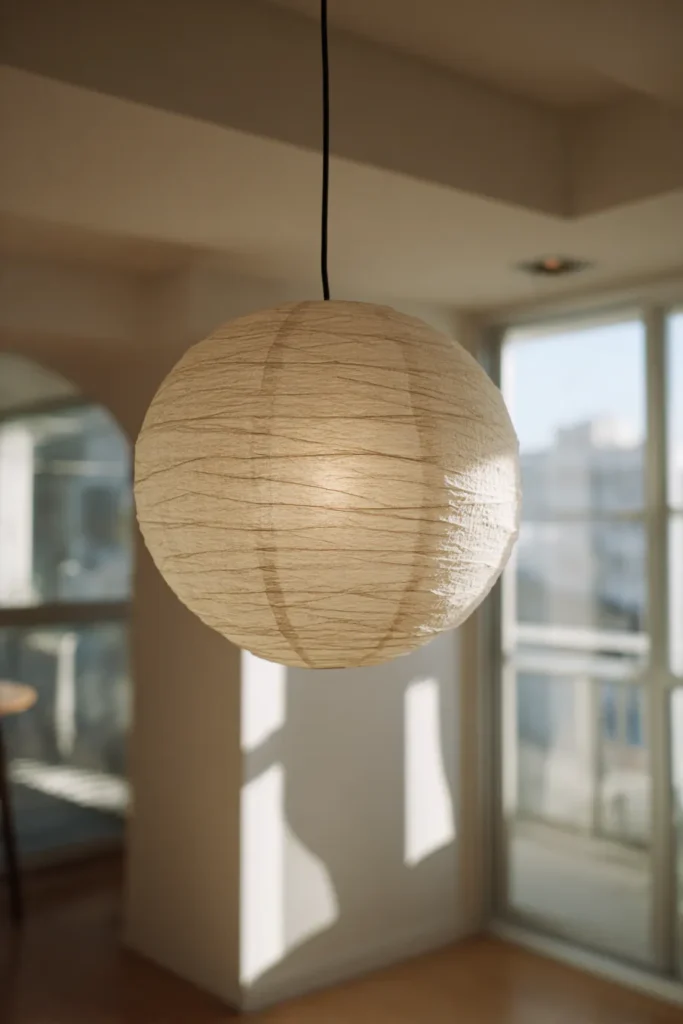
Add washi paper pendant lights for overhead illumination. These Japanese-inspired fixtures cast warm, even light without glare. Choose simple geometric shapes—spheres, cylinders, or rectangular lanterns—in neutral tones. Avoid ornate fixtures or colored glass that disrupts the calm aesthetic.
Floor lamps with wooden tripod bases and linen shades provide task lighting for reading corners. Position them behind the sofa or beside an armchair to create pools of warm light in the evening. Dimmer switches throughout the space allow you to adjust ambiance from bright and energizing to soft and restful.
Strategic Placement for Small Spaces
In compact apartments, lighting serves double duty as space enhancer. Place lamps in corners to push perceived boundaries outward. Use uplighting (a small lamp on a low shelf aimed at the ceiling) to bounce light and make rooms feel taller.
Avoid central overhead lighting as your sole source—it flattens space and creates harsh shadows. Instead, distribute light sources throughout the room at varying heights: a pendant at medium height, a table lamp on the sideboard, a floor lamp in the corner. This creates depth and dimension.
Consider smart bulbs in Japandi-compatible fixtures. Warm white light (2700-3000K) supports the cozy aesthetic, and the ability to adjust brightness without installation suits renter life perfectly. Some systems allow you to program gradual brightening in the morning and dimming in the evening, supporting natural circadian rhythms.
Renter-Friendly Japandi Apartment Hacks
No-Permanent-Modification Solutions
Creating a Japandi living room shouldn’t require drilling holes or making irreversible changes. Peel-and-stick wood accent panels can transform a bland rental wall into a warm wood-tone feature without damage. Choose light oak or maple tones and apply them to one wall behind the sofa for instant architectural interest.
Freestanding room dividers in woven rattan or wooden slats define spaces in studio apartments without permanent installation. They bring Japanese shoji screen energy while remaining completely portable. Use them to separate sleeping areas from living spaces or to hide work-from-home setups after hours.
Removable wallpaper in subtle textures (linen weave, grasscloth effects, or minimal geometric patterns) adds depth to walls without paint. Apply it to a single accent wall or use it to line the back of open shelving for a custom built-in look.
Furniture Arrangement for Flexibility
Arrange furniture to maximize flexibility and flow. Float your sofa away from walls—even just 12 inches—to create a sense of spaciousness. Use the space behind for a narrow console table with lamps and plants. This “breathing room” makes even small apartments feel less cramped.
Invest in furniture with casters or lightweight pieces you can easily rearrange. Your living room might serve multiple functions: relaxation zone, dining area, home office, yoga space. Modular furniture and pieces that roll or lift allow you to adapt the space to each need without strain.
Create distinct zones using rugs rather than walls. A jute area rug defines the living area, while a smaller runner might delineate a dining nook. This visual separation helps small spaces feel organized without physical barriers that block light and airflow.
Budget Breakdown: Japandi Living Room Furniture Under $2000
The $500 Starter Setup
If you’re furnishing your first Japandi apartment living room on a tight budget, prioritize these essentials: a quality sofa ($300-400 from IKEA’s linen-upholstered lines), a simple coffee table ($80-120 in light wood or bamboo), and a large floor cushion for additional seating ($30-50). Allocate remaining budget to a table lamp ($40-60) and a jute rug ($60-80).
Focus on natural materials over brand names. Thrift stores and estate sales often yield mid-century wooden furniture that aligns beautifully with Japandi aesthetics—sand down and oil a vintage walnut side table for a fraction of retail cost. Facebook Marketplace and Craigslist frequently list quality pieces from people downsizing.
DIY elements where possible: make your own cushion covers in neutral linen, refinish a worn wooden bench, or create simple floating shelves from oak boards and minimalist brackets. Your labor investment keeps costs low while ensuring pieces have the handmade quality Japandi celebrates.
The $1000 Mid-Range Collection
A moderate budget allows for better quality and more complete furnishing. Invest in a solid wood sofa frame with natural upholstery ($600-700), a substantial coffee table in oak or walnut ($200-250), two matching side tables or nesting tables ($120-150 total), and a storage cabinet or shelving unit ($150-200). Reserve funds for lighting—a washi pendant lamp ($80-100) and a floor lamp ($60-80).
At this tier, seek out sustainable furniture brands offering FSC-certified pieces. West Elm’s mid-range collections often feature Japandi-appropriate designs, and their sale sections can yield significant savings. Article and Burrow offer modern furniture with clean lines suitable for this aesthetic.
Add textiles to complete the space: a chunky knit throw ($40-60), linen cushion covers ($30-50 for a set), and natural fiber curtains ($60-80). These layers transform functional furniture into a cohesive, inviting environment.
The $2000 Complete Living Room
With a full budget, you can create a truly elevated Japandi living room. Allocate $1000-1200 for a high-quality sofa in solid wood with premium linen or cotton upholstery. Spend $300-400 on a statement coffee table—perhaps a live-edge walnut piece or a handcrafted design from a local woodworker. Include $200-250 for accent seating (a pair of simple chairs or a beautiful bench).
Dedicate $200-250 to storage solutions that combine function and beauty—a low sideboard with sliding doors or a modular shelving system. Invest $150-200 in layered lighting: a quality pendant, a sculptural floor lamp, and perhaps a pair of matching table lamps. The remaining $150-200 covers textiles, plants, and carefully chosen decorative objects.
At this level, you’re building a foundation that will serve you through multiple moves and living situations. Quality furniture appreciates in value—both monetarily and emotionally—as it accompanies you through life stages.
Acoustic Solutions for Noisy Urban Apartments
Soft Surfaces That Absorb Sound
One overlooked aspect of Japandi living room design is its natural noise-dampening qualities. The abundant textiles—linen curtains, wool rugs, cotton cushions—absorb sound that hard surfaces would reflect. In urban apartments where street noise, neighbor activity, or building systems create constant background sound, these soft materials bring acoustic relief.
Maximize sound absorption by layering textiles strategically. Hang full-length linen curtains even if you have blinds—the fabric layer softens window noise. Choose a thick jute or wool rug that extends under all main furniture pieces. Add cushions and throws generously to your sofa. These aren’t merely decorative—they’re functional sound barriers.
Consider acoustic panels disguised as art. Several companies now produce sound-absorbing wall panels wrapped in natural linen or wool felt. Mount them in neutral tones as a textured wall installation. They blend seamlessly with Japandi aesthetics while reducing echo and outside noise.
Furniture Placement for Sound Control
Strategic furniture arrangement also impacts sound. Position your sofa and storage units against walls that adjoin noisy neighbors—the furniture mass creates an additional sound barrier. Bookcases filled with books are particularly effective; paper absorbs sound wonderfully.
If street noise enters through windows, create a furniture barrier. A deep windowsill with plants or a low bench positioned beneath the window adds mass between you and the noise source. Floor lamps and tall plants in corners also help disrupt sound waves traveling along walls.
In studio apartments where bedroom and living areas share space, use a substantial room divider—a woven screen or a shelving unit—to create acoustic separation. This physical barrier, combined with a white noise machine or small fountain, helps define quieter zones for sleep or focus.
Smart Home Integration for Japandi Living Rooms
Technology That Stays Invisible
Japandi design and smart technology can coexist beautifully when approached thoughtfully. The key is selecting devices that disappear or integrate rather than dominate. Choose smart bulbs for your existing Japandi-style lamps rather than adding futuristic-looking smart fixtures. Control lighting from your phone without visible tech clutter.
Wireless speakers in natural materials or neutral colors blend into Japandi spaces. Several brands now offer fabric-wrapped speakers in muted tones that read as decorative objects rather than electronics. Position them on shelving among pottery and plants for invisible sound quality.
Hide cables meticulously. Use cable management boxes in light wood tones, route cords behind furniture, or run them through hollow furniture legs. The Japandi aesthetic depends on visual calm—a tangle of black cords destroys the effect instantly.
Functional Tech for Small Space Living
Smart furniture makes particular sense in compact apartments. A coffee table with built-in wireless charging keeps phone cables off surfaces. LED strip lights with motion sensors beneath sofas provide gentle nighttime navigation lighting without switches. Smart plugs allow you to schedule lamps to turn on before you arrive home, creating instant coziness.
Consider a small smart display for controlling home systems, but treat it like you would a TV—acknowledge it as necessary tech, then minimize its presence. Mount it on a wall painted the same color, or position it where it’s useful but not central to sight lines.
Voice assistants can reduce physical devices—you need fewer remotes and wall switches—but choose models with fabric covers in neutral tones. Place them on shelves where they’re functional but not focal points.
Seasonal Adaptability: Hygge Layers for Winter
Transforming Your Space with Textiles
One of Japandi design’s greatest strengths is its seasonal adaptability—particularly important in apartments where you can’t change architectural elements. As cold weather arrives, layer in hygge-inspired textiles that make your living room feel like a warm embrace.
Add a second throw in chunky undyed wool to your sofa. Drape it casually over the back or arm for easy grab-and-wrap comfort. Switch summer’s lightweight linen cushions for heavier cotton-linen blends or even soft leather accent pillows (used sparingly, leather can work in Japandi spaces as a natural material).
Exchange your lightweight summer curtains for heavier linen or add thermal liners behind existing curtains. This practical change also transforms light quality—thicker curtains diffuse winter’s low-angle light beautifully while reducing drafts from windows.
Lighting and Warmth for Darker Months
Winter demands adjusted lighting strategies. Increase the number of light sources to compensate for shorter days. Add a string of warm white fairy lights (hide them along a shelf top or behind plants) for a gentle background glow. Introduce candles in simple holders—unscented or subtly fragranced with sandalwood or hinoki cypress.
If your apartment allows, a small tabletop electric fireplace in black steel provides both visual warmth and supplemental heat. Choose the simplest design available—no fake logs or flickering orange lights, just clean lines and gentle warmth. Position it on a low console or hearth-height table.
Bring in seasonal branches—bare pussy willow stems or pine boughs in a simple ceramic vase add organic life without the maintenance of houseplants. These temporary elements connect your space to the season while maintaining the Japandi love of natural materials.
Accessibility Features in Japandi Design
Low-Threshold Furniture for Mobility
Japandi’s preference for low-profile furniture creates inherently accessible spaces. The lower seat heights—typically 16-18 inches compared to standard 18-20 inches—require less effort to stand from and sit into. This benefits everyone, particularly older adults or people with mobility limitations.
Choose armchairs with sturdy wooden arms that provide secure grip points for sitting and rising. Avoid overly soft, sinking cushions that make standing difficult. Japandi’s preference for firmer, more supportive seating naturally accommodates this need.
Ensure furniture legs are substantial enough to safely support someone using them for balance during transitions. Delicate hairpin legs might be trendy, but solid wooden legs in medium thickness (2-3 inches square) provide stability without looking institutional.
Clear Pathways and Intuitive Layouts
The Japandi emphasis on minimal furniture and clear floor space creates naturally navigable rooms. Maintain at least 36-inch-wide pathways between furniture groupings—this accommodates wheelchairs, walkers, and anyone who needs extra maneuvering space.
Avoid area rugs with high edges that create tripping hazards. Choose flat-woven jute or cotton rugs, or ensure any rug pad prevents shifting and curling. If you use a shag rug for texture, select low-pile versions (under 1 inch) that don’t impede mobility devices.
Position frequently used items—remotes, reading glasses, water bottles—on easily reached surfaces. Japandi’s aesthetic preference for tidy surfaces actually supports this: designate a beautiful wooden tray on your coffee table for essentials. Everything has a place; everything remains accessible.
Checklist: Essential Elements for Your Japandi Apartment Living Room
Creating a cohesive Japandi living room becomes manageable when you approach it systematically. Use this checklist to ensure you’ve covered the foundational elements:
Furniture Foundations:
- Low-profile sofa in natural linen or cotton (neutral tone)
- Coffee table in solid wood with minimal ornamentation
- Accent seating (armchairs, floor cushions, or bench)
- Storage solution with concealed organization (sideboard or shelving)
- Side tables or nesting tables for flexibility
Material & Texture Layers:
- Large natural fiber rug (jute, sisal, or wool)
- Linen or cotton curtains in light-filtering fabric
- Throws in chunky knit or natural weave
- Mix of cushions in varying textures
- Wood tones in both light (oak) and medium (walnut)
Lighting Strategy:
- Overhead pendant in washi paper or simple linen
- Floor lamp with wooden base and natural shade
- Table lamp for task lighting
- Candles in simple holders for ambiance
- Dimmer switches or smart bulbs for control
Organic Elements:
- Minimum three living plants in ceramic or terracotta pots
- Natural branches or dried elements in simple vases
- Wood or stone decorative objects (keep to 3-5 pieces)
- Natural woven baskets for hidden storage
Finishing Touches:
- Minimal wall art (1-3 pieces maximum)
- A single statement object that brings you joy
- Hidden cable management for all electronics
- Scent element (incense, essential oil diffuser, or candles)
Conclusion
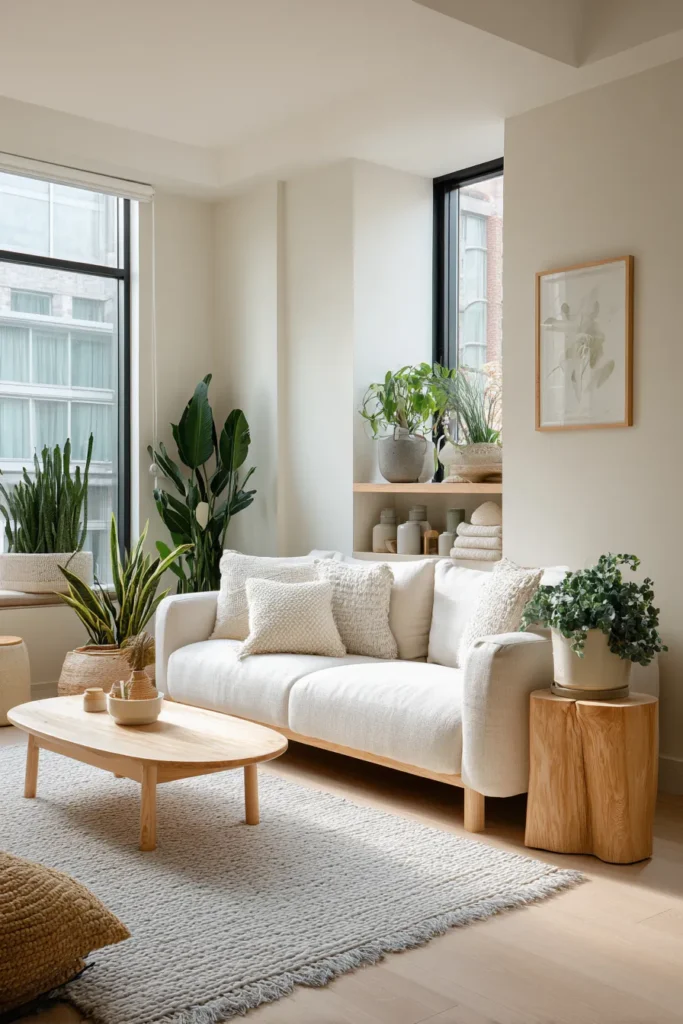
Creating a Japandi living room in your apartment isn’t about following rigid rules or achieving magazine perfection. It’s about cultivating a space that holds you gently at the end of long days—a room that breathes with natural materials, works efficiently within your square footage, and reflects the quiet beauty of intentional living.
Every piece you bring into your home should earn its place through function, beauty, or both. The low wooden coffee table that anchors your seating area. The linen throw that softens your evening reading ritual. The ceramic vase holding a single branch that connects you to the season. These choices accumulate into something greater than their sum—an environment that supports how you actually live, not how you think you should.
Start small if you need to. Replace one element at a time. Let your Japandi living room evolve as you learn what your space needs and what your soul responds to. There’s no finish line, only the ongoing practice of curating a home that feels like peace.
May your living room become a sanctuary—a place where you can settle into yourself, where natural light traces patterns across honest materials, where simplicity doesn’t mean sacrifice but rather a richness that runs deeper than abundance. This is the gift of Japandi: the understanding that less can indeed be more, and that home is not a showplace but a soft place to land.
Frequently Asked Questions
What is the difference between Japandi and Scandinavian style for apartments?
Japandi incorporates Japanese principles of minimalism and wabi-sabi (embracing imperfection) with Scandinavian hygge (cozy contentment). While both use neutral palettes and natural materials, Japandi tends toward lower furniture profiles, darker wood tones like walnut alongside light oak, and more restrained decoration. Scandinavian design often includes slightly brighter whites and occasional pops of color. In apartments, Japandi’s lower furniture makes spaces feel taller.
Can I create a Japandi living room on a budget under $1000?
Absolutely. Focus on natural materials over brand names—thrift vintage wooden furniture, buy linen textiles from affordable retailers, and DIY elements like cushion covers. Prioritize a quality neutral sofa (check IKEA’s natural fabric lines), add a simple wooden coffee table, include plants in basic pots, and layer affordable jute rugs and cotton throws. Your investment of time in sourcing and DIY work substitutes for higher budget.
What are the best Japandi furniture pieces for apartments under 500 square feet?
For very small spaces, prioritize multipurpose pieces: a sofa bed in linen for sleeping and seating, nesting coffee tables that expand or contract, a storage ottoman that provides both seating and hidden organization, floating shelves instead of bookcases, and a dining table that folds against the wall. Choose furniture with exposed legs to create visual lightness, and avoid sectionals or oversized pieces that dominate.
How do I incorporate color into a Japandi living room without breaking the aesthetic?
Introduce color through muted, nature-inspired tones: dusty rose, sage green, soft terracotta, or warm rust. Keep these to small doses—a single cushion, a ceramic vase, or a piece of simple wall art. Avoid bright or saturated colors. The goal is subtle punctuation rather than bold statement. Many Japandi spaces use color through natural elements: green plants, wood grain variation, or the warm patina of aged materials.
Is Japandi style practical for families with children or pets?
Yes, with thoughtful adjustments. Choose performance linens treated for stain resistance, or opt for darker neutral tones (gray-beige, taupe) that hide wear better than cream. Select durable wood furniture with rounded corners. Use washable cotton rugs instead of delicate jute. The Japandi principle of having fewer, higher-quality items actually simplifies cleaning and maintenance. Built-in storage keeps toys and pet supplies organized and out of sight, maintaining the calm aesthetic while accommodating real life.