
Table of Contents
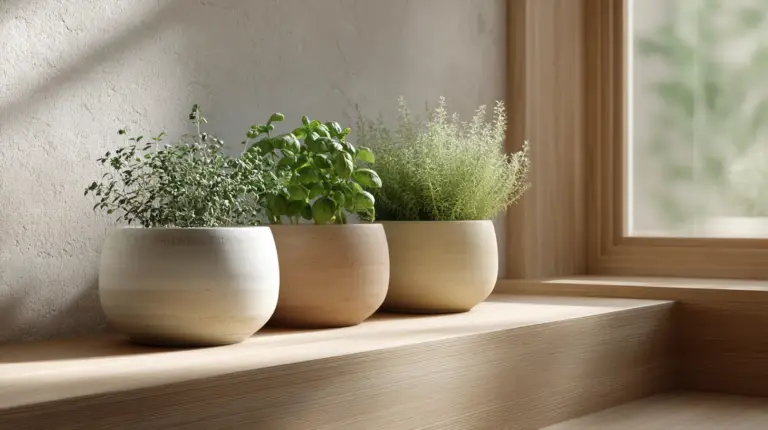
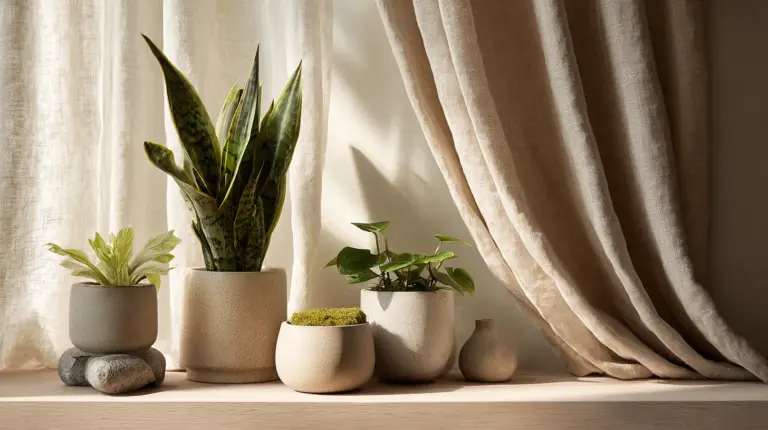
There is something quietly powerful about a plant placed just right — its roots settled into the perfect soil, its leaves catching the softest morning light. In a Japandi home, that image is not an accident. It is the result of intention.
Most styling guides will tell you which plants belong in a Japandi space. Very few will tell you what those plants are standing in. And yet the soil — its texture, its color, its composition — is where everything begins.
At ERYLIN, we believe that beauty lives in the details you almost do not notice. The right Japandi plant soil does not just keep your plants alive. It keeps them calm — growing slowly, shaping cleanly, sitting quietly in their pots like they were always meant to be there.
This guide is for anyone who wants to go deeper than “well-draining soil.” We are going to talk about mix ratios, soil aesthetics, minimalist care routines, and how to match your soil to your specific home — because Japandi is never one-size-fits-all.
What Makes Soil “Japandi” — Form, Function, and Aesthetic
Japandi is the marriage of Japanese wabi-sabi and Scandinavian hygge — two philosophies that both prize simplicity, naturalness, and the beauty of restraint. Your soil should reflect those same values.
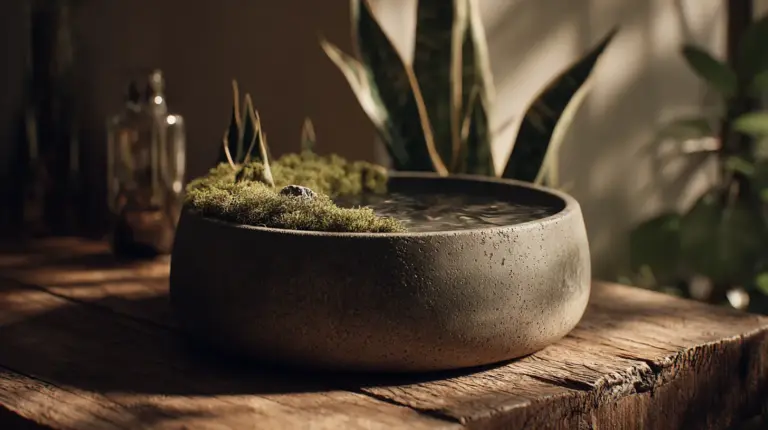
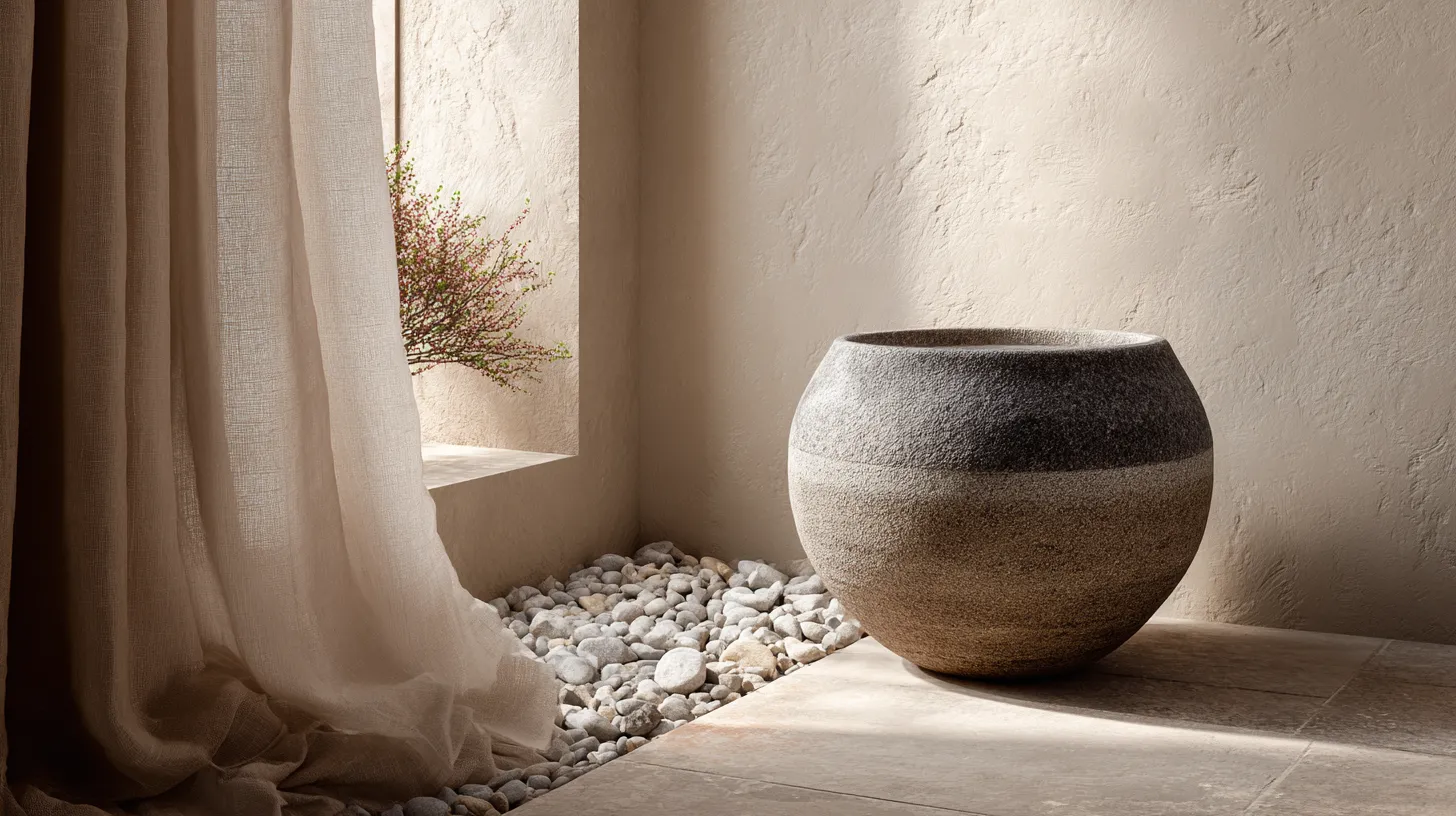
A Japandi soil mix is not just functional. It is visible. Through low ceramic bowls, wide concrete vessels, and open terracotta pots, the top layer of soil is often part of the composition itself.
Soil as Visual Element
Think about the color palette of a Japandi room: warm stone, muted sand, dusty sage, deep charcoal. Your soil and its top dressing should live inside that same palette.
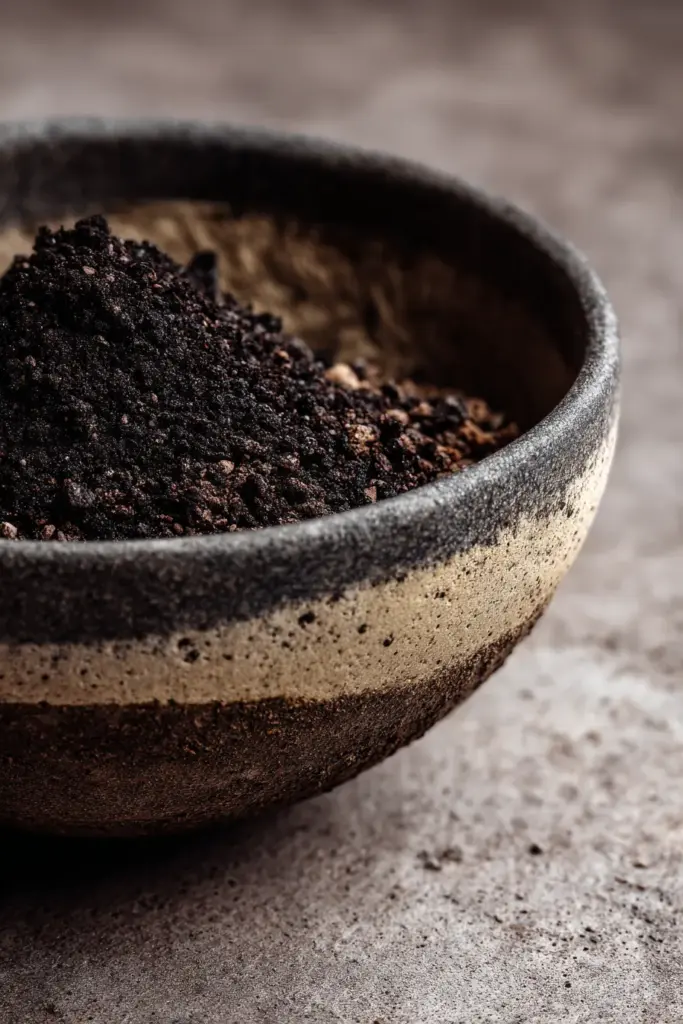
Dark, wet compost-heavy potting mix can look muddy and heavy against a pale linen planter. A mineral-forward mix — lighter in tone, airier in texture — feels cohesive and considered.
The Philosophy of Slow Growth
Japandi plants are chosen for their sculptural quality. Snake plants. Ficus. Bonsai. Olive trees. These are not fast growers, and you do not want them to be.
The right soil encourages controlled, deliberate growth — not lush and sprawling, but contained and serene. This means leaning toward mineral-rich, low-nutrient mixes that support steady roots without pushing aggressive top growth.
Core Principles — Drainage, Air, and Slow Growth
Every Japandi plant soil mix, regardless of the specific plant, should honor three principles: it must drain freely, breathe easily, and hold just enough moisture without becoming soggy.
Soggy soil is the quiet enemy of a minimalist space. It invites root rot, fungus gnats, and yellowing leaves — all of which disturb the stillness of a carefully arranged room.
The Role of Drainage
Good drainage is not just about adding perlite to a bag of potting soil. It is about understanding the full path water takes — from watering can, through the soil column, out the drainage hole, and into the saucer.
A well-structured Japandi soil mix is roughly 50–60% inorganic material (pumice, perlite, coarse sand, lava rock) and 40–50% organic material (quality potting mix, fine bark, a touch of compost). This ratio keeps the mix airy, prevents compaction, and slows moisture retention just enough.
Why Aeration Matters
Roots breathe. Compacted, dense soil suffocates them slowly, causing stress that shows up as brown tips, drooping leaves, and stunted growth — none of which belong in a serene Japandi corner.
Adding bark chips or pumice creates micro-pockets of air within the soil column. These pockets are invisible but essential, giving roots the oxygen they need to anchor cleanly and quietly.
Soil pH and Calm Growth
Most popular Japandi houseplants — ficus, snake plants, pothos, bonsai species — thrive in a slightly acidic to neutral pH range of 6.0 to 7.0.
Soil that drifts too acidic or too alkaline causes nutrient lockout, which shows up as pale, stressed leaves. For plants you want to remain sculptural and minimal, nutrient burn from over-rich soil is equally harmful — it pushes fast, uneven growth that breaks the composed silhouette you are aiming for.
A simple soil pH test strip (available at any garden center) is worth the two-minute check. Aim for 6.2–6.8 for most Japandi plant varieties.
Japandi Soil Mix Recipes for Popular Plants
Here is where most guides leave you stranded. Below are specific mix recipes for the plants most commonly found in Japandi interiors — with ratios and the reasoning behind them.
Ficus and Rubber Plant
The rubber plant (Ficus elastica) is a Japandi staple — its broad, lacquered leaves and upright form are almost architectural.
Mix recipe:
- 40% quality potting mix
- 30% pumice or perlite
- 20% fine orchid bark
- 10% coarse horticultural sand
This mix drains quickly after watering, then dries to a pale, mineral tone that looks clean in wide ceramic or concrete pots. The bark adds just enough organic matter to support steady, moderate feeding without encouraging leggy growth.
Bonsai and Small Indoor Trees
Bonsai soil draws directly from Japanese horticultural tradition — and it is genuinely the most Japandi soil of all.
Mix recipe:
- 50% akadama (or calcined clay as a substitute)
- 30% pumice
- 20% lava rock (kiryu)
This is an almost entirely mineral-based mix. It drains instantly, forces the roots to work for every bit of moisture, and promotes the slow, compact growth that gives bonsai their timeless quality. It also dries to a beautiful warm reddish-brown tone that looks intentional in any Japandi setting.
Snake Plant and Succulents
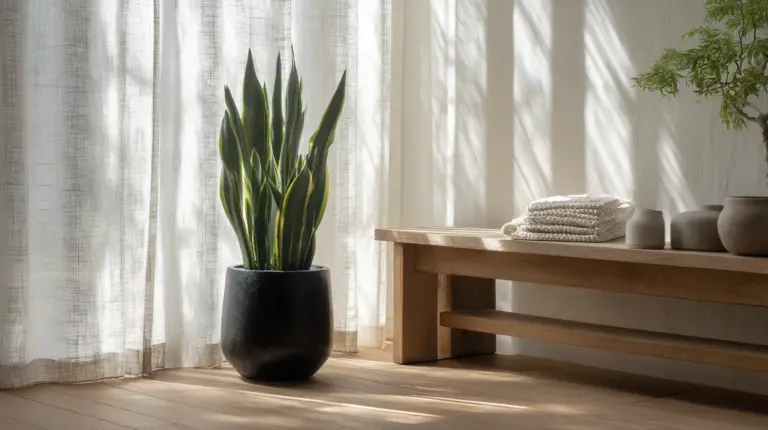
Snake plants (Sansevieria / Dracaena trifasciata) are among the most forgiving plants in a Japandi home — but they will rot without the right soil.
Mix recipe:
- 30% standard potting mix
- 40% pumice or coarse perlite
- 20% coarse sand
- 10% fine gravel (for top dressing)
The key here is extreme drainage. Snake plants store water in their leaves and roots, so the soil should dry completely between waterings. A top dressing of fine sand or gravel keeps the surface looking clean and prevents fungus gnats.
Kokedama-Style Moss Balls
Kokedama is a Japanese planting technique where the root ball is wrapped in moss and displayed without a pot — the soil itself becomes the vessel.
Mix recipe:
- 70% akadama or dense bonsai soil
- 20% sphagnum moss (mixed in for moisture retention)
- 10% quality potting soil
The mix needs to hold its shape when molded but drain well enough to prevent rot. The akadama base gives the ball structure and a warm, earthy tone. Wrap with fresh sheet moss and secure with twine for a piece that is equal parts living sculpture and botanical art.
| Plant | Mix Ratio | Why It Works for Japandi |
|---|---|---|
| Ficus / Rubber Plant | 40% potting / 30% pumice / 20% bark / 10% sand | Drains fast, dries to a clean mineral tone |
| Bonsai / Indoor Trees | 50% akadama / 30% pumice / 20% lava rock | Promotes slow, sculpted growth |
| Snake Plant / Succulents | 30% potting / 40% pumice / 20% sand / 10% gravel | Extreme drainage, prevents rot |
| Kokedama | 70% akadama / 20% sphagnum moss / 10% potting | Holds shape, stays clean |
Matching Soil to Your Home — Light, Climate, and Pot Material
Your soil mix should not just match your plant. It should match your home.
Low-Light Apartments with Air Conditioning
Cool, dry, artificially lit spaces slow a plant’s metabolism dramatically. In these conditions, soil stays wet longer — which means a wetter soil mix becomes a recipe for root rot.
Use a more inorganic mix: increase pumice or perlite to 50–60% of the total volume. Choose terracotta or unglazed ceramic pots, which wick moisture away from roots through evaporation.
Bright, Warm Balconies Brought Indoors
If your Japandi aesthetic extends to a sun-filled window or a warm, humid room, your plants will drink more and dry faster. A slightly richer organic base (up to 50%) will support that higher metabolic rate.
But keep the top dressing minimal. A layer of fine gravel or sand over a richer soil mix maintains the clean visual aesthetic while allowing the plant the nutrients it genuinely needs.
How Pot Material Changes Everything
Your pot is not just a vessel — it is an active part of your soil’s moisture system.
| Pot Material | Drying Speed | Best Soil Adjustment |
|---|---|---|
| Terracotta / Unglazed Clay | Fast | Can use slightly richer organic mix |
| Ceramic (glazed) | Slow | Use more pumice / inorganic materials |
| Concrete | Medium-fast | Works well with standard Japandi mix |
| Seagrass / Wicker Cachepot | N/A (nursery pot inside) | Ensure nursery pot has drainage holes |
When using a nursery pot inside a cachepot, always check that the inner pot has drainage holes and that water is not pooling invisibly at the bottom of the outer vessel. Lift the inner pot after each watering to let air circulate around the roots.
Keeping the Look Minimal — Top Dressing, Soil Color, and Clean Lines
The surface of your soil is the first thing the eye meets. In a Japandi pot, it should be as considered as everything else.
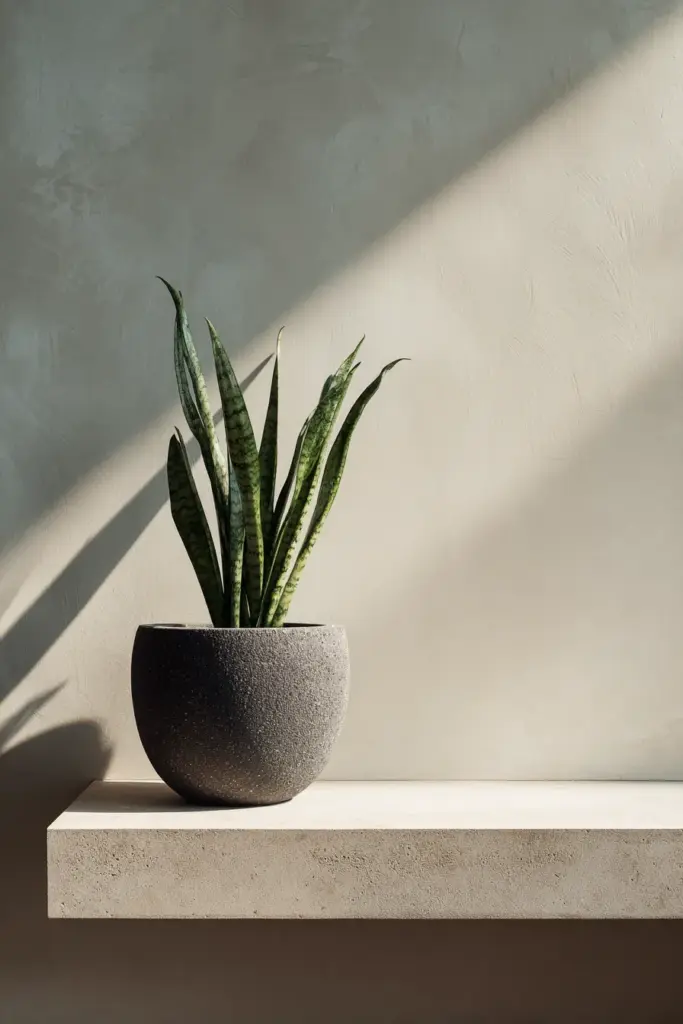
Dark, wet soil on display in a pale room creates visual noise. A dry, mineral-toned surface feels natural and restful — like a Zen garden in miniature.
Top Dressing Ideas That Work for Japandi
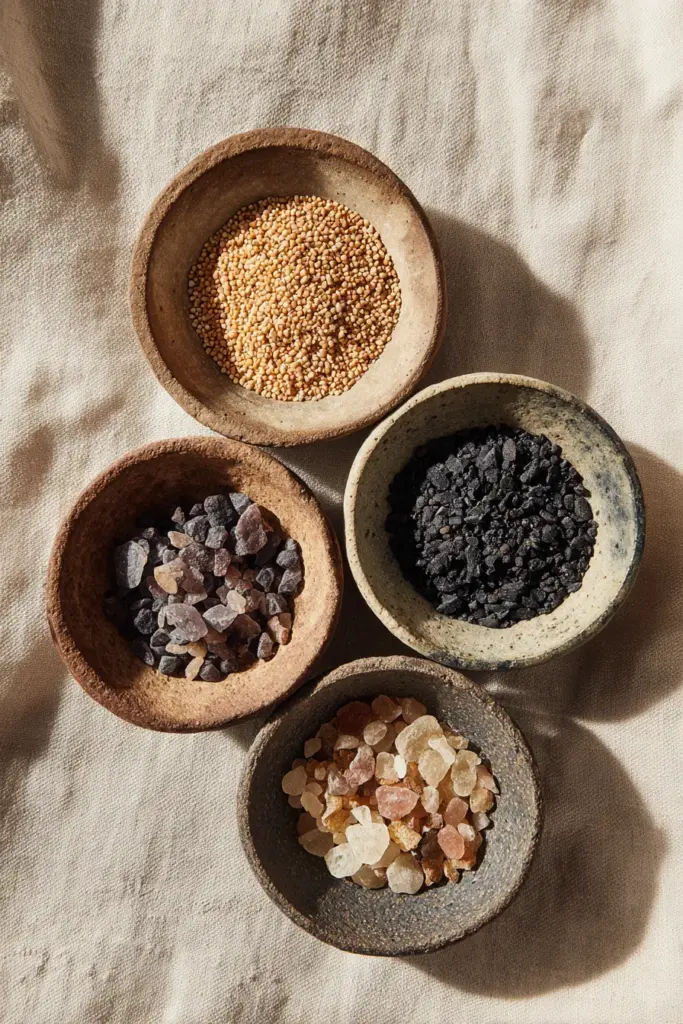
- Fine grey or white gravel — the most versatile, works with almost any plant and planter
- Black lava sand — striking against light ceramic, especially for succulents and snake plants
- Akadama granules — warm reddish-brown, beautiful with bonsai or olive trees
- Coarse natural sand — subtle, neutral, and effortless in white or stone pots
- Sphagnum moss — for kokedama or statement terracotta vessels; adds texture and warmth
Top dressing also serves a practical purpose. A layer of gravel or coarse sand deters fungus gnats, which lay eggs in moist topsoil. It also slows surface evaporation slightly, giving you a slightly longer window between waterings.
Simple Japandi Soil Care Routine
A minimalist home calls for a minimalist maintenance rhythm. You do not need complicated schedules — just a few quiet, attentive habits.
Weekly
- Observe the surface. Is the soil still dark and damp? Wait. Is it pulling away from the pot edges and pale in color? Time to water.
- Smell the soil gently. Healthy soil smells like earth. A sour or rotten smell signals anaerobic conditions or root rot beginning.
Monthly
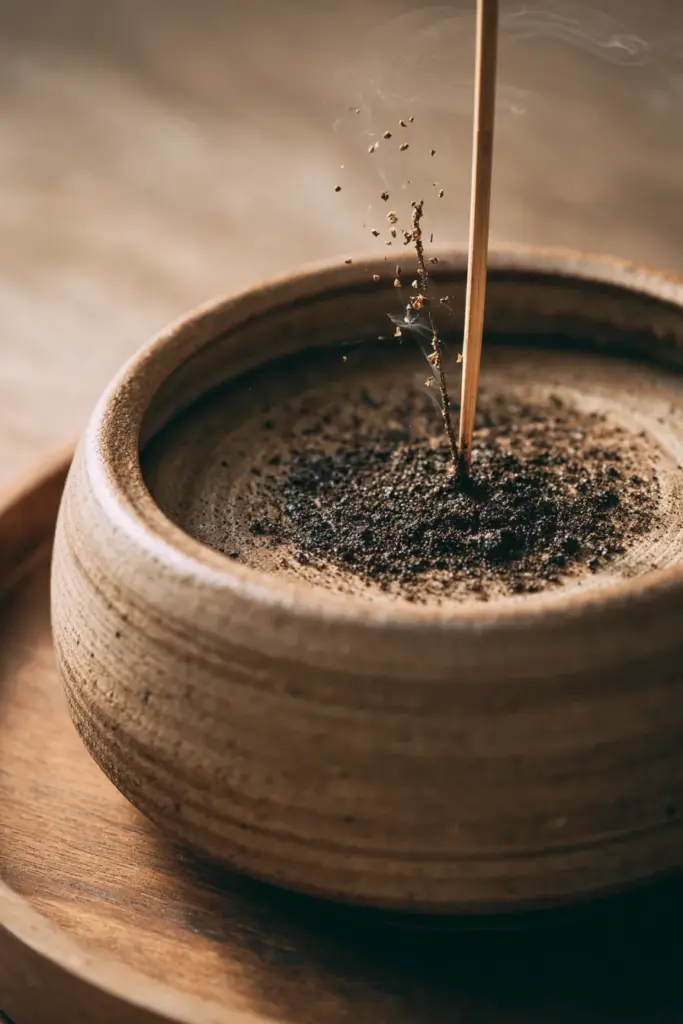
- Gentle aeration: Use a chopstick or thin wooden skewer to make small vertical holes around the perimeter of the pot, 2–3 cm deep. This breaks any surface compaction and lets air reach the roots without disturbing your top dressing.
- Check the drainage hole. Ensure it is not blocked by roots or debris.
Quarterly
- Top up, rather than repot. Remove the top 2–3 cm of soil and replace with fresh mix plus a light layer of top dressing. This refreshes the nutrient layer and keeps the surface looking intentional without the disruption of a full repot.
Yearly
- A full repot every 1–2 years is enough for most Japandi plants. Choose a pot only one size larger to keep the root system contained and the plant’s silhouette controlled.
Troubleshooting — When Soil Ruins Your Japandi Vibe and How to Fix It
| Symptom | Likely Cause | Aesthetic Impact | Simple Fix |
|---|---|---|---|
| Soil stays dark for more than 7 days | Too much organic matter, poor drainage | Heavy, muddy look | Add 20% more pumice; switch to terracotta |
| White crusty layer on surface | Mineral salt buildup from tap water | Visual distraction | Flush with filtered water; replace top dressing |
| Tiny flies around the plant | Fungus gnats from moist topsoil | Disrupts calm atmosphere | Top dress with gravel; let soil dry more fully between waterings |
| Green algae on soil surface | Too wet, too much direct light on soil | Looks neglected | Improve drainage; add a gravel top layer |
| Yellowing lower leaves | Overwatering, roots sitting in moisture | Breaks plant’s sculptural form | Repot with more inorganic mix; check drainage hole |
Key Takeaways
- Japandi plant soil is both functional and aesthetic. The mix you choose affects how the surface looks, how fast the plant grows, and how your space feels.
- Aim for 50–60% inorganic material (pumice, perlite, lava rock, coarse sand) in most Japandi plant mixes.
- Keep soil pH between 6.0 and 7.0 for healthy, stress-free, slow-growing plants.
- Top dress with gravel, akadama, or sand to elevate the visual finish and deter fungus gnats.
- Match your mix to your home environment — low-light, air-conditioned rooms need more drainage; bright, warm rooms can support a slightly richer mix.
- Use pot material as a variable — terracotta speeds drying; glazed ceramic slows it.
- Maintain with minimal interventions: monthly aeration, quarterly top-up, yearly repot only when necessary.
- Bonsai substrates (akadama, pumice, lava) are the most authentic Japandi-inspired mixes — mineral, controlled, and deeply rooted in Japanese horticultural tradition.
Closing Thoughts
The most beautiful Japandi spaces are not the ones with the most carefully chosen furniture or the most precisely curated palette. They are the ones where even the smallest decisions have been made with care.
Your plant soil is one of those decisions. It is invisible in photographs, unknown to visitors, and unnoticed by most — but your plant feels it every single day. And in a quiet, subtle way, so will you.
When a plant is truly comfortable in its soil, it holds itself differently. The leaves are steadier. The stems are upright but relaxed. There is a composed ease to it — the same ease you are reaching for in every other corner of your Japandi home.
Start with the roots. Everything else follows.
Curated with warmth and intention — ERYLIN.
Frequently Asked Questions
What soil is best for Japandi plants?
The best Japandi plant soil is a mineral-forward, well-draining mix made from quality potting soil, pumice, perlite or bark, and coarse sand. Aim for roughly 50% inorganic material to encourage slow, sculptural growth and prevent root rot. The mix should dry to a clean, pale tone that looks intentional in your space.
How do you make a Japandi soil mix at home?
Combine 40% quality potting mix, 30% pumice or perlite, 20% fine orchid bark, and 10% coarse sand. For a more minimalist, bonsai-inspired mix, replace the potting soil with akadama and lava rock. Add a top dressing of fine gravel or sand to finish the look.
Do Japandi plants need special soil?
Yes — not because they are unusually difficult, but because the philosophy of Japandi favors plants that grow slowly and hold their shape. A standard potting mix encourages fast, leafy growth. A drier, more mineral mix supports the calm, controlled aesthetic that Japandi interiors are known for.
What is Japanese soil mix for indoor plants?
Traditional Japanese soil mixes for indoor plants — particularly bonsai — use akadama (a naturally occurring clay granule), pumice, and lava rock (kiryu). These are almost entirely inorganic, drain instantly, and support fine, deliberate root development. They also have a beautiful warm, earthy tone that fits perfectly into any Japandi planting composition.
How often should you refresh Japandi plant soil?
Rather than full repotting, remove the top 2–3 cm of soil quarterly and replace it with fresh mix and a clean top dressing. A full repot is only needed every one to two years for most Japandi plants. This minimalist maintenance approach keeps your plants healthy without disrupting the visual calm of your space.