
Table of Contents
There is something quietly powerful about a piece of furniture you built with your own hands. It carries intention — the kind that no mass-produced shelf or factory sofa can replicate. When you bring that feeling into a Japandi home, where every object is chosen with care and every surface breathes, the result is something truly alive.
Japandi is the design philosophy born from the marriage of Japanese wabi-sabi — the beauty of imperfection — and Scandinavian hygge — the warmth of simplicity. It lives in neutral tones, natural textures, and honest materials. Pallet wood, with its rough grain and humble origins, is perhaps the most perfect canvas for this aesthetic.
At ERYLIN, we believe a beautiful home doesn’t require a large budget. It requires a thoughtful eye. This guide will walk you through everything you need to create your own DIY Japandi pallet furniture — safely, sustainably, and with the kind of quiet elegance that makes a room feel like a deep exhale.
Whether you are working with a 10-square-meter studio in the city or a modest sala in Calabarzon, these ideas will help you shape a space that feels intentional, grounded, and deeply yours.
Understanding Japandi Style Before You Build
Before you pick up a crowbar, it helps to understand what makes Japandi feel like Japandi. This is not about following rules — it’s about absorbing a sensibility.
Japandi interiors favor low-profile furniture, clean silhouettes, and a palette drawn from nature: warm whites, soft greys, muted greens, and the rich honey of unfinished wood. Nothing shouts. Everything rests.
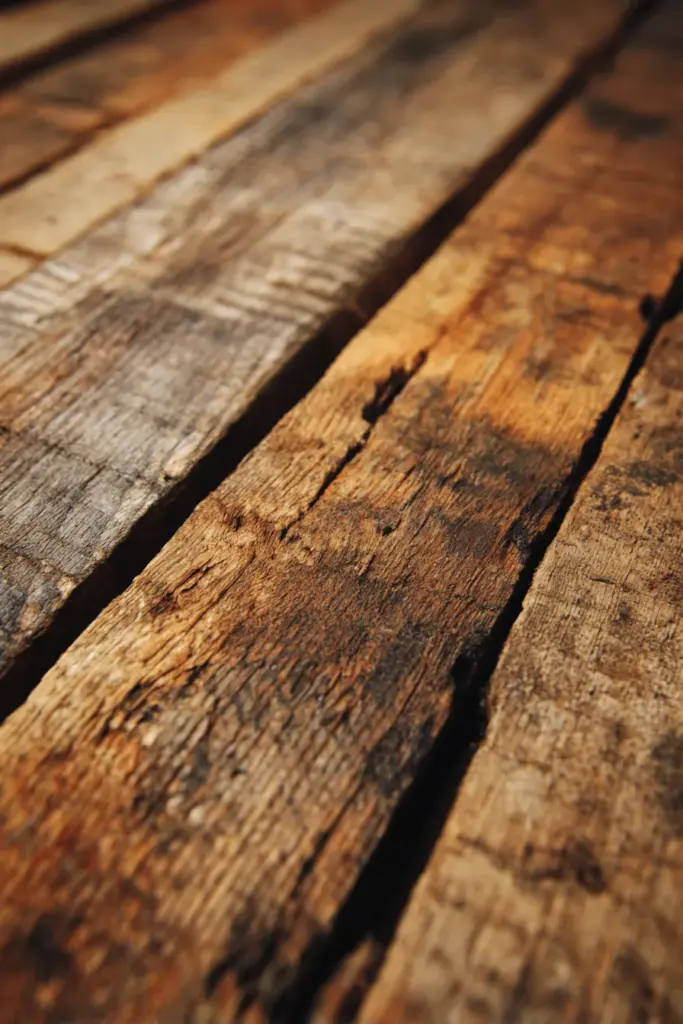
Pallet furniture fits this world beautifully because it is inherently imperfect. The knots, the grain variations, the slight roughness underfoot — these are not flaws to be hidden. In the wabi-sabi tradition, they are the soul of the piece.
The Japandi Color Palette for Pallet Projects
When finishing your pallet furniture, think in whispers rather than statements. A warm walnut stain on raw pallet wood creates depth without drama. An ash-white wash softens the grain while letting it breathe.
- Neutral stains: walnut, oak, ash, driftwood
- Paint accents (used sparingly): charcoal, sage, warm off-white
- Finishes: matte varnish, raw linseed oil, beeswax polish
Avoid high-gloss finishes. They contradict the wabi-sabi spirit and make natural wood look plasticky and cold.
Safety First: Choosing the Right Pallets
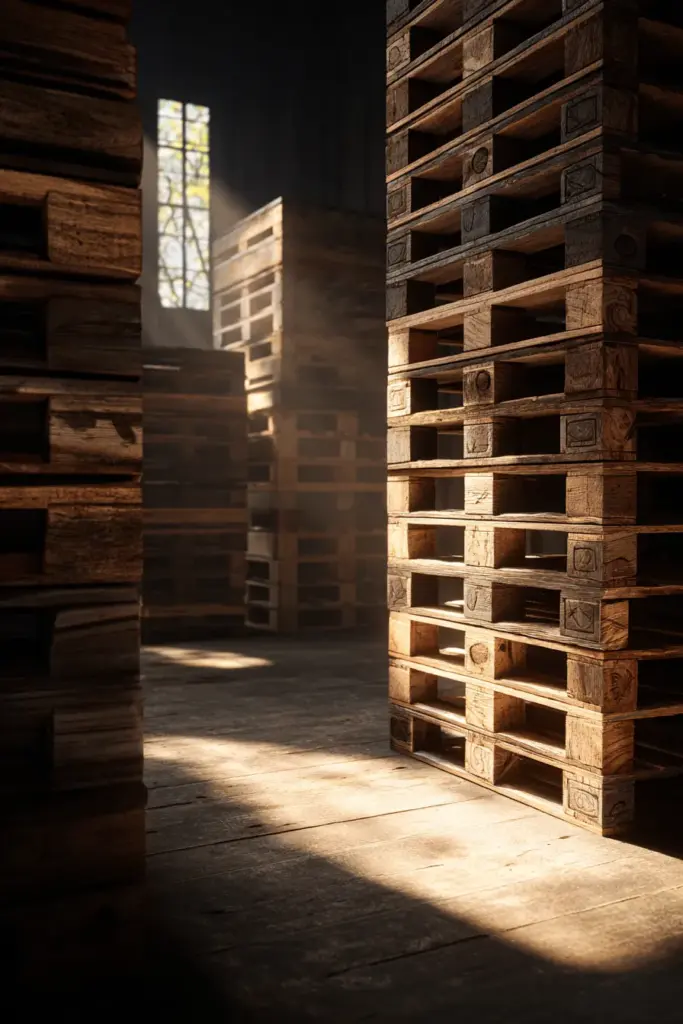
This is the step most DIY guides skip too quickly, and it is the most important one. Not all pallets are safe for indoor furniture.
Look for the IPPC stamp on the side of every pallet. This tells you how the wood was treated. There are two stamps to know:
| Stamp | Meaning | Safe for Indoor Use? |
|---|---|---|
| HT | Heat-Treated | ✅ Yes |
| MB | Methyl Bromide (chemical fumigant) | ❌ No |
| DB | Debarked only | ✅ Generally safe |
| KD | Kiln-Dried | ✅ Yes |
In the Philippines, especially in areas like Calabarzon, you can often source free or low-cost pallets from local warehouses, hardware suppliers, and grocery distribution centers. Always ask about the pallet’s history — food-grade pallets are the safest choice.
Avoid pallets with dark stains, chemical odors, or visible mold. When in doubt, walk away.
Preparing Your Pallets
Once you have safe, HT-stamped pallets, preparation is everything. This step transforms raw shipping material into furniture-grade wood.
What you will need:
- Crowbar or pallet buster
- Hammer
- Sandpaper (start coarse: 60–80 grit, finish fine: 150–220 grit)
- Wood screws (50mm–75mm)
- Wood glue
- Safety gloves and dust mask
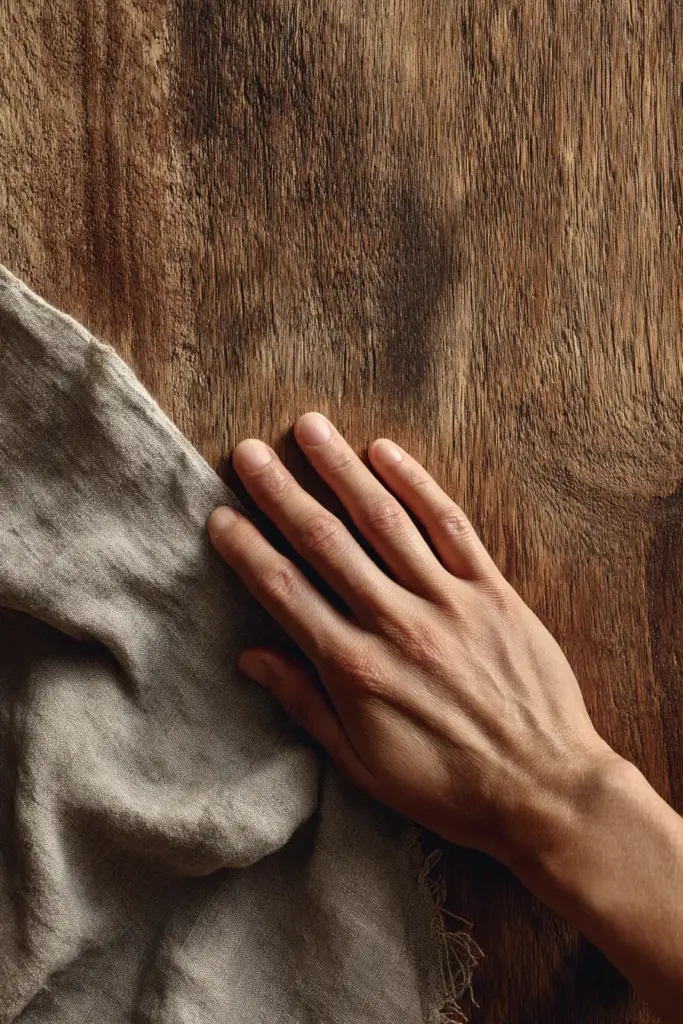
Disassemble the planks carefully to avoid splitting. Sand every surface, moving from coarse to fine grit. Run your hand across the wood after each pass — you are looking for a surface that feels almost silky, with the grain still visible but no longer catching your skin.
DIY Japandi Pallet Coffee Table
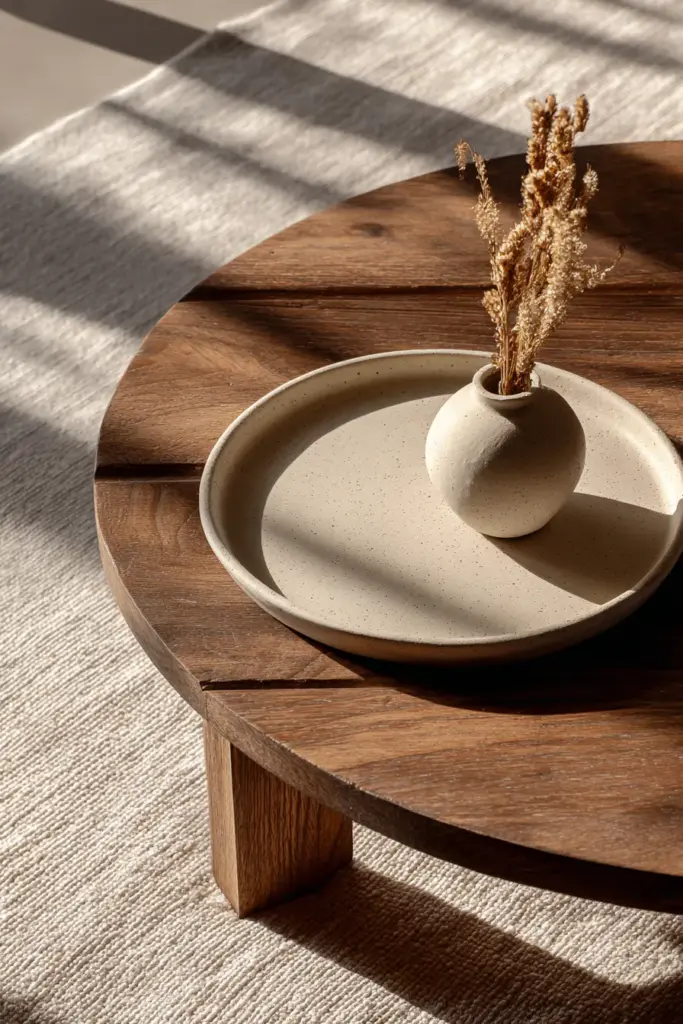
A coffee table is the heart of a living room. In a Japandi home, it sits low to the ground, inviting you to slow down, to curl your legs beneath you, to linger.
Estimated cost: PHP 1,200–1,800 (sourcing pallets locally for free or minimal cost)
Time: 4–6 hours
What You Will Need
- 2 standard pallets (same size)
- Sandpaper (60, 120, 220 grit)
- Wood stain or natural oil (walnut or oak tone)
- 4 small wooden or hairpin legs (optional, for lift)
- Wood screws and wood glue
- Matte varnish or linseed oil for sealing
How to Build It
- Sand both pallets thoroughly — top, sides, and any exposed underside.
- Stack the two pallets and align them evenly. This double layer creates visual weight and sturdiness.
- Secure them together with wood screws driven in from the underside.
- Fill any large gaps with wood glue and let dry for at least two hours.
- Apply your chosen stain in long, even strokes following the grain. Let it absorb for 15–20 minutes, then wipe away the excess.
- Once dry, seal with a matte varnish — two thin coats, lightly sanded between layers.
- Attach legs if desired, or leave low to the ground for a true Japanese floor aesthetic.
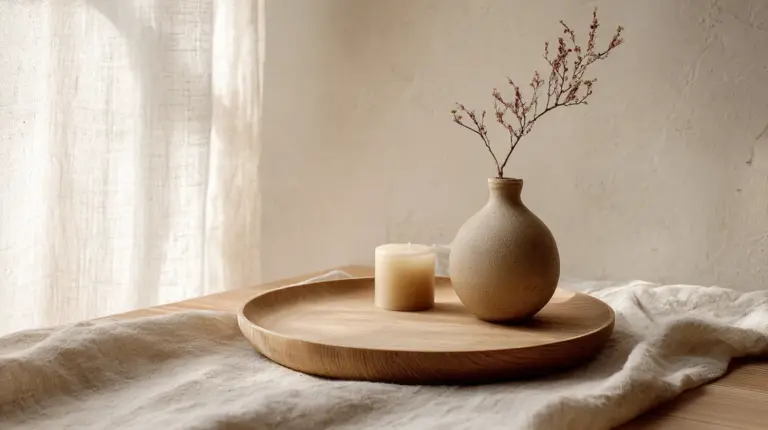
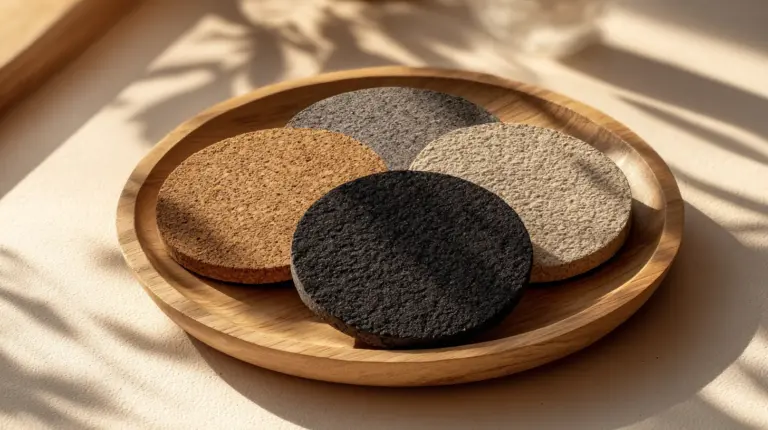
Style with a small ceramic tray, a single dried pampas stem, and a linen coaster. Let the wood breathe.
DIY Japandi Pallet Shelving
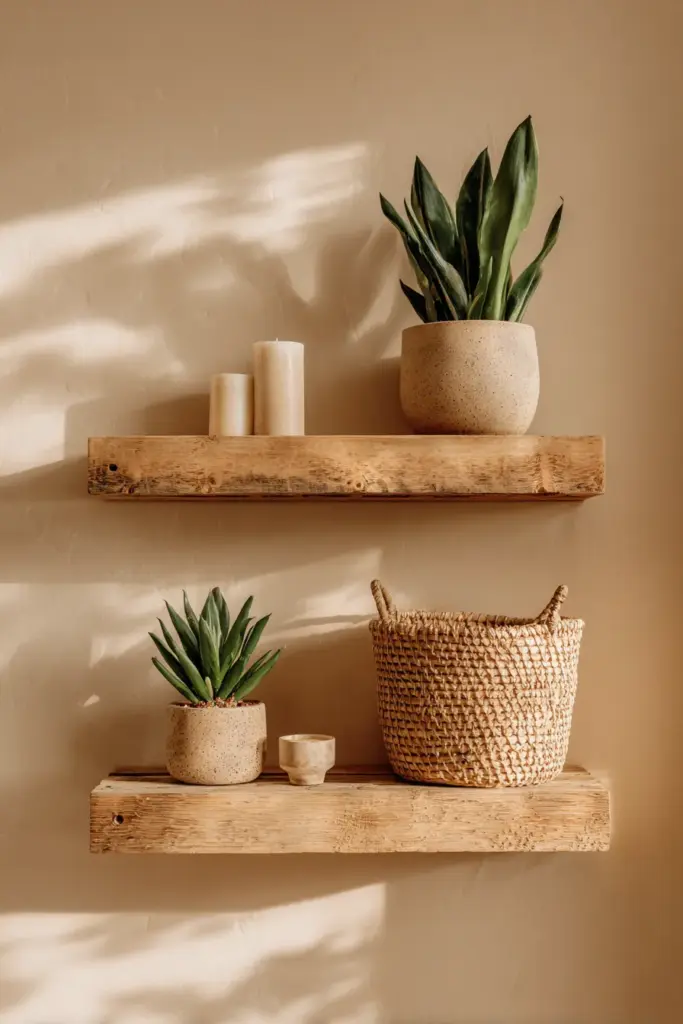
Wall shelves in a Japandi home are not just storage — they are curated moments. Think three objects, not thirty.
Estimated cost: PHP 800–1,200
Time: 3–4 hours
Building Floating Pallet Shelves
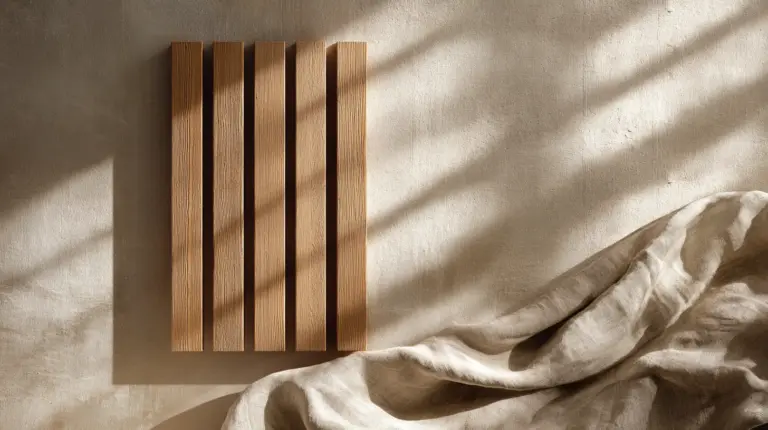
Disassemble your pallets into individual planks and select the straightest, most beautiful ones. Look for planks with interesting grain or a small knot — these become the focal point.
Sand each plank to a smooth finish. Apply a light ash or natural oak stain, then seal with matte varnish. Mount using concealed shelf brackets for a clean, floating look.
Style each shelf with intention:
- A small potted Sansevieria or trailing Pothos for living texture
- A candle in a matte ceramic holder for warm evening light
- One decorative object with meaning — a stone, a woven basket, a handmade bowl
Resist the urge to fill every inch. In Japandi design, negative space is not emptiness — it is breath.
DIY Japandi Pallet Sofa for Small Spaces
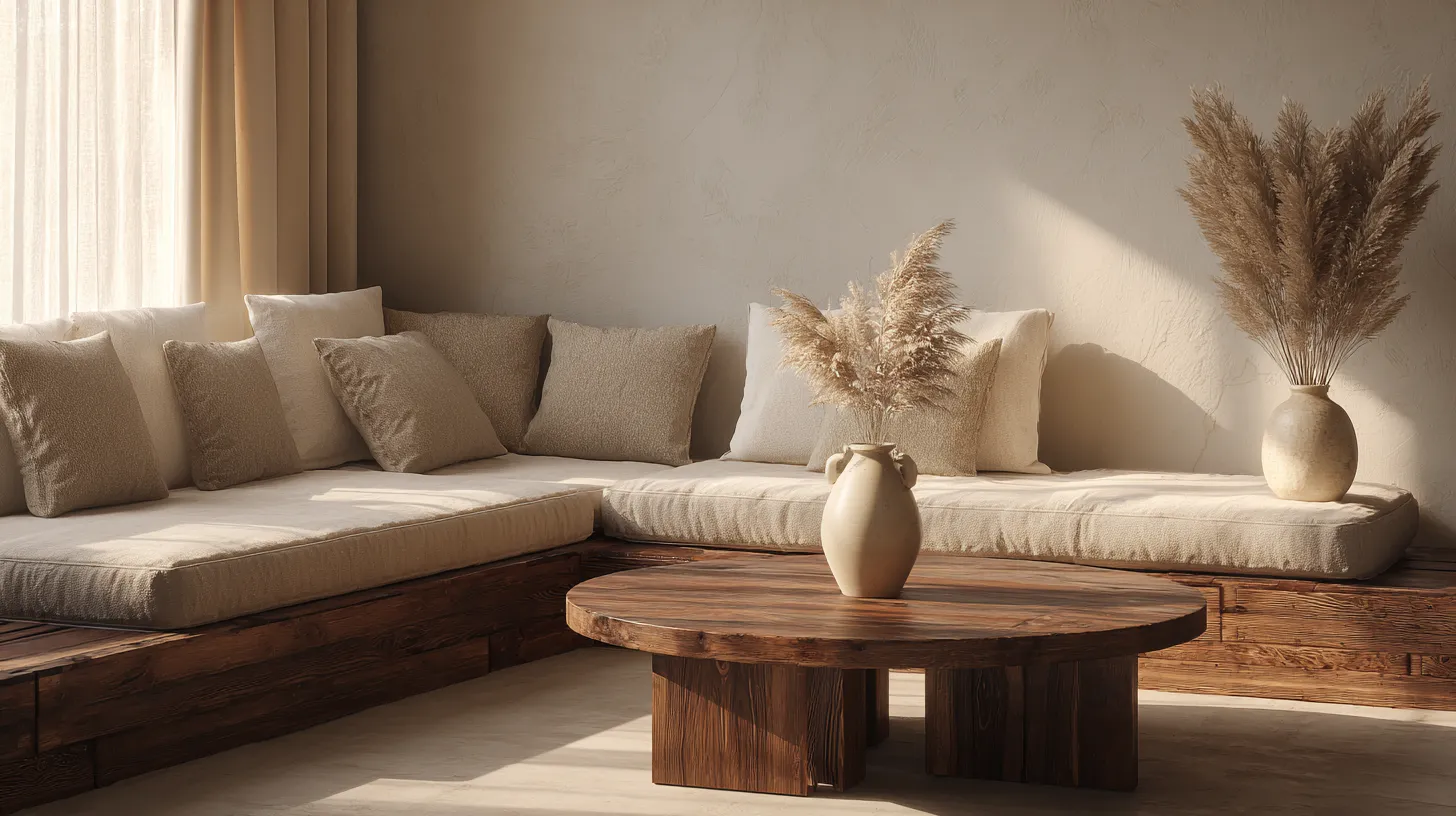
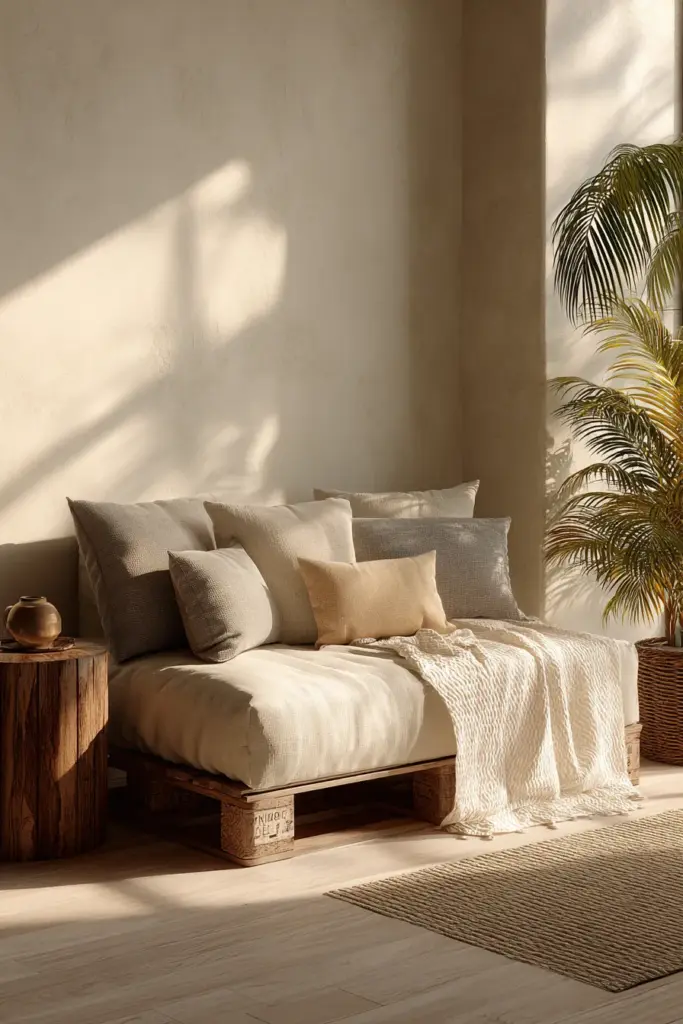
For apartments and compact rooms between 10–20 square meters, a pallet sofa is a revelation. It is low, modular, and infinitely adaptable.
Estimated cost: PHP 2,500–4,000 (including cushions)
Time: 6–8 hours
Building the Frame
Use two to three pallets side by side as the seat base. Stack a single pallet behind for the backrest, secured at a slight recline with angled wooden supports.
Sand everything smooth. Stain in a warm walnut tone for a grounded, cozy feel. Add furniture feet or casters underneath for airflow and easy cleaning — essential in the Philippine humidity.
Choosing Japandi-Aligned Cushions
The cushions carry the softness in a pallet sofa. Choose covers in:
- Linen or cotton canvas in natural, sand, or stone tones
- Textured weaves like boucle or jute-blend
- Avoid busy prints — solid, muted tones keep the Japandi mood intact
Layer with a thin, textured throw in a complementary neutral. A knitted or woven blanket in cream or charcoal brings warmth without visual noise.
Japandi-Specific Finishes: The Wabi-Sabi Touch
The finish is where a pallet project transforms from DIY to design. In humid climates like Silang or Laguna, your choice of sealant matters as much as aesthetics.
Recommended Finishes for Philippine Climate
| Finish Type | Look | Best For | Humidity Resistance |
|---|---|---|---|
| Linseed oil | Warm, natural | Coffee tables, shelves | Moderate |
| Matte varnish | Clean, subtle sheen | High-use surfaces | High |
| Beeswax polish | Soft, handcrafted | Decorative pieces | Low–Moderate |
| Water-based polyurethane | Clear, modern | Flooring, heavy use | Very High |
For pieces that will live outdoors or near open windows, always use a water-resistant sealant. Reapply once a year to maintain the finish and protect against warping.
Wabi-Sabi Distressing Technique
If you want your furniture to carry the quiet beauty of age from the very beginning, try gentle distressing. Lightly drag a wire brush along the grain before staining to accentuate the wood’s natural texture. Sand the edges just enough to soften them, as if years of gentle hands have worn them smooth.
This is not about making things look damaged. It is about making them look lived.
Sustainability and the Story Behind Your Furniture
Every pallet you repurpose is a piece of wood saved from a landfill. In a country generating significant amounts of industrial waste annually, choosing upcycled materials is both an environmental and a personal statement.
A single standard pallet contains roughly 25 kilograms of wood. When you build a coffee table from two pallets instead of buying a new one, you save not only the material cost but also the carbon footprint of manufacturing and shipping.
At ERYLIN, we see sustainability not as a compromise but as an aesthetic choice. Imperfect, reclaimed, honest materials are the foundation of true Japandi beauty.
Quick-Reference Checklist: DIY Japandi Pallet Furniture
- Choose only HT-stamped pallets — avoid MB at all costs
- Source locally from warehouses, hardware stores, or community groups
- Sand in stages: 60 → 120 → 220 grit for a smooth, beautiful finish
- Use walnut, oak, or ash stains for authentic Japandi tones
- Seal with matte varnish or linseed oil — never high gloss
- Keep designs low-profile for a Japanese floor aesthetic
- Style with restraint — three objects per surface, maximum
- Choose linen or woven cushion covers in neutral tones
- In humid climates, reseal annually and ensure airflow beneath furniture
- Let imperfections remain — they are the soul of wabi-sabi
Conclusion
There is a moment, after the sanding and the staining and the slow, careful assembly, when you step back and look at what you have made. The grain catches the afternoon light. The lines are quiet and clean. It smells faintly of wood and oil and something that feels unmistakably like home.
That is the Japandi promise. Not perfection — but presence. Not abundance — but enough. Your pallet furniture will carry the story of its making, and that story will always make a room more beautiful than anything you could buy.
This is what we believe at ERYLIN: that the most meaningful spaces are built slowly, with intention, and with love for the materials in your hands.
Begin with one piece. Begin this weekend.
Frequently Asked Questions
How do I make a DIY Japandi coffee table from pallets?
Stack two sanded, HT-stamped pallets and secure them with wood screws. Stain in a warm walnut or oak tone, seal with matte varnish, and optionally add low wooden legs. Style with ceramic and natural accents for an authentic Japandi feel.
Are pallet woods safe for indoor Japandi furniture?
Yes — but only if they carry an HT (heat-treated) stamp. Avoid pallets stamped MB (methyl bromide), which have been chemically fumigated and are not safe for indoor use. Always inspect for odors, stains, or mold before using.
What is the best finish for Japandi pallet furniture?
Matte finishes are essential to the Japandi aesthetic. Use natural linseed oil for a warm, handcrafted look, or a matte water-based varnish for durability in high-use pieces. Avoid glossy polyurethane — it clashes with the wabi-sabi sensibility.
What tools do I need to disassemble pallets for Japandi-style furniture?
A crowbar or pallet buster, hammer, safety gloves, and dust mask are the essentials. After disassembly, use a sander or sanding discs progressing from 60 to 220 grit to achieve a smooth, furniture-grade surface.
What are some budget Japandi pallet furniture ideas under PHP 2,000?
A pallet coffee table (PHP 1,200–1,800), floating wall shelves (PHP 800–1,200), and a low bedside table (under PHP 1,000) are all achievable with locally sourced pallets and basic tools. The key investment is time and patience — the materials cost very little.