
Table of Contents
There is a certain kind of quiet that only a well-loved room can hold. It’s the softness of linen against morning light, the warmth of wood grain under your fingertips, the stillness of a space where everything belongs. That is the heart of Japandi — and the beautiful truth is, you don’t need a designer’s budget to bring it home.
A DIY Japandi living room on a budget is not about buying less. It’s about choosing better. It’s about editing with intention, sourcing with creativity, and layering with care. Whether you’re working with a compact apartment in Makati or a modest sala in the province, this guide is your warm and practical companion.
At ERYLIN, we believe that beauty is not a luxury — it’s a practice. And with the right tools, a clear vision, and a willing spirit, you can transform even the most ordinary living room into a space that breathes calm and radiates warmth.
Let’s begin.
What Is a Japandi Living Room, Exactly?
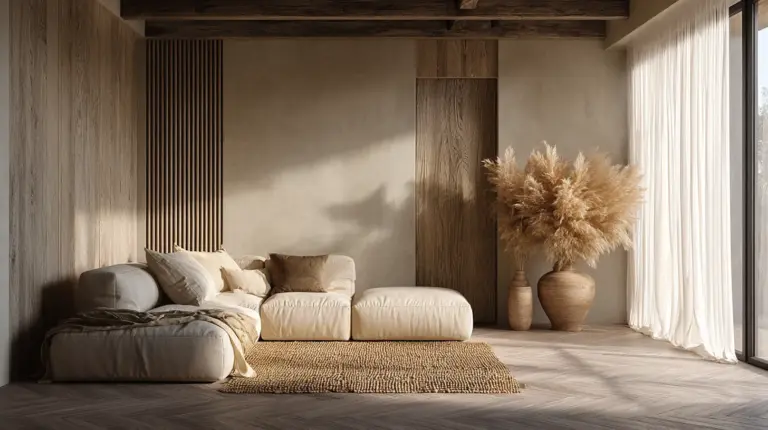
Japandi is the effortless marriage of Japanese minimalism and Scandinavian coziness. It takes the wabi-sabi philosophy of Japan — finding beauty in imperfection and simplicity — and blends it with the Nordic concept of hygge, that deeply felt sense of warmth and contentment.
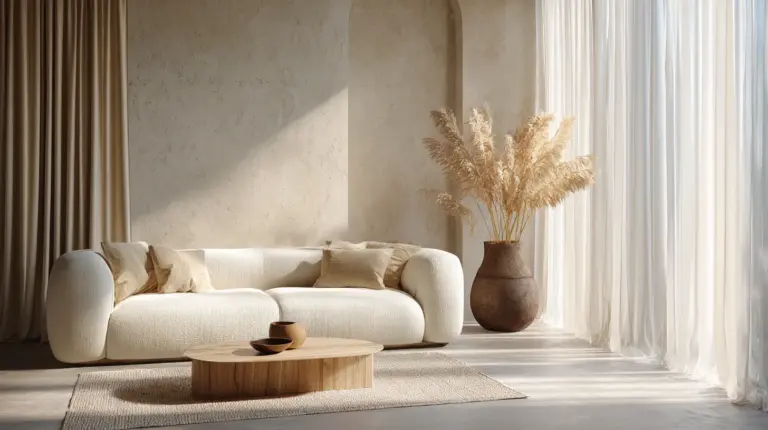
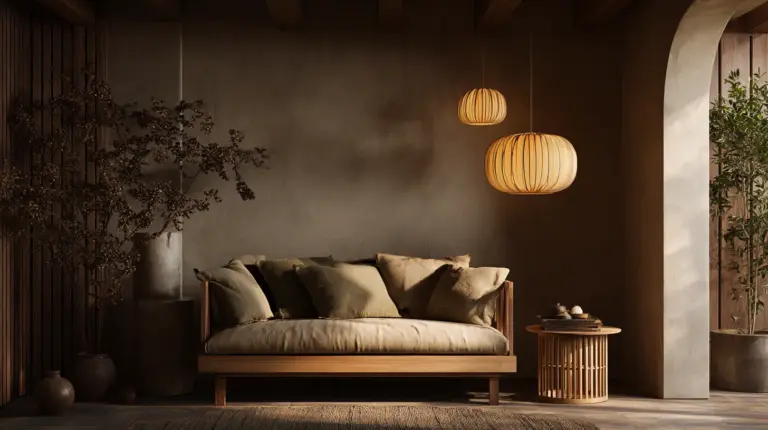
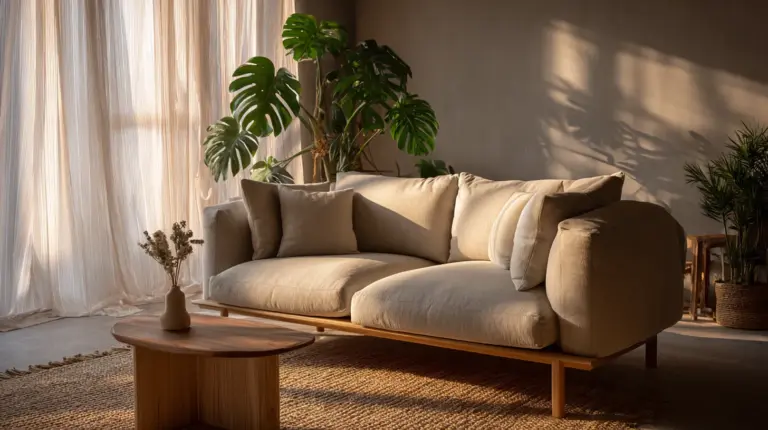
The result is a living room that feels both serene and lived-in. Think low-profile furniture, natural materials, a muted palette, and just enough softness to feel like home.
What makes Japandi different from plain minimalism is its soul. It’s not cold or clinical. It’s intentional, tactile, and deeply human.
Set Your Budget Before You Shop
One of the most empowering things you can do before starting your Japandi transformation is to set a clear budget — and break it into phases.
| Phase | Focus | Estimated Budget (₱) |
|---|---|---|
| Phase 1 | Declutter, paint walls, rearrange | ₱0 – ₱500 |
| Phase 2 | DIY key pieces (coffee table, shelves, panels) | ₱1,500 – ₱4,000 |
| Phase 3 | Soft furnishings, lighting, plants, accessories | ₱2,000 – ₱5,000 |
| Total | Full Japandi living room makeover | Under ₱10,000 |
You don’t need to do everything at once. Japandi is patient. Start with what you have, and build slowly and with purpose.
Step 1: Edit First — Declutter Your Living Room
The first step costs nothing. Walk into your living room and ask yourself: Does this belong here? Does it serve me?
Japandi living rooms follow a quiet rule — every object earns its place. Remove anything that doesn’t add function, texture, or calm. Store it, donate it, or let it go entirely.
What remains should be simple, purposeful, and beautiful. This single step often does more for the feel of a room than any piece of furniture ever could.
The Japandi Style Audit Checklist
Before you buy a single thing, run this check:
- ✅ All furniture is low-profile with clean, simple lines
- ✅ Color palette is 70% neutral, 20% warm wood, 10% black or deep muted green
- ✅ At least 3–4 natural materials are present (wood, rattan, linen, ceramic)
- ✅ No more than 5 decorative items on the coffee table
- ✅ Every decorative object serves a purpose (tray, basket, plant, bowl)
- ✅ No clutter visible — storage is hidden or beautifully contained
- ✅ Natural light is maximized; heavy curtains removed or replaced with linen
Step 2: Choose Your Japandi Color Palette
Color is the soul of a Japandi room, and getting it right costs very little.
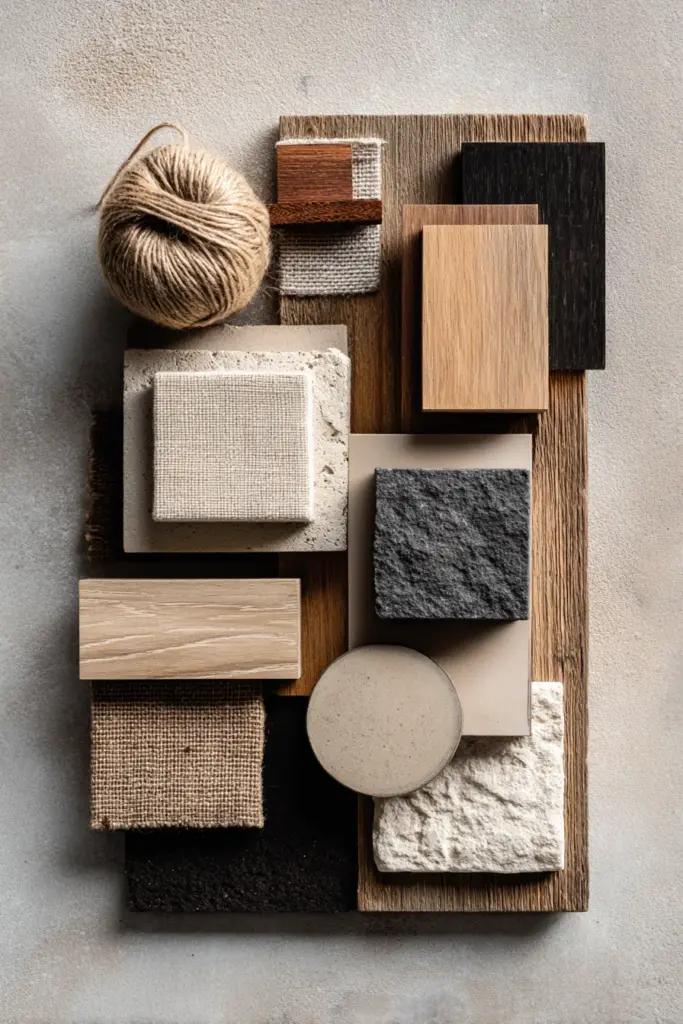
The palette is warm, quiet, and grounded. Picture the inside of a pottery studio on a rainy morning — pale clay walls, the brown of driftwood, the deep shadow of charcoal.
| Color Role | Shades | Where to Use |
|---|---|---|
| 70% Base | Off-white, warm beige, greige, stone | Walls, large sofa, area rug |
| 20% Warmth | Light oak, walnut, honey bamboo | Furniture, shelves, frames |
| 10% Anchor | Charcoal, black, deep forest green | Cushions, lamp bases, plant pots |
Budget Paint Tip
A single can of flat matte paint in warm white or greige can transform your walls for under ₱600. Flat finish is key — it absorbs light softly, the way Japandi loves. Avoid glossy or cool-toned whites.
If you’re a renter and can’t paint, peel-and-stick wallpaper in a subtle linen or wood texture is a beautiful and reversible option.
Step 3: DIY Core Furniture Pieces
This is where the magic happens — and where your budget does the most work.
You don’t need to replace all your furniture. Japandi is forgiving of what you already own, as long as the lines are simple and the color is neutral. Reupholster, paint, or simply rearrange.
DIY Coffee Table
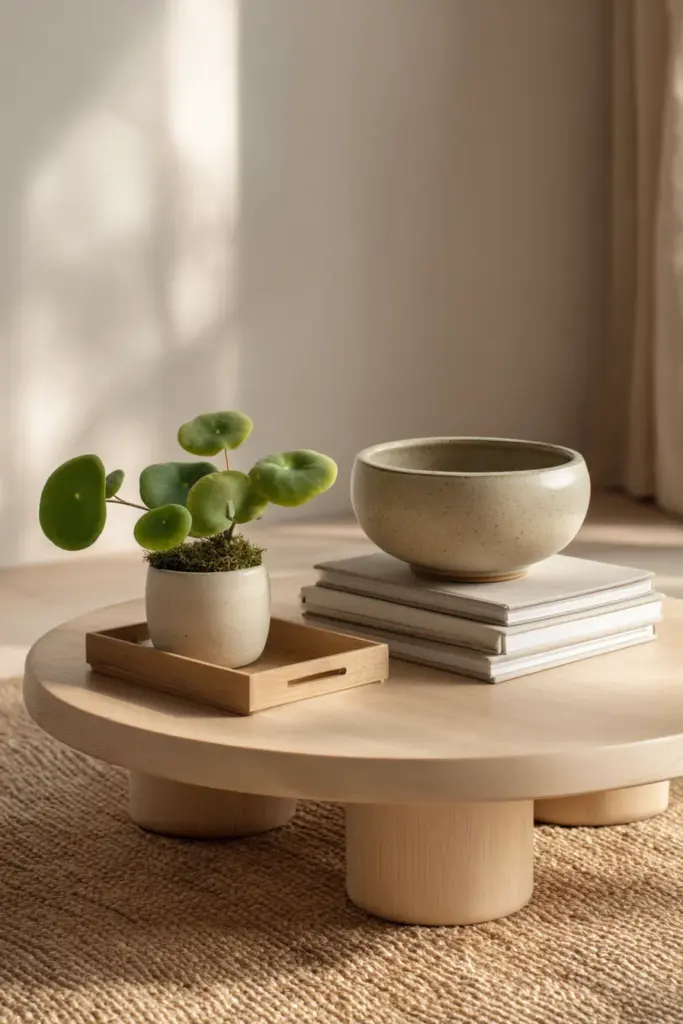
A low wooden coffee table is the anchor of a Japandi living room. You can build one for under ₱1,000 using wooden pallets or planed timber from a lumber yard.
Materials needed:
- 4 pcs 2×4 timber (₱180–₱250)
- Sand paper, 100-grit (₱40)
- Matte wood stain or clear varnish (₱150–₱200)
- 4 low wooden legs from a hardware store (₱200–₱350)
Sand smooth, stain warm, attach legs. It takes one afternoon and looks like something from a design magazine.
DIY Open Shelving
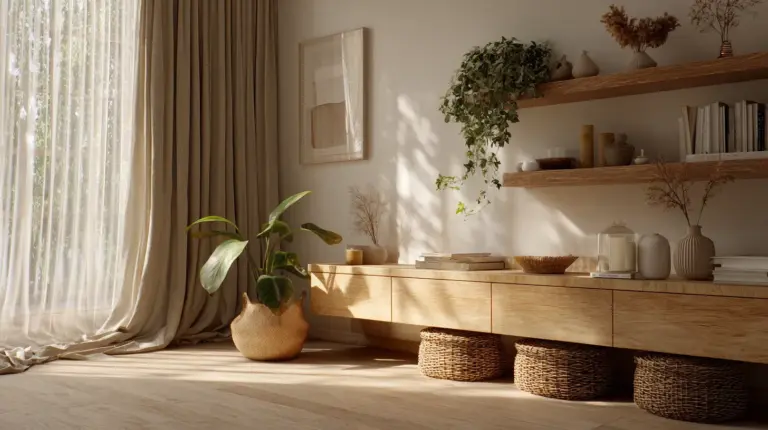
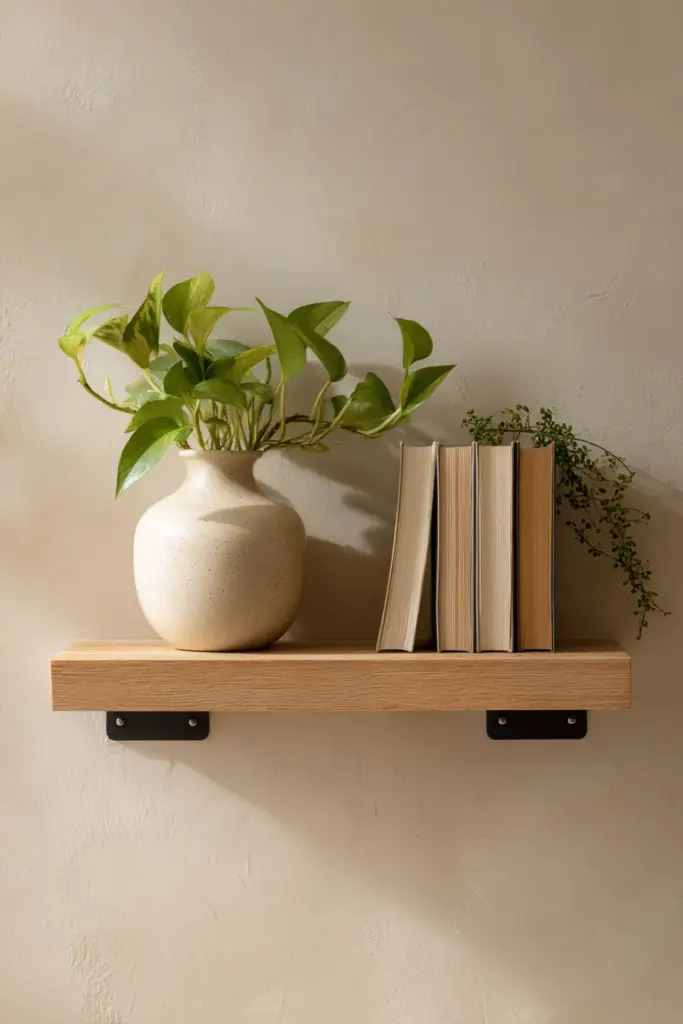
Open shelves add vertical warmth to a Japandi living room and display your curated collection of ceramics, plants, and books. Use pine boards from a lumber yard cut to your desired width, and mount with simple L-brackets painted matte black.
Estimated cost: ₱400 – ₱800 for two shelves.
Style them sparsely — one ceramic vase, one trailing plant, a small stack of books. Breathe space between each object.
DIY Slatted Wall Panel
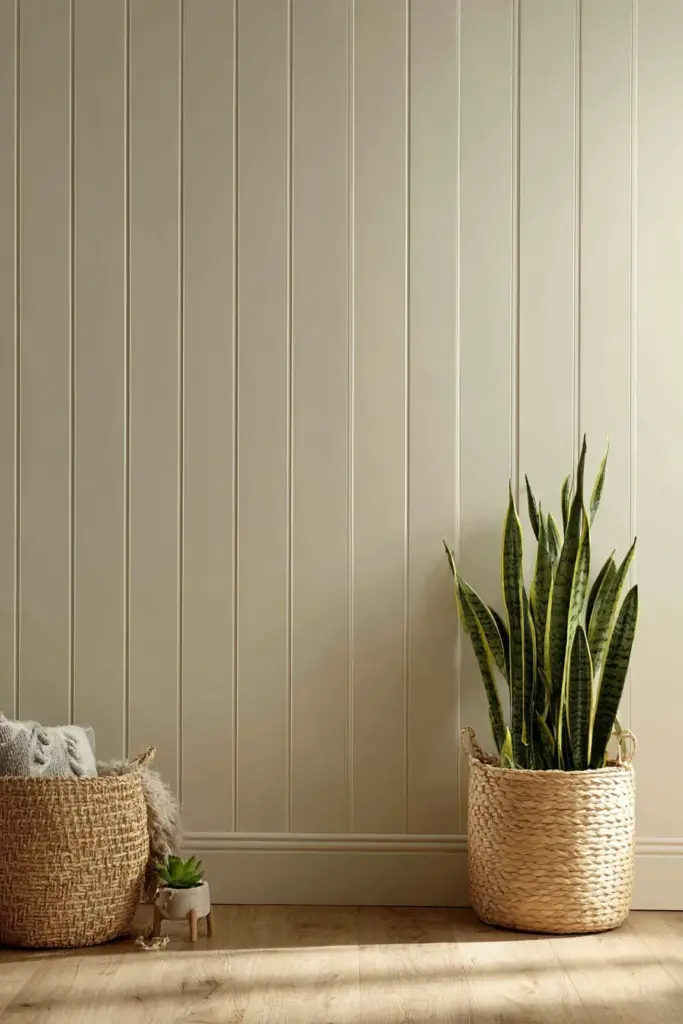
A slatted wood wall panel is the most recognizable DIY Japandi feature — and it’s surprisingly achievable even for renters.
Materials (for a 1m x 1.2m panel):
- 8–10 pcs 1×2 wood battens, 1.2m long (₱300–₱450)
- 1 sheet plywood or MDF backing (₱200–₱280)
- Flat white paint, 1 liter (₱150)
- Nails or wood glue
Space the battens evenly, paint everything the same matte white or warm greige, and mount as one freestanding panel. For renters, lean it against the wall — no drilling required.
Estimated cost: ₱650 – ₱880.
Step 4: Source Smart — Where to Find Budget Japandi Pieces in the Philippines
Shopping with Japandi in mind means knowing where to look and what to look for.
Thrift Stores and Ukay-Ukay
Some of the most beautiful Japandi pieces hide in secondhand shops. Look for:
- Simple wooden frames and trays
- Ceramic vases in earth tones
- Plain linen or cotton throw pillows (check the fabric, not the pattern)
- Low wooden stools or side tables
Online Marketplaces
Facebook Marketplace and OLX are goldmines for preloved rattan chairs, wooden shelves, and basic furniture with clean lines. Search terms like “wooden coffee table,” “rattan decor,” or “minimalist sofa” yield results regularly.
Shopee and Lazada carry affordable Japandi staples — jute rugs, linen curtains, ceramic planters, and bamboo baskets — often for under ₱300 each.
Local Hardware and Lumber Stores
Your local hardware store is your best friend for DIY Japandi. Timber, bamboo poles, plywood, and paint are all budget-friendly and available nationwide. Ask for pine or acacia offcuts — smaller pieces are often sold cheaply or given away.
Local Material Swaps: What to Buy vs. What to DIY
| Item | Buy | DIY |
|---|---|---|
| Jute rug | Buy (Shopee, ₱300–₱700) | — |
| Linen curtains | Buy or sew from raw linen fabric | Hem store-bought panels |
| Coffee table | DIY from timber | — |
| Ceramic vase | Buy (ukay or Divisoria) | — |
| Slatted wall panel | DIY | — |
| Open shelves | DIY | — |
| Rattan chair | Buy secondhand | — |
Step 5: Layer Texture and Soft Furnishings
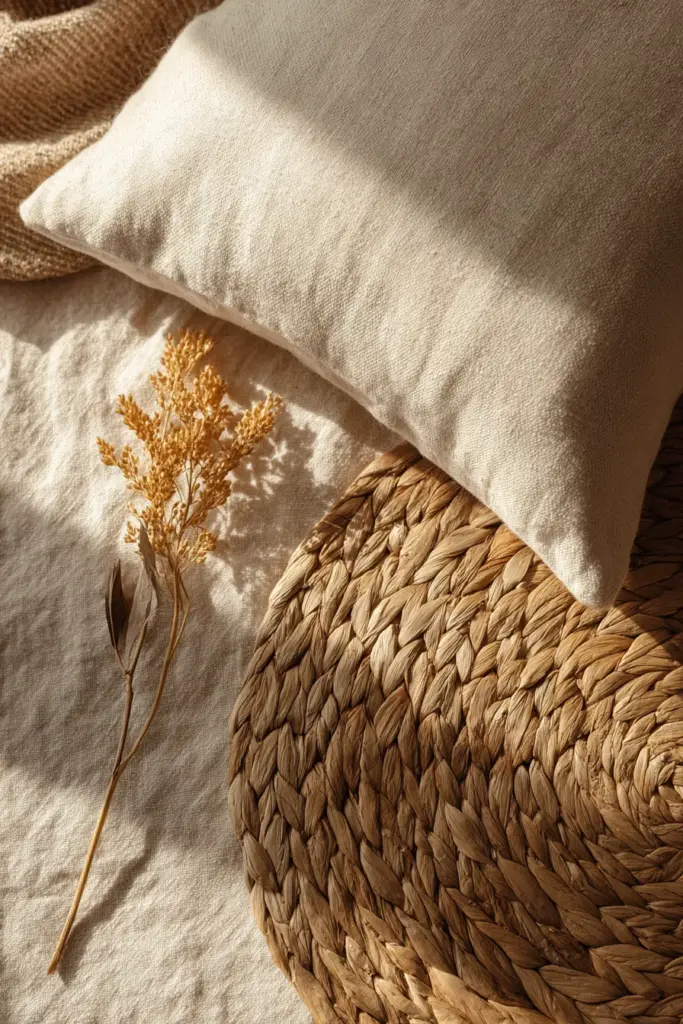
Texture is what makes a Japandi room feel warm rather than cold. It is the linen that exhales, the rattan that whispers, the jute that grounds.
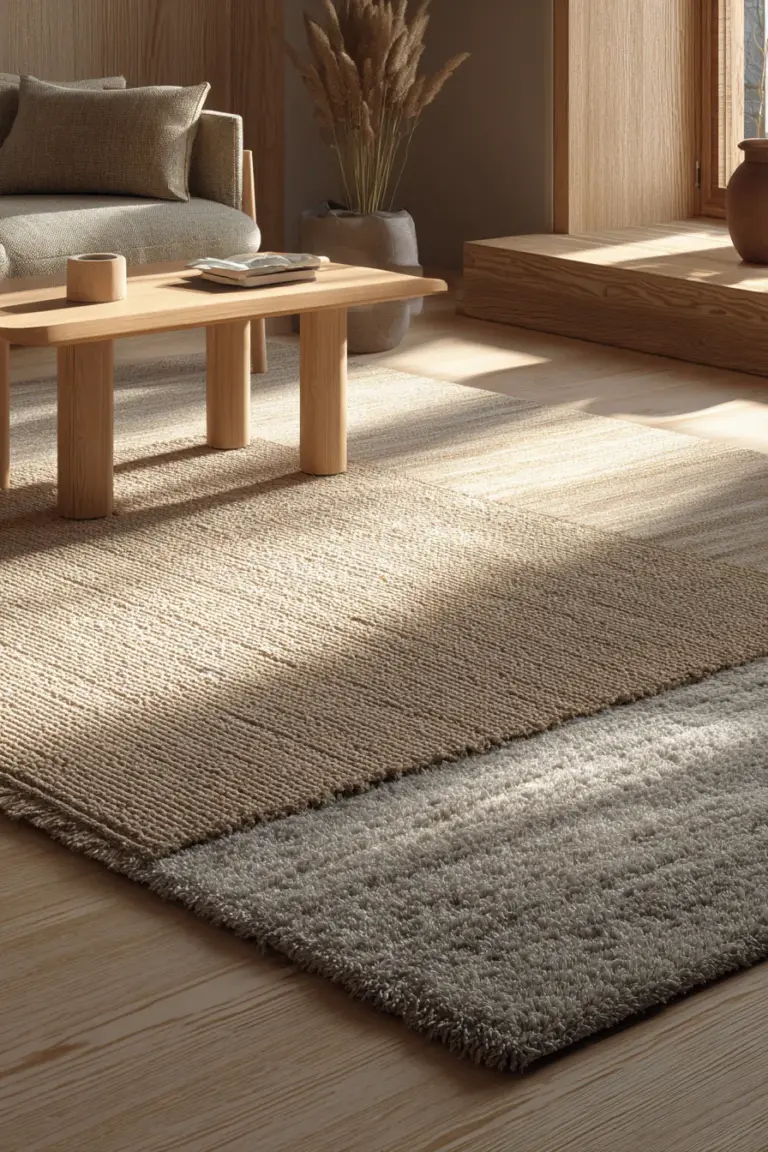
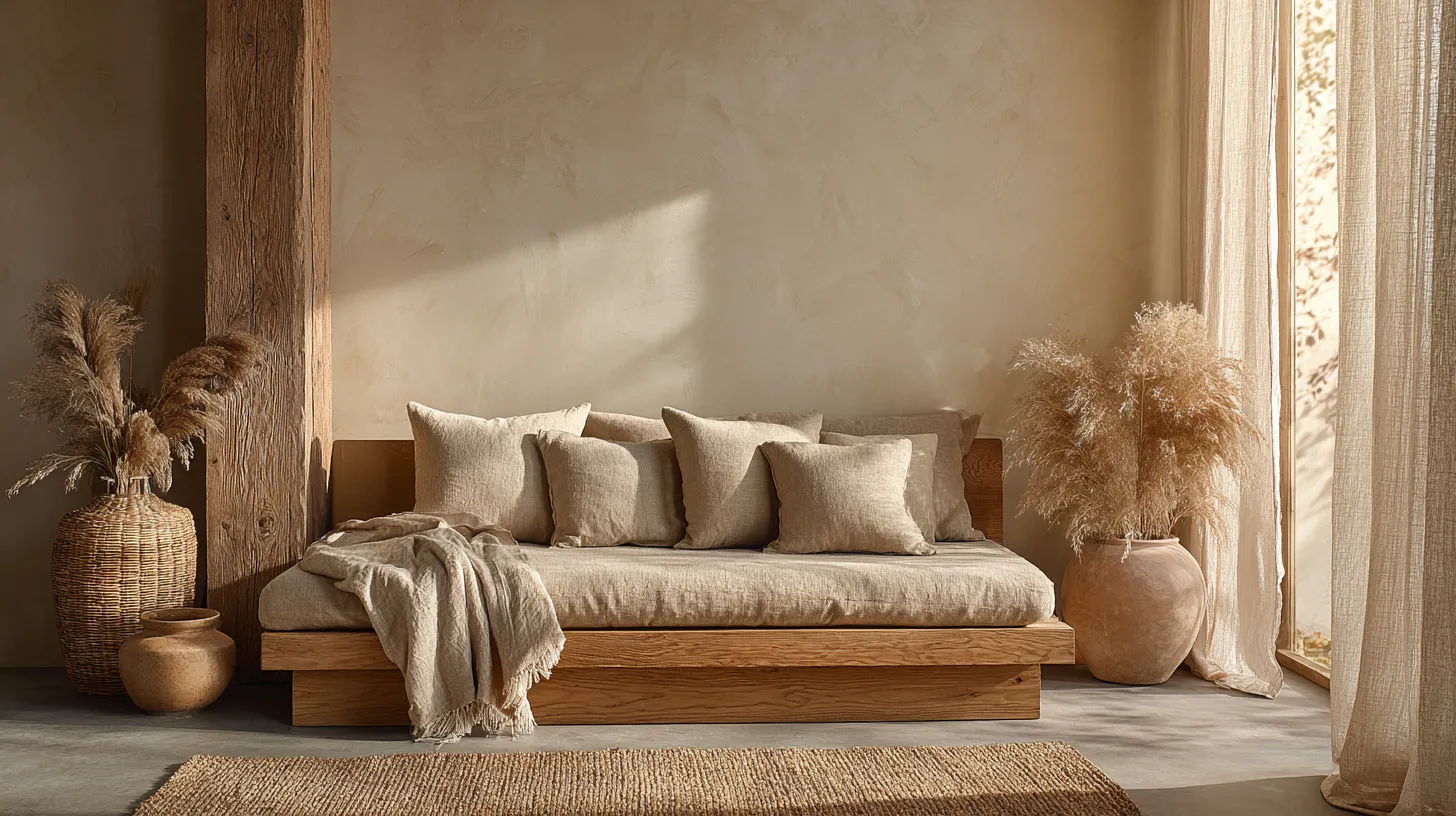
Layer your room with natural textiles in muted tones. A woven jute rug underfoot. A linen throw draped loosely over the sofa. A basket tucked beside the shelf holding extra cushions or rolled blankets.
The Japandi Textile Checklist
- Jute or sisal rug in natural, oat, or warm grey
- Linen or cotton throw in sand, cream, or sage
- 2–3 cushion covers in linen, cotton, or textured weave
- Woven rattan or bamboo basket (functional storage)
- Cotton or linen curtains — unlined for that soft diffused light
In the Philippine climate, breathable fabrics are everything. Linen and cotton allow air to move, keeping the room cool without sacrificing beauty.
Step 6: Light Your Japandi Living Room Right
Lighting in a Japandi room is soft, warm, and layered. Forget harsh overhead fluorescents. Think of the gentle amber of a candle, multiplied.
Budget Japandi Lighting Ideas
- Floor lamp with a linen or paper shade — available at local lighting stores for ₱400–₱900
- String lights or LED strip lights — warm white, 2700K, tucked behind shelves for ambient glow
- Battery-operated LED candles — safe, warm, renter-friendly
- Table lamp with a wooden or ceramic base — look for these at Divisoria or Shopee under ₱500
Pro tip: Always choose bulbs labeled warm white or 2700K. Cool white bulbs (above 4000K) will break the Japandi spell instantly.
Step 7: Add Life — Plants and Natural Accents
No Japandi living room is complete without the living breath of plants. They add organic texture, clean the air, and anchor the natural palette.
Choose simple, architectural plants that don’t demand too much attention:
- Pothos — trailing, low-maintenance, beautiful in a hanging ceramic pot
- Snake plant — upright, sculptural, ideal for corners
- Peace lily — soft, leafy, thrives in indoor light
- Bamboo stalks in water — the most Japandi plant of all
Style tip: Use matte ceramic or terracotta pots in off-white, clay, or charcoal. Avoid plastic pots unless you cover them with a woven basket or ceramic sleeve.
Natural Accent Objects
Add 3–5 carefully chosen objects to complete the room:
- A wooden tray on the coffee table to hold candles and a small plant
- A stack of 2–3 books with their spines turned inward (this is a real Japandi trick)
- A simple ceramic bowl
- A dried pampas grass stem in a tall vase
Less is always more. Every object should feel chosen, not placed.
Japandi Living Room for Philippine Renters: Renter-Safe Hacks
Many of us rent, and that means we work within walls we cannot paint, floors we cannot change, and ceilings we cannot touch. But Japandi is remarkably renter-friendly.
No-Drill, No-Paint Japandi Ideas
- Peel-and-stick wood plank wallpaper on one accent wall — removable and beautiful
- Freestanding slatted panels leaned against walls instead of mounted
- Plug-in lamps instead of ceiling fixtures
- Large area rugs to cover dated tiles or flooring
- Removable command hooks in matte black for lightweight shelves and hanging planters
- Furniture arrangement to create zones and maximize natural light
Working With What You Have
If you already own furniture in darker or brighter colors, don’t rush to replace it. A slip cover in linen, a can of chalk paint, or simply repositioning the piece can bring it into the Japandi palette.
Japandi honors the beauty of things already loved. It asks only that you see them with fresh, quieter eyes.
Before and After: A Japandi Budget Breakdown
| Item | Before | After | Cost |
|---|---|---|---|
| Sofa | Kept, recovered with linen throw | New linen look | ₱150 (throw) |
| Coffee table | Cluttered, mismatched | DIY timber table | ₱800 |
| Walls | Blank white | Warm greige paint | ₱580 |
| Lighting | Single fluorescent ceiling | 2 warm floor lamps | ₱900 |
| Rug | None | Jute rug, 160×230 | ₱650 |
| Curtains | Busy print | Linen panels | ₱480 |
| Shelves | None | DIY pine shelves | ₱600 |
| Slatted wall panel | None | DIY batten panel | ₱780 |
| Plants + pots | None | 3 plants + pots | ₱450 |
| Accessories | Scattered clutter | Ceramic vase, tray, basket | ₱390 |
| Total | ₱5,780 |
Your 5-Step DIY Japandi Living Room Checklist
- ✅ Step 1: Edit — Declutter and remove anything that doesn’t serve the space
- ✅ Step 2: Color — Paint or refresh walls in warm neutrals; choose a 70/20/10 palette
- ✅ Step 3: Build — DIY at least one key piece (coffee table, shelving, or slatted panel)
- ✅ Step 4: Source — Shop secondhand, local hardware, and online for natural materials
- ✅ Step 5: Layer — Add linen, jute, rattan, ceramics, plants, and warm lighting
Conclusion
A Japandi living room is not built in a weekend — it is grown, the way something quiet and beautiful always takes time. Each piece you choose, each surface you clear, each plant you place is an act of care for your space and for yourself.
You don’t need to spend a fortune. You need intention, patience, and a willingness to see beauty in the simple. A wooden tray. A linen curtain catching the morning breeze. The shadow of a plant on a warm wall.
That is Japandi. And that, we believe, is home.
At ERYLIN, we are always here to guide you — through the textures, the light, the small moments that make a house feel like yours. Take your time. Make it beautiful. Make it yours.
Frequently Asked Questions
What is Japandi style in a living room?
Japandi is a design philosophy that blends Japanese minimalism with Scandinavian warmth. In a living room, it means low-profile furniture, natural materials like wood and rattan, a muted neutral palette, and a calm, clutter-free atmosphere that feels both serene and cozy.
How do I make a Japandi living room on a budget?
Start by decluttering and rearranging what you already have. Paint your walls in a warm neutral, then DIY key pieces like a coffee table, open shelves, or a slatted wall panel. Source secondhand furniture and shop for natural textiles like jute, linen, and rattan through local ukay-ukay shops and online marketplaces.
What colors work best for a Japandi living room?
Stick to a 70/20/10 palette: 70% warm neutrals (beige, greige, off-white) for walls and large furniture, 20% warm wood tones for furniture and accents, and 10% anchor shades like charcoal, black, or deep muted green for cushions, lamp bases, and pots.
Can renters achieve a Japandi look without painting or drilling?
Absolutely. Peel-and-stick wood wallpaper, freestanding slatted panels, plug-in lamps, large area rugs, and removable command hooks make Japandi very achievable for renters. The key is working with what you can control — furniture arrangement, textiles, lighting, and accessories.
What natural materials should I use in a Japandi living room?
Aim for at least 3–4 natural materials: solid wood for furniture, rattan or bamboo for chairs and baskets, linen or cotton for curtains and throws, and ceramic or clay for vases and planters. In the Philippines, locally available abaca, capiz, and bamboo integrate beautifully into a Japandi palette when kept in matte, earthy tones.