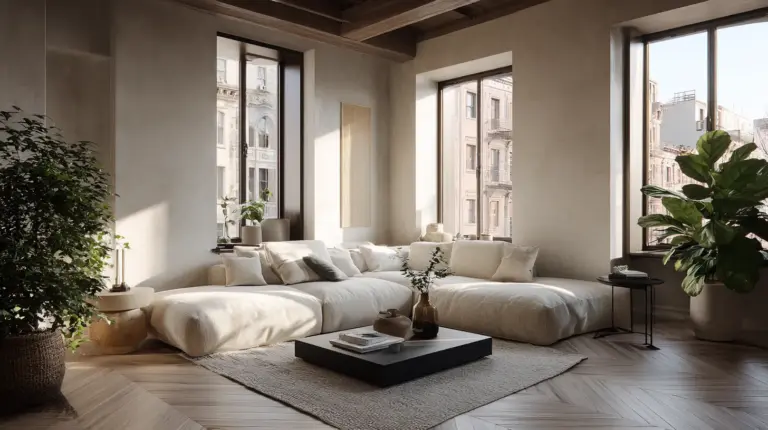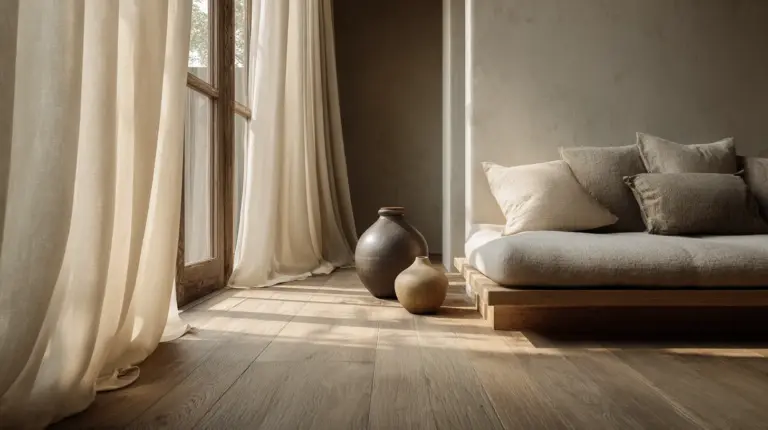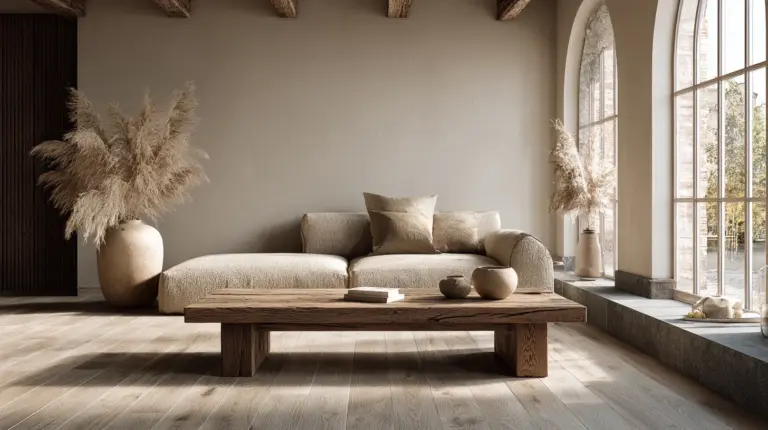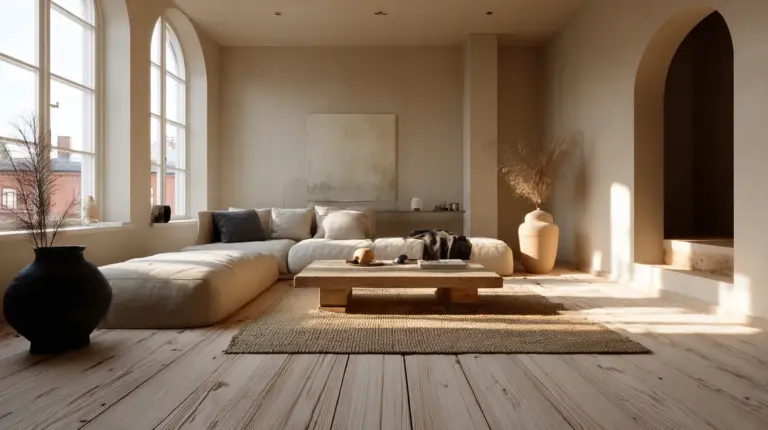

Table of Contents
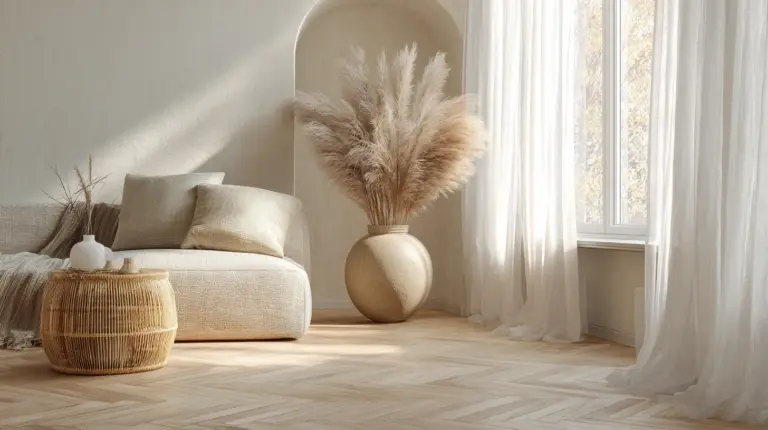
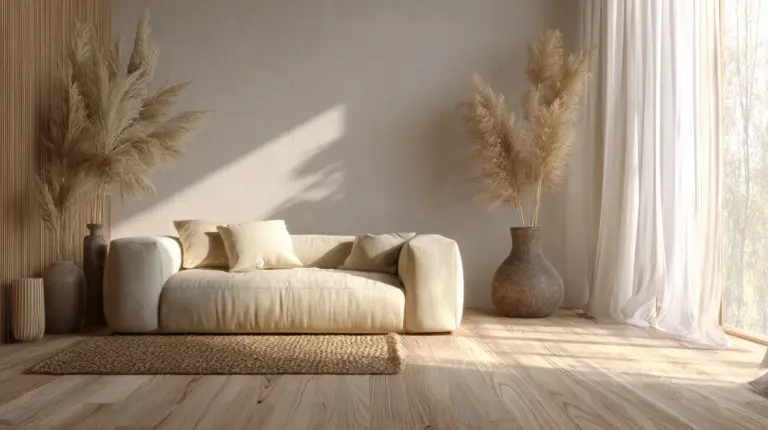
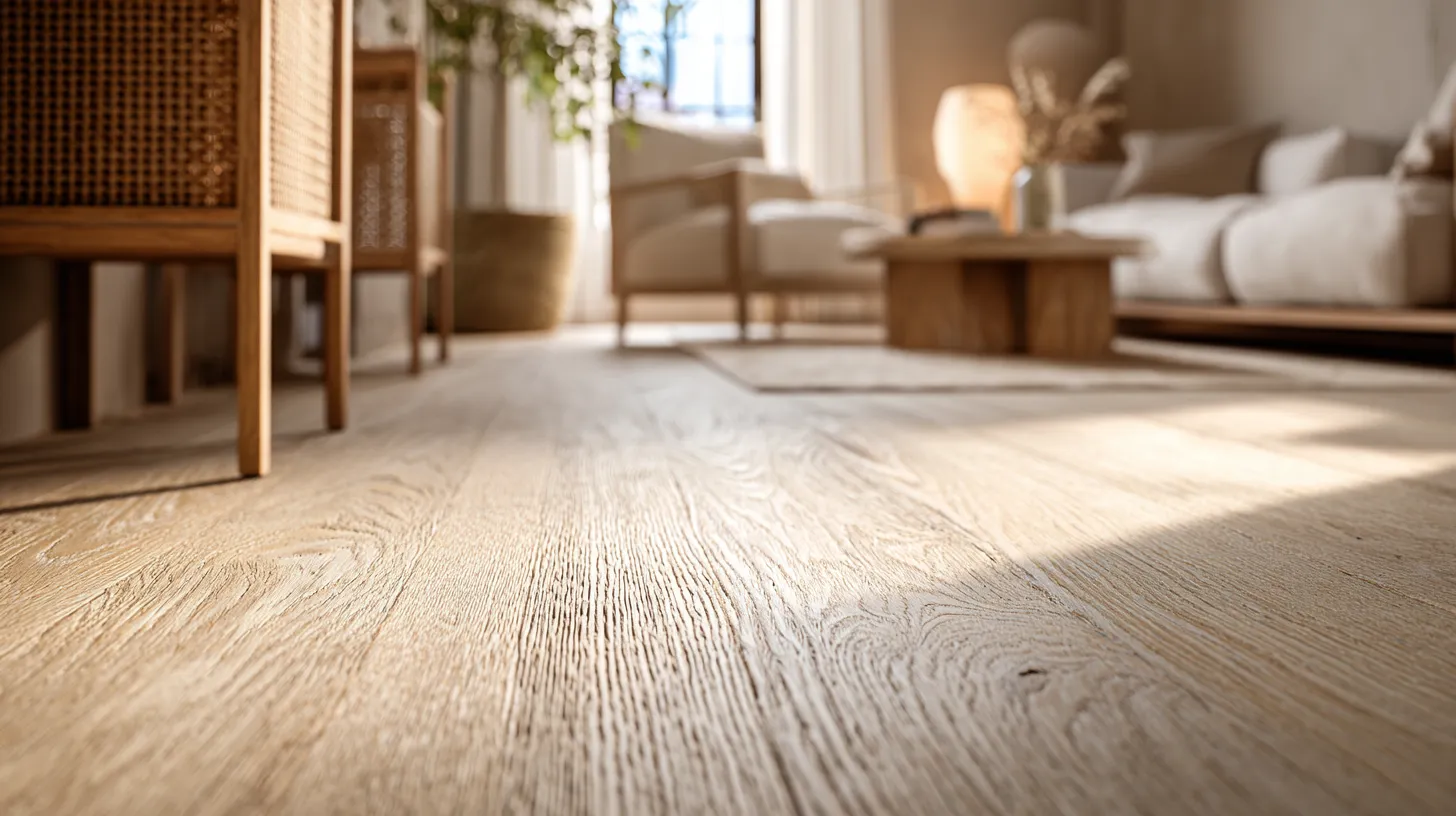
There is a particular kind of quiet that only a well-considered floor can give a room. It begins beneath your feet — the cool grain of a pale ash plank, the soft press of sealed cork, the earthy resistance of brushed concrete. Before the eye reaches the sofa or the shelves, it lands here.
Japandi design understands this. The philosophy — a tender marriage of Japanese wabi-sabi and Scandinavian hygge — places the floor not as background, but as foundation. It is the first texture you encounter, and the one that holds all others in quiet harmony.
In this guide, we explore the most beautiful, grounded, and practical Japandi living room flooring textures — with an honest eye toward what works, what lasts, and what truly feels like home. Whether you live in a compact condo in Calabarzon or a breezy open-plan space, there is a texture here waiting for you.
Let us walk through it together — slowly, as Japandi always invites.
What Are Japandi Floor Textures?
Japandi flooring is defined by its restraint. Nothing shines too brightly. Nothing calls too loudly for attention.
The textures favored in Japandi interiors are subtle, organic, and matte-finished — think the quiet grain of wide-plank oak, the fine weave of compressed bamboo, the hushed smoothness of polished concrete. Each one whispers rather than speaks.
What unifies them is an honesty about material. A bamboo floor should look and feel like bamboo. A stone tile should carry the memory of the earth it came from. This authenticity is the soul of Japandi texture.
The 5 Best Japandi Living Room Flooring Textures
1. Natural Wood — The Warm Foundation
Wood is where Japandi begins. It is the texture that feels most like coming home.
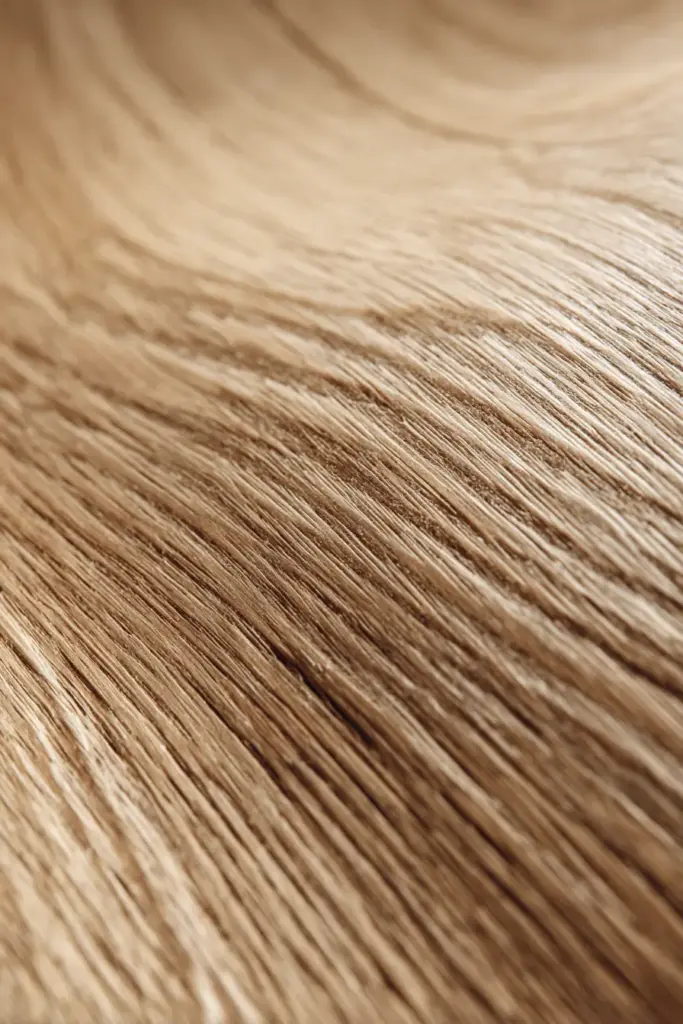
For Japandi spaces, choose light-toned species: pale ash, soft oak, or washed pine. The grain should be visible but not dramatic — a quiet story told across the surface of each plank. Wide-plank formats (at least 15 cm across) are ideal; they reduce visual noise and make smaller living rooms feel generously open.
What to Look For in a Japandi Wood Floor
- Matte or satin finish — not gloss; gloss pulls the eye and disrupts calm
- Subtle, linear grain — avoid overly knotted or figured wood
- Warm undertones — honey, sand, or pale grey-beige
Pair your wood floor with a low-profile rattan sofa, a linen throw in undyed cream, and a single ceramic pendant overhead. The light will fall across the grain like late afternoon sun — and the room will exhale.
Looking for lighting that complements this texture? Explore our warm ambient lighting ideas for Japandi spaces.
2. Bamboo — The Quiet Radical
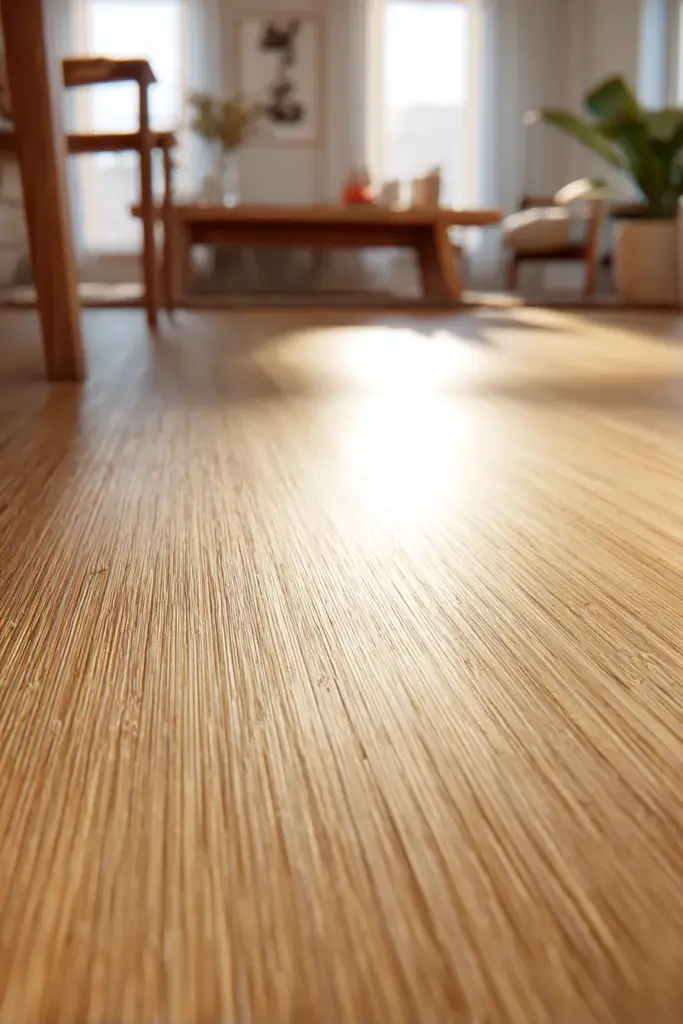
Bamboo flooring carries a different kind of energy than wood. It is tighter in grain, cooler in tone, and deeply sustainable — making it a natural fit for the eco-conscious heart of Japandi philosophy.
Strand-woven bamboo is the best choice for living rooms: it is harder than most hardwoods, resists humidity, and has a fine, almost fabric-like surface texture. In the Philippines, where humidity in Calabarzon and surrounding regions can climb steeply, bamboo’s natural resilience makes it a practical and poetic choice.
Why Bamboo Works in Tropical Japandi Homes
The bamboo grain is fine and even, which keeps the visual field calm. Its pale, neutral tones — natural tan, silvery blonde, or carbonized dark — bridge the gap between Japanese restraint and Scandinavian warmth beautifully.
It also holds its temperature well, staying cool underfoot during warm afternoons — a small luxury that matters deeply in tropical living.
Estimated local cost: ₱1,800–₱2,500 per sqm (Philippines, 2025)
3. Concrete — The Grounded Minimalist
Bare concrete in a living room sounds stark. But textured, sealed, and softened by natural elements, it becomes something meditative.
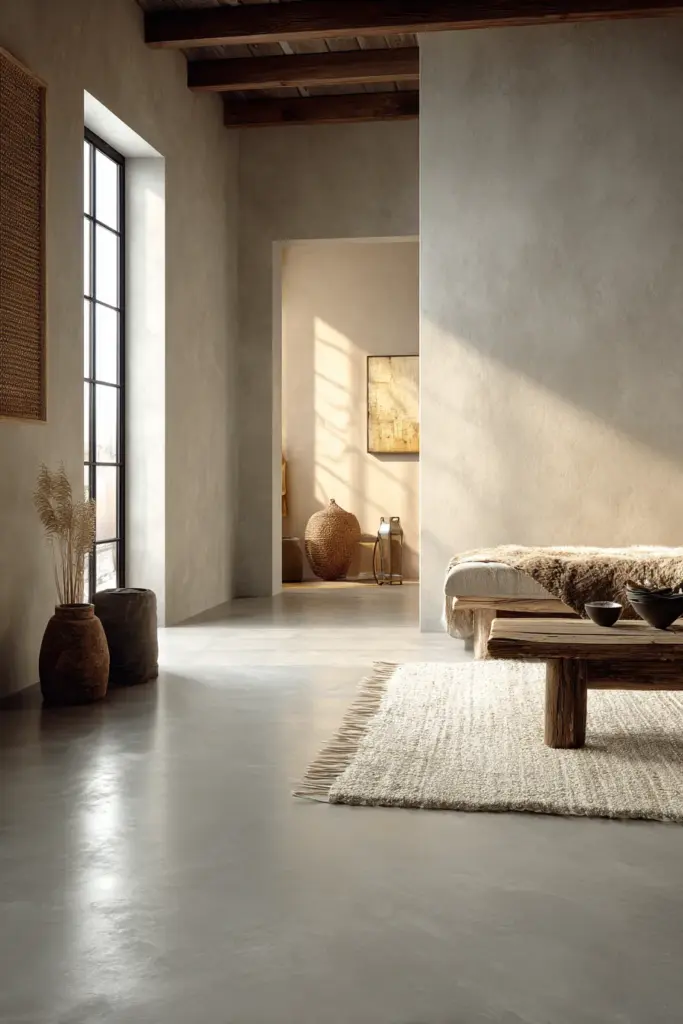
Japandi concrete floors are not the raw poured slabs of an unfinished space. They are microcement or polished overlays — surfaces that carry gentle variations in tone, a faint mottled pattern that recalls stone or dried earth. The matte sealant is essential; it catches light softly and prevents the cold clinical look that most people fear.
Pair a concrete floor with a thick, tufted wool rug in warm ivory and a low Japanese-style coffee table. The contrast between the solidity of concrete and the softness of textile is one of Japandi’s most satisfying textures.
Concrete for PH Homes
Microcement overlays are increasingly available from Filipino suppliers and work well over existing tile — a significant advantage in older condos and townhouses. They are also highly resistant to humidity when properly sealed.
Estimated local cost: ₱2,000–₱3,500 per sqm (installation included)
4. Cork — The Forgotten Warmth
Cork is perhaps the most underrated flooring texture in the Japandi vocabulary. Press your palm against it and feel the gentle give — there is nothing quite like it.
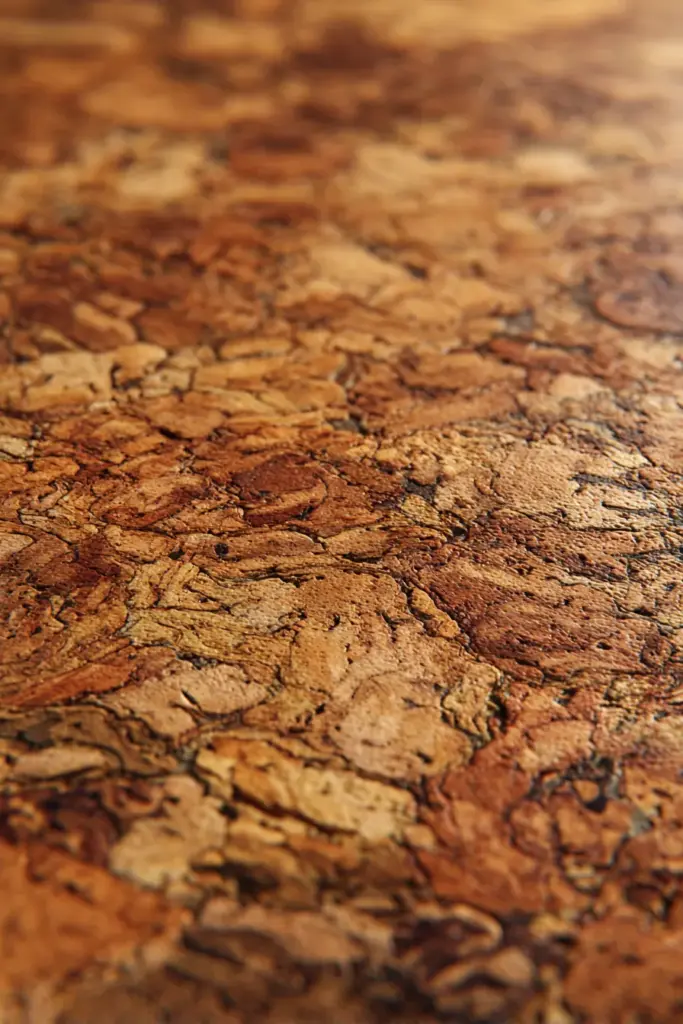
Cork has a soft, organic grain — a pattern of tiny cells visible up close, like a cross-section of a living thing. Its surface feels warm underfoot even in air-conditioned rooms. It absorbs sound beautifully, making it ideal for compact apartments where noise carries.
For Japandi interiors, choose cork in its natural honey-amber tones, or in the pale, bleached finish that reads almost like pale stone. A matte topcoat keeps the texture authentic and prevents the plasticky sheen that lower-quality cork can develop.
Estimated local cost: ₱1,500–₱2,200 per sqm
5. Stone and Stone-Look Tile — The Ancient Quiet
Stone carries geological time in its surface. Every vein, every fleck of mineral, every variation in tone is a record of something older than design.
For Japandi living rooms, natural stone like honed slate, limestone, or pale sandstone creates an extraordinary sense of grounded permanence. However, stone requires annual sealing and careful maintenance — and in the Philippines, the weight and cost can make it impractical for many homes.
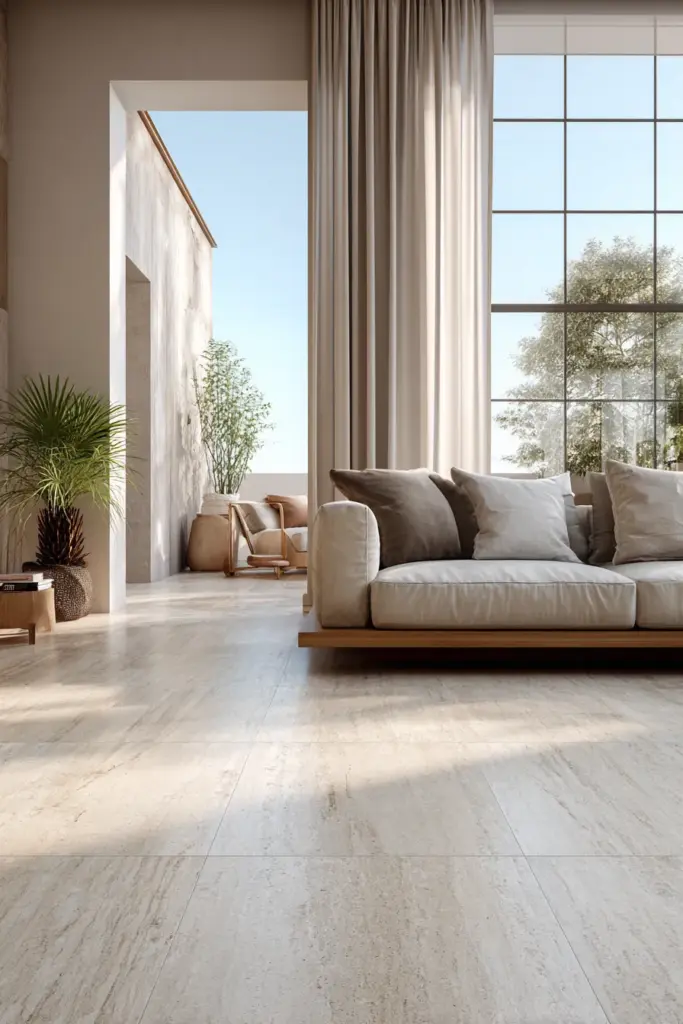
This is where wood-look porcelain tile and textured stone-effect ceramic offers a beautiful compromise. Modern tile technology produces surfaces with remarkable depth: the pitting of travertine, the veining of marble, the fine grain of slate — all in a format that tolerates humidity and heavy use without protest.
Stone Tiles for Humid Climates
Choose a matte or lightly textured finish to avoid slipperiness in rainy months. Rectified tiles with minimal grout lines extend the Japandi visual — fewer interruptions, more calm.
Estimated local cost: ₱800–₱2,000 per sqm (stone-look tile)
Flooring Texture Comparison Table
| Material | Texture Feel | Finish | Humidity Resistance | Est. Cost (PH, per sqm) | Best For |
|---|---|---|---|---|---|
| Natural Wood | Warm, grainy | Matte/satin | Moderate (seal annually) | ₱2,000–₱4,500 | Main living area |
| Bamboo | Fine, cool-smooth | Matte | High | ₱1,800–₱2,500 | Tropical/PH homes |
| Concrete/Microcement | Earthy, minimal | Matte | High (when sealed) | ₱2,000–₱3,500 | Minimalist lofts |
| Cork | Soft, organic | Matte | Moderate | ₱1,500–₱2,200 | Quiet, cozy rooms |
| Stone/Stone-look Tile | Cool, varied | Matte/honed | Very high | ₱800–₱2,000 | Humid climates |
Is Matte or Glossy Better for Japandi Flooring?
Matte. Always matte.
Glossy finishes reflect too much light — they amplify visual noise, show every footprint, and carry an energy that is the opposite of Japandi calm. A matte or satin surface, by contrast, diffuses light gently. It makes the texture of the material visible rather than reflected away.
There is also a practical argument: matte finishes hide minor scratches and scuffs far more forgivingly than gloss. In a living room where bare feet and furniture meet the floor daily, this matters enormously.
What Wood Finish Works Best for Japandi Style?
Light species with a matte oil or hardwax seal are the gold standard. Pale ash and white oak are the most beloved choices — both carry fine, even grain and accept light stains beautifully.
Avoid: dark stains, high-gloss lacquers, and heavy orange-toned finishes that read as traditional rather than contemporary Japandi. The goal is a floor that looks like it has always been there — quietly beautiful, never decorated.
Pair with our cozy Japandi furniture guide to complete the look.
Japandi Flooring Textures for Small Living Rooms
Small spaces require particular care. The wrong flooring texture can make a compact room feel fragmented and tight.
For small Japandi living rooms, these principles help most:
- Choose wide planks or large-format tiles — fewer grout lines and seams mean a calmer, visually larger floor
- Run planks lengthwise along the longest dimension of the room to draw the eye forward
- Use a single, continuous material — no borders, no inlays, no abrupt transitions
- Keep the floor tone light — pale ash, natural bamboo, or ivory-toned concrete all open a room considerably
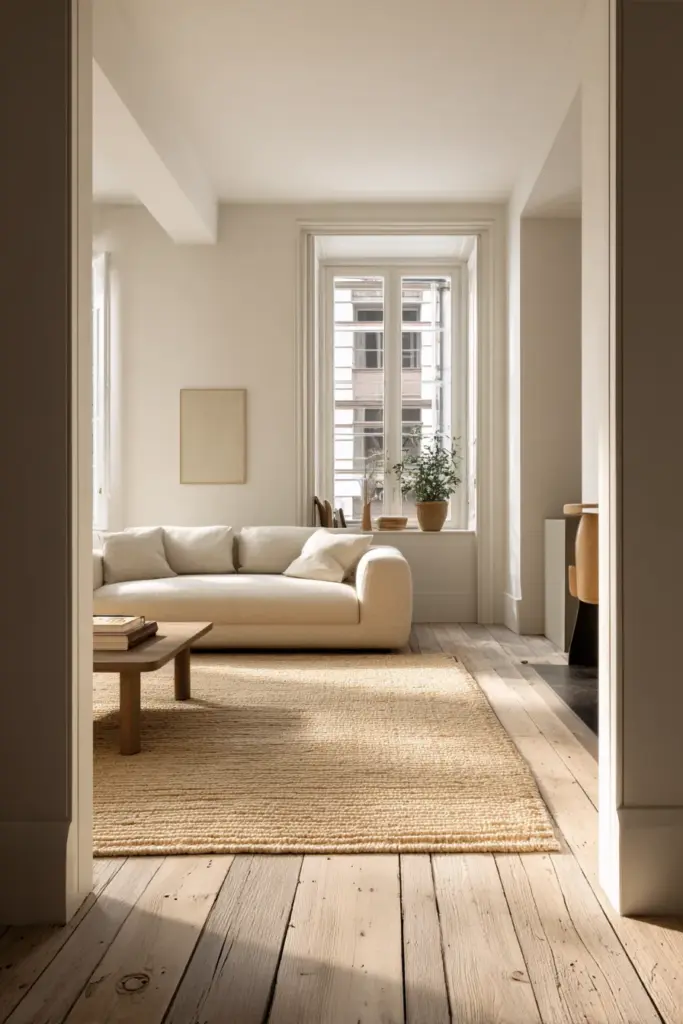
- Layer texture with a rug thoughtfully — a simple, flatwoven rug in natural jute or undyed wool adds warmth without visual weight
A floating shelf above the rug, rather than a heavy sideboard beside it, keeps the floor’s expanse visible and the room feeling open.
Maintaining Your Japandi Floor Texture
Texture only looks beautiful if it is cared for. Each material has its own gentle rhythm of maintenance.
Natural Wood
Sweep with a soft bristle brush — never vacuum with a beater bar, which can scratch the grain. Mop lightly with a barely damp cloth and a pH-neutral cleaner. Re-oil or re-seal every 1–2 years to maintain the matte finish and protect against moisture.
Bamboo
Vacuum with a soft floor attachment, always moving in the direction of the grain. Wipe spills immediately — standing water is bamboo’s main enemy. Re-coat with a bamboo-specific matte sealant every 2–3 years.
Concrete/Microcement
Sweep or dust-mop daily in high-traffic areas. Clean with a mild, non-acidic cleaner. Seal annually — this is non-negotiable for humidity-prone PH homes; without it, microcement will absorb moisture and stain.
Cork
Use a soft broom and a barely damp mop with gentle soap. Avoid rubber-backed mats directly on cork; they can cause permanent staining. Re-seal every 2 years.
Stone and Stone-look Tile
Stone-look porcelain requires minimal care — mop with warm water and a stone-safe cleaner. Natural stone needs annual sealing to resist moisture and staining. For textured tiles, a soft grout brush occasionally keeps the surface crisp.
DIY Japandi Texture Hacks
Not every floor needs to be replaced to feel more Japandi. Sometimes the texture you want is already beneath you — it just needs to be revealed.
- Matte wood stain over old timber floors: Sand lightly, apply a water-based matte stain in a pale grey-beige or natural oak tone, and finish with a matte hardwax oil. The result reads as a completely different, calmer floor.
- Tatami-inspired rush mat overlays: Natural rush or seagrass mats laid over existing tile add immediate warmth and organic texture, especially under a low sitting area.
- Concrete paint over ceramic tile: A quality microcement paint applied over old ceramic tile (by a professional) can transform a glossy, dated surface into a matte, earthy Japandi canvas for a fraction of full installation cost.
Japandi Flooring Checklist
Before you choose or update your floor, run through this:
- Choose matte over gloss — always
- Prioritize natural, organic textures: wood grain, bamboo weave, stone veining
- In humid PH climates, favor bamboo, microcement, or stone-look tile for their moisture resilience
- Use wide-plank or large-format materials in small rooms to visually expand the space
- Keep undertones warm and neutral — sand, pale ash, natural tan, soft grey
- Layer gently with a natural-fiber rug — jute, wool, or cotton in undyed tones
- Seal and maintain your floor seasonally — texture only lasts if it is tended
- Consider DIY matte staining before committing to a full floor replacement
A Soft Conclusion
The floor is where Japandi living begins. It is the quiet layer beneath everything else — beneath the linen cushions and the ceramic vases and the single branch of dried eucalyptus in the corner. It asks nothing dramatic of you. It simply holds you.
When you choose a texture that is honest about what it is — wood that looks like wood, bamboo that carries its fine natural grain, stone that remembers the earth — you create a room that feels rooted. Unhurried. Yours.
At ERYLIN, we believe that beauty is never loud. It is found in the texture beneath your feet on a slow Saturday morning. We hope this guide helps you find it.
Explore more at ERYLIN: warm lighting for Japandi spaces | cozy furniture ideas | natural materials guide
Frequently Asked Questions
What is the best flooring for a Japandi living room?
Natural wood with a matte finish is the most classic choice — pale ash and white oak are especially beloved. For humid climates like the Philippines, strand-woven bamboo or high-quality stone-look porcelain tile offer excellent durability while keeping the Japandi aesthetic intact.
What are Japandi floor textures?
Japandi floor textures are subtle, organic, and matte-finished. They include the fine grain of bamboo, the linear pattern of wide-plank wood, the quiet variation of polished concrete, the cellular softness of cork, and the natural veining of stone or stone-look tile. The unifying quality is an honest, quiet beauty — nothing forced, nothing decorative.
Is matte or glossy better for Japandi flooring?
Matte is always better for Japandi. Matte finishes ground the room visually, allow the material’s natural texture to show, and maintain the sense of calm that glossy finishes disrupt. They also hide everyday wear more gracefully.
What wood finish is best for Japandi style?
A matte oil or hardwax finish over pale ash, white oak, or lightly washed pine is ideal. Avoid high-gloss lacquers and heavy pigmented stains. The goal is a finish that lets the natural grain speak quietly — sealed and protected, but never masked.
Can you use tiles for Japandi flooring?
Absolutely. Wood-look porcelain tiles and matte stone-effect ceramics are excellent options, particularly in the Philippines where humidity can be challenging for natural materials. Choose large-format tiles with matte or lightly textured finishes and minimal grout lines for the most authentic Japandi look.