
Table of Contents
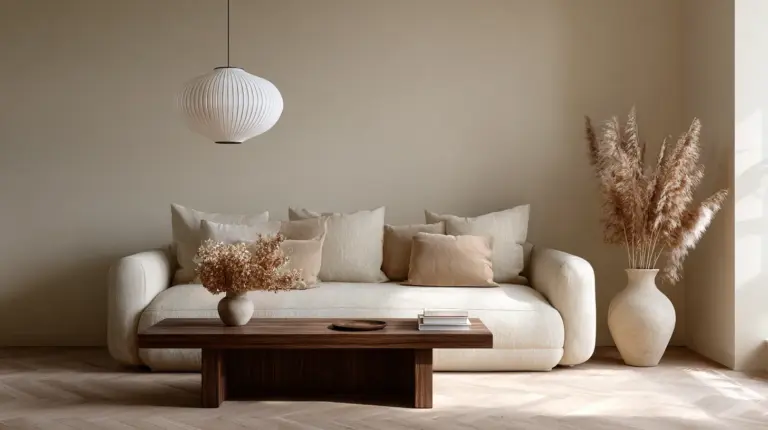
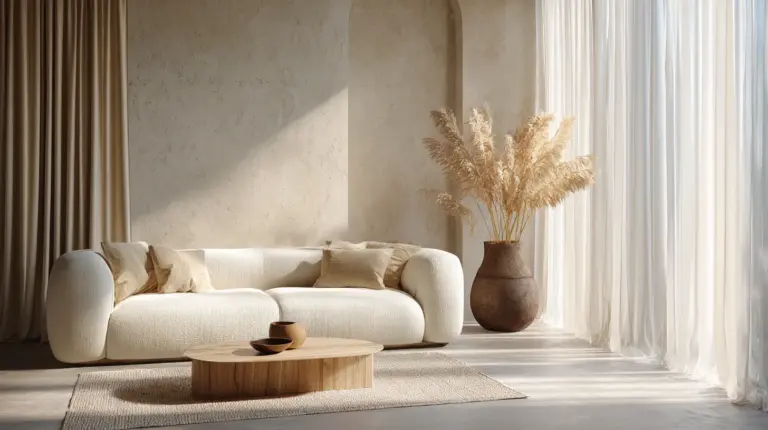
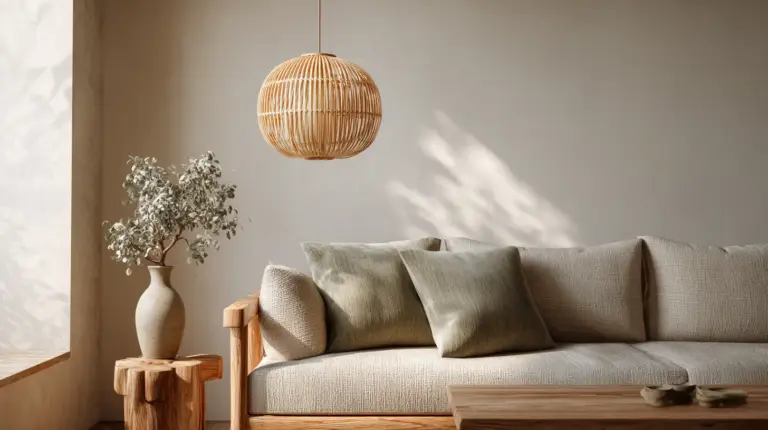
There is something quietly magical about a living room that breathes. Not just in the way light falls across linen cushions or how a wooden coffee table carries the warmth of the grain — but in the way a single, well-chosen plant can anchor a room to the earth, to slowness, to something real.
That is the heart of Japandi design. It is a philosophy born from the meeting of Japanese wabi-sabi — the beauty of imperfection and impermanence — and Scandinavian hygge — the art of cozy, intentional living. Together, they create interiors that feel both spare and deeply nourishing.
Plants are not accessories in a Japandi living room. They are essences. They bring organic texture into a palette of muted stone, warm sand, and soft charcoal. They move with the air. They remind you, gently, that beauty grows slowly and without effort.
If you have been wondering how to weave greenery into your living space with the quiet elegance that Japandi calls for, you are in exactly the right place. At ERYLIN, we believe in living with intention — and every plant idea here has been chosen with that softness in mind.
What Makes a Plant Feel “Japandi”?
Not every plant belongs in a Japandi room, and that is the beauty of it. Japandi greenery follows its own quiet rules.
The plants that thrive in this aesthetic tend to be sculptural in shape, low-maintenance by nature, and grounded in organic simplicity. Think upright forms, arching silhouettes, and leaves that catch light without demanding attention.
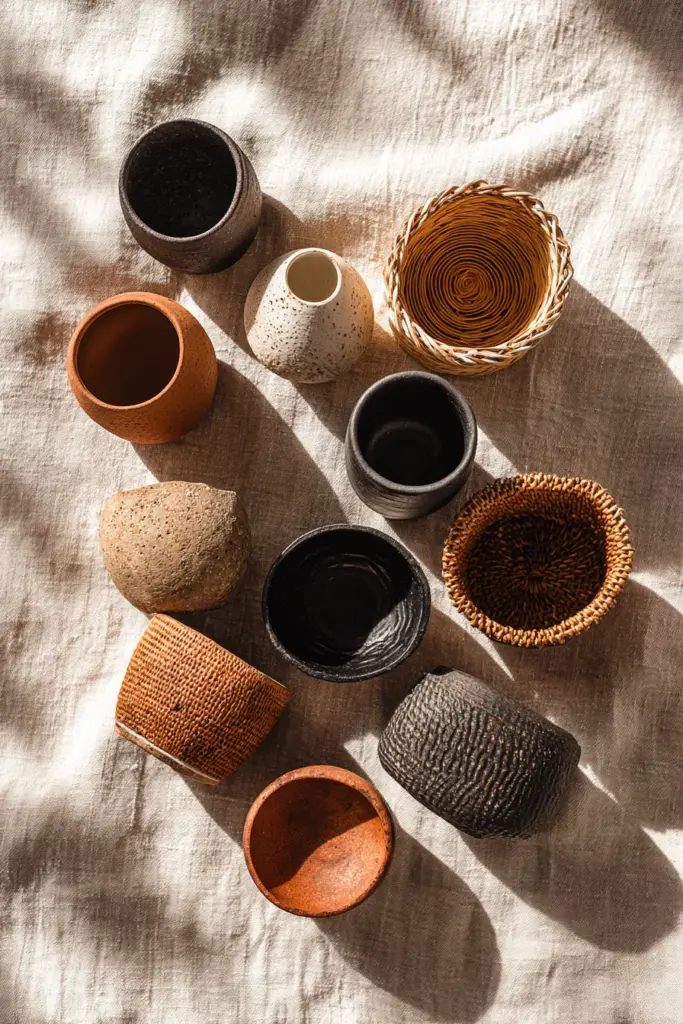
They sit in neutral-toned planters — matte clay, raw stoneware, unglazed ceramic, or woven rattan. Never plastic, never glossy, never competing with the plant itself. The pot is part of the design, and silence is part of its language.
They also tend to be air-purifying, drawing from biophilic design principles that remind us our bodies and minds respond to nature in deeply restorative ways. A Japandi living room with the right plants does not just look calmer — it feels calmer.
The Best Plants for a Japandi Living Room
Snake Plant (Sansevieria trifasciata)
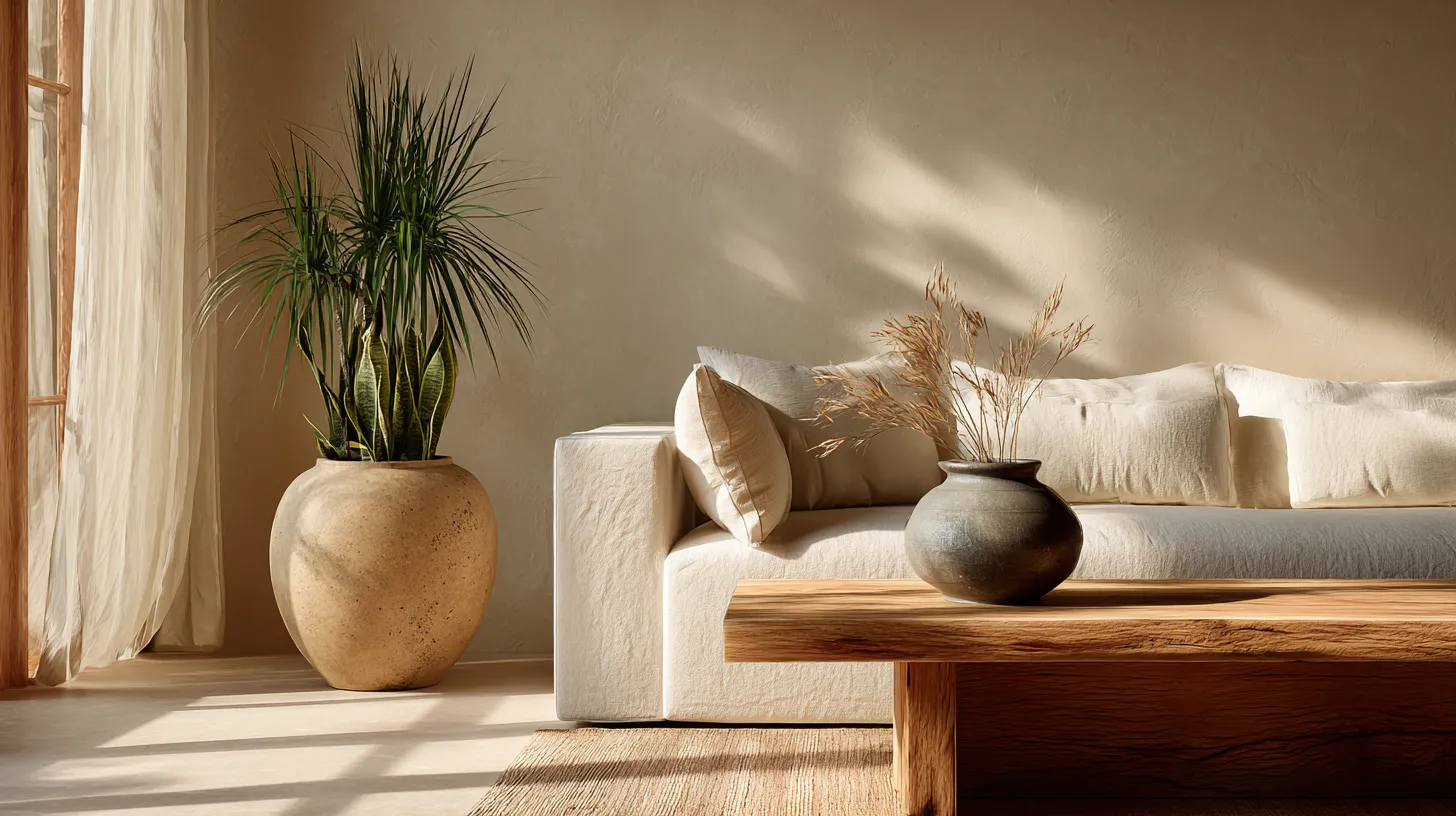
If Japandi had a mascot, the snake plant would be it. Its tall, architectural leaves rise like brushstrokes — vertical, deliberate, quietly dramatic. It asks for almost nothing: indirect light, infrequent watering, and a beautiful pot to stand in.
It is one of NASA’s top-ranked air-purifying plants, absorbing toxins like formaldehyde and benzene while releasing oxygen overnight. Place it in a corner of your living room where it can stand alone, or group two at different heights for natural asymmetry. In the humid Philippine climate — where indoor humidity can sit above 80% — the snake plant adapts beautifully.
ZZ Plant (Zamioculcas zamiifolia)
The ZZ plant is your answer to low light and a busy lifestyle. Its glossy, dark green leaves are almost sculptural in their precision — each one arranged along graceful arching stems that emerge from the soil with a quiet elegance.
It tolerates neglect with grace, thriving in indirect or even artificial light. For beginners exploring Japandi living, the ZZ plant is a gentle, forgiving first step. Pair it with a matte black or deep clay pot and let it anchor a reading nook or shelf corner.
Fiddle Leaf Fig (Ficus lyrata)
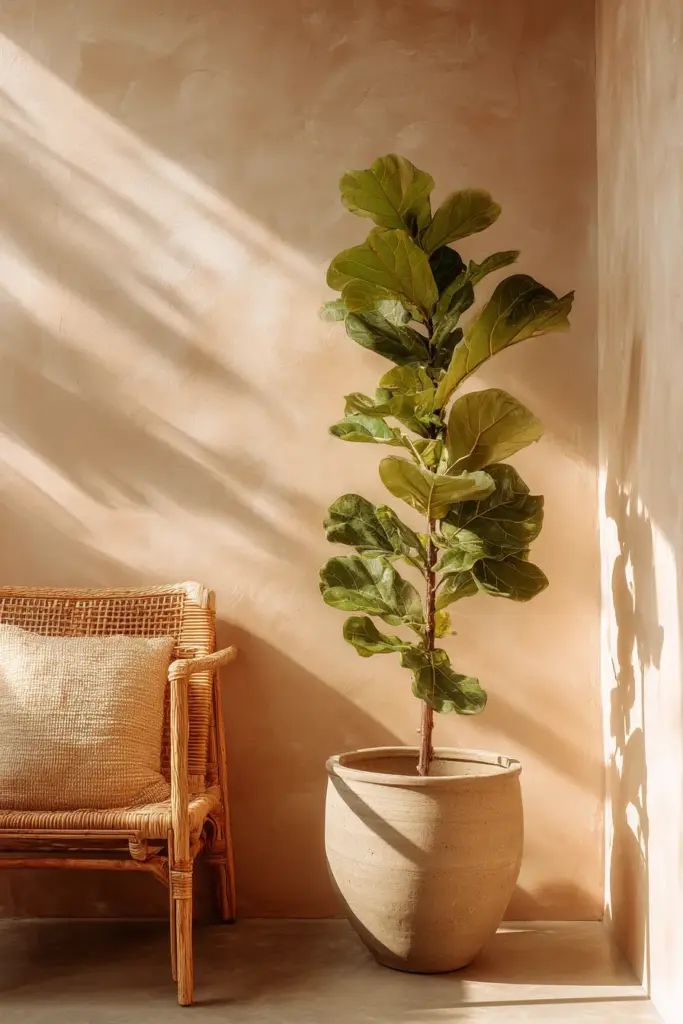
The fiddle leaf fig brings drama to a Japandi room — but drama of the quiet, considered kind. Its broad, wavy leaves capture light beautifully, creating soft shadows that move across walls as the day changes.
It needs bright, indirect light and consistent care, making it slightly more attentive than the snake plant — but the visual reward is extraordinary. Style it as a floor plant beside a linen sofa or a natural rattan chair, and let it become the room’s living focal point. Tall fiddle leaf figs paired with trailing philodendrons below create the asymmetric layering that Japandi styling celebrates.
Peace Lily (Spathiphyllum)
Soft, rounded, and impossibly graceful — the peace lily brings a feminine quietness to a Japandi palette. Its deep green leaves and delicate white blooms echo the Japanese appreciation for seasonal beauty and transience.
It is a low-light champion, ranking among NASA’s best air-purifying plants for removing airborne toxins like ammonia and mold spores. In a room with limited natural light, the peace lily is both practical and poetic. Place it on a low wooden bench or directly on the floor in a stone planter for an effortlessly grounded look.
Chinese Money Plant (Pilea peperomioides)
Round, cheerful, and deeply charming — the pilea brings a sense of playfulness that never feels out of place in a Japandi room. Its coin-shaped leaves on slender stems catch every shift of air, giving the plant a gentle, living quality.
It is also one of the easiest plants to propagate at home. When a new shoot emerges from the soil, simply root it in a small glass of water until it develops roots, then transfer to a terracotta pot. This sustainable practice of propagating your own plants aligns beautifully with Japandi’s values of slow living and resourcefulness.
Cast Iron Plant (Aspidistra elatior)
The cast iron plant is as dependable as its name suggests. Deep green, long-leafed, and dramatically low-maintenance, it handles low light, infrequent watering, and temperature fluctuations without complaint.
In a Japandi living room, it works beautifully in a dark corner that needs life without fuss. Its matte, strappy leaves pair well with woven baskets and natural fiber rugs, adding texture without visual noise.
Trailing Philodendron
Trailing plants introduce a softness and flow that upright sculptural forms cannot. The philodendron cascades over shelves, spills from elevated planters, and softens the hard edges of furniture and architecture.
Layer it with a tall fiddle leaf fig or snake plant to create the vertical hierarchy that gives a Japandi room its dimensional, breathing quality. In the warm Philippine humidity, philodendrons grow lushly — rooting trailing stems in water before potting them is an easy DIY that keeps your plant collection growing sustainably.
Aloe Vera
Aloe is practical, beautiful, and quietly functional. Its spiky rosette form is unmistakably sculptural, and its ability to purify indoor air adds another layer of purpose to its presence.
Keep a small aloe on a coffee table or windowsill in a simple clay pot. In warmer climates like Metro Manila, aloe thrives on a bright balcony or near a south-facing window, growing steadily with almost no intervention. Its calming properties — both aesthetic and medicinal — make it a natural fit for Japandi’s philosophy of purposeful beauty.
Spider Plant (Chlorophytum comosum)
For those with pets, the spider plant is one of the most important Japandi choices you can make. It is non-toxic to cats and dogs — unlike the fiddle leaf fig or certain ficus varieties — making it a safe and beautiful addition to a family living room.
Its arching green-and-white striped leaves soften high shelves and hanging planters with natural grace. It is one of the most resilient plants available: tolerating irregular watering, indirect light, and even air conditioning, which is essential in Philippine homes.
Rosemary or Herb Cluster on the Coffee Table
This is the Japandi idea most people overlook. A small pot of rosemary on the coffee table does double duty — it is both a living design element and a functional herb for your kitchen.
The soft grey-green of rosemary leaves fits the Japandi neutral palette perfectly, and its fragrance adds an invisible sensory layer to your living space. Style it in a small unglazed terracotta pot or a wabi-sabi glazed ceramic. This multifunctional approach — beauty that serves — is at the core of what Japandi design stands for.
How to Style Plants in a Japandi Living Room
Use Asymmetry, Not Symmetry
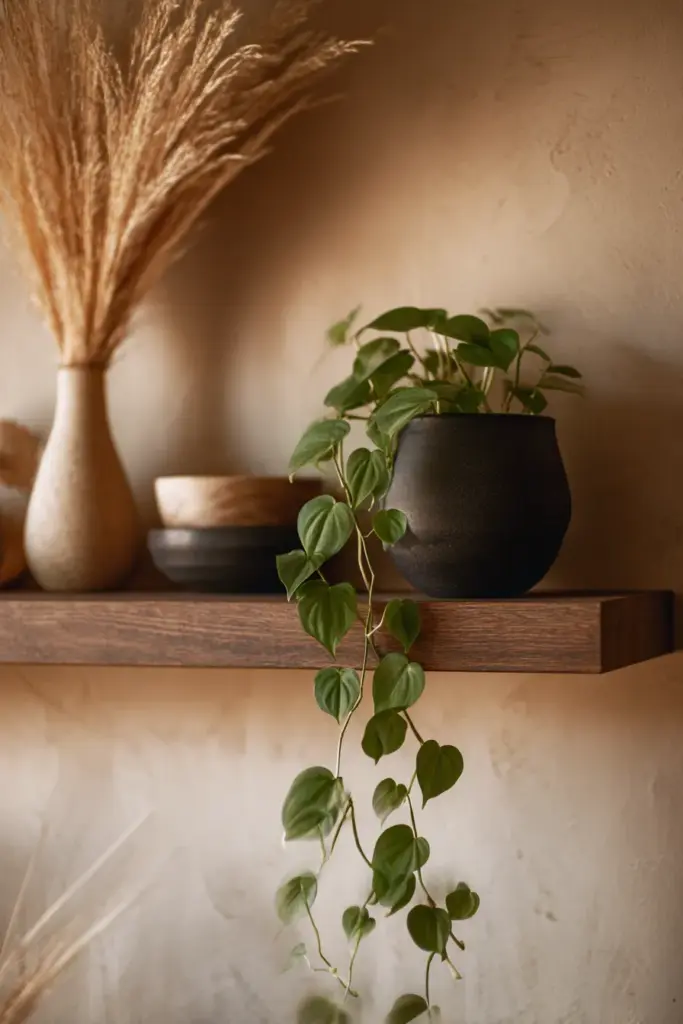
Japandi is not about matching pairs on either side of a fireplace. It is about visual weight distributed with intention. Place a tall snake plant in one corner, a trailing philodendron on a shelf at mid-height, and a small pilea on the coffee table — creating a triangle of greenery that the eye follows naturally.
Choose Planters That Whisper, Not Shout
Every planter should feel like it grew from the earth rather than a factory. Matte stoneware, raw clay, unglazed ceramic, and woven rattan are your materials. Keep the palette in warm neutrals — cream, sand, warm grey, terracotta, charcoal. Avoid painted or glossy surfaces that compete with the plant’s organic beauty.
Layer Heights for Depth
A Japandi living room with plants at only one height feels flat. Build vertical interest by combining floor plants (fiddle leaf fig, snake plant), mid-height shelf plants (ZZ plant, cast iron plant), and tabletop or trailing plants (pilea, philodendron, rosemary). This creates the layered, living quality of a landscape rather than a display.
Embrace Negative Space
In Japandi, what you don’t place is as important as what you do. One beautifully chosen plant in the right spot carries more weight than five crowded together. Let each plant breathe. Let the empty space around it speak.
Consider Light Zones Before Buying
Before purchasing any plant, know your room’s light reality. North-facing rooms need cast iron plants, ZZ plants, and peace lilies. East or west-facing rooms welcome snake plants, philodendrons, and aloe vera. Bright south-facing spaces can support fiddle leaf figs and rosemary.
Japandi Plant Care Table: Light, Humidity & PH Climate Guide
| Plant | Light Needs | Watering | PH Humidity (80%+) | Pet-Safe |
|---|---|---|---|---|
| Snake Plant | Low to bright indirect | Every 2–4 weeks | Thrives | No |
| ZZ Plant | Low to indirect | Every 2–3 weeks | Thrives | No |
| Fiddle Leaf Fig | Bright indirect | Weekly | Monitor for pests | No |
| Peace Lily | Low to indirect | Weekly | Thrives | No |
| Chinese Money Plant | Bright indirect | Weekly | Thrives | Yes |
| Cast Iron Plant | Low | Every 2–3 weeks | Thrives | Yes |
| Trailing Philodendron | Indirect | Weekly | Grows lushly | No |
| Aloe Vera | Bright to full | Every 3–4 weeks | Moderate care | No |
| Spider Plant | Indirect | Weekly | Thrives | Yes |
| Rosemary | Bright, full sun | Weekly | Moderate | Yes |
Japandi Plant Shelf Styling: Simple IKEA-Inspired Ideas
You do not need custom shelving to create a beautiful Japandi plant display. Simple floating shelves in white or natural wood, styled with a mix of ceramic pots, a small wabi-sabi object or two, and trailing greenery, can transform any wall into a living installation.
Layer in different pot heights using small wooden risers or stacked books bound in linen. Keep colour consistent — the plants provide the visual variation; the pots and shelves stay quiet. This IKEA-accessible approach keeps Japandi beauty within reach for every home.
Key Takeaways: Your Japandi Plant Styling Checklist
- Choose plants with sculptural, architectural forms — upright, trailing, or rounded
- Always use neutral, natural planters — matte clay, raw ceramic, woven rattan
- Layer plant heights for depth: floor, mid-height, tabletop
- Prioritize low-maintenance, air-purifying varieties like snake plant, ZZ plant, and peace lily
- In low-light rooms, choose cast iron plant, ZZ plant, or peace lily
- For pet-safe options, choose spider plant, Chinese money plant, or rosemary
- Propagate at home — root pilea or philodendron cuttings in water for sustainable growth
- In the Philippine climate, take advantage of high humidity for lush tropical plant growth
- Let negative space breathe — one perfect plant placed thoughtfully is always enough
- Add living herbs like rosemary to the coffee table for multifunctional, fragrant beauty
Conclusion
A Japandi living room with plants is not a curated Instagram grid. It is a feeling — the quiet exhale of a space that holds both beauty and breath. It is morning light through a fiddle leaf fig, the slow unfurling of a peace lily, the small satisfaction of a pilea you propagated yourself sitting in a clay pot on the table.
At ERYLIN, we believe your home should feel like you — unhurried, considered, alive. The plants you choose and how you place them are small acts of intention that add up to something deeply beautiful. Start with one. Let it grow. And trust that the room will find its quiet rhythm around it.
Your living room is waiting to breathe.
Frequently Asked Questions
What plants are best for Japandi style?
The best plants for Japandi style are those with sculptural, organic forms and low-maintenance care needs. Top choices include the snake plant, ZZ plant, fiddle leaf fig, peace lily, and Chinese money plant. These plants bring visual structure and natural calm without overwhelming a minimal palette.
How do I style plants in a Japandi living room?
Focus on asymmetry, layered heights, and neutral planters. Combine one tall floor plant with a trailing shelf plant and a small tabletop variety. Use matte clay, raw ceramic, or woven rattan pots in neutral tones. Allow negative space around each plant so it can breathe and be seen clearly.
What are the best low-light plants for Japandi interiors?
Cast iron plant, ZZ plant, and peace lily are the top performers in low-light Japandi rooms. All three tolerate indirect or artificial light, require minimal watering, and bring quiet sculptural beauty without needing a bright window.
Are there pet-safe Japandi plants?
Yes. Spider plant, Chinese money plant, and rosemary are all non-toxic to cats and dogs. These are beautiful, easy-to-style options for households with pets who want to maintain a Japandi aesthetic safely.
What planters should I use for Japandi plants?
Choose planters in matte finishes and natural materials — unglazed stoneware, raw terracotta, matte black ceramic, or woven rattan baskets. Avoid plastic, glossy, or brightly coloured pots. The planter should complement the plant quietly, never compete with it.