
Table of Contents
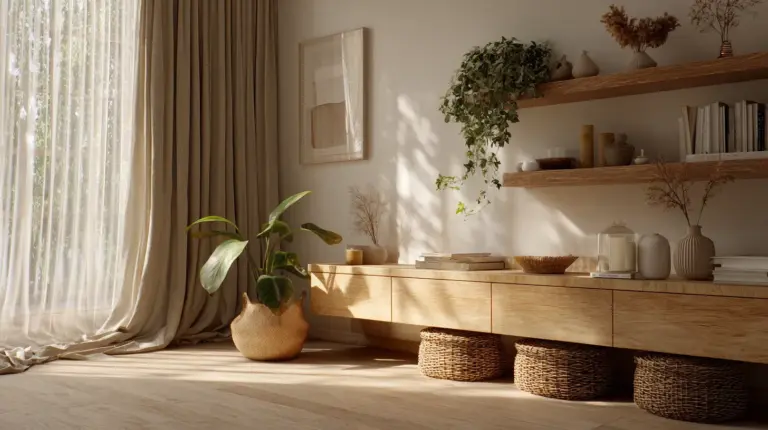
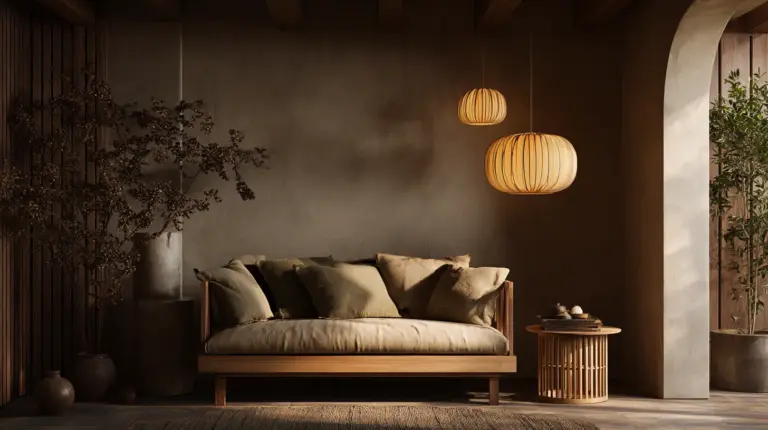
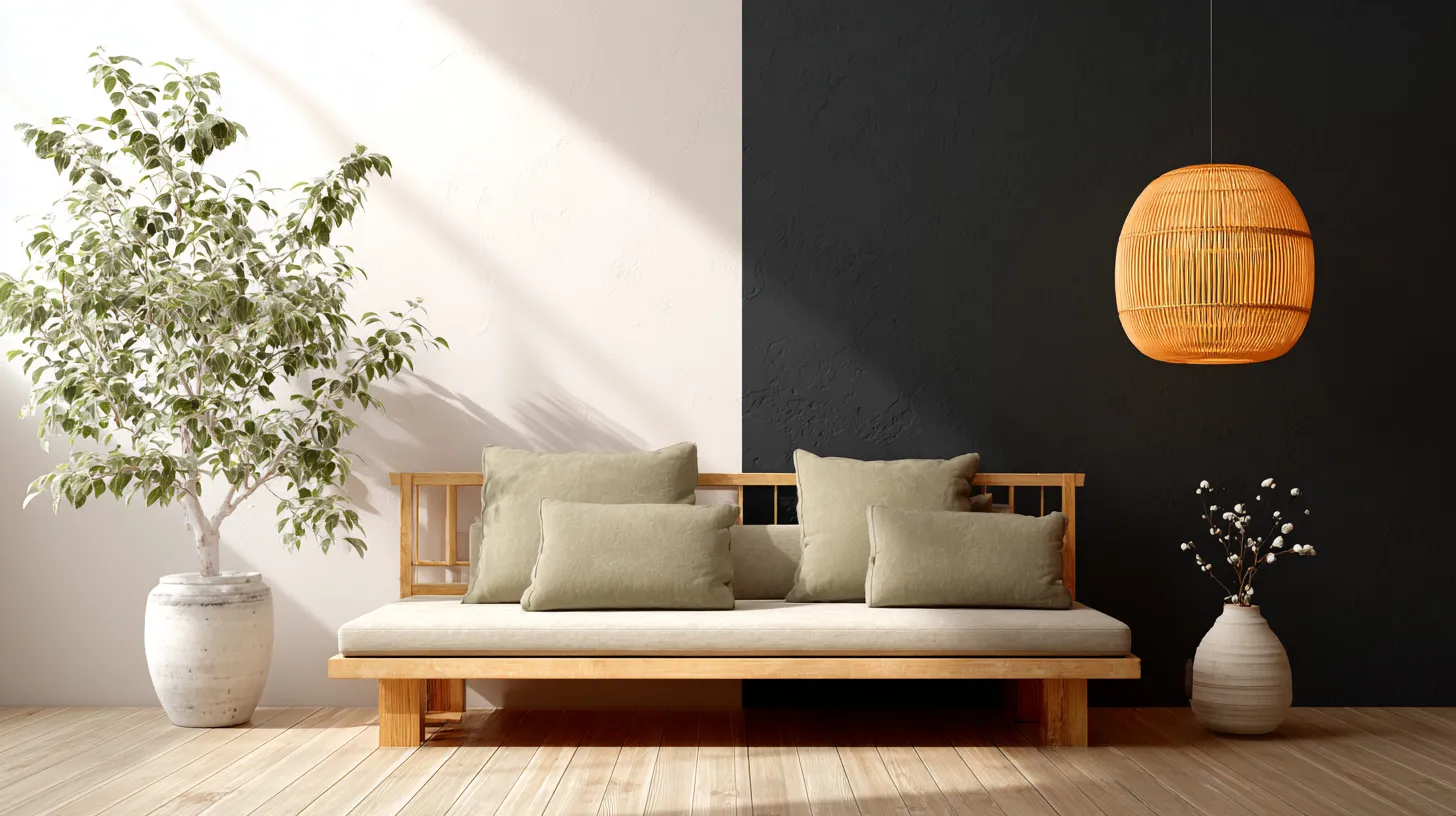
Close your eyes for a moment. Imagine your perfect room. Is it flooded with pale morning light, dotted with cheerful plants, and dressed in crisp white linen? Or does it feel like a slow exhale — warm, hushed, and spare, with the scent of cedarwood in the air?
Both visions are beautiful. Both are deeply livable. But they come from two very different design philosophies, and knowing which one calls to you can change everything about how you shop, decorate, and feel at home.
This Scandinavian vs Japandi quiz will help you find your match — not just by aesthetics, but by how you actually live. We’ll walk through the differences, give you a quiz to discover your style, and then hand you a real action plan so you know exactly what to buy, what to keep, and what to let go of.
Whether you’re styling a Manila studio condo, a modest living room in the suburbs, or dreaming up your forever home, this guide is your calm and confident starting point.
Take the Quiz: Scandinavian or Japandi?
Answer each question honestly — there are no wrong answers, only more you answers. Tally your scores at the end.
Question 1: How do you feel about color?
- A. I love clean white walls with soft pops of sage, blush, or mustard. (+1 Scandinavian)
- B. I’m drawn to warm earthy tones — charcoal, clay, warm beige, and muted greens. (+1 Japandi)
Question 2: Which morning ritual sounds more like you?
- A. Bright kitchen, big mug of coffee, maybe some music — I like energy in the morning. (+1 Scandinavian)
- B. Quiet tea, dim light, and a slow stretch before the day begins. (+1 Japandi)
Question 3: How often do you host guests?
- A. Often — I love having people over for meals, wine nights, or casual gatherings. (+1 Scandinavian)
- B. Rarely, or in small, intimate groups — my home is my sanctuary first. (+1 Japandi)
Question 4: How do you feel about decorative objects?
- A. I love displaying things — candles, ceramics, art prints, cozy throw blankets. (+1 Scandinavian)
- B. I prefer a few deeply meaningful pieces and a lot of breathing space. (+1 Japandi)
Question 5: Which lighting setup appeals most?
- A. Layered lighting — overhead lights, table lamps, fairy lights, candles all at once. (+1 Scandinavian)
- B. One warm, deliberate light source — a paper lamp or a single floor lamp in the corner. (+1 Japandi)
Question 6: How do you use plants at home?
- A. Lots of them! I love variety — trailing pothos, leafy monsteras, colorful ceramic pots. (+1 Scandinavian)
- B. One or two statement plants, placed with intention — a bonsai, a fiddle leaf in a terracotta vessel. (+1 Japandi)
Question 7: Describe your ideal sofa.
- A. Plush, oversized, with chunky cushions — I want to sink in completely. (+1 Scandinavian)
- B. Low-profile, structured, with clean lines — beautiful and functional. (+1 Japandi)
Question 8: When you imagine your perfect home, it feels…
- A. Bright, warm, and welcoming — a space that says “come on in.” (+1 Scandinavian)
- B. Still and refined — a space that says “breathe here.” (+1 Japandi)
Quiz Results
Mostly A’s (5–8): You’re Scandinavian.
Your style leans into light, warmth, and joyful simplicity. You want a home that energizes you and welcomes others. See your style plan below.
Mostly B’s (5–8): You’re Japandi.
Your style is rooted in quiet beauty and thoughtful restraint. You want a home that restores you. See your style plan below.
Even split (3–5 each): You’re a Hybrid — and that’s a beautiful thing.
You carry both souls. Your home can too. See the hybrid plan below.
Results Explained: What Your Answers Really Mean
If You’re Scandinavian
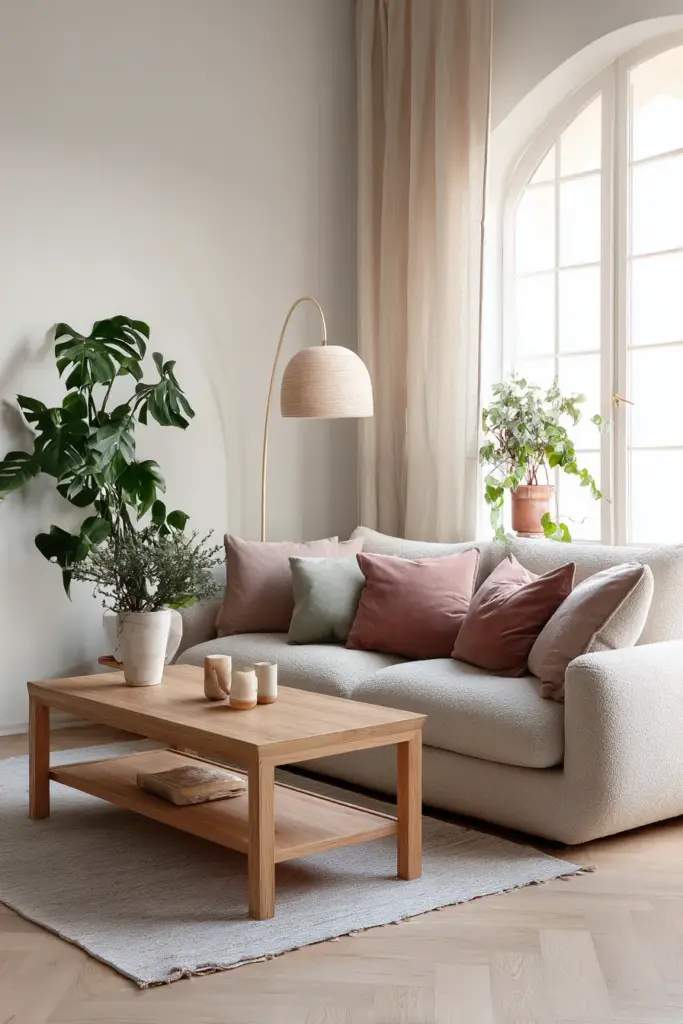
Scandinavian design is born from long Nordic winters and a cultural love of hygge — the Danish art of coziness, togetherness, and simple pleasures. Think warmth without heaviness. Think brightness without sterility.
Your palette begins with white. Not blinding white — warm white, like morning light through a linen curtain. Layer in blonde or ash wood tones for furniture, then add one or two accent colors: a dusty rose cushion, a sage green throw, a terracotta vase on the windowsill. The overall effect is airy, livable, and quietly joyful.
Your lighting strategy: Layer it. Wall sconces beside the sofa, a floor lamp in the reading corner, tea lights on the dining table. Scandinavian homes glow because they layer warm light sources rather than relying on one bright overhead fixture.
Your furniture formula: Light wood frames (oak, ash, pine), curved edges, and multifunctional pieces. A storage ottoman doubles as a coffee table. Open shelving becomes a display wall for ceramics, books, and trailing plants. Nothing is purely decorative — everything earns its place through beauty and function.
Your plant approach: Abundant and varied. A trailing pothos on a high shelf. A monstera anchoring a corner. Herbs in the kitchen window. Plants in Scandinavian spaces are joyful and alive — they add color, texture, and life.
If You’re Japandi
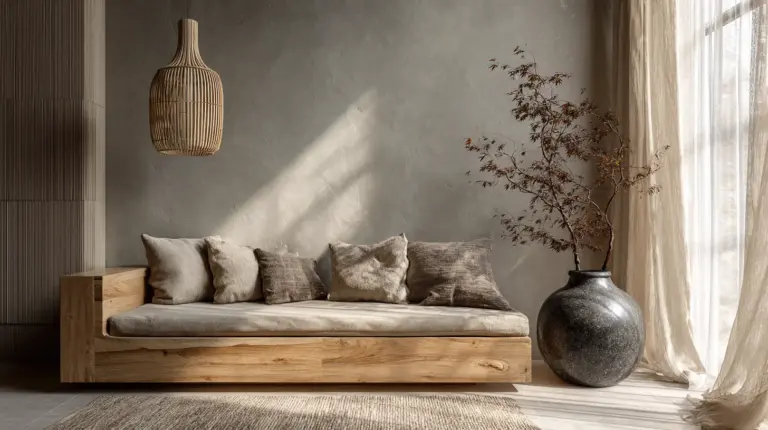
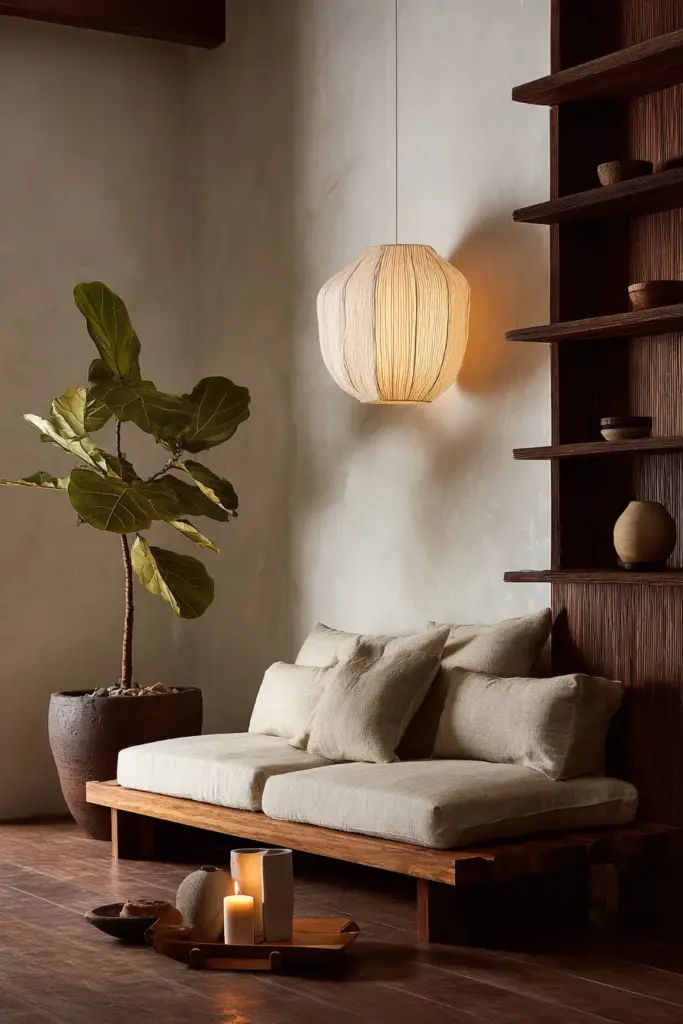
Japandi is a union of Japanese minimalism and Scandinavian simplicity, softened into something warmer and more soulful than either alone. It draws on the Japanese philosophy of wabi-sabi — the beauty of imperfection, the grace of the unfinished, the peace of the quiet.
Your palette is earthy and hushed. Warm whites, charcoal, warm beige, soft clay, and deep forest green. Nothing shouts. Every tone is chosen to create a sense of calm so deep it becomes physical — you feel your shoulders drop when you walk in.
Your lighting strategy: Intentional and sparse. A single paper lantern. A warm LED strip hidden behind a low shelf. One architectural floor lamp casting a pool of amber light in the evening. Japandi lighting is never bright; it is always beautiful.
Your furniture formula: Low-profile, dark wood or black-stained pieces with clean, geometric lines. A low platform bed. A slatted bench. A simple zabuton on the floor. Every piece has a quiet dignity — you can see the grain of the wood, feel the weight of the ceramic, hear the silence between things.
Your plant approach: Curated and ceremonial. One bonsai on a wooden stand. A single fiddle-leaf fig in a matte clay pot by the window. Japandi plants are chosen the way you’d choose artwork — with patience, placement, and a long view.
If You’re a Hybrid
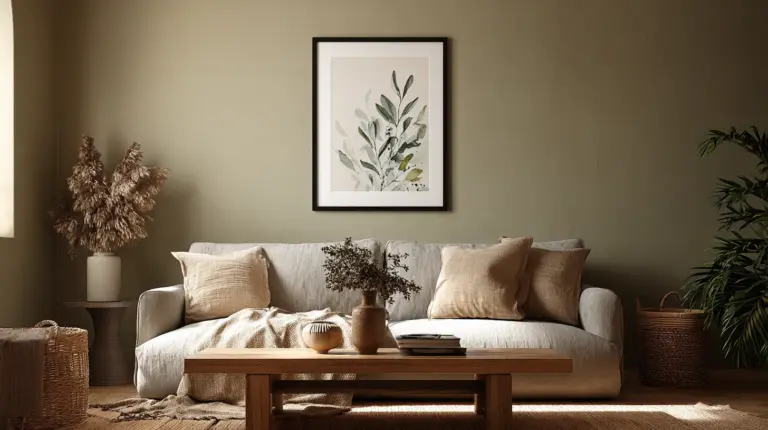
You don’t have to choose. The Japandi-Scandi hybrid is perhaps the most livable, flexible style of all — warm enough to feel Scandinavian, refined enough to feel Japanese. Here’s how to balance them:
- Use a Scandinavian base (white walls, light wood floors) with Japandi layers (dark wood accents, earthier textiles, fewer objects).
- Light like Japandi (warm and minimal), but style like Scandinavian (a candle grouping here, a soft throw there).
- Choose plants carefully — a monstera in a simple terracotta pot sits perfectly in both worlds.
Scandinavian vs Japandi at a Glance
| Element | Scandinavian | Japandi |
|---|---|---|
| Color palette | White, light wood, soft pastels | Warm whites, charcoal, clay, earth tones |
| Wood tones | Light — ash, birch, pine | Dark — walnut, ebony, black-stained oak |
| Philosophy | Hygge: cozy togetherness | Wabi-sabi: imperfect beauty |
| Lighting | Layered, warm, abundant | Sparse, intentional, warm |
| Plants | Many, varied, joyful | Few, deliberate, ceremonial |
| Furniture height | Mid-height, cozy, rounded | Low-profile, structured, geometric |
| Textiles | Chunky knits, linen, cotton | Linen, natural jute, sparse layering |
| Decor density | Moderate — curated but warm | Minimal — each object chosen slowly |
| Social energy | Welcoming and open | Restorative and private |
| Best for | Social homes, bright spaces | Calm-seekers, studio apartments |
How to Apply Your Style to Your Living Room
Small-Space Scandinavian (Under 30 m²)
Small spaces thrive in Scandinavian style because the palette is naturally light-expanding. Use these three principles:
First, keep the walls white and the floor light. Even a pale oak laminate floor opens a small room dramatically. Avoid dark rugs that cut the floor in half — choose a natural jute rug in a warm ivory instead.
Second, choose furniture that doubles up. A Scandinavian-style ottoman with storage. A dining table that folds flat. Open shelving instead of closed cabinets — it keeps the room feeling open while giving you display space for your ceramics and trailing plants.
Third, layer your light. In a small room, a single overhead light flattens everything. Add a floor lamp beside the sofa, a small table lamp on the sideboard, and a string of warm fairy lights on the shelf. The layering creates depth and warmth that makes a small room feel like a retreat.
Small-Space Japandi (Under 30 m²)
Japandi is, in many ways, made for small spaces. The philosophy already asks you to do more with less — and that translates beautifully into a studio condo or compact living room.
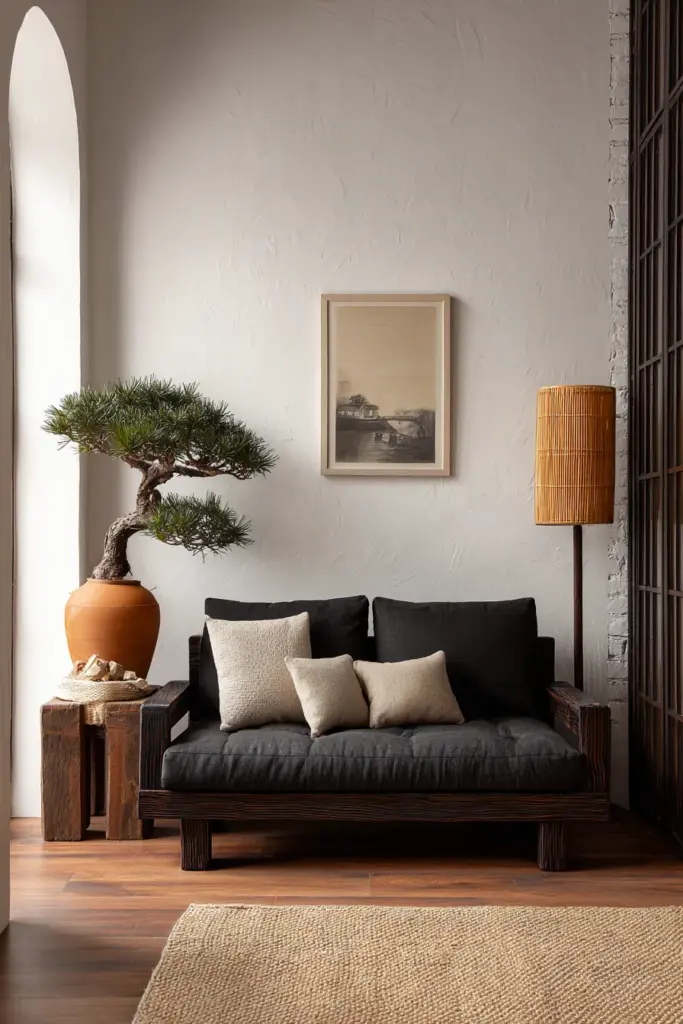
Use a single-zone layout. Choose your anchor piece (usually a low sofa or floor cushion setup) and design the room around it. Everything faces inward, toward a low coffee table. The walls stay almost bare — one piece of art, one sculptural plant.
Choose dark wood to add depth without weight. A walnut side table in a small white room creates a beautiful focal point without crowding the space. Dark tones recede visually, making the room feel more considered and intentional.
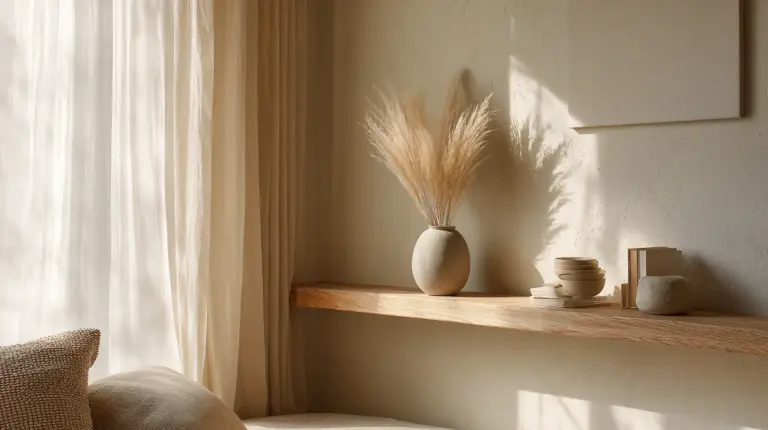
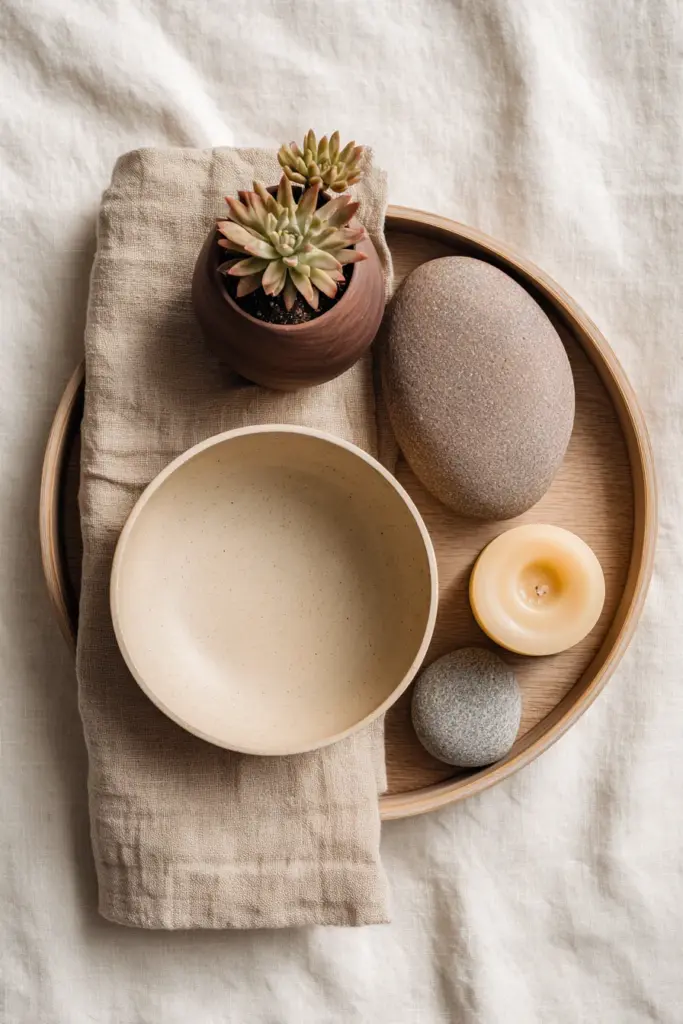
Limit your objects to three per surface. This is the Japandi rule of thumb. A ceramic bowl, a candle, and a stone — then stop. The restraint is the design.
Budget-Friendly Tips for Both Styles
Low Budget (Thrift / IKEA / Upcycled)
For Scandinavian: IKEA is practically a Scandinavian design museum. The KALLAX shelving, HEMNES storage pieces, and POÄNG chairs are all faithful to the aesthetic. Add warmth with thrifted cushions in sage or dusty pink, and a simple linen throw from a local market.
For Japandi: Look for dark wood pieces at secondhand stores — a solid mahogany side table, a simple wooden tray. Paint one wall a warm charcoal or clay tone (paint is the most affordable design move you can make). Add a single ceramic piece from a local pottery studio.
Mid Budget (₱10,000–₱30,000)
For Scandinavian: Invest in a quality light wood coffee table and a simple linen sofa cover. Add a pendant lamp with a warm bulb — the right light fixture transforms a room immediately.
For Japandi: Prioritize a low platform bed or sofa, and spend on one truly beautiful lamp. A washi paper pendant light or a sculptural concrete floor lamp anchors the room.
Higher Budget (₱50,000+)
For Scandinavian: Solid oak furniture, handmade ceramics, and custom linen curtains that pool on the floor. Invest in a statement pendant light — a textured rattan globe or a matte black arc lamp.
For Japandi: Custom dark-stained shelving, a handthrown ceramic collection, and a statement bonsai on a carved wooden stand. One quality piece per year, chosen slowly and kept for a lifetime.
Which Style Suits Your Lifestyle?
Do you host often?
If your home is a gathering place — dinner parties, casual Sunday brunches, impromptu wine nights — Scandinavian style was made for you. The palette is welcoming and the energy is social. The layered lighting creates warmth for groups. The chunky cushions and oversized sofas invite people to settle in and stay.
Japandi, by contrast, is a private style. It creates a home that restores you, not one that performs for others. If you host, it’s intimate — a dinner for two, a quiet afternoon with one close friend.
Do you need a workspace at home?
Scandinavian integrates workspaces gracefully — a simple white desk tucked into a corner, a floating shelf with a task lamp, a comfortable ergonomic chair in light wood and white. The bright palette supports focus and energy.
Japandi creates a more ceremonial workspace — a clean writing table, a single desk lamp, and nothing on the surface except what you’re working on. If you do your best thinking in silence, this is your style.
Do you live in a warm, humid climate (like the Philippines)?
Both styles work beautifully in tropical settings, but with small adjustments.
For Scandinavian, lean toward natural rattan, linen, and lighter cottons rather than heavy wool or velvet — the palette translates perfectly, just swap the materials for tropical breathability.
For Japandi, the warm earthy tones and natural materials already feel at home in Southeast Asian climates. Bamboo, rattan, and raw linen all carry the wabi-sabi spirit beautifully — and they breathe.
Your Style-to-Plan Checklist
Scandinavian Checklist
- Walls: warm white or soft off-white
- Floors: light oak, ash, or pale linen-toned rug
- Sofa: light-toned linen or boucle, rounded edges
- Coffee table: light wood with storage
- Lighting: pendant over dining table + floor lamp + table lamp + candles
- Plants: 3–5 varied plants in ceramic or terracotta pots
- Decor: 5–7 items per surface — ceramics, art prints, cozy textiles
- Accent color: one (sage, dusty pink, warm mustard, or soft navy)
Japandi Checklist
- Walls: warm white, clay, or soft charcoal on one feature wall
- Floors: dark wood or warm-toned stone; one simple natural jute rug
- Sofa: low-profile, structured, in linen or natural cotton
- Coffee table: dark walnut or black-stained wood, low and spare
- Lighting: one statement lamp; warm amber bulbs only
- Plants: 1–2 statement plants in matte ceramic or terracotta vessels
- Decor: 3 items per surface maximum
- No accent color — tonal layering only
Hybrid Checklist
- Walls: white (Scandinavian base) with warm wood accents (Japandi depth)
- Lighting: minimal like Japandi, but add one extra warm source for evenings
- Plants: 2–3, in simple vessels — the meeting point between abundant and ceremonial
- Textiles: linen everywhere — it belongs to both worlds equally
- Objects: 4–5 per surface — curated but not sparse
Conclusion
Your home is not a mood board. It is a living, breathing place that holds your mornings, your quiet evenings, your tired Fridays, and your best Sunday afternoons.
Whether you scored Scandinavian or Japandi — or found yourself beautifully in between — what matters most is that your space feels like you. Not a Pinterest recreation. Not a showroom. A real place, warm and honest, full of objects that have meaning and light that feels kind.
At ERYLIN, we believe that beautiful design isn’t about getting it perfect. It’s about getting it true — true to how you live, how you rest, and what you love to come home to.
Start small. Change one lamp. Add one plant. Paint one wall. The room you’ve always wanted is already inside you — this quiz just helped you find the door.
Frequently Asked Questions
What is the difference between Scandinavian and Japandi style?
Scandinavian style is rooted in the Nordic concept of hygge — warmth, coziness, and social comfort — and features light wood tones, white walls, and cheerful layering. Japandi blends Japanese wabi-sabi philosophy with Scandinavian minimalism, resulting in a quieter, earthier, more restrained aesthetic with dark wood and fewer decorative objects.
Which style is more calming — Scandinavian or Japandi?
Both are calm, but in different ways. Scandinavian is cozy and warming; Japandi is still and spa-like. If you want a home that feels like a bright morning, choose Scandinavian. If you want one that feels like a long exhale, Japandi is your match.
Is Scandinavian or Japandi better for small spaces?
Both work beautifully in small spaces. Scandinavian’s white palette visually expands a room, while Japandi’s restraint prevents small spaces from feeling cluttered. In a Philippine studio condo, Japandi’s single-zone layout and minimal object rule is often the easier approach.
Can you mix Scandinavian and Japandi styles?
Absolutely — and many of the most beautiful homes do exactly this. Use Scandinavian light tones as your foundation (white walls, pale floors) and layer in Japandi elements (dark wood accents, earthy textiles, sparse decor). The result is a warm, balanced home that feels both inviting and refined.
Which style is easier to achieve on a budget?
Scandinavian is arguably more budget-accessible because its light palette works with IKEA-style pieces and affordable white paint. Japandi requires more selectivity — fewer, higher-quality pieces — which can mean saving up for a single beautiful lamp or coffee table rather than filling the room with lower-cost items.