
Table of Contents
The air shifts when you walk barefoot across bamboo. There’s a coolness underfoot, a subtle give that whispers of forests and quiet mornings. In a Japandi living room, this isn’t just flooring—it’s the foundation of calm.
Japandi style marries Japanese minimalism with Scandinavian coziness, creating spaces that breathe with intention. Every element matters. Every texture tells a story. And beneath it all, quite literally, bamboo flooring grounds the entire aesthetic with its honey-toned glow and sustainable soul.
If you’re designing a living room that feels like a gentle exhale after a long day, bamboo might be your most important choice. It’s warm without overwhelming. Natural without pretense. And in cities like Manila, where humidity dances through open windows, the right bamboo flooring can transform not just your aesthetic, but your everyday comfort.
Let’s explore how to choose, style, and care for bamboo flooring that makes your Japandi living room feel like home.
Why Bamboo Flooring Belongs in Japandi Spaces
Bamboo embodies the Japandi philosophy perfectly. It grows quickly, renews itself, and offers strength wrapped in softness—much like the design style itself.
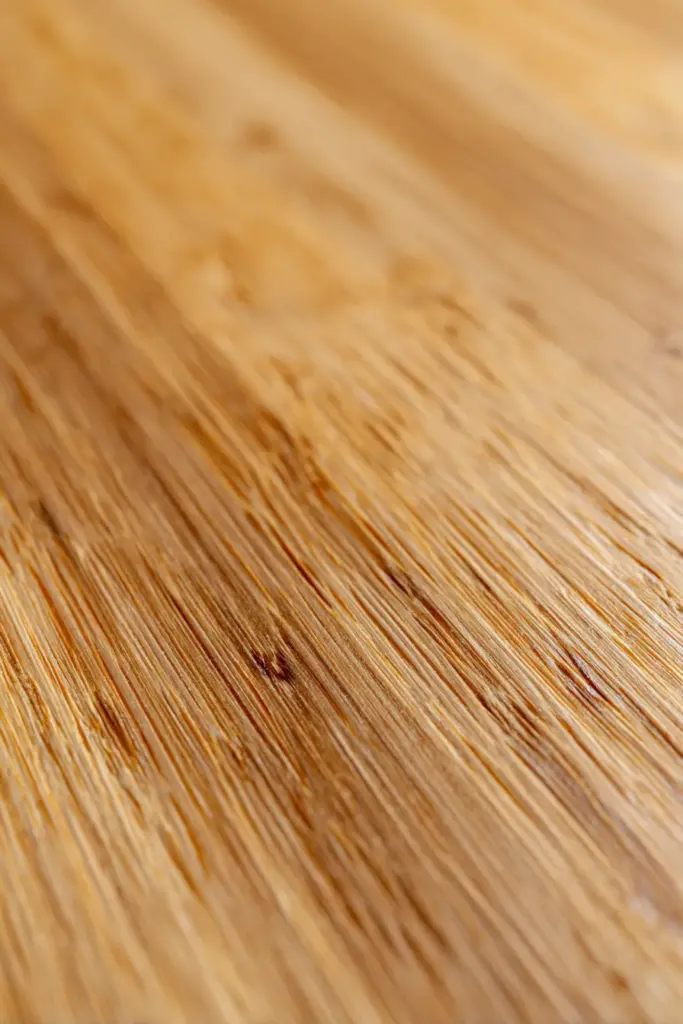
The visual harmony is undeniable. Bamboo’s natural tan and honey tones mirror the light wood palette essential to Japandi interiors. Unlike darker hardwoods that can feel heavy, bamboo maintains that airy, zen ambiance both cultures prize. The grain patterns are subtle, almost meditative, allowing your furniture and textiles to take center stage without competing for attention.
Sustainability runs deep here. Bamboo reaches maturity in 3-5 years compared to oak’s 50-year cycle. For eco-conscious homeowners, this matters. You’re not just choosing flooring; you’re choosing a lighter carbon footprint, a decision that aligns with the thoughtful consumption at Japandi’s heart.
Durability meets everyday life. Strand-woven bamboo—where fibers are compressed under extreme heat—rivals traditional hardwoods in hardness. It handles foot traffic, sliding furniture, and the occasional dropped ceramic mug with grace. This isn’t delicate beauty; it’s beauty built to last.
Understanding Bamboo Flooring Types for Your Living Room
Not all bamboo is created equal. Your choice shapes everything from longevity to aesthetic cohesion.
Strand-Woven Bamboo: The Durable Champion
This is bamboo at its toughest. Shredded bamboo fibers are woven together and compressed, creating planks that score higher on hardness tests than many hardwoods.
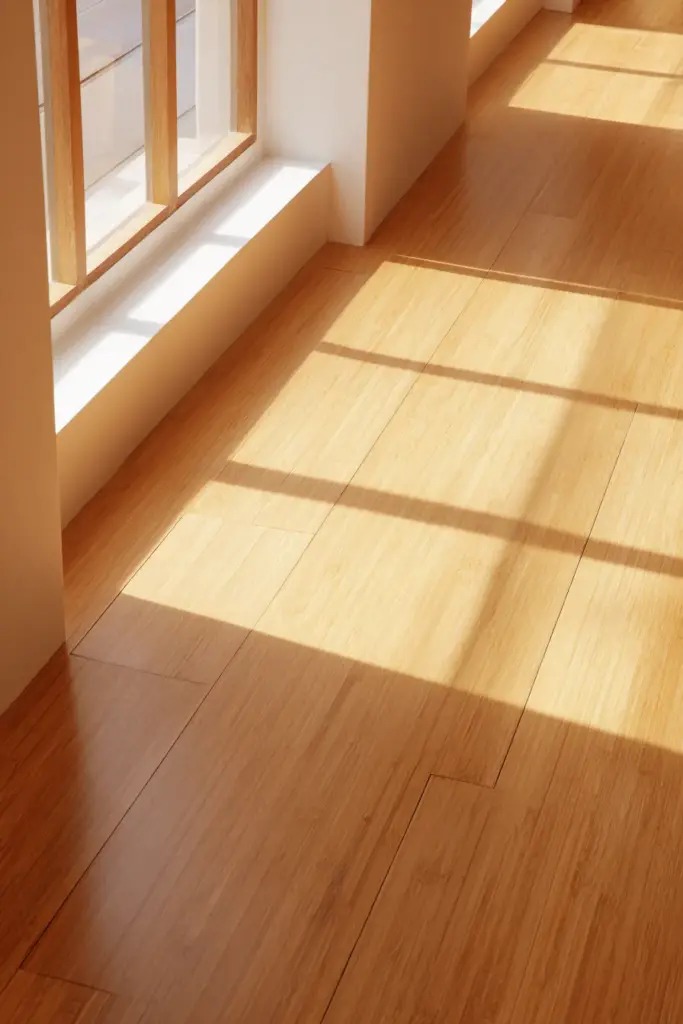
For Japandi spaces, choose matte finishes in natural or carbonized tones. The soft sheen catches light gently, like morning sun on water. Avoid glossy finishes—they disrupt the understated elegance you’re building. Wide planks (5-7 inches) elongate smaller living rooms visually, while narrow planks suit more compact layouts.
In Manila’s climate, strand-woven bamboo handles humidity fluctuations better than traditional options. Expect pricing around PHP 3,500-5,000 per square meter for quality options in 2026.
Horizontal and Vertical Bamboo: Pattern Plays
Horizontal bamboo showcases the plant’s natural nodes and grain, creating subtle visual interest. Vertical bamboo stacks strips tightly, resulting in a more uniform, linear appearance.
Horizontal works beautifully in larger Japandi living rooms where you want gentle texture without busy patterns. Vertical suits minimalist purists who prefer cleaner lines. Both are softer underfoot than strand-woven but may dent more easily—consider your household’s activity level.
Engineered vs. Solid Bamboo
Solid bamboo planks are exactly what they sound like: bamboo through and through. Engineered bamboo features a bamboo veneer atop a plywood or HDF core.
For humid climates like the Philippines, engineered bamboo offers better dimensional stability. The layered construction resists expansion and contraction as moisture levels shift. It’s also more budget-friendly, typically PHP 2,000-3,500 per square meter. Just ensure the veneer is at least 3mm thick for refinishing possibilities down the line.
Choosing the Right Color for Japandi Harmony
Color temperature transforms mood. In Japandi living rooms, you’re aiming for that sweet spot between warm and cool.
Natural Bamboo: The Purist’s Choice
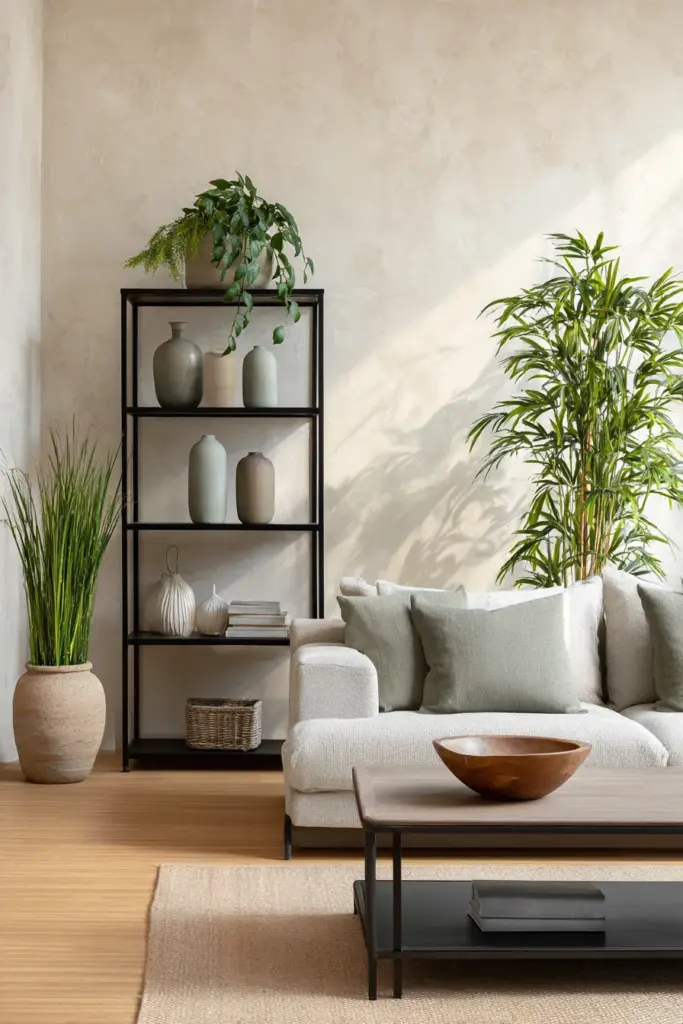
Unfinished or lightly finished bamboo displays its inherent honey and tan tones. This is bamboo in its truest form—warm, inviting, and effortlessly neutral.
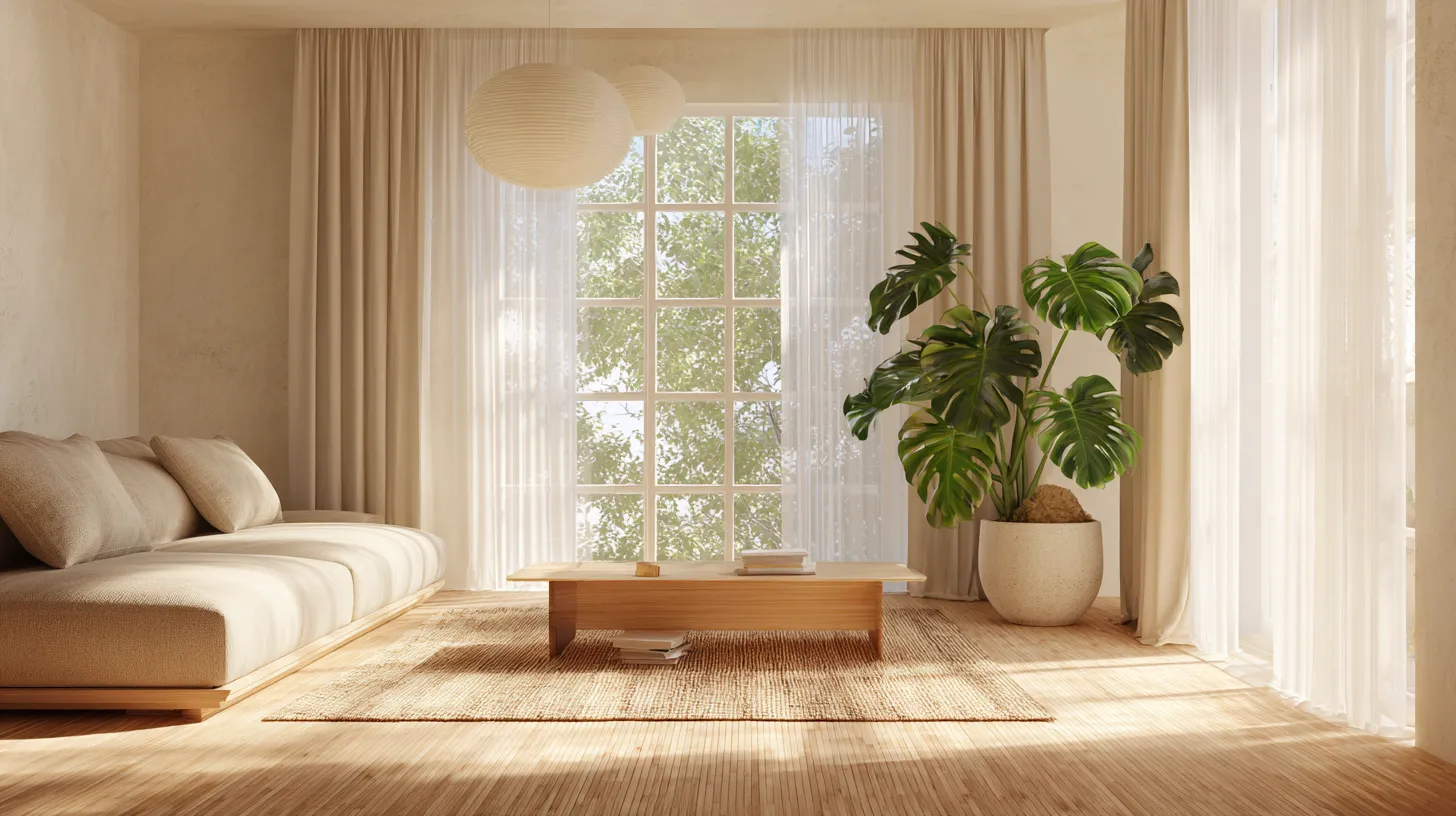
Pair natural bamboo with off-white walls, linen sofas, and black metal accents. The flooring becomes a glowing canvas that lets minimalist furniture breathe. Add texture through jute rugs, ceramic vases, and live plants. The effect is calming without feeling cold.
Carbonized Bamboo: Depth with Restraint
Carbonizing darkens bamboo to caramel and amber shades through a heat-treating process. The color runs deep, though the process slightly softens the wood.
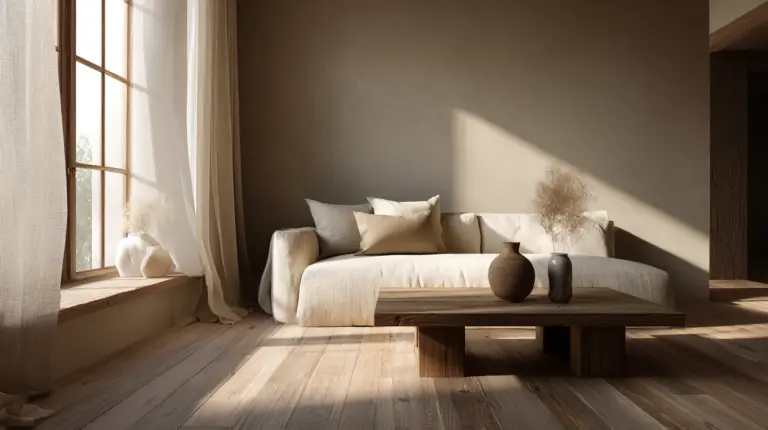
Use carbonized bamboo when your living room needs grounding. It works beautifully with concrete walls, darker wood furniture, or when you want cozy evenings to feel extra intimate. Balance the deeper floor with plenty of natural light and pale textiles to maintain Japandi’s airy feel.
Whitewashed and Ash Tones: Scandinavian Lightness
Some manufacturers offer bamboo with whitewashed or pale ash finishes. These emphasize the Scandinavian side of Japandi, maximizing light reflection and space perception.
Ideal for compact living rooms or those with limited natural light. Whitewashed bamboo pairs stunningly with Japanese shoji screens, light oak furniture, and Nordic-inspired textiles. Just ensure the finish is matte—anything too glossy breaks the spell.
Installation Considerations for Manila’s Climate
Humidity is both friend and foe in tropical spaces. Proper installation protects your investment and prevents warping, cupping, or gaps.
Acclimation Is Non-Negotiable
Before installation, bamboo planks need to adjust to your home’s humidity levels. In Manila, this typically means 7-10 days with planks laid flat, unsealed, in the room where they’ll live.
Run your air conditioning during acclimation to stabilize indoor humidity around 50-60%. This prevents shock expansion or contraction after installation. Rush this step, and you’ll see gaps by the next monsoon season.
Moisture Barriers Save Headaches
Always install a quality moisture barrier between your subfloor and bamboo planks. In ground-floor living rooms, consider a vapor barrier as well to block moisture rising from concrete slabs.
Choose barriers rated for tropical climates. The investment is minimal compared to replacing warped flooring. For floating installations (common with engineered bamboo), ensure your underlayment includes moisture protection and some acoustic dampening—Japandi spaces prize quiet as much as beauty.
Floating vs. Glue-Down Installation
Floating floors (planks that click together without adhesive) allow for natural expansion and contraction, making them humidity-friendly. They’re also DIY-possible, reducing labor costs.
Glue-down installation creates a more permanent, solid feel underfoot. It’s better for high-traffic areas and feels more substantial when walking barefoot—a key Japandi sensory experience. However, it requires professional installation and removes the option to easily replace damaged planks.
Styling Your Japandi Living Room with Bamboo Flooring
Now comes the joy: building a room that makes you want to slow down and stay awhile.
Furniture That Floats Above
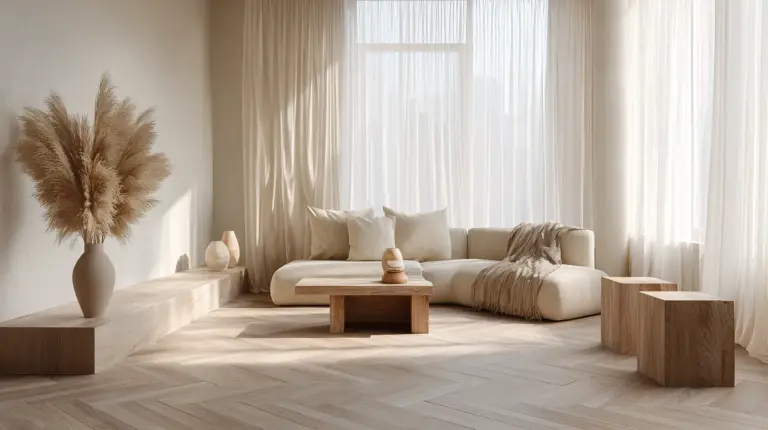
Low-profile sofas and platform seating emphasize the bamboo’s horizontal lines. Choose pieces in natural linen, light gray, or soft beige. Wood frames in oak, walnut, or teak echo the flooring’s warmth without mimicking it exactly—you want harmony, not matching.
Leave breathing room between furniture pieces. Japandi abhors clutter. A streamlined sofa, a sculptural coffee table in light wood, and perhaps a single lounge chair create balance. The bamboo flooring provides continuity, making the room feel larger than its square footage suggests.
Layering with Rugs and Textiles
Yes, you can add rugs to bamboo flooring. In fact, you should. Rugs define zones, add softness, and introduce texture that prevents the space from feeling too sparse.
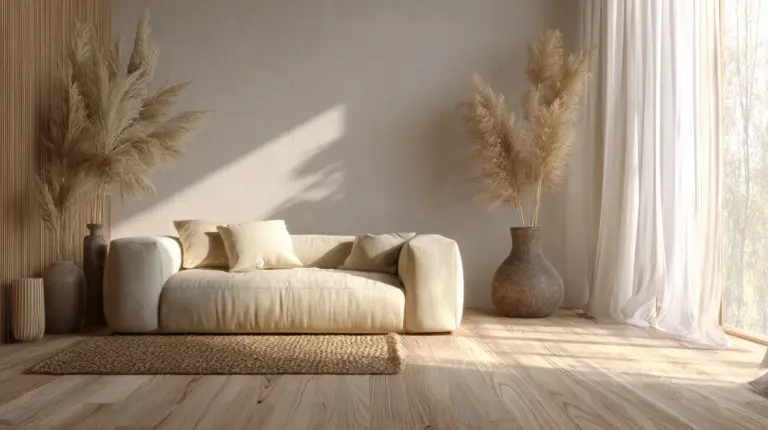
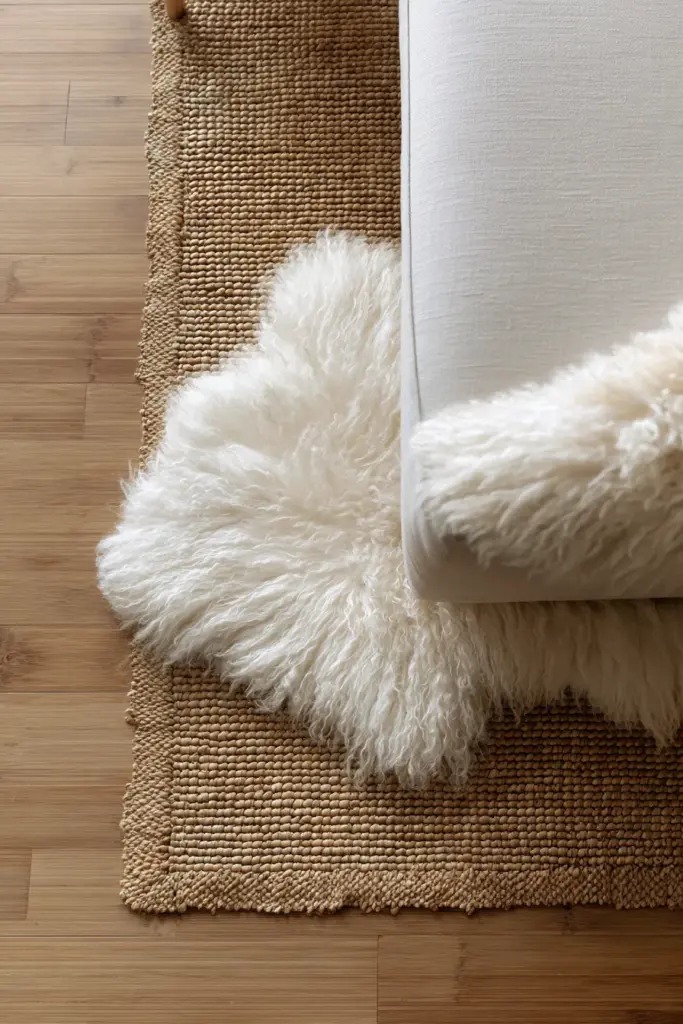
Choose natural fiber rugs—jute, sisal, or wool in cream, gray, or muted earth tones. Size matters: a rug should be large enough that at least the front legs of your sofa sit on it. This anchors the seating area and creates visual cohesion.
Layering a smaller sheepskin or textured throw rug adds that Scandinavian hygge element. The contrast between smooth bamboo, rough jute, and fluffy wool engages multiple senses simultaneously.
Plants as Living Sculpture
Greenery isn’t decoration in Japandi design—it’s essential. Plants bring life force, clean air, and that crucial connection to nature both cultures revere.
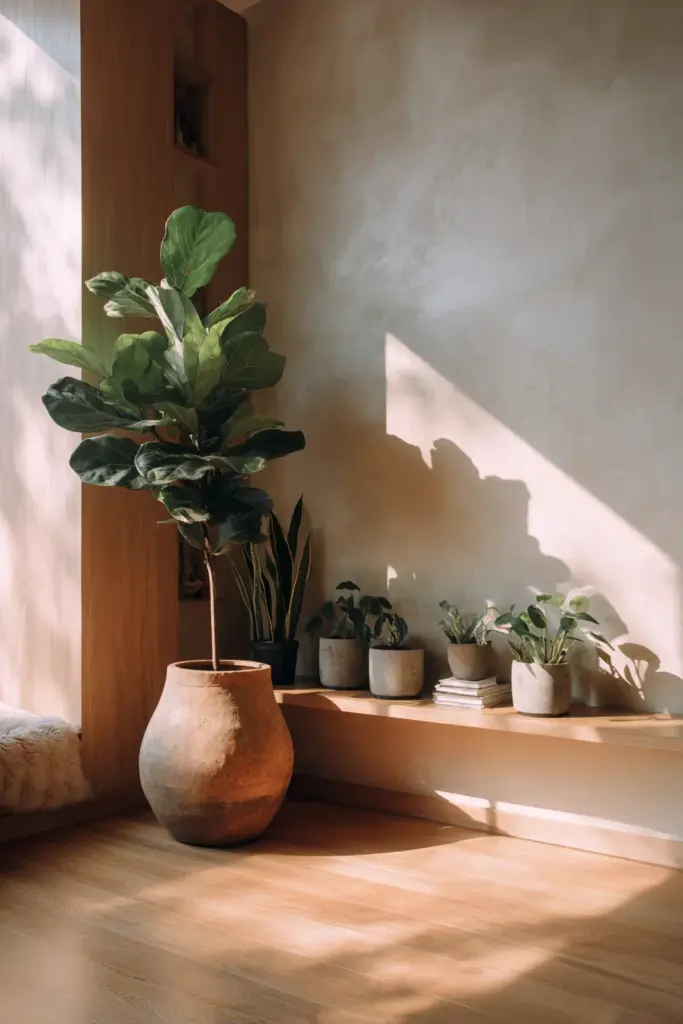
Place a large fiddle leaf fig or monstera in a corner to draw the eye upward. Cluster smaller plants—pothos, snake plants, or peace lilies—on floating shelves or minimalist plant stands. The bamboo flooring becomes the stage for this living art, its warmth complementing green leaves perfectly.
Use planters in ceramic, concrete, or natural terracotta. Avoid plastic or overly decorative pots that clash with the understated aesthetic.
Lighting That Honors Natural Flow
Bamboo flooring reflects light beautifully, but harshly. Strategic lighting preserves the zen ambiance.
Layer your lighting: ambient, task, and accent. Paper pendant lights (like Japanese washi lamps) or simple Scandinavian pendants provide soft overhead glow. Add floor lamps with linen shades near reading areas. The goal is warm, diffused light that makes the bamboo glow honey-gold, not glare.
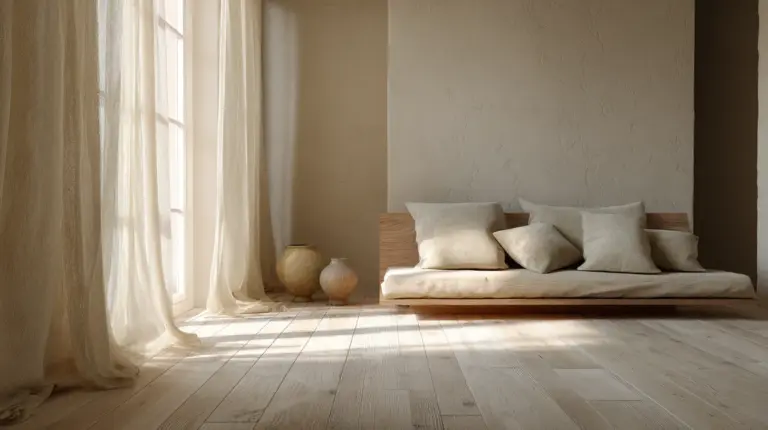
Natural light remains king. Keep window treatments minimal—sheer linen curtains or simple roller shades in neutral tones. Let daylight wash across your bamboo floors, watching how the grain patterns shift from morning to evening.
Maintenance: Keeping Your Bamboo Floors Beautiful
Beauty requires gentle care. Bamboo is forgiving, but not invincible.
Daily and Weekly Cleaning
Sweep or vacuum daily to remove grit that can scratch the finish. Use a soft-bristle broom or a vacuum without a beater bar. For weekly mopping, use a barely damp microfiber mop with pH-neutral, plant-safe cleaner.
Never soak bamboo floors. Excess water invites warping and damage. Think “damp,” not “wet.” For stubborn spots, a slightly moistened cloth with mild soap works wonders. Rinse immediately and dry thoroughly.
Protecting Against Scratches and Dents
Felt pads under furniture legs are non-negotiable. They’re cheap insurance against scratches when you rearrange your minimalist seating.
Place mats at entrances to catch sand and dirt. In Japandi fashion, choose natural coir mats that blend with the aesthetic rather than loud rubber options. For roller chairs or frequently moved furniture, consider area rugs in high-traffic zones.
Trim your pets’ nails regularly. While strand-woven bamboo resists scratches well, prevention always beats repair.
Managing Humidity Year-Round
Maintain indoor humidity between 40-60% for optimal bamboo health. In Manila’s dry season, a humidifier prevents excessive shrinkage and gap formation. During monsoons, dehumidifiers or consistent air conditioning keeps expansion in check.
Watch for signs of moisture issues: cupping (edges higher than center), crowning (center higher than edges), or gaps between planks. Address these immediately by adjusting your humidity levels and checking for leaks or poor ventilation.
Refinishing and Long-Term Care
Quality bamboo flooring can be refinished 1-3 times depending on veneer thickness. This extends its life considerably.
Every 5-7 years, consider professional refinishing to restore the finish and remove surface scratches. For engineered bamboo, check your veneer thickness first—you need at least 2mm remaining for safe sanding. Solid bamboo offers more refinishing opportunities.
Between refinishings, wood floor cleaners designed for bamboo maintain the protective finish. Avoid wax-based products that can build up and dull the matte appearance crucial to Japandi style.
Budgeting for Your Bamboo Flooring Project
Transparency matters when planning a renovation. Here’s what to expect in 2026 for Manila-area projects.
Material Costs
| Bamboo Type | Price per SQM (PHP) | Best For |
|---|---|---|
| Solid Horizontal/Vertical | 2,000-3,500 | Budget-conscious, lower traffic |
| Engineered Bamboo | 2,500-4,000 | Humid climates, value seekers |
| Strand-Woven Solid | 3,500-5,500 | High traffic, longevity priority |
| Premium Eco-Certified | 5,000-7,000 | Sustainability focus, luxury feel |
Installation Costs
Professional installation typically adds PHP 500-1,000 per square meter depending on complexity. Floating floors cost less to install. Glue-down or nail-down methods require more labor and expertise.
DIY installation is possible with engineered floating floors if you’re moderately handy. Expect to spend a weekend on a standard 20-square-meter living room. You’ll need basic tools: tape measure, saw, tapping block, pull bar, and spacers.
Hidden Costs to Consider
- Underlayment/moisture barrier: PHP 100-300 per square meter
- Transition strips and moldings: PHP 200-500 per linear meter
- Subfloor preparation: PHP 300-800 per square meter if leveling is needed
- Removal of old flooring: PHP 200-400 per square meter
- Delivery fees: Varies by supplier and quantity
Budget 20-30% above material and installation costs for contingencies. Better to have cushion than scramble mid-project.
Sourcing Sustainable Bamboo in the Philippines
Local suppliers are expanding their eco-conscious options. Prioritize certifications that verify sustainable practices.
What to Look For
FSC (Forest Stewardship Council) or equivalent certifications ensure responsible harvesting. Ask suppliers about their bamboo sources—reputable ones will proudly share their supply chain.
Look for low-VOC (volatile organic compound) finishes. These reduce indoor air pollution and align with Japandi’s health-conscious philosophy. Many quality bamboo floors now use water-based finishes that are safer for you and the environment.
Local vs. Imported Options
Imported bamboo (often from China) tends to be less expensive but has a higher carbon footprint. Some Philippine suppliers now offer locally-sourced bamboo, though options remain limited.
Balance budget with values. If local sourcing matters deeply to you, expect to pay 10-20% more. The tradeoff supports regional economies and reduces transportation emissions—factors that matter in truly sustainable design.
Small Space Optimization with Bamboo Flooring
Compact living rooms dominate Manila’s urban landscape. Bamboo flooring helps these spaces feel larger and more intentional.
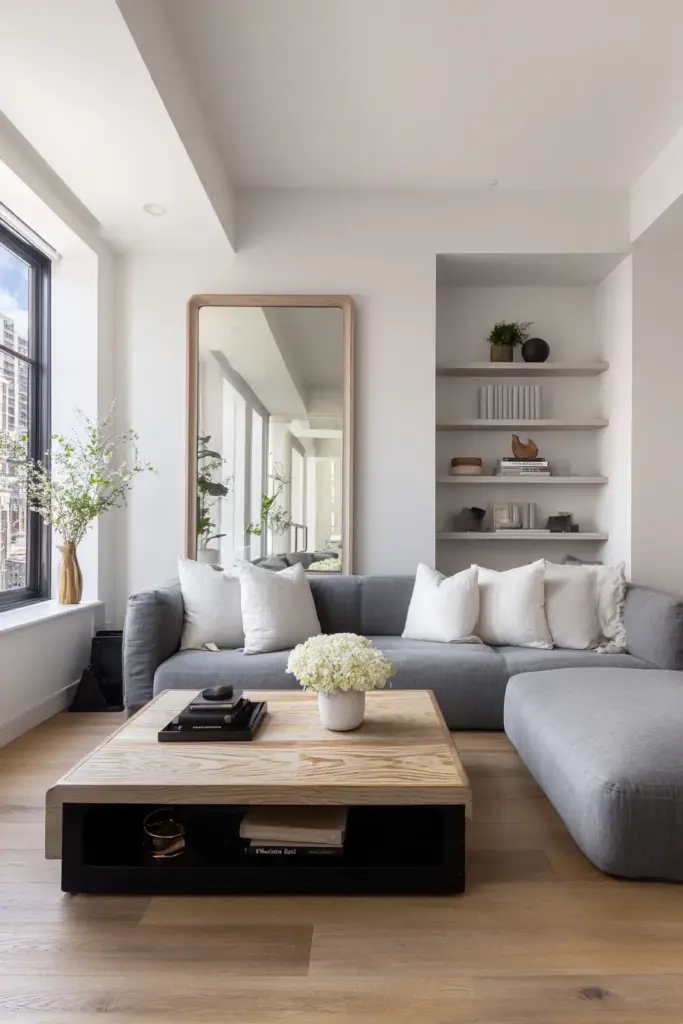
Wide Plank Strategy
Choose wider planks (6-8 inches) to minimize seam lines. Fewer seams create visual continuity that makes rooms appear more spacious. The eye travels farther before being interrupted, expanding perceived square footage.
Install planks running toward your main light source to maximize light reflection and depth perception.
Furniture that Multitasks
Japandi excels at functional minimalism. In small living rooms, every piece must earn its place.
Select coffee tables with hidden storage, ottomans that open for blanket storage, or console tables that double as desks. The bamboo flooring provides a clean, uncluttered foundation that lets multifunctional furniture shine without visual chaos.
Keep furniture low and lean. Bulky pieces overwhelm small spaces; streamlined designs preserve the breathing room bamboo flooring helps create.
Mirrors and Reflection
Strategic mirror placement doubles the visual impact of your beautiful bamboo floors. A large floor-length mirror opposite a window reflects both natural light and the warm flooring, making the room feel twice its actual size.
Avoid mirror overkill. One statement mirror maintains Japandi’s restrained elegance. Too many reflective surfaces create visual noise that contradicts the calming aesthetic you’re building.
Japandi Living Room Essentials Checklist
Let’s distill the key elements for your bamboo-floored Japandi living room:
- Flooring: Strand-woven or engineered bamboo in natural tan or light carbonized tones, matte finish
- Furniture: Low-profile sofa in linen or light gray, minimalist coffee table in light wood, 1-2 accent chairs maximum
- Textiles: Jute or wool rug in neutral tones, linen curtains, throw pillows in cream, gray, or soft earth tones
- Plants: 3-5 statement plants in ceramic or concrete planters (fiddle leaf fig, monstera, snake plant)
- Lighting: Paper pendant or simple drum shade overhead, 1-2 floor lamps with linen shades, maximize natural light
- Accents: Ceramic vases, wooden bowls, black metal wall shelves, minimal artwork in natural wood frames
- Color Palette: Off-white walls, bamboo floor warmth, black/dark gray accents (10-15% maximum), pops of green from plants
- Storage: Hidden or minimal—floating shelves, built-in cabinets, multifunctional furniture with concealed compartments
Remember: less is more, but what remains must be meaningful.
Conclusion
Your living room is where life unfolds—conversations over tea, quiet reading hours, bare feet on smooth bamboo as evening light fades. These moments deserve a foundation that honors them.
Bamboo flooring in a Japandi space isn’t about following trends. It’s about creating sanctuary in an overstimulated world. It’s choosing materials that connect you to nature, even when you’re twenty floors above the city. It’s believing that beauty and sustainability can coexist, that minimalism isn’t cold when it’s done with warmth.
The best living rooms whisper rather than shout. They welcome you home and help you breathe deeper. With bamboo beneath your feet, walls that recede, and just enough comfort to sink into, you’re not just decorating—you’re creating a daily ritual of calm.
May your Japandi living room be exactly that: a place where you slow down, look around, and feel grateful to be home.
Frequently Asked Questions
Is bamboo flooring good for Japandi style?
Absolutely. Bamboo embodies Japandi principles perfectly—it’s sustainable, naturally light-toned, and offers the clean lines both Japanese and Scandinavian design prize. Its honey and tan tones create warmth without overwhelming minimalist spaces. Strand-woven bamboo also provides the durability needed for everyday living, making it both beautiful and practical. The subtle grain patterns add visual interest without competing with furniture or décor, maintaining the understated elegance central to Japandi aesthetics.
What color bamboo flooring works best for Japandi living rooms?
Natural tan and honey tones are ideal—they provide warmth while maintaining the light, airy feel essential to Japandi style. Lightly carbonized bamboo (caramel to amber shades) works well if you want slightly more depth and coziness. Avoid dark brown or reddish bamboo, which feels too heavy. Always choose matte finishes over glossy ones; the soft sheen reflects light gently without disrupting the zen ambiance. For very small or dim rooms, consider whitewashed bamboo to maximize light reflection.
Does bamboo flooring work in humid climates like Manila?
Yes, but proper selection and installation are crucial. Strand-woven or engineered bamboo handles humidity fluctuations better than solid horizontal/vertical bamboo. Acclimate planks for 7-10 days before installation, and always use quality moisture barriers between subfloor and bamboo. Maintain indoor humidity at 40-60% year-round using air conditioning, dehumidifiers during monsoons, or humidifiers in dry seasons. Engineered bamboo with its layered construction offers the best dimensional stability for tropical climates, resisting expansion and contraction more effectively than solid options.
How do I clean bamboo floors in a Japandi living room?
Daily sweeping or vacuuming (without beater bars) removes abrasive grit. Weekly damp mopping with pH-neutral, plant-safe cleaners maintains the finish without buildup. Never soak bamboo—use barely damp microfiber mops and dry immediately. Avoid harsh chemicals, wax-based cleaners, or steam mops which can damage protective finishes. For stubborn marks, a slightly moistened cloth with mild soap works well. This minimal maintenance routine aligns perfectly with Japandi’s simplified living philosophy while preserving your flooring’s natural beauty for years.
Can I use rugs on bamboo flooring in Japandi design?
Not only can you—you should. Natural fiber rugs in jute, sisal, or wool add essential texture and define zones without cluttering the minimalist aesthetic. Choose cream, gray, or muted earth tones that complement rather than compete with your bamboo’s warmth. Ensure rugs are large enough that at least sofa front legs sit on them, creating anchored seating areas. Rug pads prevent slipping and protect your bamboo finish. This layering of natural materials—smooth bamboo beneath textured jute above—creates the tactile richness Japandi design celebrates.