
Table of Contents
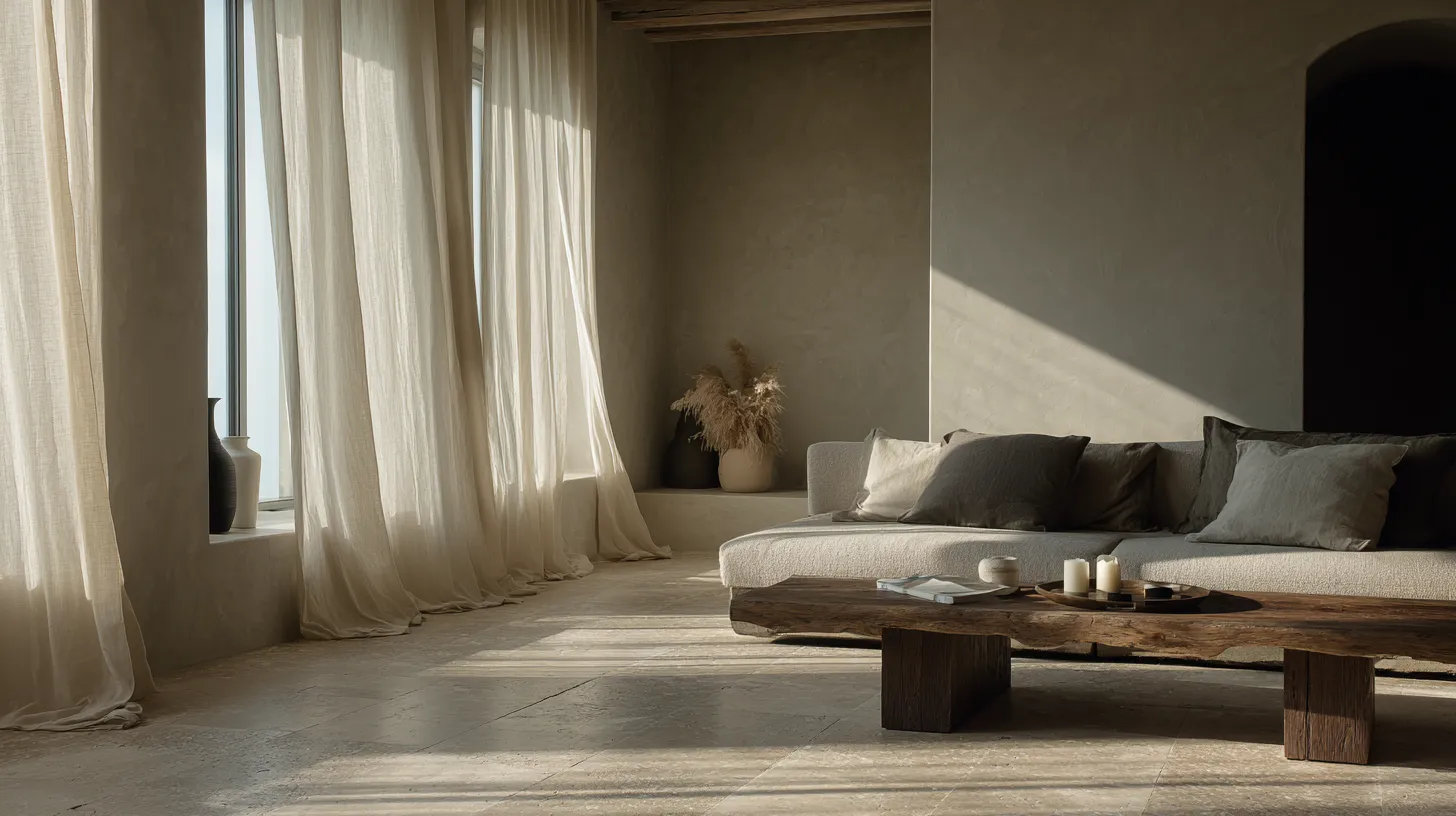
It is the kind of sensory experience that defines a Japandi living room — that quiet, unhurried aesthetic that borrows from Japanese wabi-sabi and Scandinavian hygge. The rough warmth of a limestone slab. The silver-grey hush of slate. The creamy stillness of travertine catching afternoon light.
But beautiful stone floors don’t stay that way on their own. They ask something of you — a little knowledge, a gentle rhythm of care, and the right tools within arm’s reach.
This guide is your companion for that. Whether you’re just laying your first stone floors or rediscovering how to love the ones you have, ERYLIN is here to walk you through everything — from daily sweeping rituals to seasonal deep-care routines, with a special nod to those of us living in the warmth and humidity of the Philippines.
Why Stone Flooring Belongs in a Japandi Living Room
Stone has been a grounding material in Japanese and Nordic interiors for centuries. It carries wabi — the beauty of imperfection. A small vein through marble, a slightly uneven travertine surface — these are not flaws. They are character.
In a Japandi living room, stone flooring does more than anchor the space visually. It creates a thermal quietness underfoot. Paired with warm pendant lighting, natural wood furniture, and linen textiles, it completes the sensory world you are building.
And practically speaking, stone is one of the most durable flooring choices available — when properly cared for. That “when” matters enormously.
Japandi Stone Types: A Care Comparison Guide
Not all stone is created equal, and each type has its own personality — and its own needs.
Marble
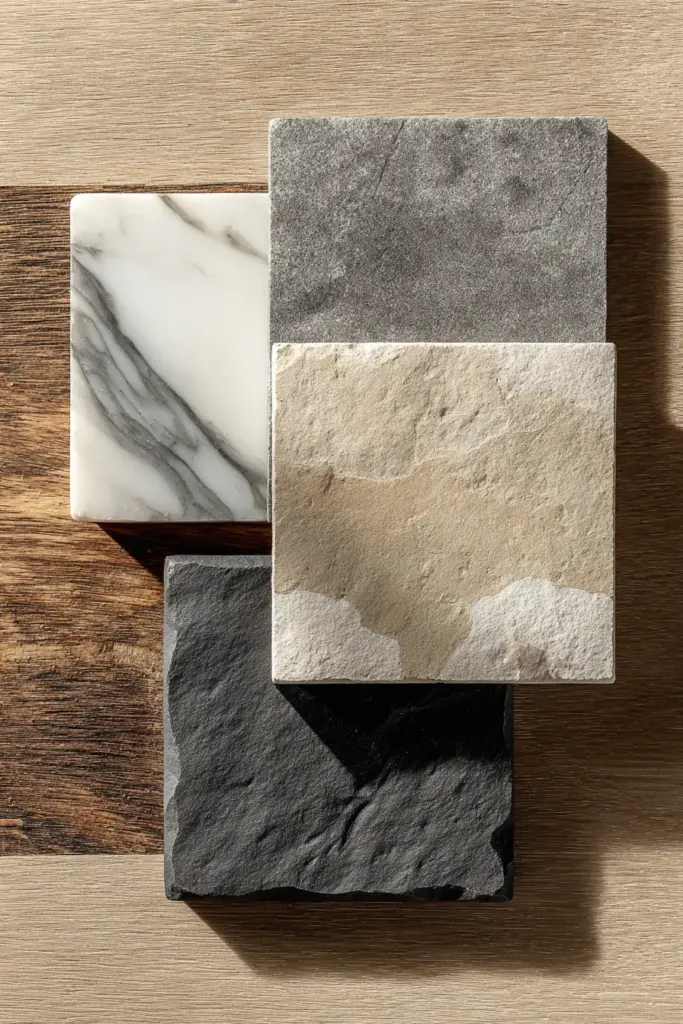
Marble is the quiet luxury of the Japandi palette. Its cool white or warm beige tones feel effortlessly curated. But marble is calcium-based, which means it reacts to acids. A drop of citrus juice, an unnoticed splash of wine — these can etch the surface permanently.
Marble requires sealing every 6–12 months and a pH-neutral cleaner for all daily mopping. It rewards patience.
Limestone
Limestone is warmer, earthier, and perhaps the most authentically Japandi of all the stones. Its matte, sandy texture absorbs light rather than reflecting it, contributing to that signature soft glow of a well-designed space.
Like marble, limestone is porous and acid-sensitive. It needs sealing and gentle handling — but it is slightly more forgiving in texture, masking minor scratches more naturally.
Travertine
Travertine carries a rustic, ancient quality. Its naturally pitted surface is part of its charm, but those pits can collect dust and grime if left unfilled. Opt for filled and honed travertine for living rooms, which offers a smoother surface that is easier to maintain while keeping that warm, organic character.
Slate
Slate is the most low-maintenance of the Japandi-friendly stones. Its naturally textured, cleft surface is slip-resistant, hide-scratches-well, and is less porous than limestone or marble. It is an excellent choice for high-traffic living rooms or homes with young children and pets.
Comparison Table: Japandi Stone Flooring at a Glance
| Stone Type | Durability | Porosity | Sealing Frequency | Best For | Humidity Resistance |
|---|---|---|---|---|---|
| Marble | High | Medium-High | Every 6–12 months | Formal, low-traffic rooms | Moderate |
| Limestone | Medium-High | High | Every 6–12 months | Cozy, warm aesthetics | Low–Moderate |
| Travertine | High | Medium (filled) | Every 12 months | Rustic, organic spaces | Moderate |
| Slate | Very High | Low | Every 1–2 years | High-traffic, family rooms | High |
Daily Japandi Stone Cleaning Routine
Morning: The Sweep Ritual
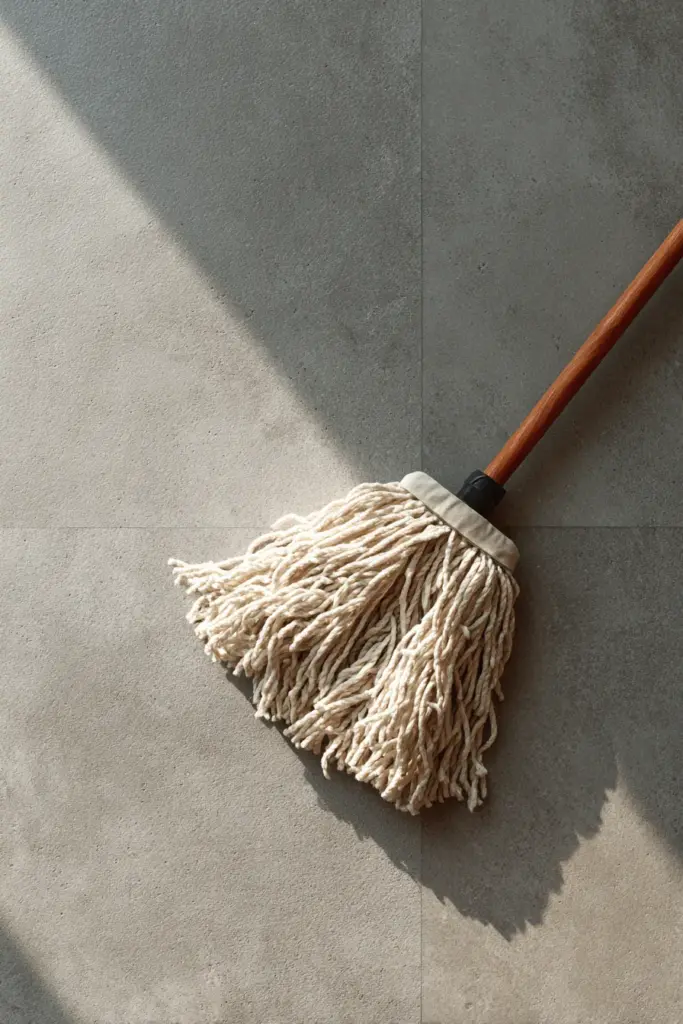
Begin simply. A dry microfiber dust mop or soft-bristle broom run gently across the floor each morning removes the fine grit and dust that, over time, act like sandpaper on stone surfaces. This is not about perfection — it is about rhythm.
In Philippine homes especially, where open windows invite both breeze and fine outdoor dust, this daily sweep is your first line of defense.
Midday or Evening: Mopping with Care
When the floor needs more than a sweep, use a barely damp microfiber mop with a pH-neutral stone cleaner. Avoid dish soap, vinegar, lemon-based sprays, or any acidic products — these etch limestone and marble and dull their finish over time.
For a gentle DIY option safe for most sealed stones: mix a few drops of castile soap (unscented) in warm water. Wring the mop until nearly dry before touching the floor. Standing water is stone’s quiet enemy.
Spot Cleaning
Spills happen. Blot them — never rub — with a clean cloth as soon as they occur. For stubborn stains, a paste of baking soda and water applied gently and left for 10–15 minutes can lift many organic stains on marble and limestone without damaging the surface. Rinse thoroughly.
Never use baking soda on unsealed stone. Always seal first.
Weekly and Monthly Japandi Stone Floor Maintenance
Weekly Deep Clean
Once a week, give your floors a more intentional clean. Use your pH-neutral cleaner slightly more generously, working in sections. Pay attention to grout lines — these narrow spaces collect dust, bacteria, and discoloration over time.
A soft-bristle grout brush dipped in warm water with a gentle cleaner will restore grout lines without damaging surrounding stone. For a natural grout brightener, a diluted hydrogen peroxide solution (3%) applied carefully and rinsed well can lift light discoloration.
Monthly Check-In
Once a month, crouch down and look at your floor from an angle in natural light. Look for areas where the sealant may be wearing thin — these appear as slightly more absorbent patches where water no longer beads up. Note any chips, scratches, or grout cracks that need attention.
This small ritual of observation keeps you one step ahead of any larger repairs.
Sealing Stone Floors: The Most Important Step
Why Sealing Matters
Unsealed stone is an open invitation — for stains, moisture, and wear. Sealing creates an invisible barrier that protects the stone’s pores without altering its natural look or texture. A well-sealed Japandi stone floor is one you can actually live on.
How to Seal Stone Floors: A Step-by-Step Guide
What you’ll need:
- A penetrating stone sealer (look for low-VOC, water-based options)
- Clean microfiber cloths
- pH-neutral stone cleaner
- Painter’s tape (for edges near furniture)
Step 1: Clean the floor thoroughly and allow it to dry completely — at least 24 hours.
Step 2: Apply the sealer in thin, even sections using a clean cloth or applicator pad, working with the grain of the stone.
Step 3: Allow the first coat to absorb for 5–10 minutes, then buff away any excess before it dries on the surface.
Step 4: Apply a second coat for porous stones like limestone. Allow full cure time (usually 24–48 hours) before foot traffic.
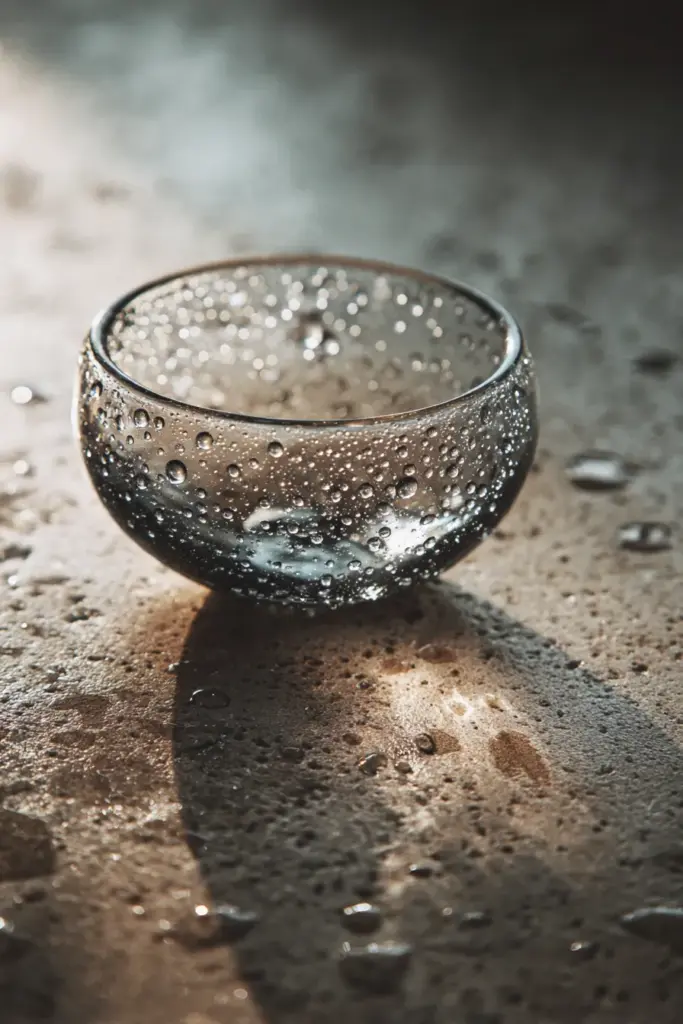
Step 5: Test the seal by dropping a few beads of water on the surface. If they bead up, your seal is working. If they absorb, apply another coat.
Sealer Options Available in the Philippines
Several quality stone sealers are available locally. Look for penetrating (impregnating) sealers at hardware stores like Wilcon Depot or ACE Hardware Philippines. Prices range roughly from PHP 500–2,000 per liter, depending on the brand and coverage. Local limestone sealers formulated for tropical climates offer excellent humidity resistance and are worth asking about at stone supplier showrooms in Manila.
Stone Flooring and Underfloor Heating: The Hygge Connection
One of the most overlooked pairings in Japandi design is stone flooring with underfloor heating. While it may seem counterintuitive in a warm country, underfloor heating (or cooling systems, depending on the season) creates that hygge warmth — the sensation of comfort radiating gently from below.
Stone conducts heat beautifully. In cooler evenings or air-conditioned rooms, a radiant floor system transforms cold stone into something almost nurturing underfoot.
If you are considering this option, ensure your chosen stone and sealer are rated for thermal cycling — repeated heating and cooling. Most slate and travertine handle this well. Marble requires extra care to ensure sealer integrity is maintained.

Pet and Kid Proofing Your Japandi Stone Floor
High-traffic Japandi living rooms — especially those shared with children and pets — need stone that can take a little more life.
For families with children: Choose honed or brushed finishes over polished. They show scratches less, are slip-resistant, and feel more tactile and natural. Slate and honed travertine are excellent choices.
For pet owners: Long pet nails are the main concern. Keep nails trimmed, and use smart anti-fatigue mats near feeding areas and entry points to reduce grit tracking. Look for natural-fiber mats — jute, sisal, or bamboo — that complement your Japandi palette.
For high-humidity Philippine homes: Invest in a dehumidifier or ensure good cross-ventilation in your living room. Excess moisture trapped under rugs can penetrate stone over time, leading to efflorescence (white salt deposits) or grout mold. In monsoon months (June–October), increase your mopping frequency and ensure floors dry quickly after cleaning.
Eco-Friendly and Sustainable Stone Floor Care
Japandi design carries a deep respect for materials — for their origins and their longevity. That same ethic extends to how we care for our floors.
Choose low-VOC, biodegradable stone cleaners wherever possible. Natural alternatives like diluted castile soap are effective, gentle, and produce no chemical runoff. When sealing, look for water-based sealers rather than solvent-based, which carry higher VOC content.
For sourcing, ask your stone supplier about recycled or reclaimed stone options. Reclaimed limestone tiles carry extraordinary character — the marks of previous lives — and align perfectly with the wabi-sabi appreciation for age and imperfection.
Checklist: Japandi Stone Floor Care at a Glance
- Daily — Dry sweep or dust mop to remove grit and dust
- When needed — Mop with barely damp microfiber and pH-neutral cleaner
- Immediately — Blot spills; never rub
- Weekly — Deep clean including grout lines with soft-bristle brush
- Monthly — Inspect for wear, scratches, sealant breakdown
- Every 6–12 months (marble/limestone) — Reseal with penetrating stone sealer
- Every 12–24 months (slate/travertine) — Reseal as needed based on water bead test
- Monsoon season (PH) — Increase cleaning frequency; ensure ventilation; check grout integrity
- Always — Use pH-neutral products; avoid vinegar, citrus, or bleach on stone
Conclusion
A Japandi living room is a practice as much as a place.
It asks you to slow down, to notice — the way morning light moves across a stone floor, the faint texture beneath your feet, the quiet order of a space that has been tended with intention.
Caring for your stone floors is not a chore. It is part of that practice. A gentle morning sweep. A seasonal sealing ritual. The satisfaction of a floor that looks, and feels, exactly as it should.
At ERYLIN, we believe the most beautiful homes are the ones that are truly lived in — and cared for, with love and knowledge in equal measure. We hope this guide becomes a small, useful companion on that journey.
Frequently Asked Questions
What is the best stone flooring for a Japandi living room?
Limestone and slate are the most recommended choices for a Japandi living room. Limestone offers warm, matte tones with an organic texture that aligns perfectly with Japandi’s earthy palette. Slate is highly durable, low-maintenance, and naturally slip-resistant — ideal for high-traffic or family living spaces. Marble works beautifully in lower-traffic rooms where its luminous quality can be appreciated and protected.
How do I seal stone floors in a Japandi living room?
Clean the floor thoroughly, allow it to dry completely (24 hours), then apply a penetrating stone sealer with a microfiber cloth in thin, even sections. Buff away excess, apply a second coat for porous stones, and allow 24–48 hours of cure time before foot traffic. Test with water droplets — if they bead, the seal is working.
Is stone flooring durable enough for high-traffic living rooms?
Yes — especially slate and honed travertine, which are naturally resistant to scratching and wear. Any stone floor maintained with regular sealing and pH-neutral cleaning will hold up beautifully to daily life, including children and pets. The key is consistent care rather than reactive repair.
How do I maintain the shine on Japandi stone floors?
For a natural, matte Japandi finish (which is usually preferred over high-gloss), consistent pH-neutral mopping and regular sealing is sufficient to maintain the floor’s appearance. Avoid wax-based polishes or acidic cleaners that can dull or etch the surface. For a honed stone, the beauty is in the subtle sheen — not the mirror finish.
How do I care for stone floors during Philippine monsoon season?
During the June–October monsoon season, increase your cleaning frequency and ensure your living room has good ventilation. Avoid leaving wet mats or rugs on stone floors for extended periods. Check grout lines for early signs of mold or discoloration, and address quickly with a gentle hydrogen peroxide solution. A dehumidifier in closed, air-conditioned rooms also helps protect both stone and grout from moisture damage.