
Table of Contents
There is something quietly meditative about watching a stem push its first root into water. The process is slow, unhurried, almost ceremonial — and that is exactly why plant propagation belongs so naturally inside a Japandi home.
Japandi is the meeting of Japanese wabi-sabi and Scandinavian hygge: a design philosophy that finds beauty in imperfection, warmth in simplicity, and meaning in the things we tend with our own hands. Propagating your own plants fits this philosophy like a hand-thrown ceramic cup fits a linen-covered table.
This guide is for anyone who wants to fill their living spaces with greenery that feels intentional — not purchased and placed, but grown, rooted, and understood. Whether you are styling a floating shelf in a Mandaluyong apartment or a sunlit nook in a Stockholm flat, these ideas will meet you exactly where you are.
Let us begin.
What Plants Are Best for Japandi Propagation?
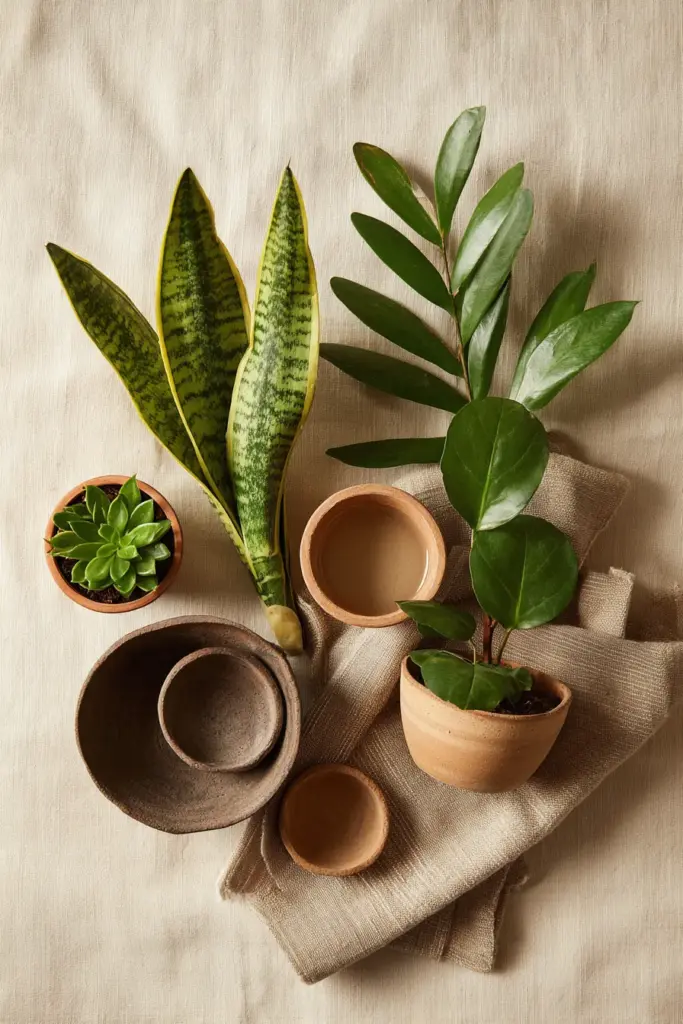
The best Japandi plants are ones that carry quiet presence. They do not shout. They breathe slowly in indirect light, thrive with minimal fuss, and look at home beside raw wood, matte ceramics, and undyed linen.
The Top 10 Japandi Plants and Their Propagation Methods
| Plant | Best Propagation Method | Success Rate | Light Needs | Notes |
|---|---|---|---|---|
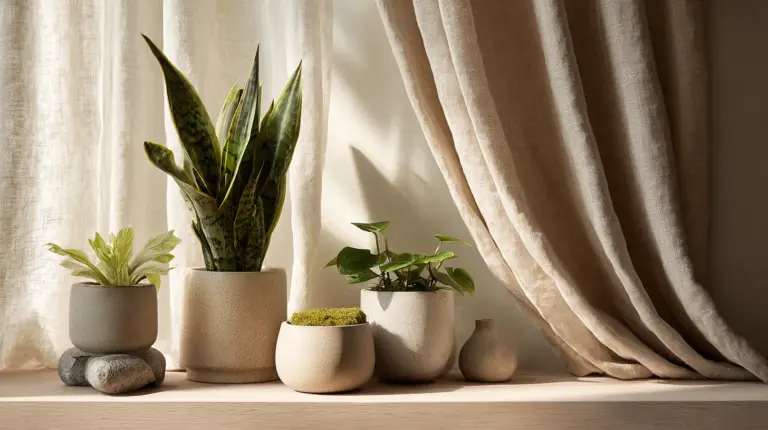
| Snake Plant (Sansevieria) | Leaf cuttings in water or soil | Very High | Low to indirect | Ideal for beginners |
| ZZ Plant (Zamioculcas) | Leaf or stem cuttings in soil | High | Low to indirect | Extremely drought-tolerant |
| Pilea (Pilea peperomioides) | Stem offsets in water or soil | Very High | Bright indirect | Fast-growing, architectural |
| Monstera (Monstera deliciosa) | Stem cuttings or air layering | High | Bright indirect | Wabi-sabi-perfect split leaves |
| Peace Lily (Spathiphyllum) | Division at the root base | High | Low to indirect | Elegant drooping form |
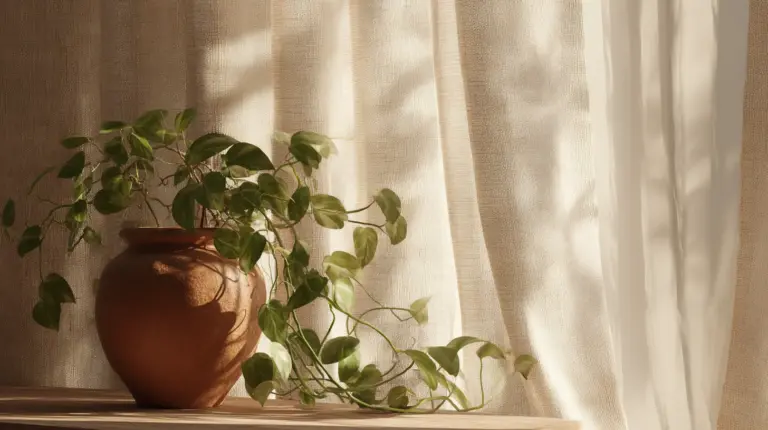
| Pothos | Stem cuttings in water | Very High | Low to indirect | Trails beautifully off shelves |
| Fatsia Japonica | Stem cuttings or seed sowing | Medium | Indirect to partial shade | Dramatic, architectural leaves |
| Bonsai Ficus | Stem cuttings with rooting hormone | Medium | Bright indirect | Requires patience and care |
| Japanese Maple (Acer palmatum) | Softwood cuttings or grafting | Medium-Low | Indirect to partial sun | Best for outdoor Japandi spaces |
| Kokedama moss | Division or remounting | High | Indirect | Needs misting; deeply Japandi |
These plants share a quality that Japandi design prizes above all else: restraint. Their forms are clean, their palettes muted — sage, deep green, silvery grey — and they age gracefully alongside natural materials.
How to Propagate Plants for Japandi Style Homes
The method you choose shapes the ritual as much as the result. Here is a plant-by-plant walkthrough of the most effective techniques for the species above.
Snake Plant: Leaf Cuttings in Water
Cut a healthy leaf near the base using a clean knife. Slice it into sections roughly 8–10 cm long, keeping track of which end is “up.” Place upright in a glass vessel — a simple fluted test tube or a matte-glazed ceramic cup works beautifully. Change the water every few days and set near a north-facing window. Roots appear within three to five weeks.
ZZ Plant: Stem Cuttings in Soil
Select a healthy stem and cut just below a node. Let the cutting rest on a dry surface for an hour — this allows the cut end to callous slightly. Press into a small pot of well-draining cactus mix and mist lightly. Resist overwatering. The ZZ’s natural drought tolerance means patience, not moisture, is your best tool here.
Pilea: Stem Offsets
The Pilea produces small “pups” — tiny offshoots emerging from the soil around the mother plant. Gently separate these with a clean fork, place in water, and watch the roots form within one to two weeks. Pilea propagation is one of the most satisfying small rituals in plant care.
Monstera: Air Layering for Wabi-Sabi Imperfection
Select a healthy node with an aerial root. Wrap damp sphagnum moss around it and cover loosely with a clear wrap to maintain humidity. Within four to six weeks, roots will have formed within the moss. Cut below the new root system and pot. The imperfect, organic result — roots visible, textured, alive — is deeply aligned with wabi-sabi’s celebration of the natural and unfinished.
Peace Lily: Root Division
Remove the plant from its pot and gently separate the root clumps with your hands, keeping as many roots intact as possible. Repot each section in fresh, peaty soil. Water gently and place in a low-light corner. Peace lilies reward minimal intervention.
Fatsia Japonica: Stem Cuttings
Take semi-ripe stem cuttings in late summer, removing lower leaves and dipping the cut end in rooting hormone powder. Plant in a moist peat-free compost and keep in a warm, humid spot — a bathroom shelf with indirect light is ideal. Transplant once roots are established, which typically takes six to eight weeks.
DIY Japandi Propagation Station Ideas
A Japandi propagation station is not merely functional — it is part of the room’s composition. Think of it as a living art piece: rooted cuttings in glass vessels, mounted on raw-edged timber, catching the afternoon light.
Wall-Mounted Wood and Glass Station
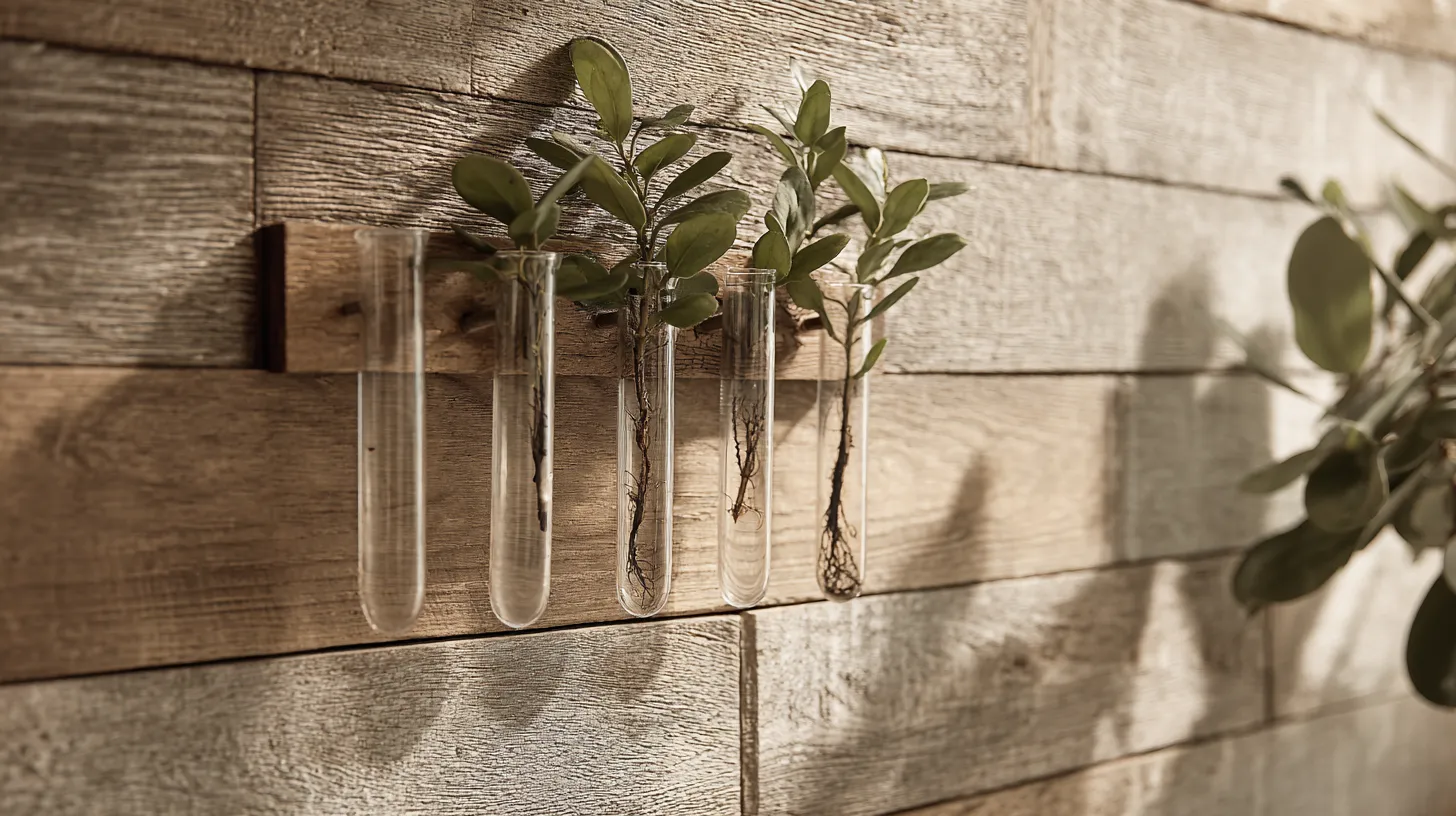
Source a length of reclaimed pine or oak. Sand it to a matte finish — do not varnish. Pre-drill holes sized for glass test tubes or small bud vases. Mount using simple matte-black wall hooks or renter-friendly command strips. Fill tubes with water and add cuttings of snake plant, pothos, or Pilea. The result is organic, minimal, and deeply intentional.
Upcycled Terracotta Shelf Station
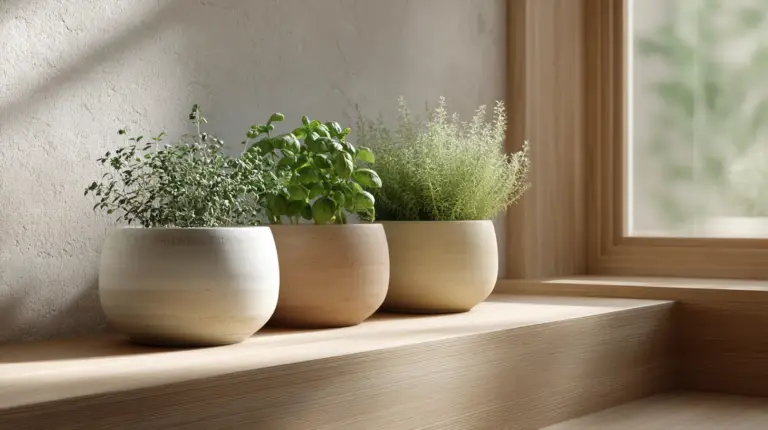
Arrange a trio of terracotta propagation pots — unglazed, slightly irregular — on a floating shelf above a low sideboard. Pair with a small linen pouch of perlite and a wooden-handled misting bottle. The earthy palette ties directly into Japandi’s love for raw, honest materials.
Renter-Friendly Hanging Station
Use a single length of natural jute cord, knotted at intervals, to hang small glass jars from a curtain rod. Fill each with a single cutting. The movement is gentle, the silhouette airy, and the whole setup removes without a single screw.
How to Style Propagated Plants in Small Japandi Spaces
The art is not just in propagating — it is in placing. A well-rooted cutting deserves a considered home.
Floating Shelves and Vertical Layering
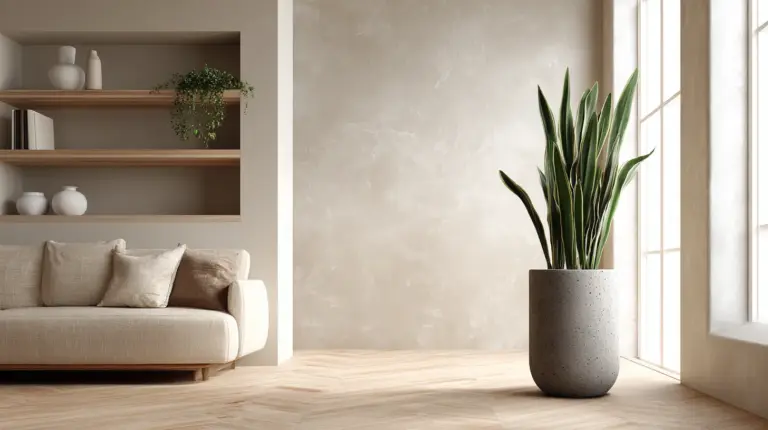
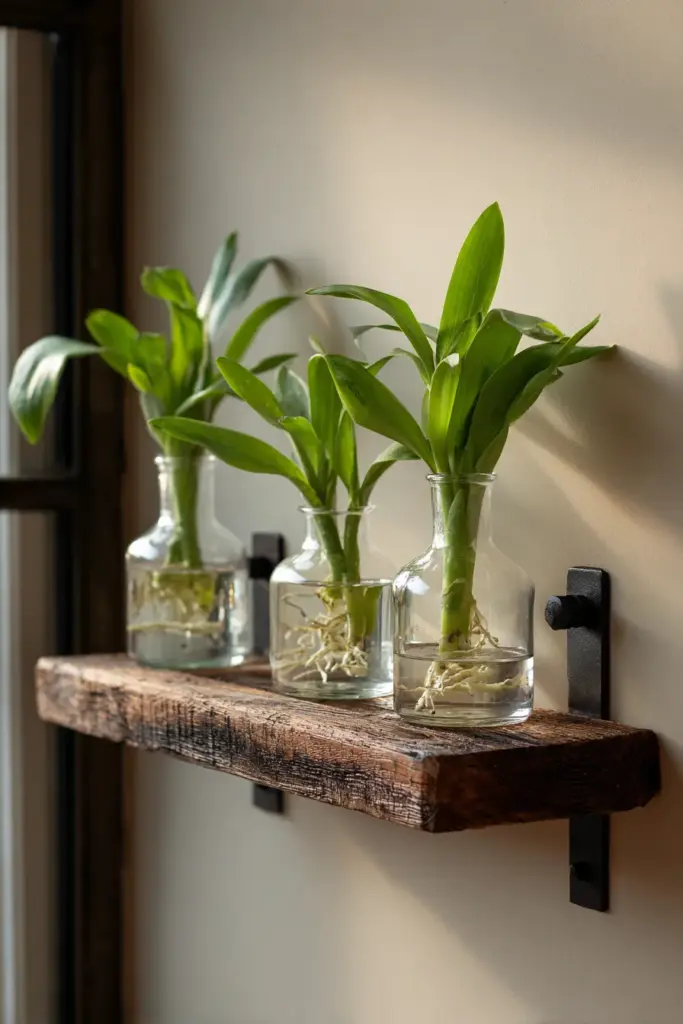
Layer plants by height: tall snake plants on the floor, medium Pilea on mid-level shelves, trailing pothos on the highest shelf where they can fall. This vertical rhythm mimics the tiered planting of Japanese gardens and gives even a small room a sense of depth and breath.
Kokedama Orbs as Living Sculpture
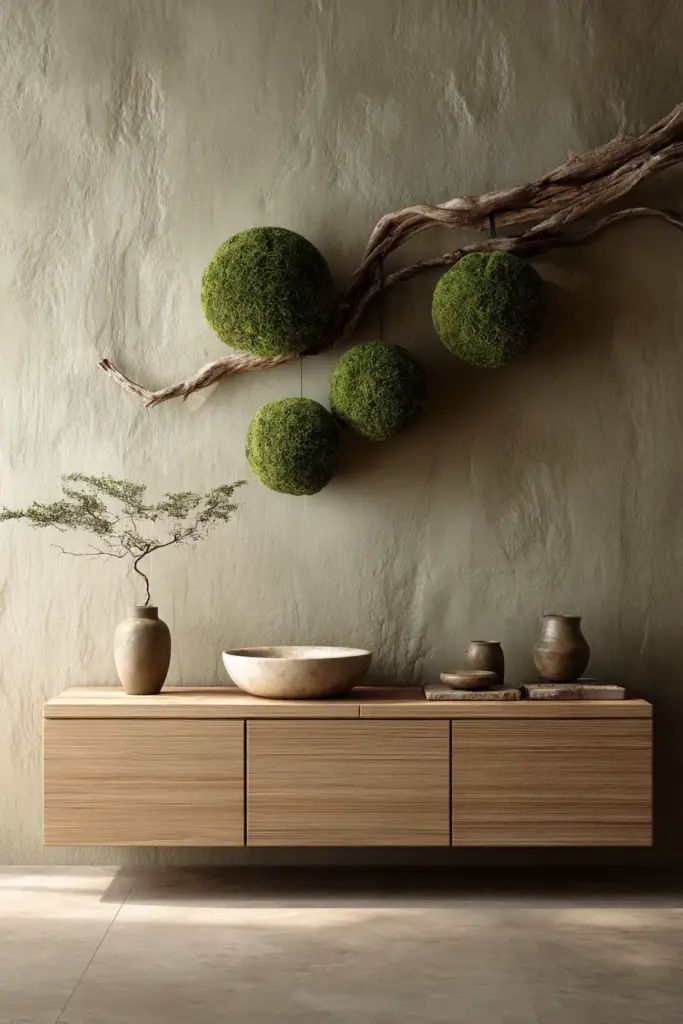
Once roots are established, wrap smaller plants — moss, Pilea, peace lily — in damp sphagnum moss and bind tightly with natural twine. Hang from a branch fixed to the wall, or rest in shallow ceramic bowls. Kokedama is perhaps the most Japandi form of plant display: sculptural, impermanent, and quietly beautiful.
Seasonal Rotation for Year-Round Minimalism
Swap plants with the seasons to maintain visual freshness without accumulating clutter. In cooler months, lean toward darker-leaved plants like Fatsia and ZZ for their architectural weight. In warmer months, bring in lighter, trailing varieties. This rotation keeps the space feeling curated, not collected.
Light, Humidity, and Care: A Quick Reference Chart
| Plant | Preferred Light | Humidity Need | Watering Frequency | Propagation Season |
|---|---|---|---|---|
| Snake Plant | Low to indirect | Low | Every 2–3 weeks | Spring–Summer |
| ZZ Plant | Low to indirect | Low | Every 3–4 weeks | Spring–Summer |
| Pilea | Bright indirect | Medium | Weekly | Spring |
| Monstera | Bright indirect | Medium–High | Weekly | Spring–Summer |
| Peace Lily | Low | High | Weekly | Spring |
| Fatsia Japonica | Indirect to partial | Medium | Weekly | Late Summer |
| Pothos | Low to indirect | Low | Every 1–2 weeks | Year-round |
In humid climates like the Philippines, reduce watering frequency and increase airflow to prevent root rot — the most common propagation challenge in warm, wet environments.
Troubleshooting Japandi Plant Propagation
Even the most mindful propagators encounter setbacks. Here is what to watch for.
Root rot is caused by overwatering or poor drainage. If roots turn brown and mushy, trim the affected sections cleanly, allow to dry for an hour, and re-root in fresh water or soil. Ensure your propagation vessel has drainage or that you change water frequently.
No root development after several weeks usually indicates insufficient light or a cutting taken from an unhealthy parent plant. Move to a brighter spot — still indirect — and take new cuttings from a vigorous stem.
Yellowing leaves during propagation are often a sign of too much direct sun or a cutting placed in stagnant water. Change the water, reposition, and trim any damaged growth.
Key Takeaways: Your Japandi Propagation Checklist
- Choose plants that align with Japandi’s quiet aesthetic: snake plant, ZZ plant, Pilea, Monstera, peace lily, Fatsia, and Pothos are ideal starting points
- Use clean, sharp tools and allow cuttings to callous briefly before placing in water or soil
- Match your propagation vessels to the room: test tubes in raw wood frames, unglazed terracotta pots, simple glass bud vases
- Style stations as part of the room’s composition — not as utilitarian afterthoughts
- In humid climates, prioritise airflow and change propagation water every two to three days
- Rotate plants seasonally to maintain the edited, intentional feel of Japandi spaces
- Consider kokedama as a living sculpture option for established cuttings
- Try upcycled vessels — a simple kitchen jar, a vintage bottle — for a sustainable, wabi-sabi touch
A Gentle Closing
There is a kind of patience that plant propagation teaches you. You cut, you place, you wait. You do not rush the roots.
That patience — the willingness to tend something small and trust the process — is at the heart of Japandi living. It is the same quality that makes you smooth a linen cushion before sitting, or light a single candle rather than switching on the overhead light.
Your home is a reflection of what you are willing to slow down for. Let these small cuttings, resting in clear water by a window, be one of those things.
Grow slowly. Style with intention. That is the ERYLIN way.
Frequently Asked Questions
What are the easiest plants to propagate for a Japandi home?
Snake plant and Pilea are the easiest starting points. Both root readily in water, require minimal light, and suit the neutral, minimal aesthetic of Japandi interiors perfectly.
How do I make a DIY Japandi propagation station?
Mount a length of reclaimed wood to your wall using renter-friendly hooks, then add glass test tubes or small bud vases for your cuttings. Keep the palette natural — raw wood, clear glass, undyed cord — and let the plants do the rest.
Which Japanese plants propagate easily indoors?
Fatsia japonica propagates well from semi-ripe stem cuttings taken in late summer. Bonsai ficus can be propagated from cuttings using rooting hormone. Both thrive in indirect indoor light.
How do I propagate plants for small Japandi spaces?
Focus on vertical display: wall-mounted propagation stations, hanging jars on jute cord, or a single floating shelf layered with cuttings at different heights. In small spaces, one well-placed propagation vessel is more powerful than many scattered pots.
How do I prevent root rot in humid climates during propagation?
Change propagation water every two to three days, ensure your soil mix is well-draining, and position cuttings where there is gentle airflow. Avoid placing vessels on surfaces that trap moisture, and choose terracotta over glazed ceramic for soil propagation — it breathes.