
Table of Contents
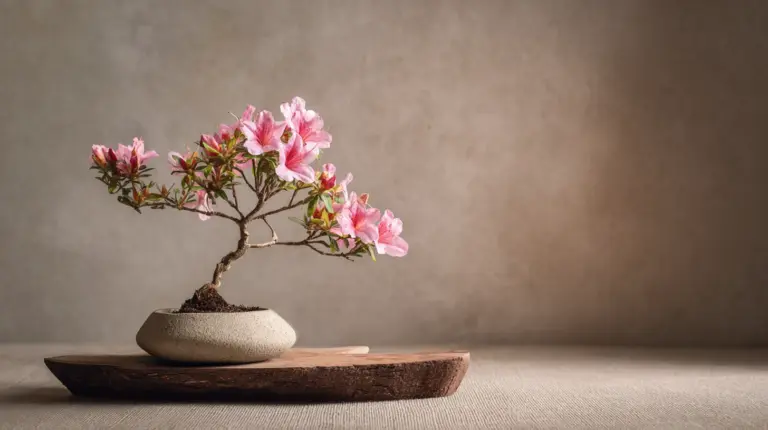
There is something quietly magical about a single bloom resting in a matte ceramic pot. No drama. No clutter. Just one soft, living thing bringing warmth to a carefully considered space.
That is the spirit of Japandi — the gentle meeting of Japanese wabi-sabi and Scandinavian hygge. And when flowering plants enter that world, something extraordinary happens. The room breathes. It softens. It feels lived-in and loved.
If you have ever wondered whether flowers belong in a minimalist home, the answer is a quiet but confident yes — as long as you choose the right ones. Not every bloom fits the Japandi palette. But the ones that do? They transform a neutral room into something truly soulful.
This guide will walk you through the best flowering Japandi plants, how to style them with intention, and — for those of us living in tropical climates like the Philippines — how to care for them through every humid season.
What Makes a Plant “Japandi”?
Not all plants earn a place in a Japandi home. The philosophy is rooted in restraint, natural beauty, and quiet purpose.
A Japandi plant tends to have clean lines or sculptural form. It leans toward muted, natural tones — deep greens, soft whites, dusty pinks. It does not demand attention; it simply holds space.
For flowering plants specifically, the blooms should feel understated. Think white spathes, pale lavender petals, soft coral — never neon, never loud. The flower complements the room rather than competing with it.
The Core Japandi Plant Principles
- Form matters as much as color. Curved leaves and upright stems read as intentional.
- One is enough. A single flowering plant placed with care creates more impact than a crowded shelf.
- The pot is part of the design. Choose matte ceramics, woven baskets, or raw terracotta to ground the look.
- Low maintenance is a virtue. A plant that thrives with minimal fuss aligns with the Japandi philosophy of ease.
The 10 Best Flowering Japandi Plants
Here is a curated comparison of flowering plants that naturally suit a Japandi interior — especially for homes in Southeast Asia where tropical conditions shape what thrives indoors.
| Plant | Light Needs | Bloom Color | Care Level | Japandi Fit | Approx. Cost (PHP) |
|---|---|---|---|---|---|
| Peace Lily | Low to medium | White | Easy | ★★★★★ | 150–400 |
| White Orchid (Phalaenopsis) | Medium indirect | White / blush | Moderate | ★★★★★ | 300–800 |
| Anthurium | Medium indirect | Red, pink, white | Easy | ★★★★☆ | 200–600 |
| African Violet | Low to medium | Lavender, white | Easy | ★★★★☆ | 100–300 |
| Kalanchoe | Bright indirect | Coral, yellow, white | Easy | ★★★☆☆ | 150–350 |
| Bromeliad | Medium indirect | Red, orange, pink | Easy | ★★★☆☆ | 250–500 |
| Clivia | Low to medium | Orange, yellow | Moderate | ★★★★☆ | 300–700 |
| Oxalis (Shamrock) | Medium | Pink, white | Easy | ★★★★☆ | 100–250 |
| Gardenia | Bright indirect | White | Moderate | ★★★★☆ | 200–500 |
| Bamboo Orchid | Medium indirect | Pink, white | Moderate | ★★★★★ | 200–600 |
Peace Lily — The Quiet Icon
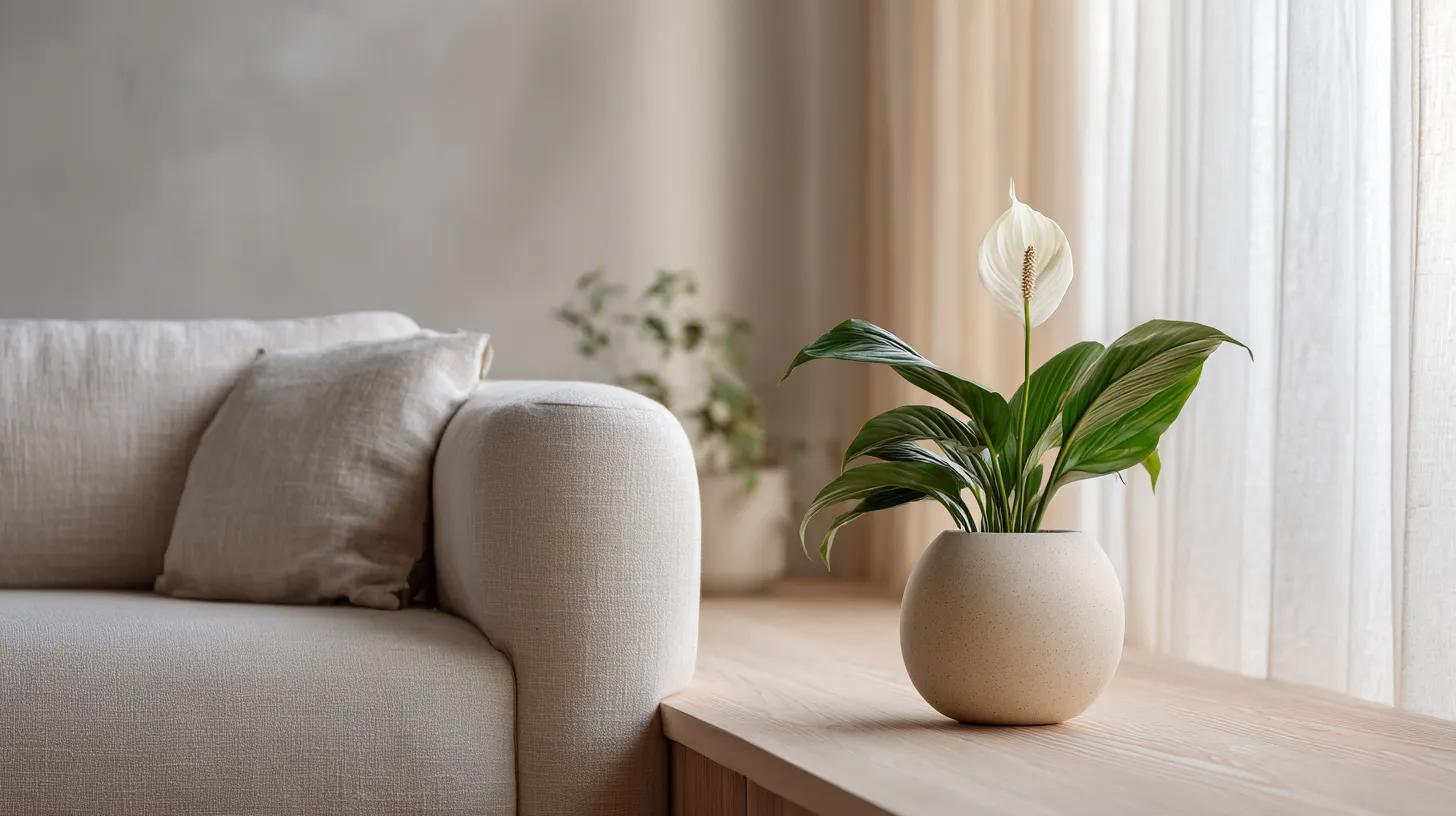
The Peace Lily (Spathiphyllum) is the most beloved flowering plant in Japandi design — and for good reason. Its white spathes rise like a soft exhale above deep green leaves, elegant without effort.
It thrives in low to medium indirect light, making it ideal for Philippine living rooms that face away from direct sun. It also purifies the air, removing up to 40% of airborne benzene — a quiet, practical gift to your home environment.
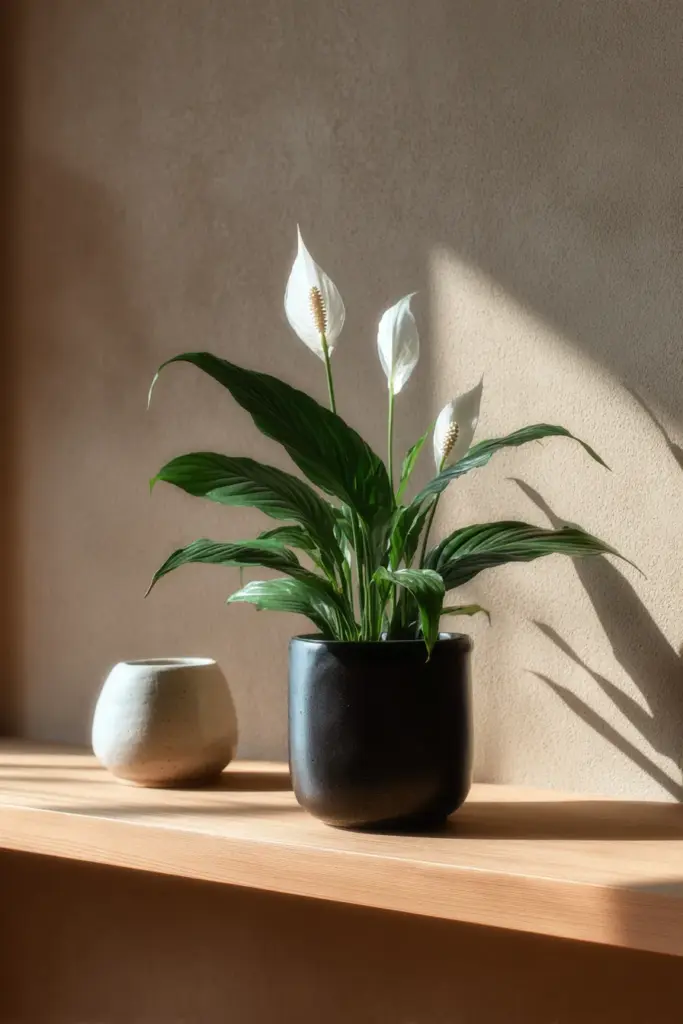
Style it in a matte black or warm terracotta pot and place it on a low wooden shelf or beside a linen sofa. Let it stand alone. That is enough.
White Phalaenopsis Orchid — Refined Simplicity
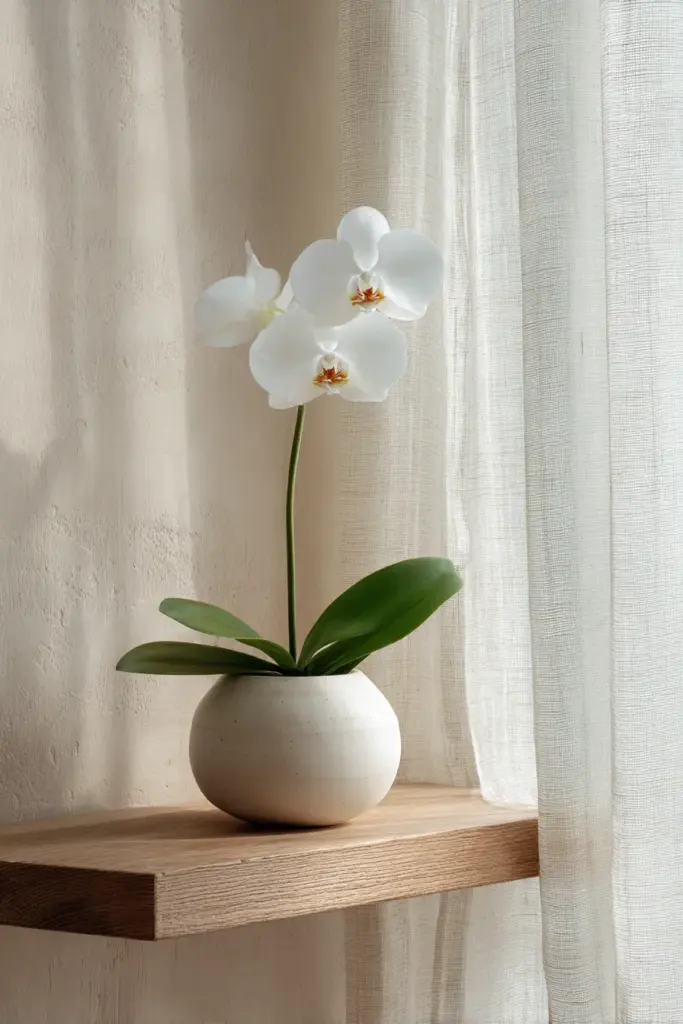
The white moth orchid (Phalaenopsis) is the definition of understated elegance. Its delicate arching stems and papery blooms feel like something out of a Japanese ink painting.
Orchids prefer bright, filtered light — a sheer-curtained window works beautifully. Water only when the roots turn silvery, roughly once a week. The reward is weeks, sometimes months, of quiet blooming.
Place a single stem in a slim white ceramic pot on a reading nook shelf or bathroom counter. The contrast of organic curve against clean architecture is pure Japandi.
Anthurium — Sculptural Drama, Softly Done
Anthuriums carry a quiet boldness. Their waxy, heart-shaped spathes in white, blush, or deep red add just enough color to anchor a neutral room without overwhelming it.
They tolerate medium indirect light and prefer high humidity — which, if you live in the Philippines, nature handles for you. Wipe their leaves occasionally with a damp cloth to keep the glossy surface luminous.
Choose a white or sage green Anthurium to keep things firmly within the Japandi palette. A dark pot, a natural wood tray underneath — and you have a composition.
African Violet — Compact and Cozy
Do not underestimate the African Violet (Saintpaulia). Small enough to sit on a windowsill or bathroom ledge, its velvety petals in soft lavender or white bring a gentle, almost nostalgic warmth.
It blooms almost continuously with minimal care — low to medium light, bottom watering once a week, and it quietly does its thing. For small Japandi apartments or studio spaces, this is your plant.
Tuck it into a woven rattan pot sleeve or a simple speckled ceramic. Group three in varying heights for a considered, curated moment on a shelf.
Kalanchoe — A Bloom for Every Season
Kalanchoe surprises people. Most assume succulents cannot flower with such persistence — yet here it blooms for weeks at a time, in soft coral, cream, or dusty yellow.
It needs bright indirect light and very little water, making it one of the most forgiving flowering plants you can own. Perfect for a sunlit Japandi kitchen windowsill or a bright study nook.
The key to keeping Kalanchoe on-brand? Choose the white or pale peach varieties. Avoid the loud reds. Style it in a matte white or sand-toned pot and let those petals do the quiet work.
Bromeliad — Tropical with Attitude
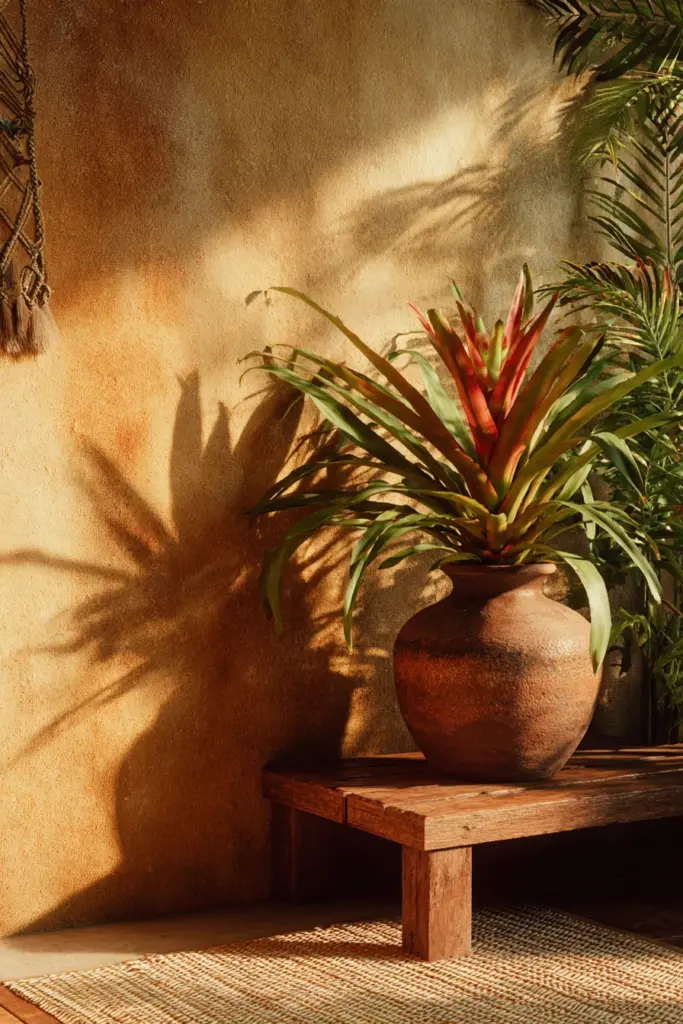
Bromeliads are tropical by nature, and they carry a sculptural confidence that fits right into a Japandi home when styled correctly. Their rosette form is geometric and grounded. Their bloom is dramatic but brief.
They thrive in Philippine humidity and ask for very little — bright indirect light, water in their central cup, and a chunky pot with good drainage. Their bloom lasts months, and after it fades, they produce pups you can propagate for free.
Choose a muted orange or blush-colored variety and set it on a low wooden platform or woven mat. It becomes a piece of living sculpture.
Clivia — Rare, Slow, Worth It
Clivia is not as common in Philippine homes, but it deserves a place in the conversation. Its clusters of orange or yellow trumpet flowers rise from strap-like, arching leaves — structured, dramatic, and deeply beautiful.
It prefers low to medium light and minimal watering, making it incredibly well-suited to shaded rooms. It blooms once a year, typically in cooler months — a slow-living plant for a slow-living home.
Style it in a large, matte clay pot as a floor statement plant in a corner. Add a smooth river stone beside it. That is your Japandi corner.
Oxalis — The Unexpected Charmer
Oxalis, or the Shamrock plant, wins hearts with its clover-like foliage and delicate small flowers in pink or white. The leaves fold at night and open by morning — a gentle, living rhythm you begin to look forward to.
It thrives in medium indirect light, grows quickly, and propagates easily from bulbs. For budget-conscious Japandi styling, it is one of the most generous plants you will find under PHP 250.
Plant it in a simple round ceramic in a warm neutral tone. Place it on your work desk or bedside table where you will notice its daily unfurling.
Gardenia — Scent as a Design Element
A Japandi home engages all the senses. And Gardenia is the plant that reminds you: fragrance belongs in good design.
Its creamy white blossoms carry a deep, honeyed scent that fills a room slowly and quietly — never aggressive, always welcoming. It prefers bright indirect light and consistent moisture, making it a little more demanding than the others on this list.
But if you can give it a bright window and regular misting, it will reward you with weeks of flowers and a home that smells like something rare. Pair it with a woven plant basket and linen curtains for full sensory Japandi immersion.
Bamboo Orchid — Tropical Soul, Japandi Heart
The Bamboo Orchid (Arundina graminifolia) is a native tropical orchid that blooms freely in the Philippine climate. Its soft pink and white petals have a simplicity that feels native to Japandi aesthetics.
It grows tall and slender with a grass-like stem — perfect for adding vertical movement to a low-slung Japandi living room setup. It does well in bright, filtered outdoor light and humid conditions.
Use it as a transitional plant — potted near a sliding glass door or on a covered veranda that flows into your living area. It bridges the indoors and outdoors with natural ease.
How to Style Flowering Plants in a Japandi Interior
Styling matters as much as selection. The most beautiful plant, placed carelessly, loses its power.
Choosing the Right Pot
The pot is not an afterthought — it is part of the composition.
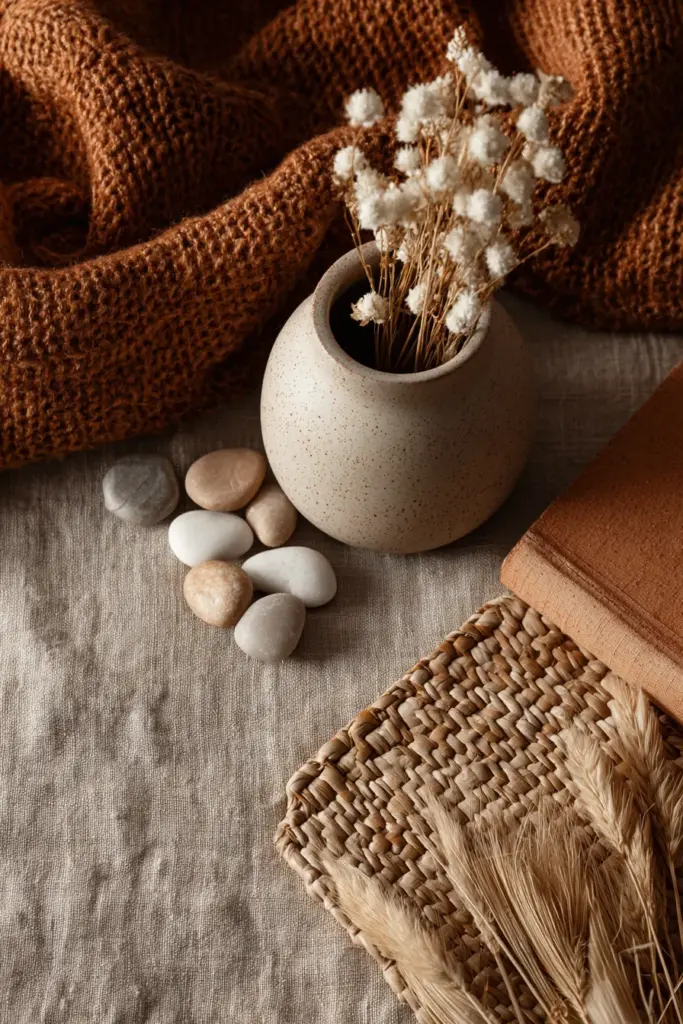
- Matte ceramics in white, sand, charcoal, or warm grey ground any flowering plant in Japandi calm.
- Woven baskets in seagrass or rattan add warmth and organic texture.
- Raw terracotta with an unglazed finish brings earthy wabi-sabi character.
- Upcycled driftwood containers for a budget-friendly, coastal-Japandi hybrid under PHP 500.
Placement with Purpose
In Japandi design, negative space is sacred. Resist the urge to fill every corner. Instead, choose one or two key spots — a low sideboard, a reading corner, a bathroom shelf — and let your flowering plant own that space.
Natural light placement is everything. A Peace Lily beside a north-facing window. An orchid on a sheer-curtained ledge. A Gardenia near the brightest spot in the room.
The Rule of One
When in doubt, use one. One flowering plant. One pot. One deliberate moment of beauty. Japandi does not layer — it distills.
Tropical Care Tips for Philippine Homes
Living in a tropical climate gives you natural advantages — humidity, warmth, and year-round growing conditions. But it also brings challenges worth preparing for.
Managing Monsoon Humidity
During the rainy season (June through October), indoor humidity spikes. Most flowering plants love this — but soggy soil is a risk.
- Use pebble trays with water under pots to maintain humidity without waterlogging roots.
- Improve air circulation with a small fan set on low — it reduces fungal risk.
- Check drainage holes regularly and ensure no water sits in saucers for more than 24 hours.
Pest Prevention in Warm Months
Warm, humid March and April invite fungus gnats and mealybugs.
- Inspect new plants before bringing them indoors.
- Wipe leaves weekly with a neem oil solution (1 tsp neem oil + 1 liter water + a drop of dish soap).
- Quarantine any infested plant immediately to protect others.
Propagation for Free Plants
Many Japandi-friendly flowering plants propagate generously.
- Peace Lily: Divide at the root ball when repotting.
- Bromeliad: Separate pups once they reach one-third of the parent’s height.
- Oxalis: Separate bulbs from the soil and replant.
- African Violet: Leaf cuttings root easily in moist soil or water.
Growing your own plants is the most wabi-sabi thing you can do — imperfect, slow, and deeply satisfying.
Key Takeaways
- Japandi flowering plants favor white, blush, and muted tones — subtlety is the point.
- Peace Lily and white Phalaenopsis orchids are the most naturally Japandi flowering plants available.
- Anthuriums, African Violets, and Bamboo Orchids expand the palette beautifully without breaking the aesthetic.
- Pot choice is essential — matte ceramics, woven baskets, and raw terracotta keep things grounded.
- One well-placed plant outperforms ten crowded ones — embrace the rule of one.
- Philippine homes benefit from pebble trays, neem oil routines, and good drainage during monsoon months.
- Budget-friendly options exist — Oxalis, African Violet, and Peace Lily all thrive for under PHP 400.
- Propagation is free and aligns with slow-living values — grow your collection gradually and with intention.
Closing Thought
A flowering Japandi home is not built in a weekend. It is assembled slowly — one plant, one pot, one considered moment at a time.
There is something deeply grounding about caring for a living thing that blooms without being asked. A Peace Lily opening on a Tuesday morning. An orchid still holding its petals three weeks later. A Gardenia filling your hallway with quiet sweetness.
That is what Japandi is about. Not perfection. Not performance. Just beauty that grows where it is nurtured, in a home that holds space for stillness.
We hope this guide helps you find your plant — the one that makes your room feel complete.
Frequently Asked Questions
What plants look best in a Japandi style home?
Peace Lily, white Phalaenopsis orchids, and Anthurium are among the top choices for Japandi homes. They offer sculptural form, clean lines, and muted bloom colors that complement neutral interiors without disrupting the minimalist calm.
Can you have flowers in a Japandi interior?
Absolutely. Japandi welcomes flowers as long as they stay understated. White, blush, and soft coral blooms work best. The key is restraint — one or two flowering plants placed intentionally create far more impact than a room full of them.
Which indoor flowering plants suit Japandi style in low light?
Peace Lily, African Violet, and Clivia all thrive in low to medium light — making them ideal for rooms with limited direct sun. They bloom reliably without needing a sun-drenched windowsill.
How do you style flowering plants in a Japandi home?
Use neutral pots in matte finishes, place plants in spots with natural light and breathing room, and resist overcrowding. A single flowering plant on a low wooden shelf or beside a linen armchair creates a calm, intentional focal point.
What are the best budget flowering plants for a Japandi living room in the Philippines?
Oxalis, African Violet, and Peace Lily are all available for under PHP 400 and thrive in Philippine conditions. They are easy to care for, propagate freely, and fit the Japandi aesthetic beautifully with the right pot choice.