
Table of Contents
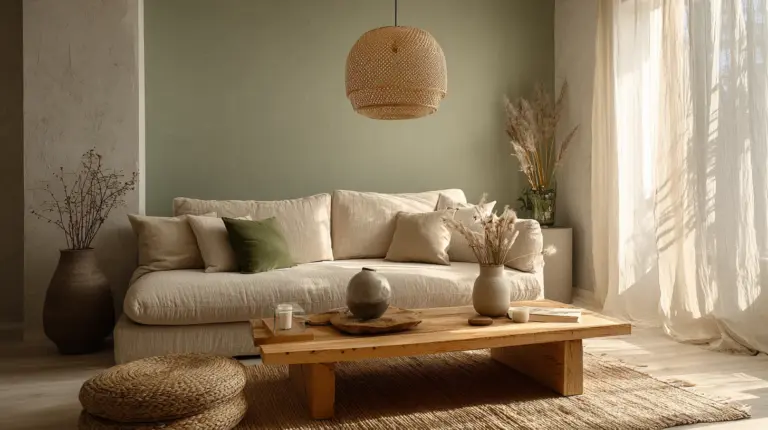
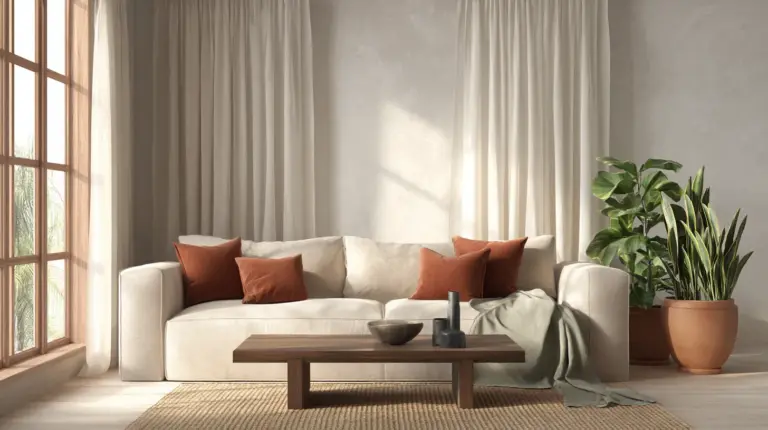
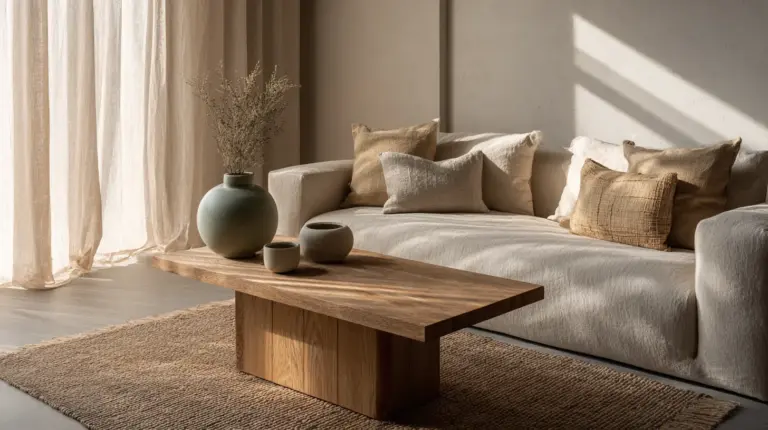
There’s something magnetic about a room that whispers rather than shouts. A space where natural wood meets the grounding strength of black, where minimalism doesn’t mean cold, and where every accent tells a quiet story.
This is the soul of Japandi design with black accents. It’s the marriage of Japanese wabi-sabi and Scandinavian hygge, softened by pale woods and linen, then anchored by deliberate touches of deep, matte black.
Think of it as adding punctuation to a gentle sentence. The black isn’t aggressive—it’s intentional. A slender lamp base. A charcoal vase catching afternoon light. A low coffee table frame that grounds everything without demanding attention.
In this guide, we’ll walk through how to bring this aesthetic into your living room, especially if you’re working with real budgets, small spaces, or humid climates like ours here in the Philippines. Because beauty should be accessible, practical, and deeply yours.
What Makes Japandi Living Rooms So Calming?
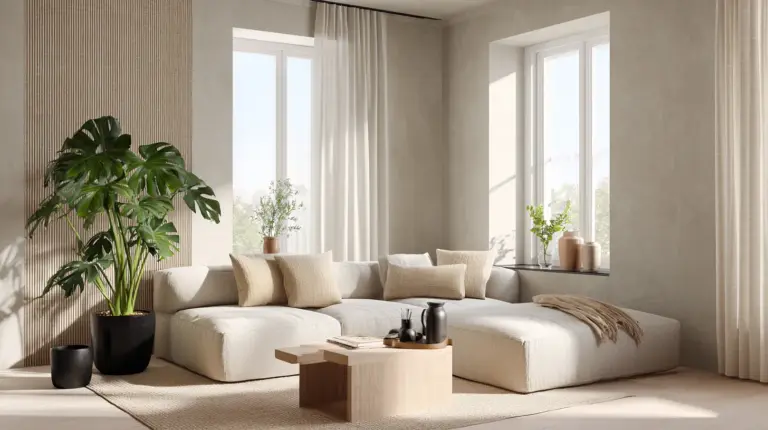
Japandi style is about balance. It takes the warmth of Scandinavian design—soft textiles, pale woods, cozy layers—and blends it with Japanese restraint: clean lines, negative space, handcrafted simplicity.
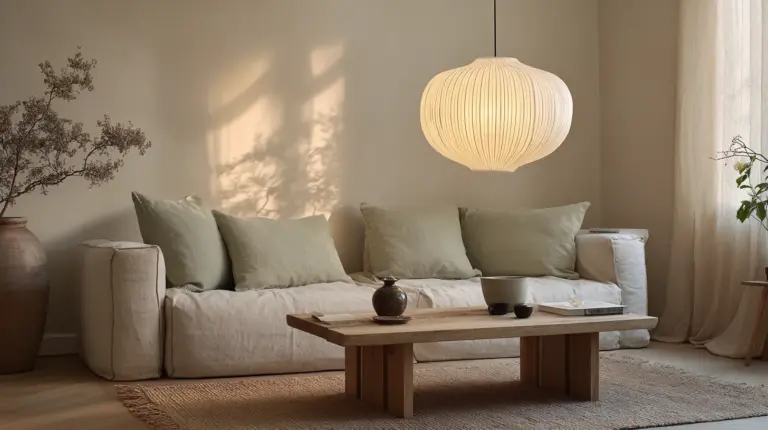
The result feels both lived-in and serene. It’s a space that breathes. Where you can think clearly, rest deeply, and feel held by your surroundings.
Black accents amplify this effect. They create visual weight without clutter, offering just enough contrast to make creamy walls and blonde oak feel intentional rather than flat.
Why Black Accents Elevate the Japandi Aesthetic
Grounding Without Heaviness
Black in Japandi isn’t about drama—it’s about grounding. A black metal shelf bracket. A charcoal throw pillow. These small touches anchor lighter tones and prevent the space from feeling too airy or unfinished.
In humid tropical climates, where dust and wear show quickly on lighter materials, black accents also offer practical durability. Matte black metals age beautifully, developing a soft patina rather than looking tired.
Creating Visual Focus
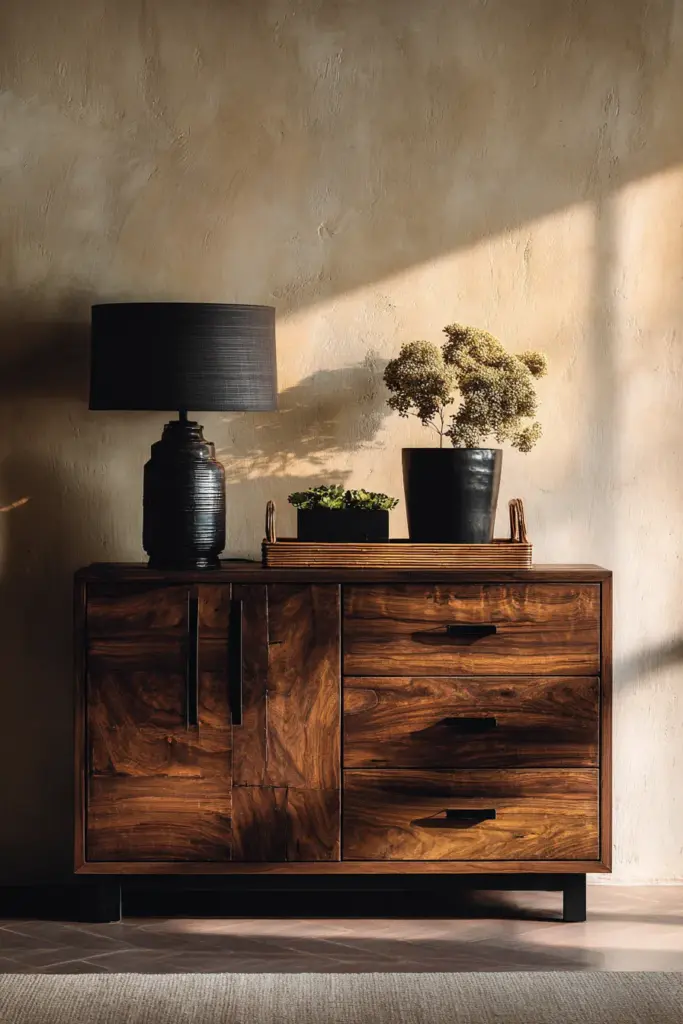
In a minimalist room, every piece matters. Black draws the eye without overwhelming it. A single black-framed artwork above a low sofa becomes the room’s quiet focal point. A cluster of black ceramic vases on a wooden console adds sculptural interest.
This is especially useful in small apartments where you can’t rely on architectural drama. Black gives you focus without taking up physical space.
Enhancing Natural Materials
Blonde woods, rattan, linen, and stone all glow more richly when set against black. The contrast makes textures more visible—you notice the grain of teak, the weave of jute, the softness of a wool throw.
It’s like how a frame makes art stand out. Black accents frame your natural materials, letting their organic beauty shine.
10 Japandi Black Accent Ideas Under PHP 10,000
Let’s make this real. Here are budget-friendly ways to introduce black accents into your Japandi living room, with pieces you can find locally.
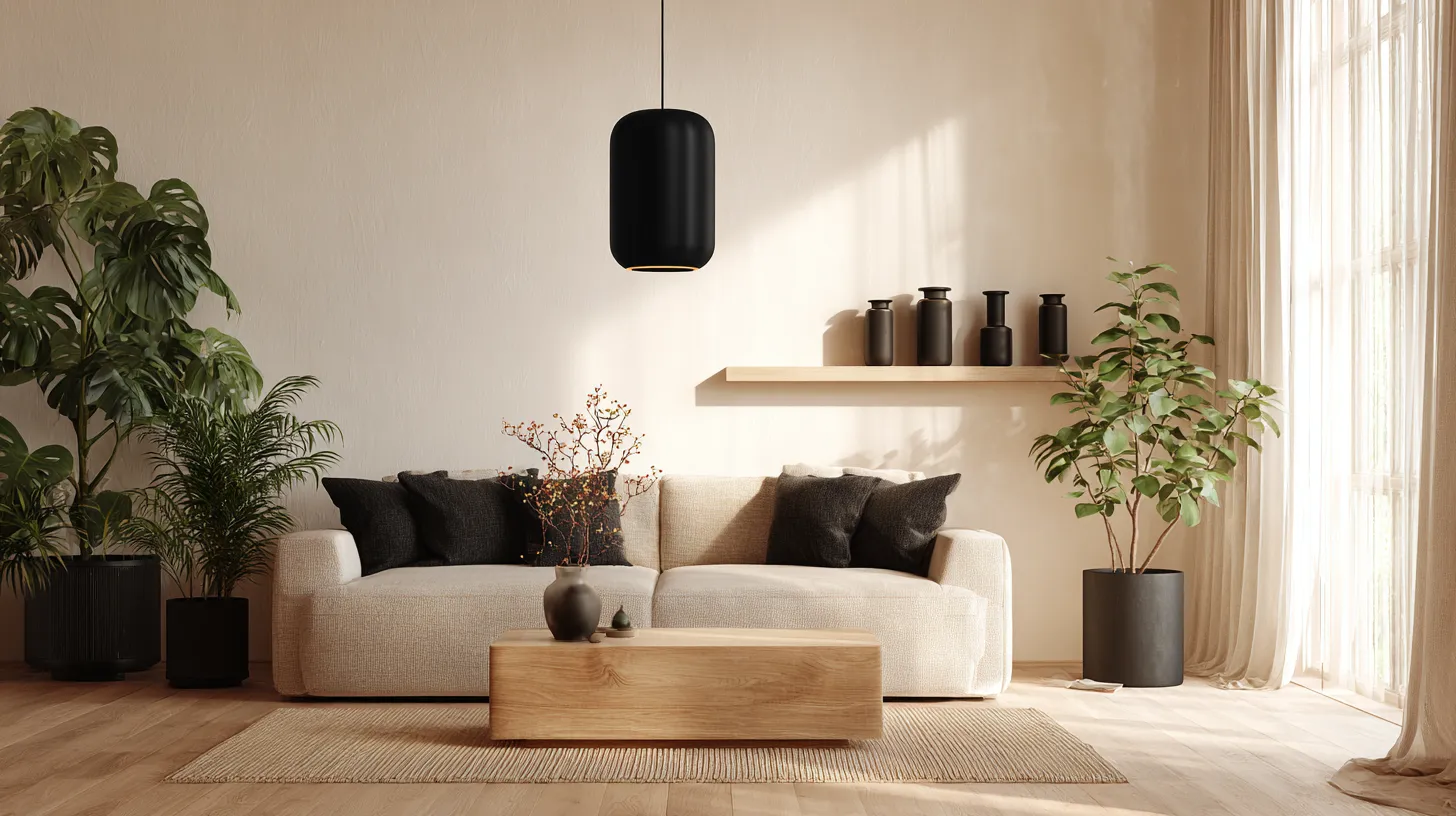
1. Matte Black Pendant Lamp (PHP 1,500–3,000)
Swap a standard bulb for a sculptural pendant with a matte black metal shade. Look for simple geometric shapes—domes, cylinders, or open cages. The key is clean lines and a non-reflective finish.
Hang it low over a coffee table or reading nook. The black fixture creates a visual anchor while casting warm, diffused light across the room.
2. Black Metal Shelving Unit (PHP 2,500–5,000)
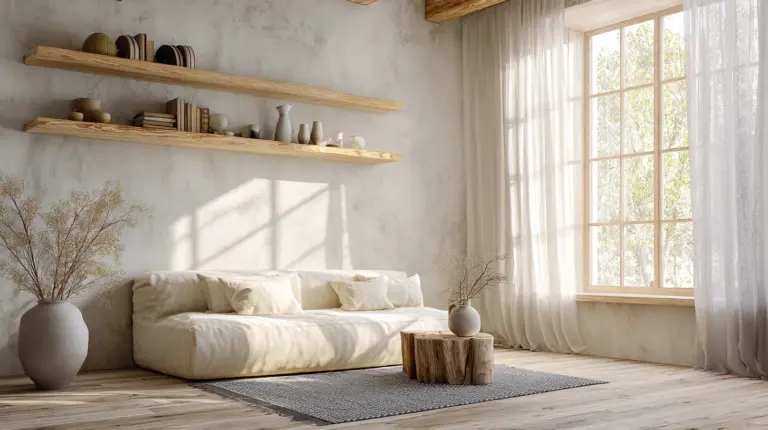
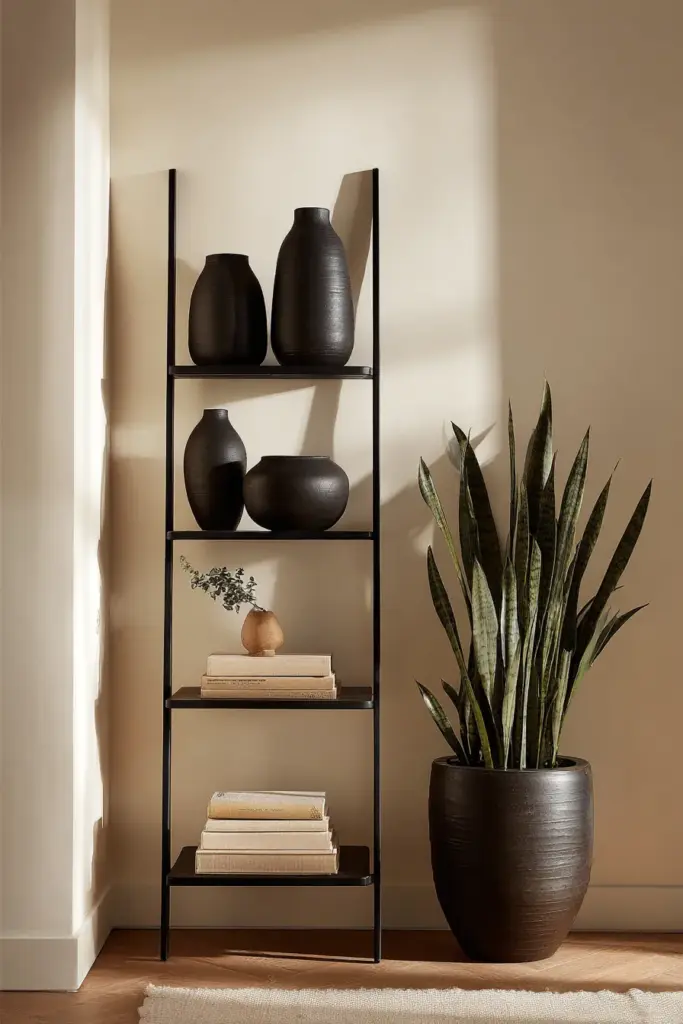
A slim ladder shelf or industrial-style bookcase in black powder-coated steel offers both storage and structure. Style it minimally: a few ceramic pieces, stacked books with neutral spines, a trailing pothos plant.
This works beautifully in small spaces where you need vertical storage without bulk.
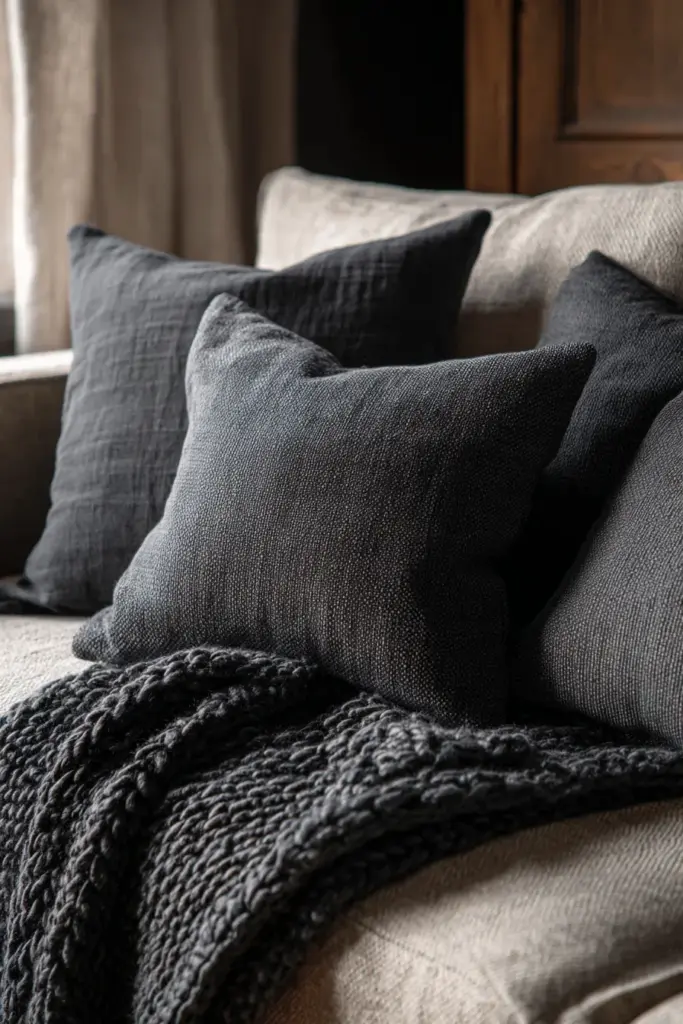
3. Charcoal Linen Cushions (PHP 800–1,500 each)
Layer 2–3 charcoal or deep gray linen cushions on a light sofa. Choose textures with slight slubs or weaves—imperfection adds warmth. Mix with cream, oatmeal, or soft terracotta for balance.
These are easy to wash and swap seasonally, making them ideal for humid climates where fabrics need regular care.
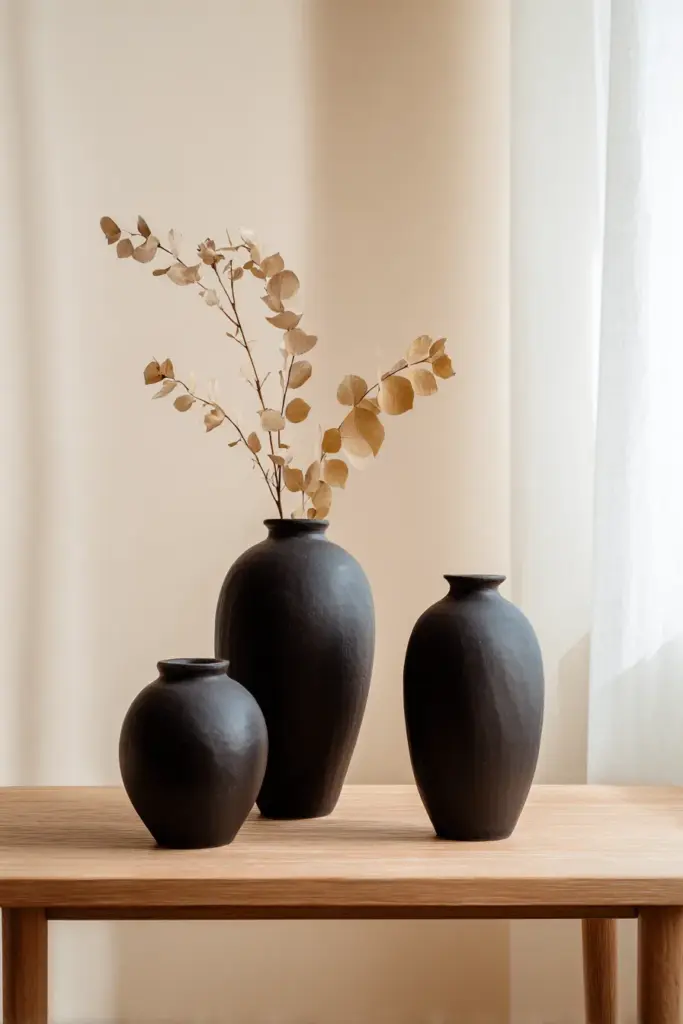
4. Black Ceramic Vases (PHP 500–1,200 each)
Collect a small family of black matte vases in varying heights. Display them on floating shelves, sideboards, or window sills with single stems—dried pampas, eucalyptus, or simple branches.
The negative space around each vase is as important as the vase itself.
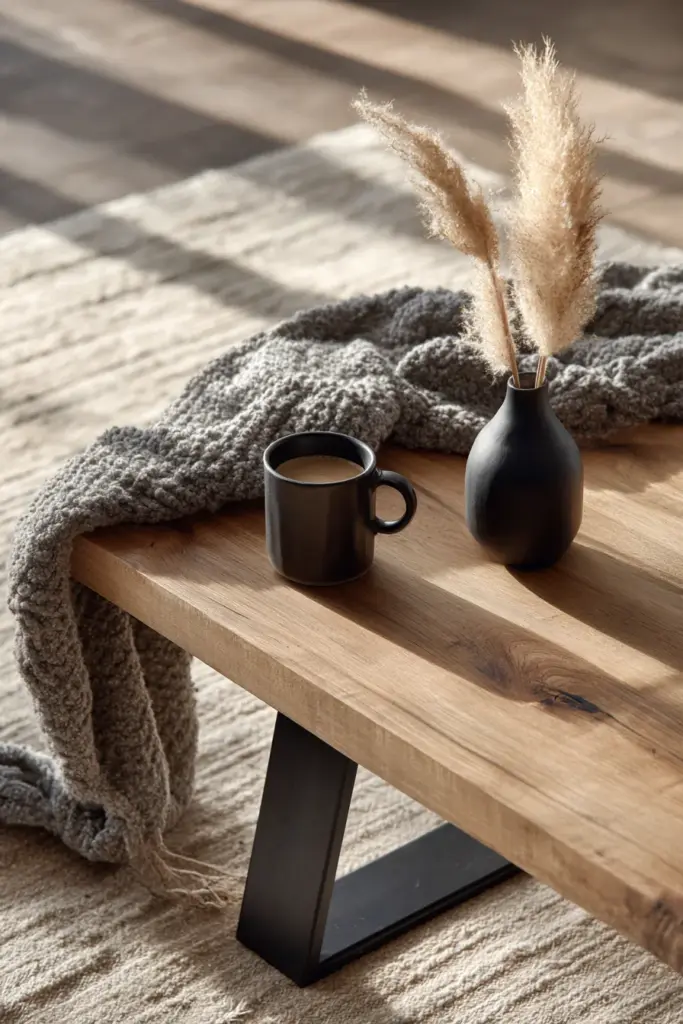
5. Low Black Coffee Table (PHP 3,000–8,000)
A coffee table with black legs and a natural wood or stone top is the ultimate Japandi investment. The contrast between materials creates instant visual interest while keeping the palette neutral.
Look for rounded edges and low profiles—around 12–16 inches high—to maintain the style’s grounded, zen-like quality.
6. Black Picture Frames (PHP 300–800 each)
Frame botanical prints, abstract line art, or personal photography in thin black frames. Arrange them in a loose grid or lean them casually on shelves.
Black frames unify disparate images and make DIY or affordable art look curated.
7. Charcoal Throw Blanket (PHP 1,200–2,500)
Drape a chunky knit or textured throw in charcoal over your sofa arm or the back of a chair. It adds both visual weight and literal warmth—perfect for air-conditioned evenings.
Choose natural fibers like cotton or linen blends that breathe well in tropical humidity.
8. Black Wire Baskets (PHP 600–1,500)
Use matte black wire baskets for storage—magazines, throws, kids’ toys. They’re functional without being fussy, and the open weave keeps them from looking heavy.
Stack two or three by the sofa or tuck one under a console table.
9. Black Hardware & Hooks (PHP 200–600)
Replace cabinet pulls, curtain rods, or wall hooks with matte black versions. This tiny detail creates cohesion across the room without requiring major renovations.
It’s an especially smart move for renters who want impact without permanence.
10. Black Planters (PHP 400–1,000 each)
Repot indoor plants—snake plants, ZZ plants, monsteras—into black ceramic or matte metal planters. The dark containers ground the greenery and tie into other black accents.
Group plants at varying heights for a mini indoor garden moment.
Designing for Small Spaces: Japandi Apartment Living
Keep Furniture Low and Leggy
In small living rooms, low-profile furniture creates the illusion of more vertical space. Choose sofas and chairs with exposed legs (preferably in natural wood or black metal) rather than skirted bases.
This “floating” effect keeps sightlines open and prevents the room from feeling cramped.
Use Black Accents as Anchors, Not Bulk
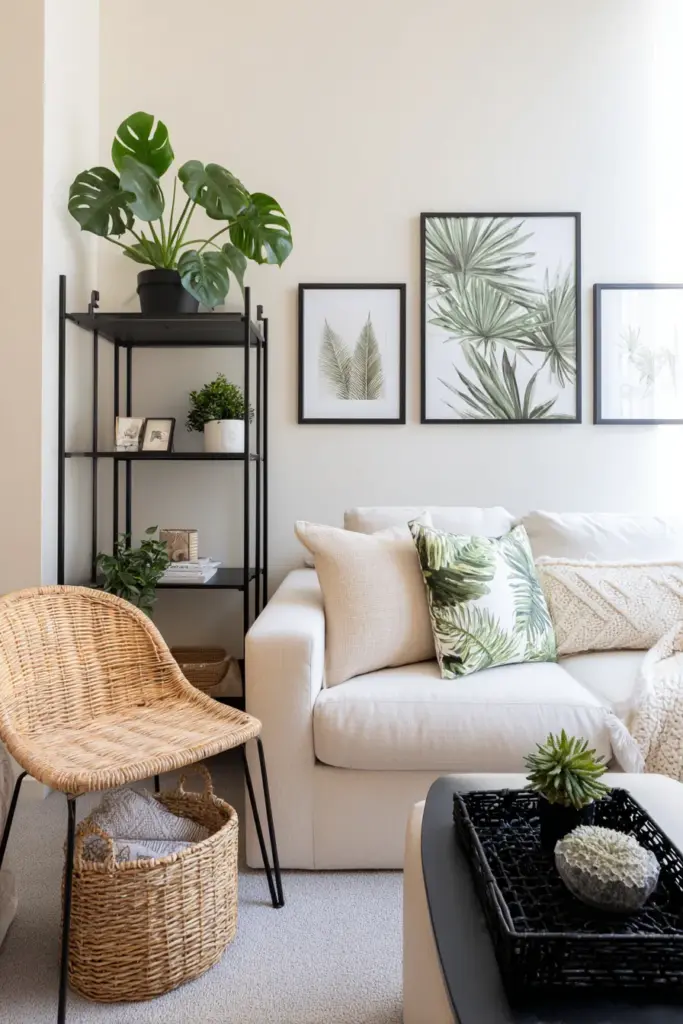
In tight quarters, too much black can close a space in. Instead, use black as strategic punctuation: one statement lamp, a few cushions, a single piece of art.
Let light walls and natural materials do the heavy lifting, with black providing just enough contrast.
Multifunctional Black Accent Pieces
Look for pieces that serve double duty—a black ottoman with hidden storage, a black-framed mirror that reflects light and expands space, a black side table with a lower shelf for books.
Function and beauty should always overlap in small-space Japandi design.
Budget Breakdown: Japandi Black Accents for Every Price Point
| Budget Range | What You Can Achieve | Key Pieces |
|---|---|---|
| PHP 5,000–10,000 | Starter refresh | Black pendant lamp, 3–4 cushions, small vases, frames |
| PHP 10,000–25,000 | Medium transformation | Add black coffee table, shelving unit, planters, throw blanket |
| PHP 25,000–50,000 | Complete redesign | Include black accent chair, large artwork, smart lighting, custom shelving |
| PHP 50,000+ | High-end Japandi | Invest in statement furniture, designer lighting, built-in black cabinetry |
Start small. Even PHP 5,000 can shift the energy of a room if you choose pieces that matter to you.
Materials That Work: Choosing the Right Black Accents
Matte Black Metal
This is your go-to for Japandi. Powder-coated steel or iron in a flat, non-reflective finish feels organic and handcrafted. It pairs beautifully with wood, stone, and linen.
Avoid glossy or chrome finishes—they read too modern or industrial for this aesthetic.
Charcoal Linen & Cotton
Natural fibers in deep gray or black-gray bring softness. They’re breathable, easy to care for, and age gracefully. Look for visible texture—slubs, loose weaves, or subtle stripes.
Wash in cold water and line-dry to prevent fading in humid climates.
Black Stoneware & Ceramics
Handmade ceramics with a matte glaze feel artisan and imperfect in the best way. Each piece has slight variations, which aligns with wabi-sabi philosophy.
Source from local potters when possible—it adds story to your space.
Dark-Stained Wood
For larger furniture, dark walnut or ebonized oak offers black’s grounding effect while maintaining warmth. The visible grain keeps it from feeling flat.
Pair with lighter woods—ash, oak, bamboo—for balance.
Styling Tips: How to Arrange Black Accents Thoughtfully
The Rule of Odd Numbers
Group black accents in sets of three or five for visual harmony. Three black vases on a shelf. Five framed prints in a gallery wall. Odd numbers feel more organic than pairs.
This creates rhythm without rigidity.
Create Breathing Room
Never cluster all your black accents in one corner. Distribute them across the room—a lamp by the sofa, a frame above the console, a basket near the entryway.
This creates balance and guides the eye through the space.
Layer Textures
Combine matte black metal with soft charcoal linen with glossy black ceramic. The textural variety keeps the dark tones from feeling monotonous.
Touch is as important as sight in Japandi design.
Pair with Warm Neutrals
Black against stark white can feel harsh. Instead, surround black accents with warm neutrals—cream, oatmeal, sand, pale terracotta. This softens the contrast and maintains the room’s calming vibe.
Think of it as candlelight rather than overhead fluorescents.
Sustainability: Choosing Eco-Friendly Black Accents
Recycled Metal Accents
Look for black furniture and décor made from recycled steel or reclaimed metal. Many local craftspeople in the Philippines work with salvaged materials, creating one-of-a-kind pieces.
This aligns with Japandi’s respect for materials and mindful consumption.
Natural Dyes for Textiles
Choose cushions and throws dyed with natural pigments rather than synthetic chemicals. Charcoal-dyed linen or plant-based black cotton is gentler on the environment and your skin.
These fade beautifully over time, adding to their wabi-sabi appeal.
Buy Less, Choose Better
Japandi is inherently anti-clutter. Invest in fewer, higher-quality black accents that will last years rather than trendy pieces you’ll replace seasonally.
Quality over quantity always.
Support Local Artisans
Purchase handmade black ceramics, woven baskets, or metalwork from Filipino makers. You’ll get unique pieces while supporting sustainable, small-scale production.
Check local markets, Instagram shops, or platforms like Craftisan PH.
Smart Lighting Integration: Black Fixtures for Modern Living
Philips Hue Black Pendants
Smart bulbs in matte black fixtures let you control warmth and brightness from your phone. Dim to 20% for movie nights, brighten for reading, or shift to warm amber for evening relaxation.
This flexibility supports Japandi’s emphasis on mood and mindfulness.
Adjustable Black Task Lamps
A black articulated desk or floor lamp adds both function and sculpture. Position it beside a reading chair or over a work-from-home corner.
Look for designs with exposed bulbs and simple joints—no unnecessary ornamentation.
Hidden LED Strips in Black Channels
Install black aluminum channels with warm LED strips under shelves or behind headboards. The indirect lighting creates soft ambiance without visible fixtures.
This is especially effective in small apartments where table lamps take up precious surface space.
Maintenance Tips: Caring for Black Accents in Humid Climates
Dust Regularly
Black shows dust more than lighter colors, especially matte finishes. Wipe metal and ceramic pieces weekly with a soft microfiber cloth.
For hard-to-reach spots, use a clean makeup brush or compressed air.
Treat Metal with Care
In humid environments, metal can develop water spots or rust. Keep black metal furniture away from direct water exposure. If rust appears, sand lightly and touch up with matte black spray paint.
A thin coat of furniture wax adds protection without shine.
Wash Textiles Seasonally
Machine-wash black linen cushions and throws every 2–3 months in cold water with mild detergent. Hang to dry in shade to prevent sun fading.
Rotate cushions regularly so wear stays even.
Condition Dark Wood
If you have black-stained or dark wood furniture, condition it twice a year with furniture oil. This keeps the wood hydrated and prevents cracking in fluctuating humidity.
Use a product with natural ingredients—linseed or tung oil work beautifully.
Color Psychology: Why Black Enhances Focus and Calm
Black isn’t just an aesthetic choice—it affects how we feel in a space. In color psychology, black represents grounding, protection, and sophistication.
In a Japandi living room, small doses of black can enhance focus during work-from-home hours. It creates visual boundaries that help the brain organize information and reduce distraction.
At the same time, when balanced with warm woods and soft textiles, black doesn’t feel oppressive. It becomes restful, like shadows in a forest or the quiet depth of twilight.
This makes it ideal for multifunctional living rooms that need to shift from productive to restful throughout the day.
Real Homes: Japandi Black Accents in Silang, Philippines
Case Study: 45sqm Apartment Transformation
Maria, a graphic designer in Silang, transformed her small rental with PHP 15,000 and a weekend. She painted walls in warm white, added a black metal bookshelf from a local welder, and layered charcoal linen cushions on her existing sofa.
Three black ceramic vases from a Tagaytay potter and a black pendant lamp from Lazada completed the look. Total time: two days. Total impact: a space that finally felt like home.
Case Study: Family Living Room on a Budget
The Santos family in a humid lowland area wanted Japandi style without replacing furniture. They spray-painted existing side tables matte black, added black wire baskets for toy storage, and framed their kids’ artwork in thin black frames.
New black hardware on cabinets and a dark gray throw blanket tied everything together for under PHP 8,000. The room now feels cohesive and adult without losing its family-friendly function.
Shopping Guide: Where to Find Black Accents in the Philippines
Online Platforms
- Lazada: Wide selection of matte black lamps, frames, and planters at budget prices
- Shopee: Great for black textiles, cushions, and affordable ceramics
- Craftisan PH: Handmade black stoneware and locally-crafted metal pieces
- The Primer Group: Higher-end black furniture and lighting
Physical Stores
- Our Home: Black kitchen and décor items that work in living spaces
- Wilcon Depot: Hardware, black fixtures, and DIY materials
- Marketplace by Robinsons: Rotating selection of black home accents
- Local weekend markets: Unique finds from artisans—always ask if they work in black finishes
Custom Options
Commission local metal workers or carpenters for custom black shelving, frames, or furniture. Bringing a reference image and clear measurements keeps costs reasonable—usually PHP 3,000–10,000 depending on size and complexity.
Quick Checklist: Your Japandi Black Accent Action Plan
Before you start shopping or styling, use this checklist to focus your efforts:
- Assess your current palette: What neutrals do you already have? Black works best with warm whites, beiges, and natural woods.
- Identify functional needs: Do you need storage? Better lighting? More seating? Choose black accents that solve problems first.
- Set a realistic budget: Start with PHP 5,000–10,000 for meaningful impact without overspending.
- Choose 3–5 anchor pieces: A lamp, cushions, and vases go further than buying many small things.
- Source locally when possible: Support Filipino makers and reduce shipping costs/times.
- Plan for maintenance: In humid climates, choose materials you can easily clean and care for.
- Leave negative space: Resist filling every surface. Empty space is part of the design.
- Test placements: Move pieces around before committing. Trust your eye—you’ll know when it feels right.
Conclusion: The Quiet Power of Black
There’s a reason black accents feel so right in Japandi living rooms. They don’t demand attention—they quietly insist on it. They ground us when spaces feel too light, too scattered, too uncertain.
In a world that’s often overwhelming, a room with thoughtful black accents becomes a place to exhale. To notice the grain of wood. To appreciate the weight of a well-made object. To simply be.
You don’t need a big budget or a designer’s eye. You just need intention. Choose pieces that speak to you, place them with care, and trust the process of building a home that feels like yours.
Because at ERYLIN, we believe the most beautiful rooms aren’t the ones that follow trends perfectly. They’re the ones where you can sit down, take a deep breath, and feel held.
Start with one black accent today. See how it changes the light.
FAQs
How much black is too much in a Japandi living room?
Aim for black to make up 10–20% of your visible surfaces. It should feel like punctuation—present but not dominant. If the room starts feeling dark or heavy, pull back by introducing more natural wood or warm textiles. Balance is key.
What’s the best finish for black metal in humid climates like the Philippines?
Matte powder-coated steel is ideal. It resists rust better than bare metal and won’t show water spots like glossy finishes. Apply a thin coat of furniture wax annually for extra protection. Avoid placing metal furniture directly near open windows where rain can reach.
Can I mix black accents with other dark colors in Japandi style?
Yes, but keep it subtle. Deep charcoal gray, dark walnut wood, and black can coexist beautifully. The key is varying textures—matte metal, woven fabric, glazed ceramic—so the dark tones don’t blur together. Always balance with plenty of light neutrals.
Where should I start if I’m on a tight budget?
Begin with textiles and small décor—black cushions, a throw blanket, and a few ceramic vases. These cost PHP 3,000–5,000 total and create immediate impact. Then save for one statement piece like a black pendant lamp or coffee table. Build slowly rather than buying everything at once.
How do I keep black furniture from showing dust in a tropical home?
Wipe matte black surfaces with a microfiber cloth 2–3 times per week. For hard-to-reach areas, use a soft brush or compressed air. Consider air purifiers to reduce airborne dust, and keep windows closed during particularly dusty or windy days. Regular maintenance prevents buildup.