

Table of Contents
Light is the silent architect of mood. It shapes how we experience every corner of our homes, casting warmth across morning coffee rituals and softening the edges of long evenings. In the living room, where life unfolds in layers of conversation, rest, and connection, lighting becomes more than functional necessity. It becomes poetry.
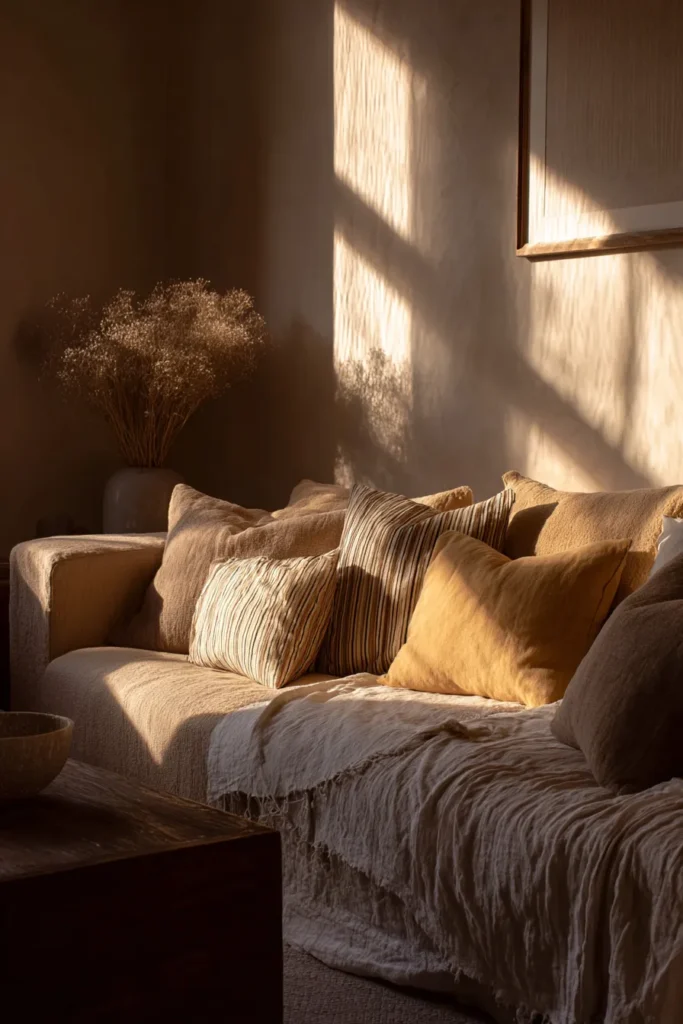
The way light moves through a space can make a small room feel expansive or a cavernous one intimate. It can highlight the texture of a linen throw, draw attention to cherished art, or simply wrap you in comfort after a demanding day. Understanding how to wield this transformative element is one of the most powerful tools in interior design.
This guide explores the full spectrum of living room lighting possibilities, from embracing natural daylight to layering artificial sources with intention. Whether you’re working with a small apartment living room or reimagining a spacious family gathering space, these ideas will help you craft an environment that feels both beautiful and deeply functional. We’ll explore timeless principles, contemporary innovations, and practical strategies that honor both aesthetics and the way you actually live.

Light doesn’t just illuminate. It transforms. Let’s discover how to harness its full potential in your living space.
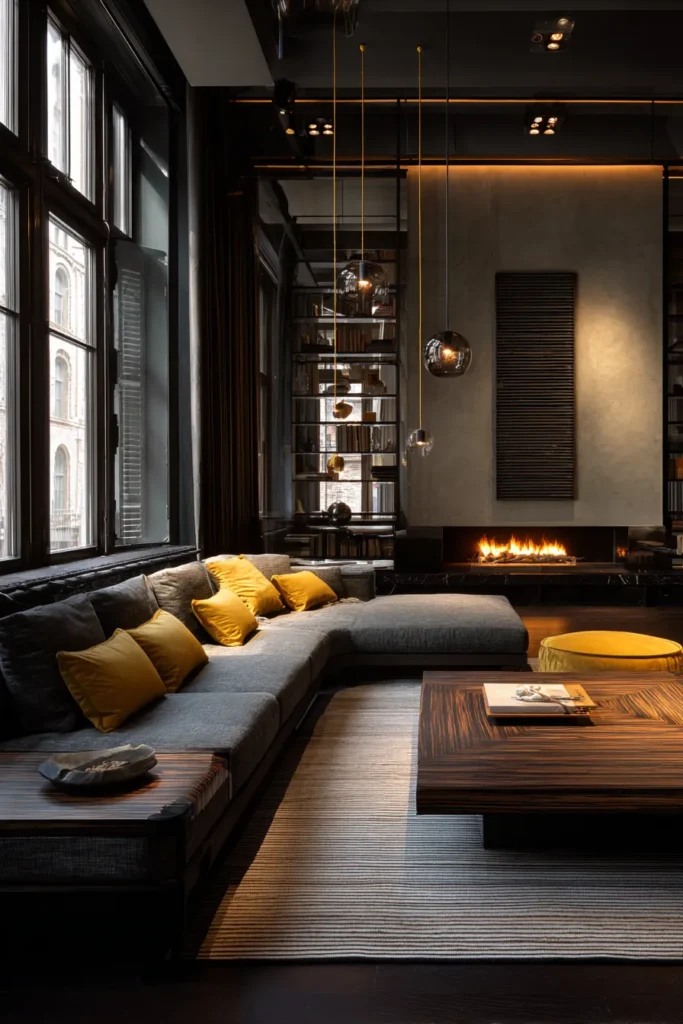
Understanding the Three Essential Layers of Light
Professional designers never rely on a single light source. Instead, they build illumination in thoughtful layers, each serving a distinct purpose while working harmoniously with the others. This approach, known as layered lighting with ambient, task, and accent components, creates depth, flexibility, and visual interest that single-source lighting simply cannot achieve.
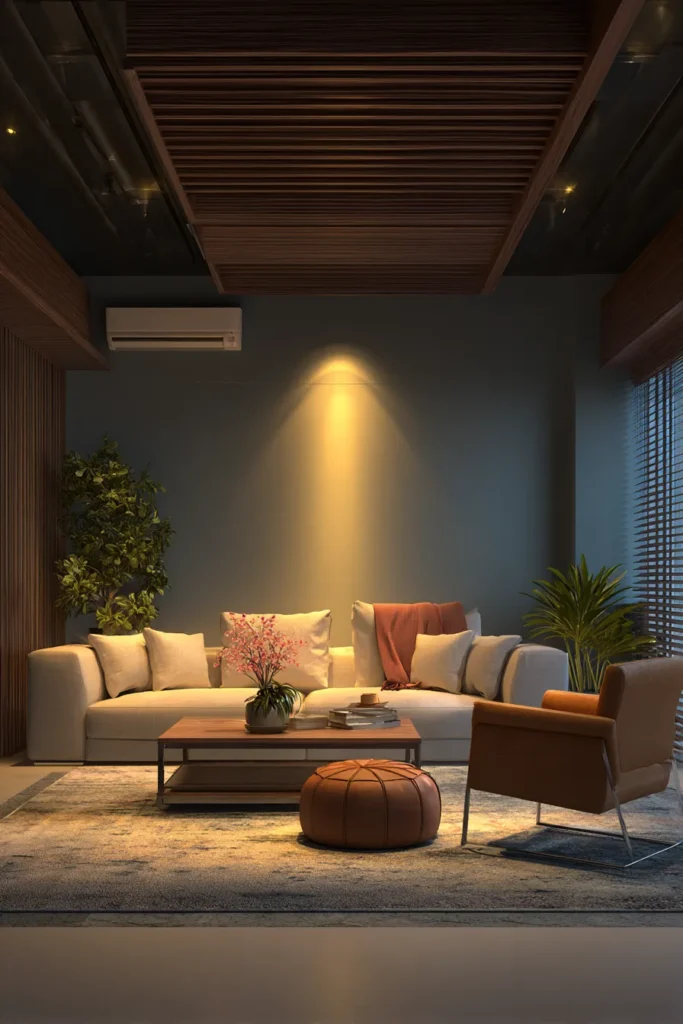
Ambient lighting forms the foundation. This is your room’s base layer, the gentle wash of light that allows you to navigate the space comfortably and sets the overall mood. Think of overhead fixtures, recessed lighting, or large pendant installations that distribute light evenly across the room. In living spaces following contemporary living room design trends, ambient lighting often incorporates dimmers to adjust intensity throughout the day.
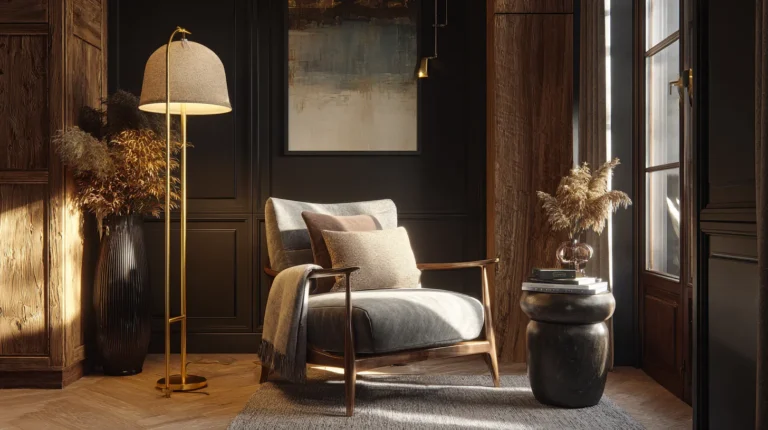
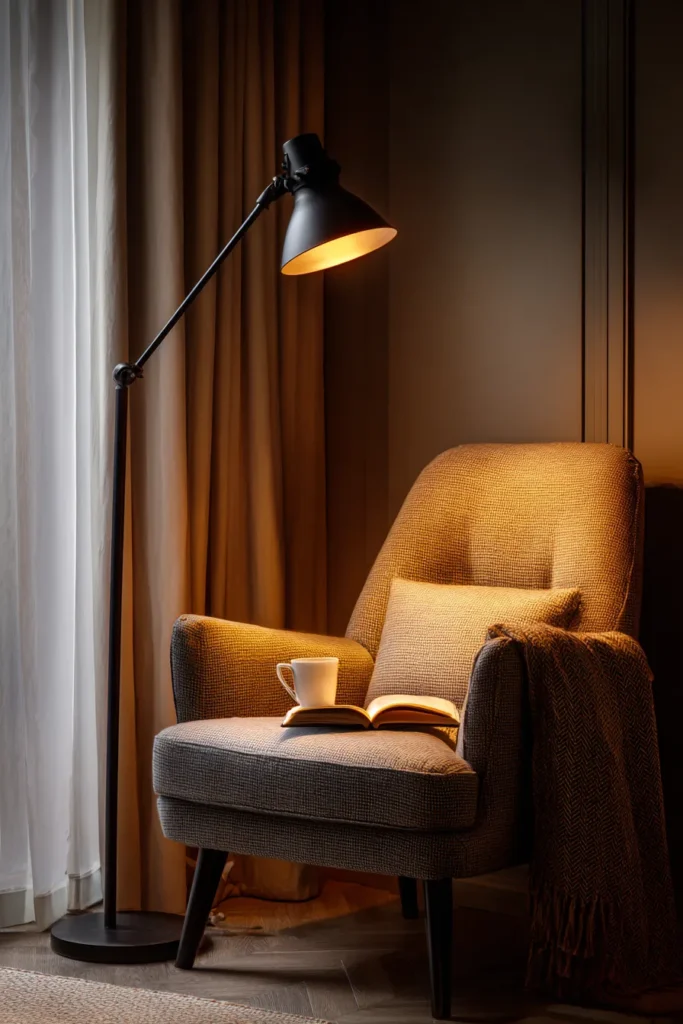
Task lighting addresses specific activities. Reading nooks need focused illumination, as do work surfaces or hobby areas within your living room. Selecting the right floor lamp for your reading corner or positioning adjustable fixtures near seating ensures you have adequate light exactly where you need it, without flooding the entire room with harsh brightness.
Creating Depth with Accent Lighting
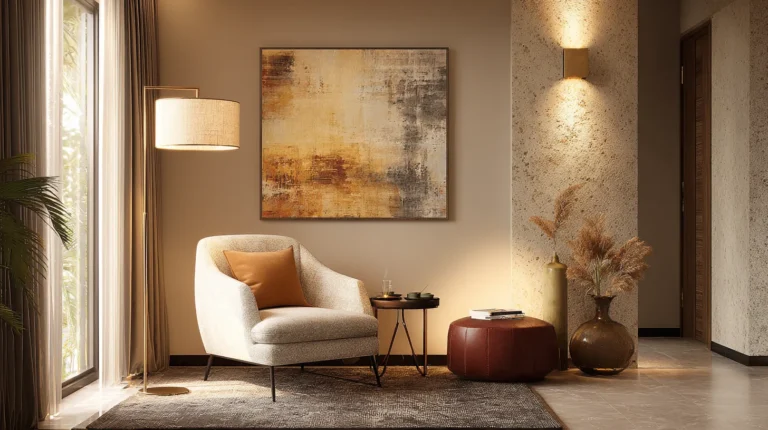
Accent lighting is where personality truly emerges. This layer highlights architectural features, artwork, or decorative elements you want to celebrate. Picture lights above paintings, uplights washing texture across stone walls, or strategically placed wall sconces that add character and dimension to flat surfaces. Accent lighting typically operates at about three times the intensity of ambient lighting to create true visual emphasis.
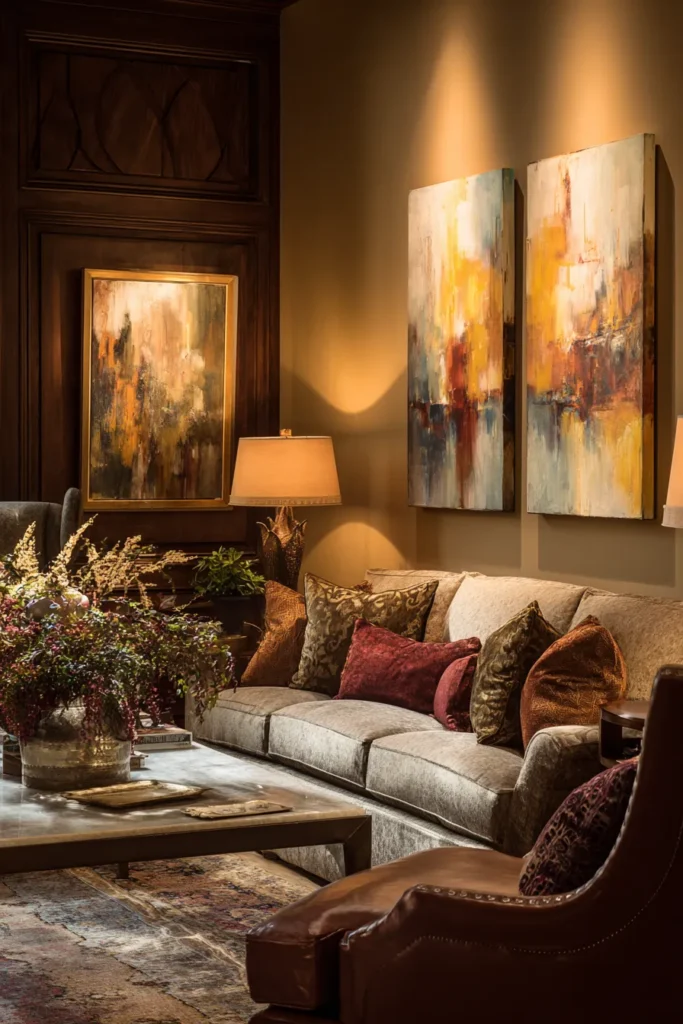
The magic happens when these three layers work together seamlessly. Your ambient lighting might be set low during evening gatherings, while accent lights draw attention to a gallery wall and task lighting illuminates a side table where guests set their drinks. During afternoon reading sessions, you might increase ambient light slightly while your task lamp provides focused brilliance over your book.
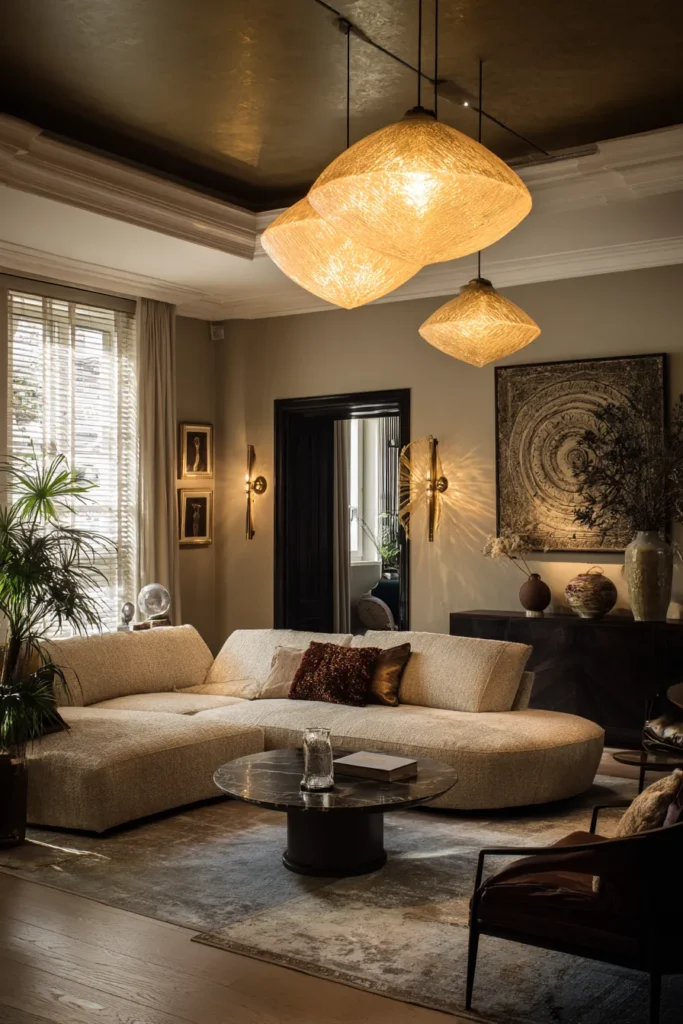
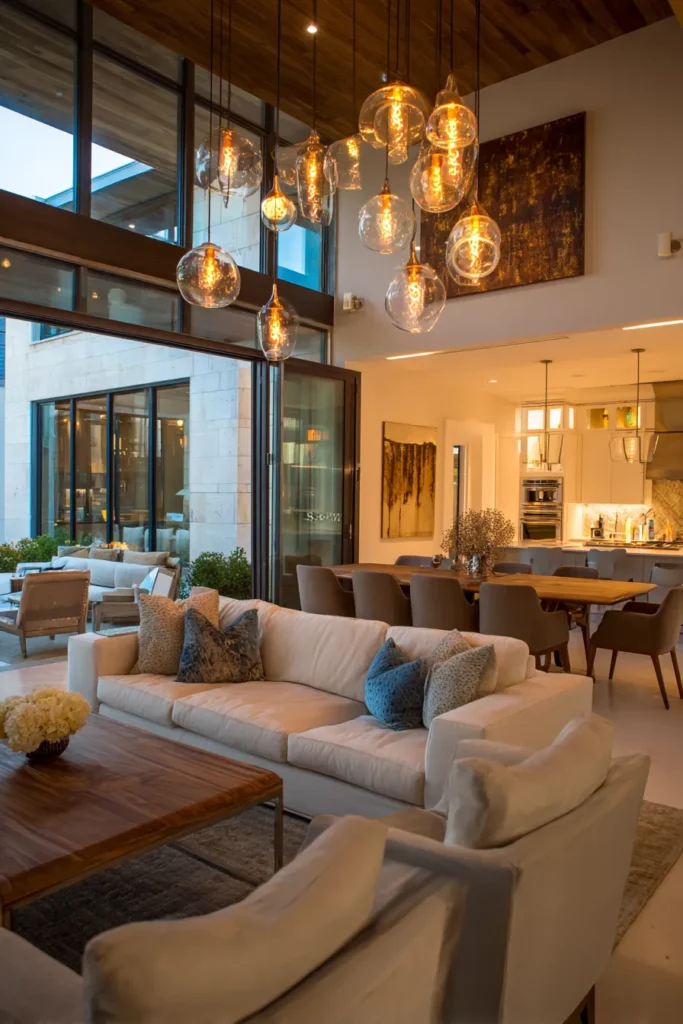
In spaces designed with open concept living and dining room layouts, this layered approach becomes even more critical. You need the flexibility to define different zones through lighting while maintaining visual cohesion across the larger space. Consider how each layer can be controlled independently, giving you complete command over the atmosphere at any moment.
Harnessing Natural Light as Your Primary Design Element
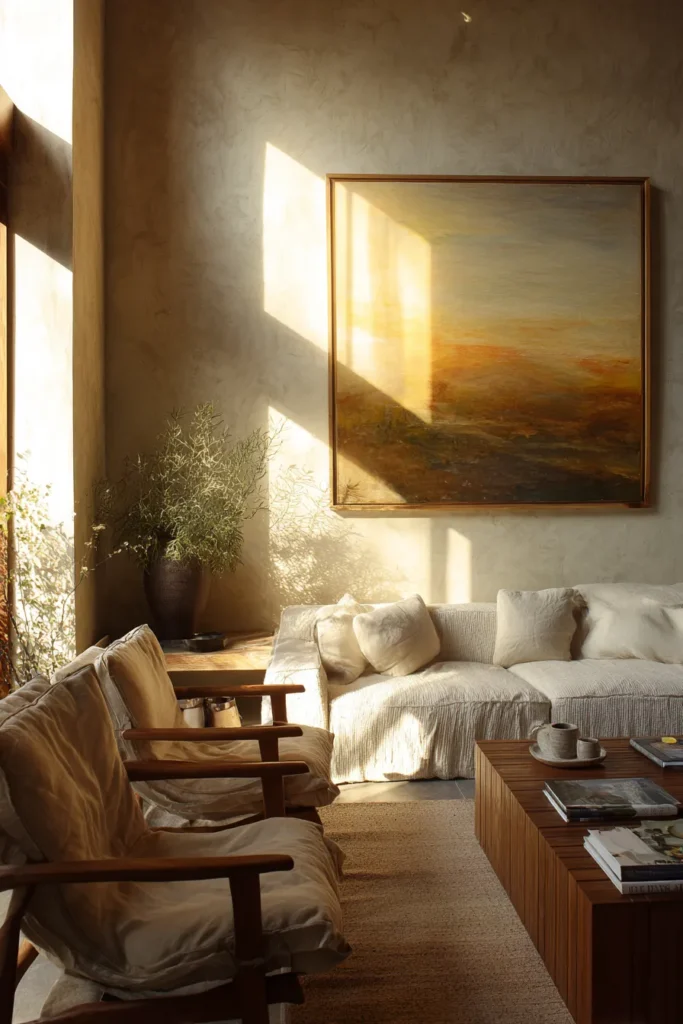
Before adding a single fixture, observe how daylight moves through your living room. Natural light is the most flattering, energy efficient, and psychologically beneficial illumination available. Using natural light as a design element means understanding its patterns, maximizing its reach, and complementing its qualities with artificial sources that feel equally organic.
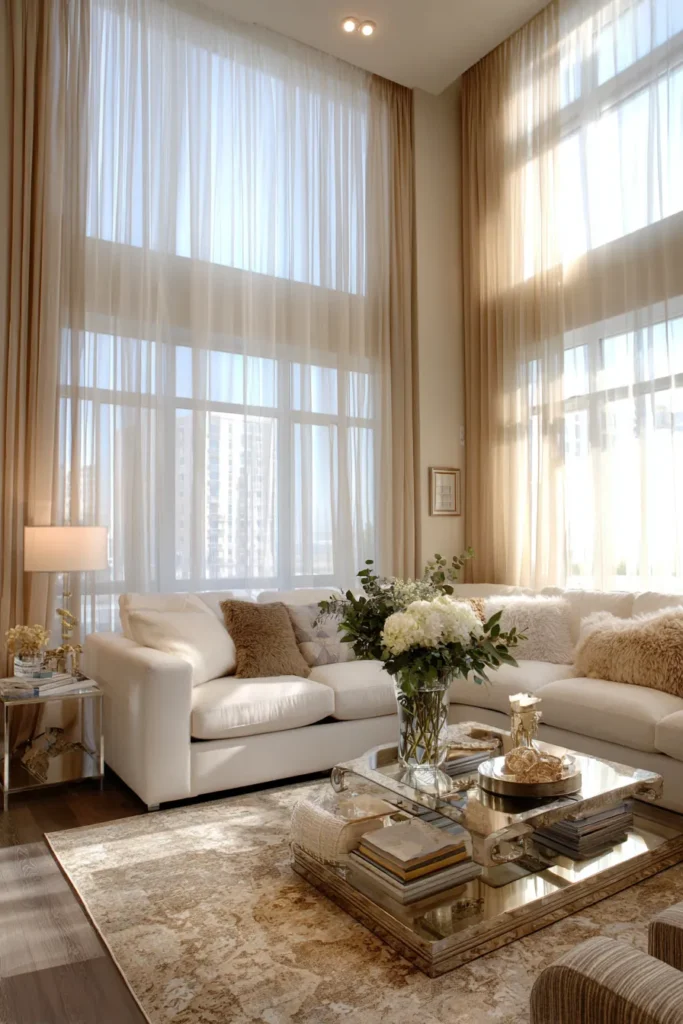
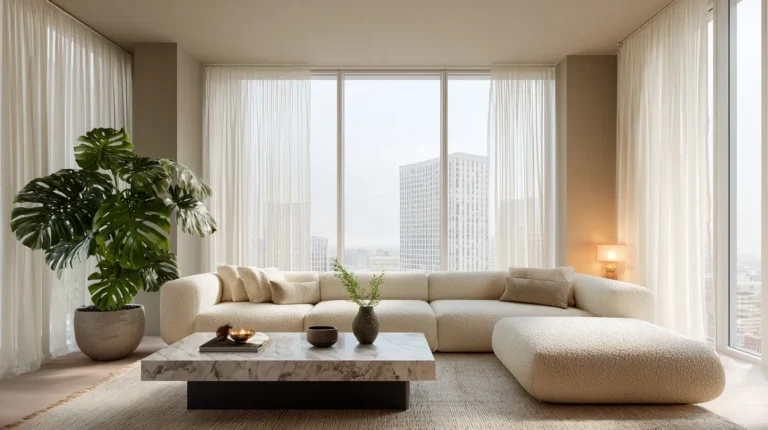
Window treatments dramatically influence how daylight enters your space. Sheer curtains filter harsh midday sun into a soft, diffused glow that feels gentle and welcoming. Layering sheers with heavier drapes gives you control, allowing full brightness when desired and privacy or light reduction when needed. In rooms with neutral earth tone color schemes, natural light enhances the subtle variations in beige, taupe, and warm gray, creating depth that artificial light alone cannot replicate.
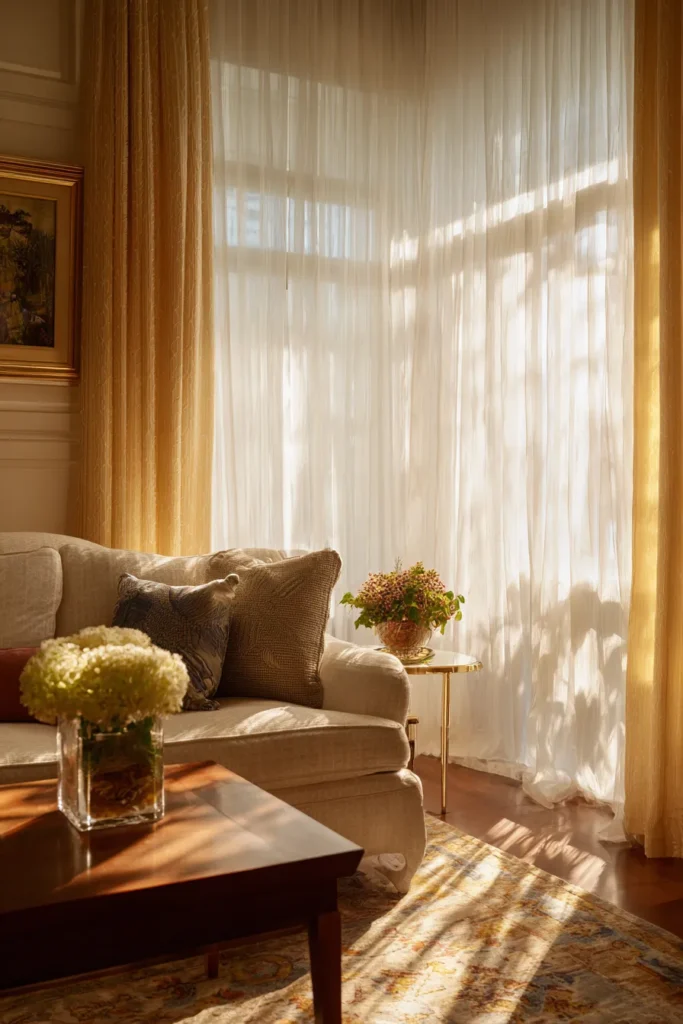
Reflective surfaces multiply natural light’s impact. Mirrors positioned opposite or adjacent to windows bounce daylight deeper into the room, illuminating corners that would otherwise remain shadowed. Glass coffee tables, metallic accents, and glossy finishes all contribute to this light amplifying effect. Even paint choices matter, with lighter wall colors reflecting up to 80 percent of available light compared to darker tones that absorb it.
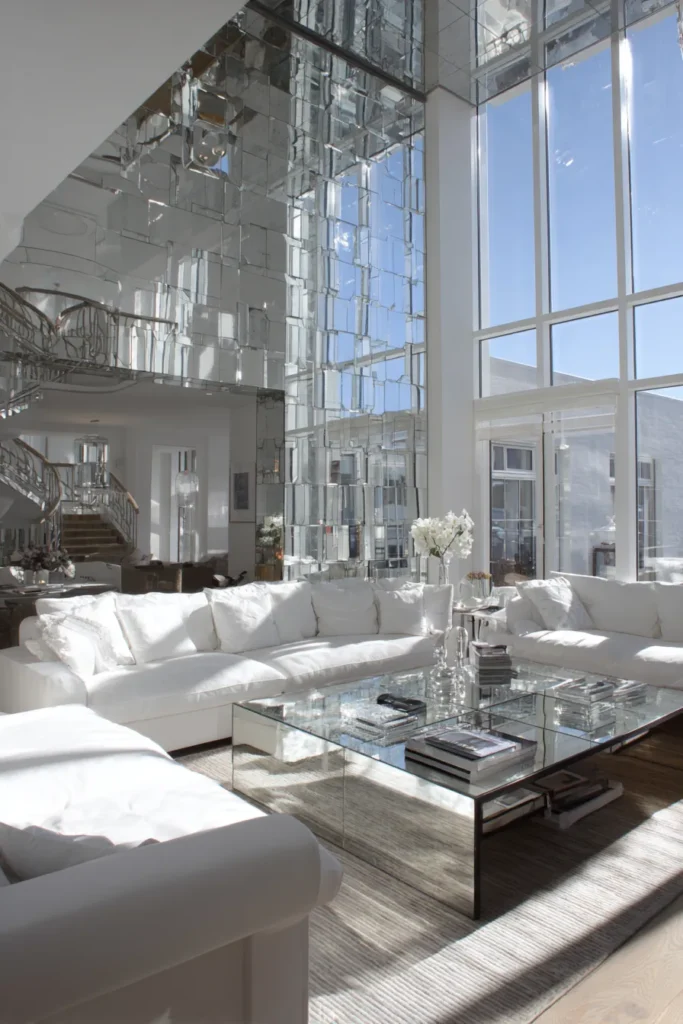
Architectural Considerations for Natural Light
Room orientation affects the quality and timing of natural light. South facing windows in the Northern Hemisphere receive consistent, warm light throughout the day, ideal for living spaces where you spend significant time. North facing rooms get cooler, more consistent light that’s prized by artists but may feel stark in living rooms without warm artificial supplements.
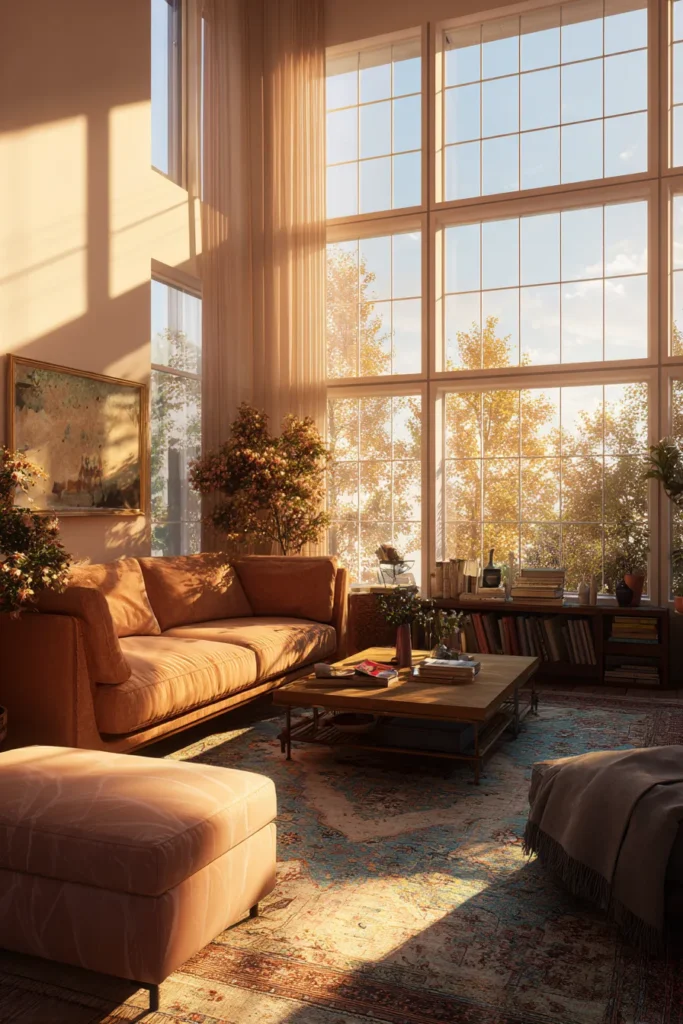
If architectural changes are possible, consider how skylights or larger windows could transform your space. Even without major renovations, removing heavy window coverings, painting window frames in light colors, and keeping window areas clear of furniture can significantly increase natural light penetration. The goal is creating a seamless transition between your artificial lighting plan and the daylight that naturally fills your space.
For those working within the constraints of luxury apartment living room design, where structural changes may not be possible, focus on treatments and finishes that maximize existing natural light. Every design decision should either welcome daylight or thoughtfully compensate for its absence.
Statement Lighting That Anchors Your Design
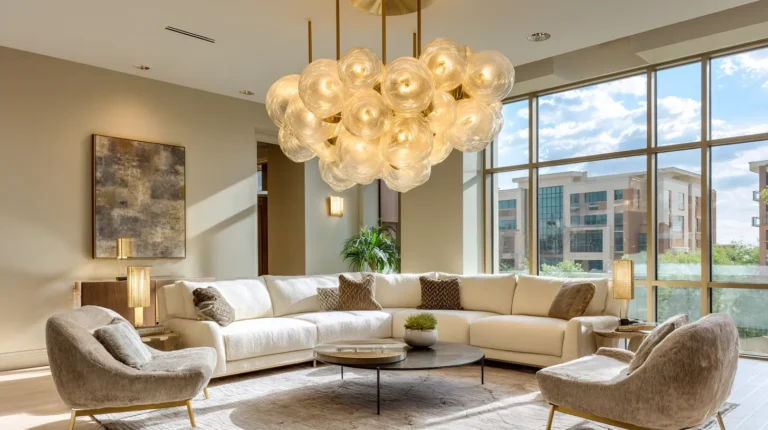
Certain fixtures transcend their functional purpose to become focal points that define a room’s character. Statement chandeliers that capture attention and admiration can transform an ordinary living room into a space with genuine presence and personality. These aren’t just light sources, they’re sculptural elements that command attention and set the aesthetic tone for everything around them.
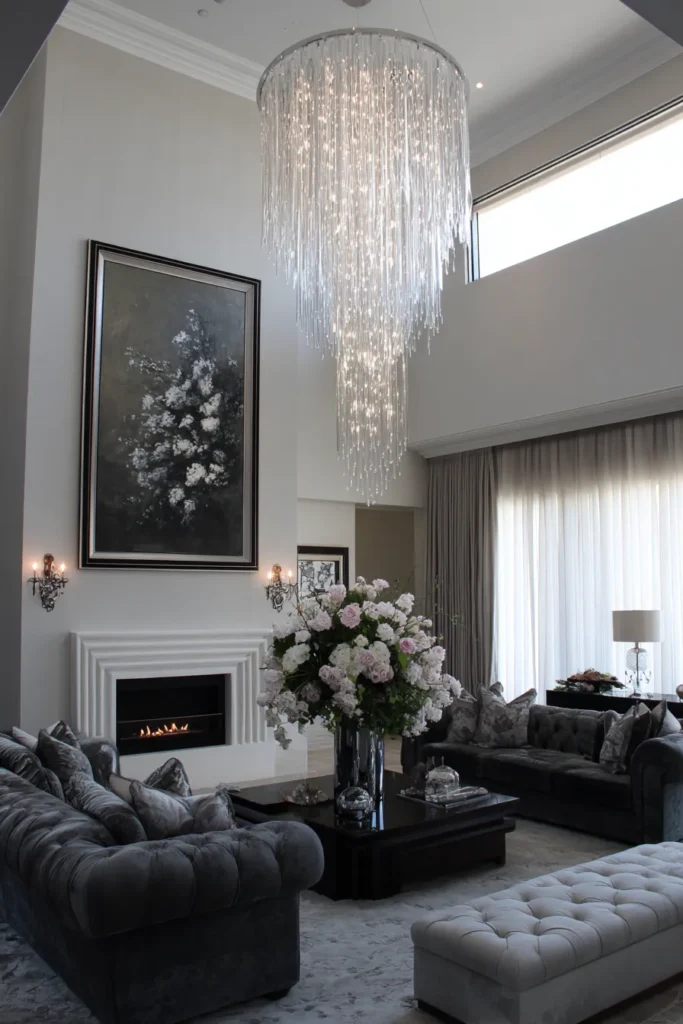
When selecting a statement fixture, consider scale carefully. The piece should feel substantial enough to anchor the space without overwhelming it. A common guideline suggests adding the room’s length and width in feet, then converting that number to inches for your fixture’s diameter. A 15 by 18 foot living room, for example, would accommodate a chandelier approximately 33 inches in diameter comfortably.
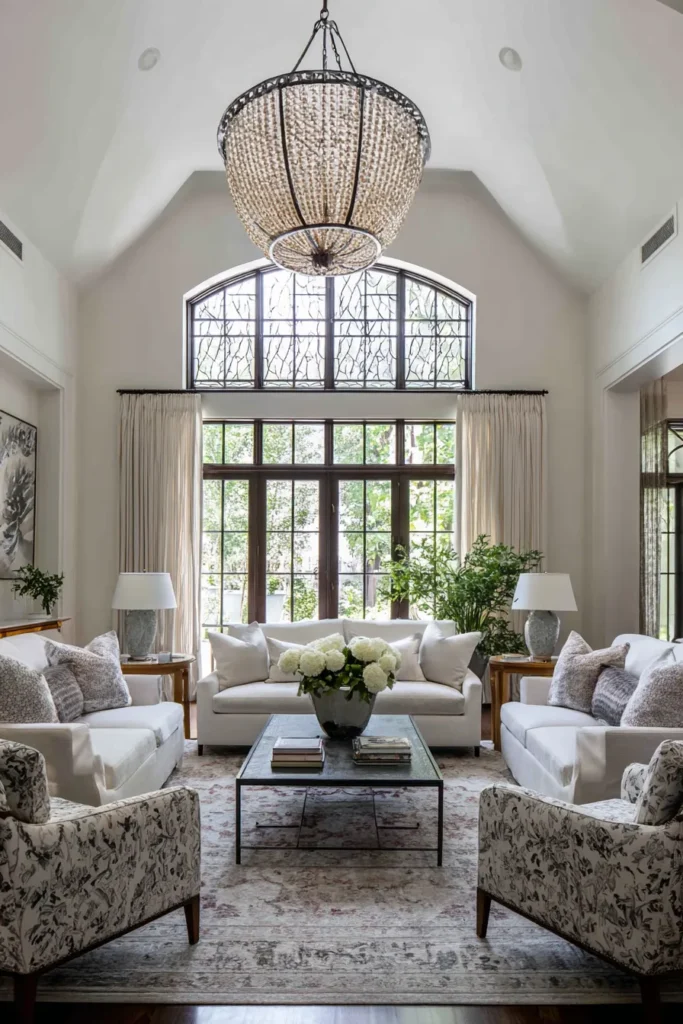
Placement matters as much as the fixture itself. Central positioning works beautifully in formal living rooms with symmetrical furniture arrangements. In more casual spaces or those following trending furniture styles with eclectic arrangements, consider off center placement over a conversation area or major seating group. The fixture should relate to the furniture below it, creating a cohesive zone rather than floating arbitrarily in space.
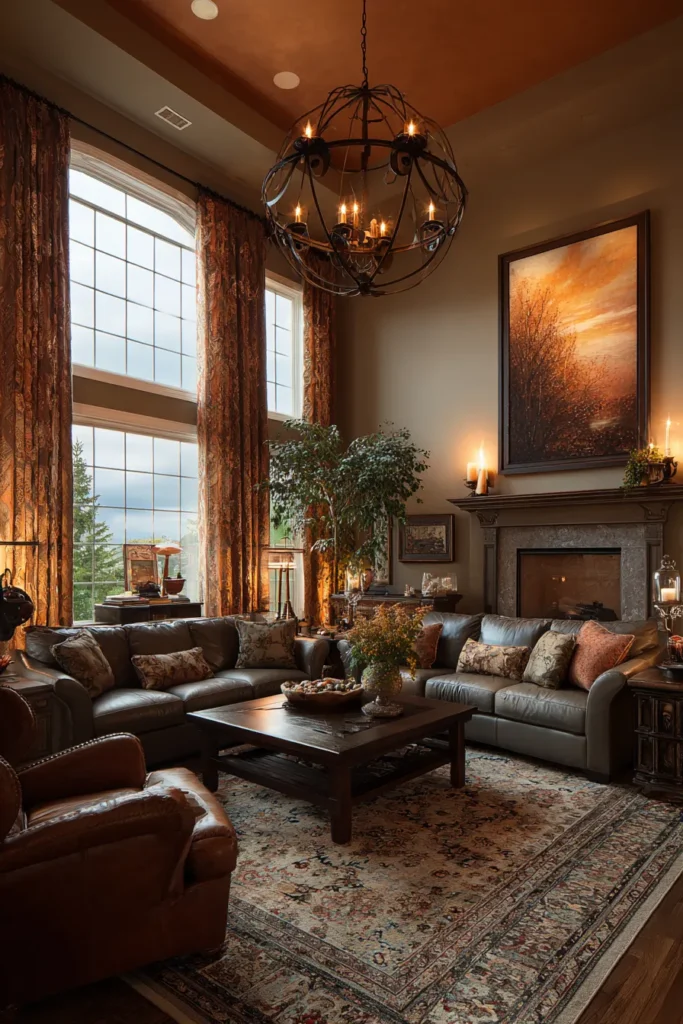
Contemporary Statement Fixture Trends
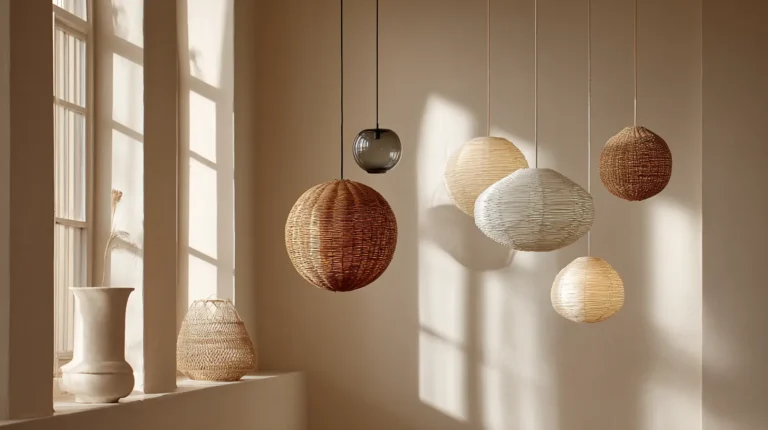
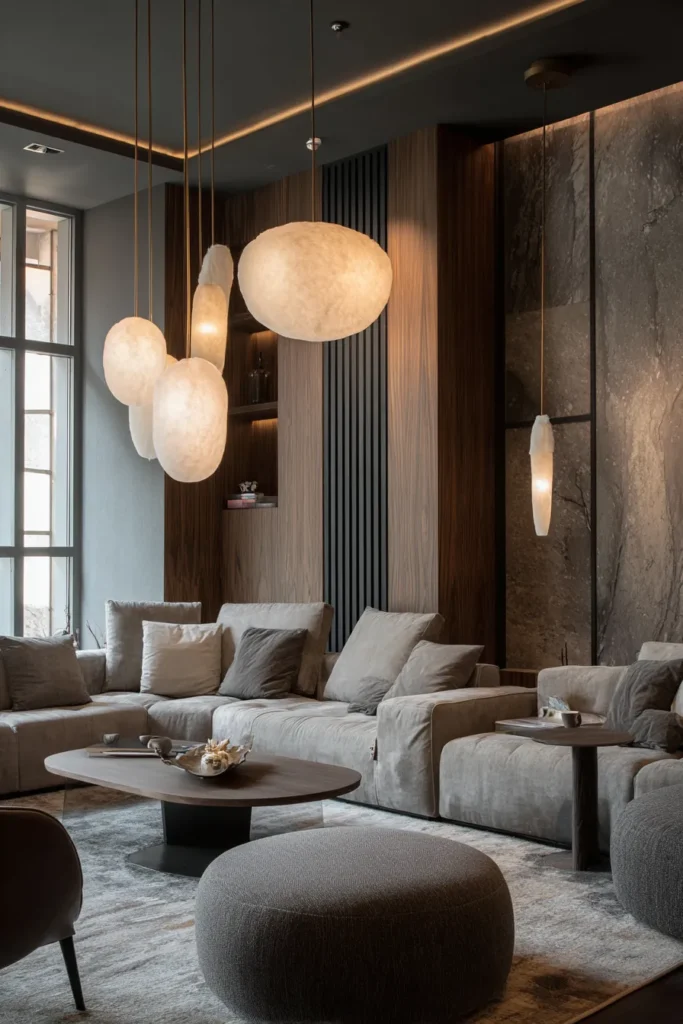
The modern pendant light trends emerging emphasize organic forms, mixed materials, and artisanal craftsmanship. Oversized woven pendants bring texture and warmth to minimalist interiors. Clustered globe pendants at varying heights create visual interest while distributing light effectively across larger spaces. Linear suspension fixtures work particularly well above sectional sofas, defining the seating area with architectural precision.

Material choices communicate distinct aesthetic messages. Brass and warm metals inject sophistication and timeless elegance. Blackened steel or matte black finishes feel contemporary and grounded. Natural materials like rattan, bamboo, or wood introduce organic texture that softens modern spaces. Glass, whether clear, smoked, or textured, maintains visual lightness while making a design statement.
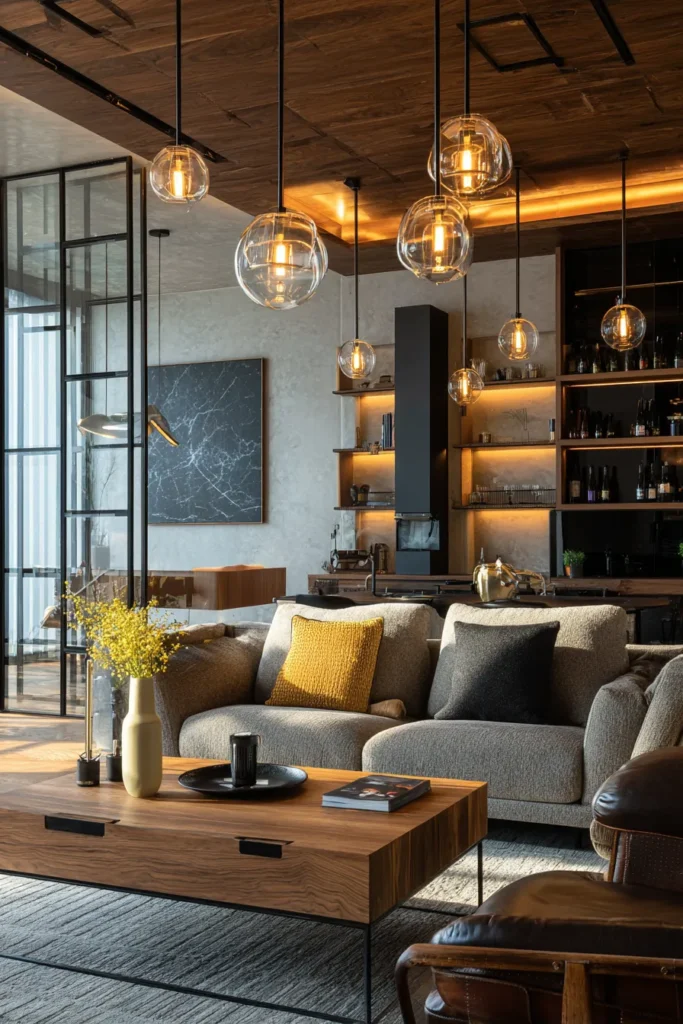
Don’t overlook the power of unexpected choices. A dramatic fixture that contrasts with your overall design style can create dynamic tension that elevates the entire space. A rustic wooden chandelier in an otherwise sleek, modern room adds warmth and personality. A geometric, contemporary pendant in a traditional space signals updated sensibility without abandoning classic comfort.

Smart Lighting Systems for Modern Living
Technology has revolutionized how we control and experience lighting in our homes. Smart lighting systems designed for contemporary living rooms offer unprecedented flexibility, allowing you to adjust not just brightness but also color temperature, create preset scenes, and control everything from your smartphone or voice commands.
Color temperature profoundly affects mood and functionality. Warm light, measuring around 2700 to 3000 Kelvin, creates cozy, intimate atmospheres perfect for evening relaxation. Cooler light in the 4000 to 5000 Kelvin range feels energizing and focused, better suited to daytime activities or task oriented lighting. Smart bulbs allow you to shift between these temperatures throughout the day, supporting your natural circadian rhythms and adapting to different activities seamlessly.
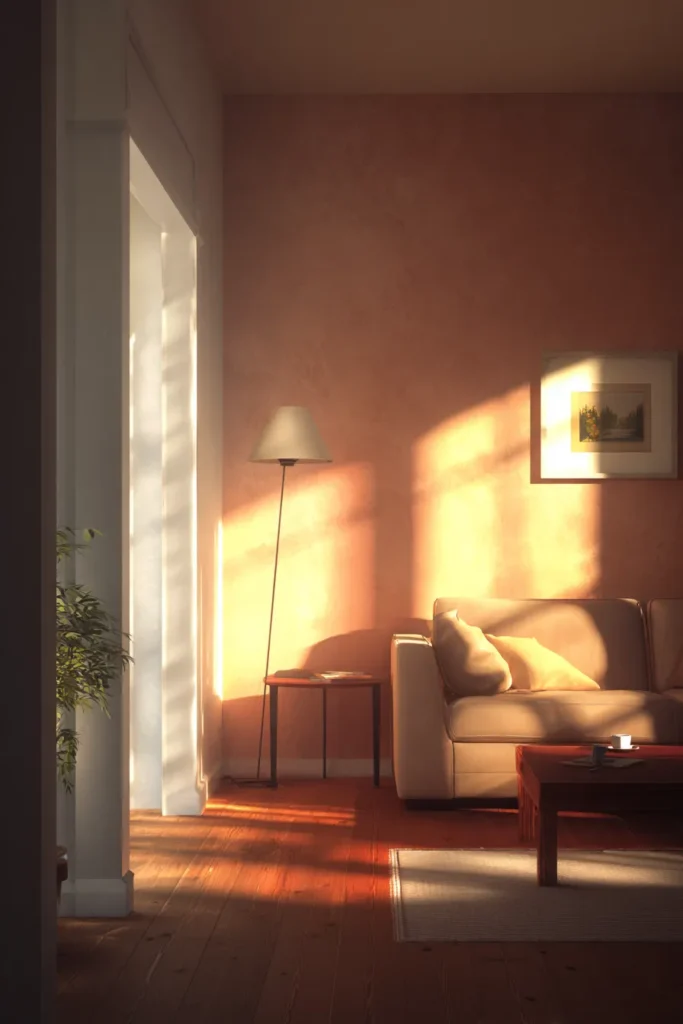
Programmable scenes eliminate the need to adjust multiple switches and dimmers manually. Create a “movie night” scene that dims ambient lighting while maintaining low accent lights for safe navigation. A “reading mode” might brighten your task lighting while keeping other sources subdued. “Entertaining” settings could emphasize accent lighting that showcases your space’s best features while maintaining comfortable ambient levels for conversation.
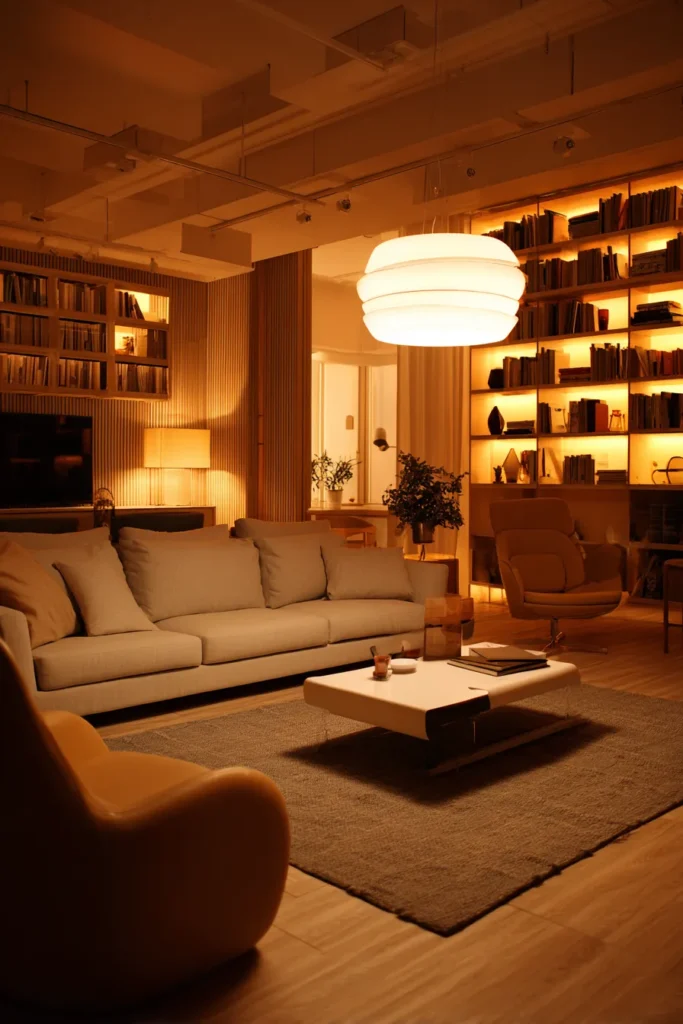
Integration with Whole Home Systems
The most sophisticated smart lighting systems integrate with broader home automation platforms, allowing coordination with window shades, temperature control, and audio systems. Imagine your living room automatically adjusting its lighting as the sun sets, gradually warming the color temperature and reducing brightness to signal the transition from day to evening.
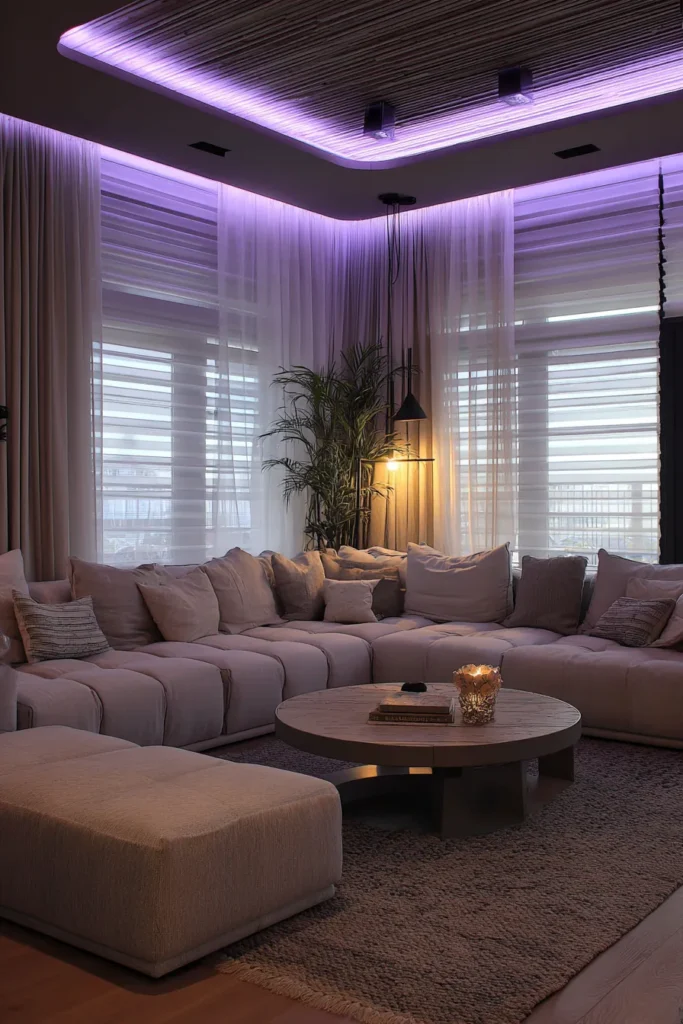
Voice control adds convenience, particularly when your hands are full or you’re settled comfortably into your sofa. Simple commands can transform your space instantly without requiring you to move to multiple switches or pull out your phone. This technology particularly shines in homes designed around comprehensive living room style principles where lighting plays a central role in defining different moods and uses.
Energy monitoring features help you understand and optimize consumption. Many smart systems provide detailed reports on which fixtures use the most energy, allowing informed decisions about bulb replacements or usage patterns. The initial investment in smart lighting typically pays for itself through reduced energy bills and extended bulb life.
Strategic Placement for Task and Ambient Balance
Even the most beautiful fixtures fail if placed poorly. Strategic positioning ensures adequate illumination for activities while maintaining aesthetic harmony. Start by mapping your living room’s functional zones, identifying where people read, work, converse, watch television, or pursue hobbies. Each zone needs appropriate lighting that doesn’t interfere with adjacent areas.

Reading areas demand focused illumination that doesn’t create glare on pages or screens. Position floor lamps slightly behind and to the side of seating, with the bulb at approximately shoulder height when seated. Adjustable arm lamps offer flexibility, allowing readers to direct light exactly where needed. In spaces with optimized furniture layouts for different room configurations, task lighting should complement and enhance these arrangements rather than fighting against them.
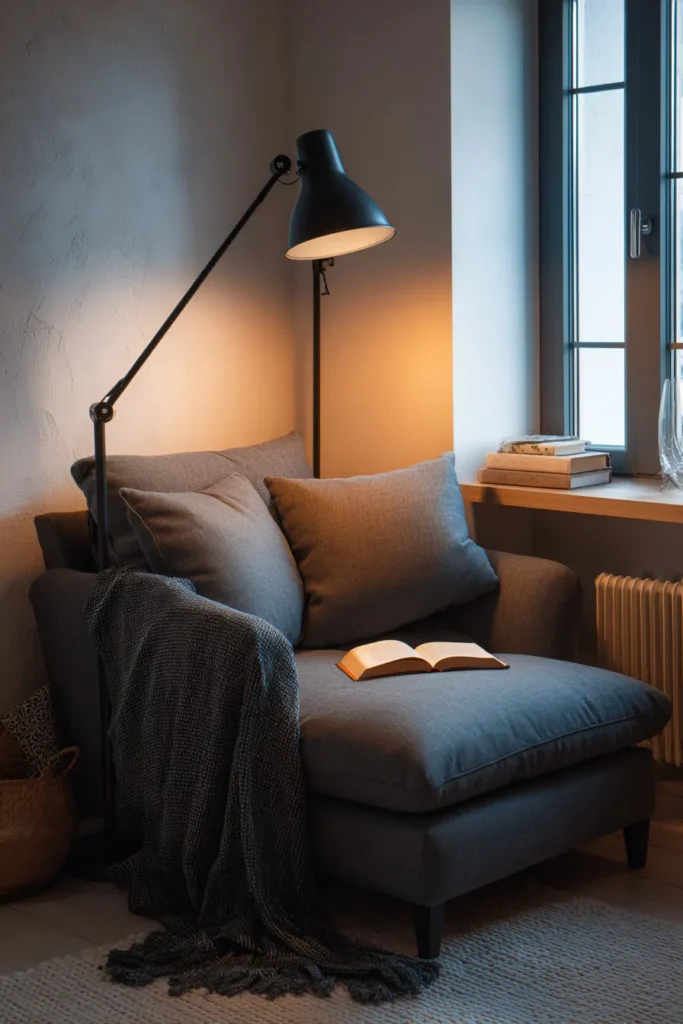
Conversation areas benefit from soft, evenly distributed light that flatters faces without creating harsh shadows. Avoid placing bright overhead lights directly above seating, as this creates unflattering downward shadows. Instead, use multiple moderate sources around the perimeter, supplemented by table lamps on side tables that provide gentle pools of light at a comfortable human scale.
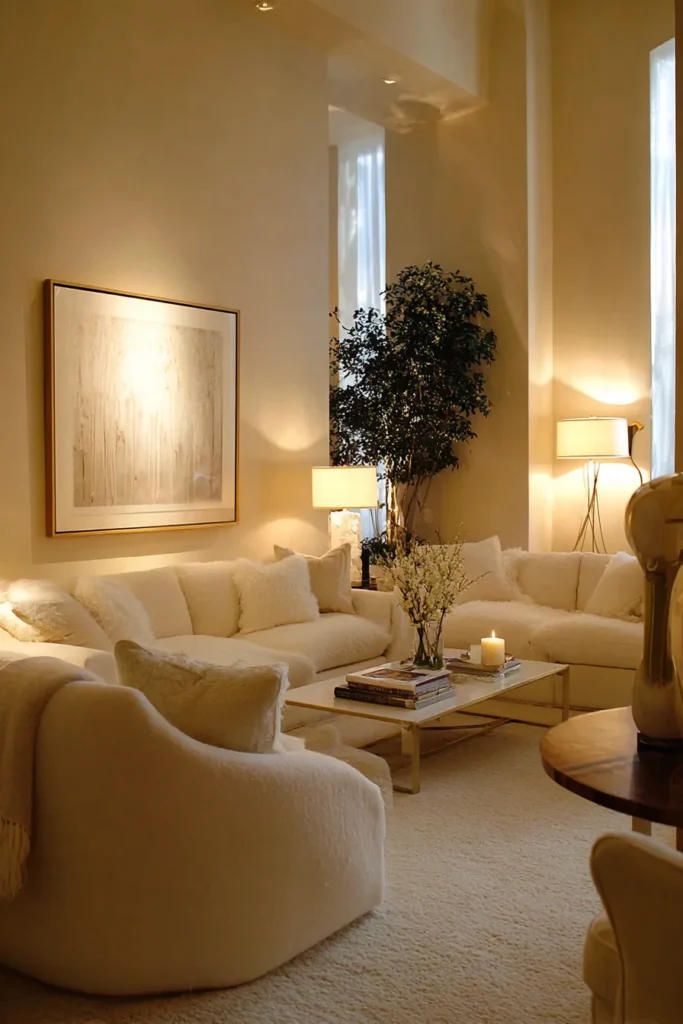
Avoiding Common Placement Mistakes
Understanding lighting mistakes to avoid in your living room design can save costly corrections later. Never rely solely on overhead lighting, as this creates a flat, institutional feeling. Always supplement with multiple sources at various heights to build dimension and visual interest.

Television viewing areas require special consideration. Avoid positioning lights where they’ll reflect on the screen, creating glare that degrades picture quality. Instead, use bias lighting behind the television or soft ambient lighting around the room’s perimeter. This reduces eye strain while maintaining enough light for safe movement without interfering with viewing.
Table lamp placement should relate to furniture proportions. A lamp on a side table should be tall enough that the bottom of the shade sits at eye level when you’re seated, preventing direct views of the bright bulb while casting light both up and down. The lamp base should be proportional to the table, generally occupying no more than one third of the surface area.
LED Strip Lighting for Contemporary Edge
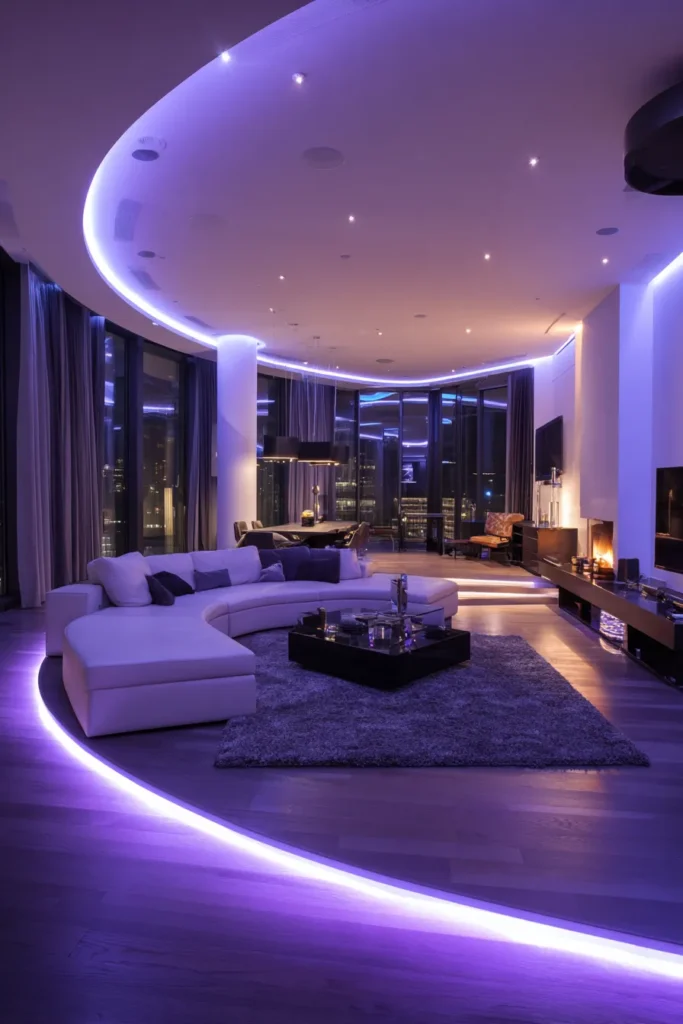
One of the most versatile additions to modern lighting design, LED strips provide continuous linear light that can be integrated into architecture in ways traditional fixtures cannot. LED strip lighting ideas for contemporary interiors range from subtle accent lighting to bold architectural statements that redefine a space’s entire character.
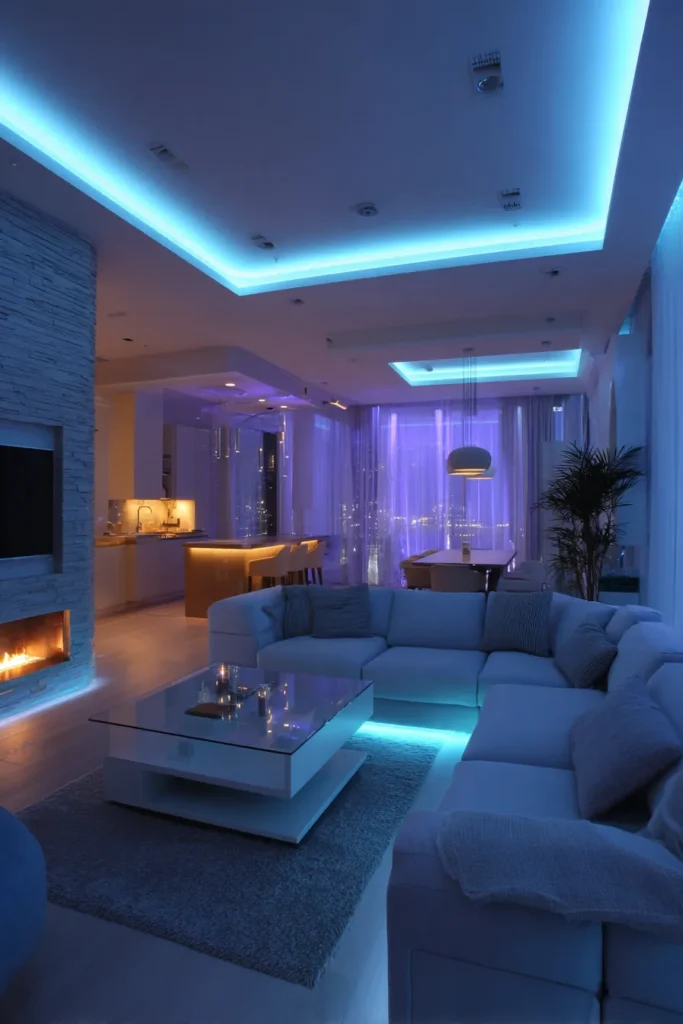
Under furniture placement creates the illusion of floating pieces while providing gentle ambient light. Installing LED strips beneath sofas, cabinets, or entertainment centers casts a soft glow across the floor, adding depth and drama especially effective in evening hours. This technique works particularly well in minimalist spaces where you want furniture to feel light and ungrounded.
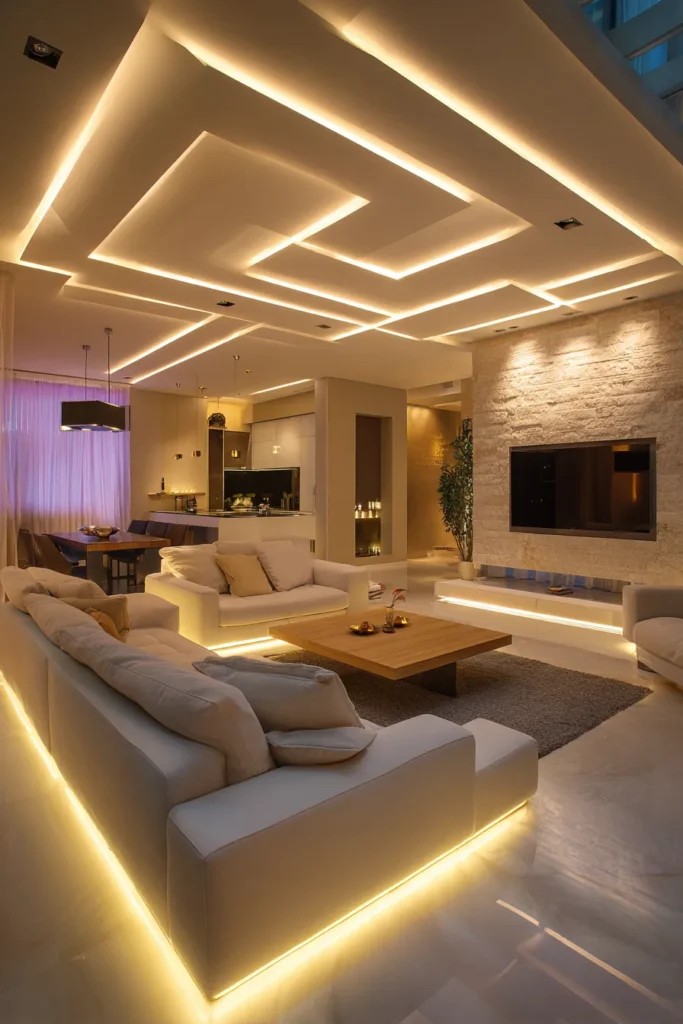
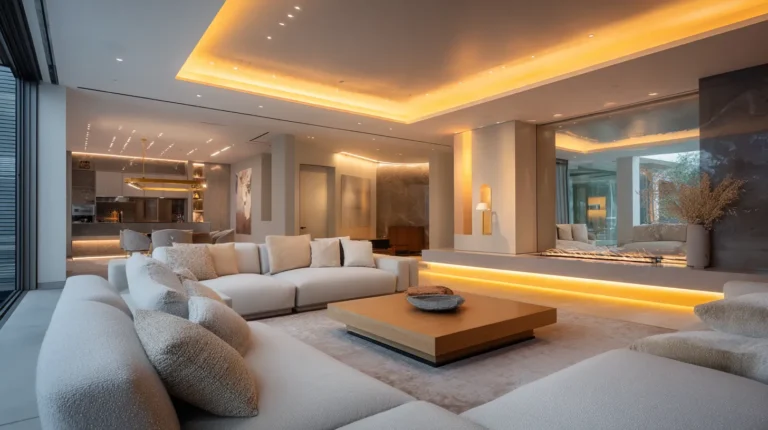
Architectural integration transforms standard features into illuminated focal points. LED strips installed in ceiling coves provide indirect lighting that washes walls with gentle illumination, making rooms feel taller and more spacious. Behind floating shelves or within display niches, they highlight decorative objects while contributing to overall ambient lighting. Along baseboards or crown molding, they create subtle definition that emphasizes a room’s proportions.
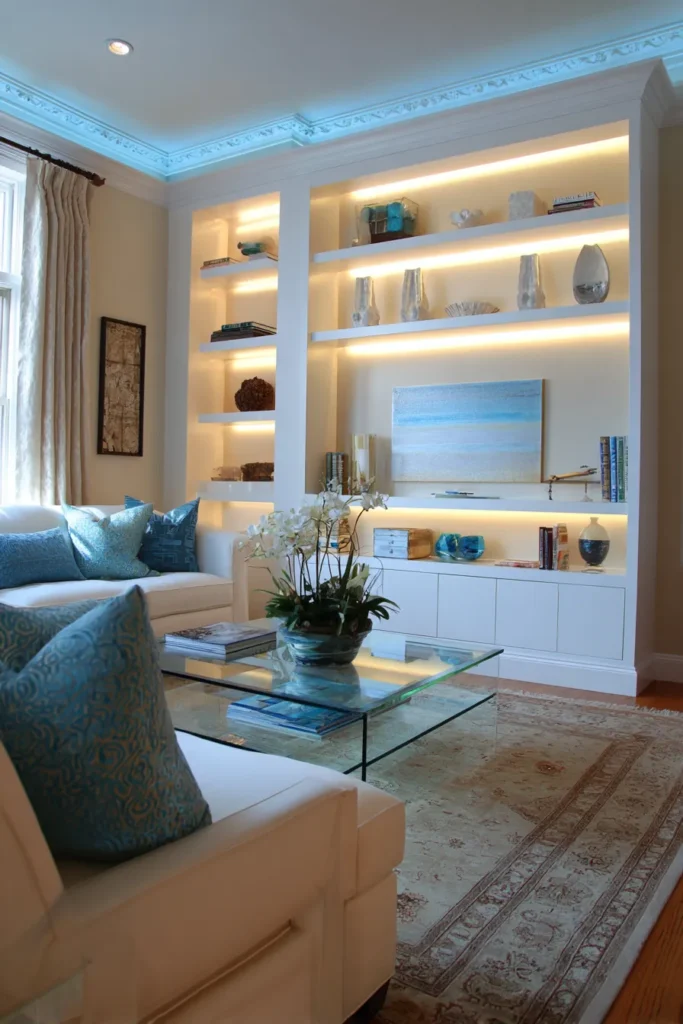
Color Changing Capabilities
RGB LED strips offer color changing capabilities that were once limited to commercial installations. While full spectrum color options allow playful experimentation, the most practical applications involve adjustable white tones. Shifting from warm white during evenings to neutral or cool white during daytime supports natural circadian rhythms and adapts to different activities naturally.
Installation requires planning but delivers impressive results. Most LED strips include adhesive backing for easy application, though ensuring surfaces are clean and dry is critical for long term adhesion. Hide power supplies and controllers in inconspicuous locations, and consider hiring an electrician for permanent installations integrated with your home’s electrical system rather than relying on visible cords and plugs.
Dimming capability is essential for LED strips, as full brightness can feel harsh and overwhelming. Look for systems with smooth dimming curves that maintain consistent color temperature across the brightness range. This allows you to use LED strips as primary ambient lighting when needed or dial them down to subtle accent levels that add atmosphere without commanding attention.
[Visual suggestion: Infographic showing LED strip placement options with before and after room renderings demonstrating the transformative effect of hidden linear lighting]
Choosing Fixtures That Complement Your Overall Style
Your lighting fixtures should feel like natural extensions of your design aesthetic, not afterthoughts added for mere functionality. Whether your space embodies traditional elegance, contemporary minimalism, or eclectic bohemian charm, every fixture choice either reinforces or undermines your overall vision. Cohesion doesn’t mean monotony, it means thoughtful relationships between elements that feel intentional rather than accidental.
Traditional living rooms benefit from classic fixture forms rendered in quality materials. Crystal chandeliers, brass sconces, and ceramic table lamps with fabric shades all communicate timeless sophistication. Yet even traditional spaces can incorporate contemporary lighting through transitional designs that bridge periods, such as updated lantern pendants with clean lines or sconces that reference historical forms through modern interpretation.
Contemporary and modern spaces embrace fixtures as sculptural statements. Geometric forms, exposed bulbs, and industrial materials like concrete, steel, and glass align with minimalist principles. These spaces often feature fewer but more dramatic fixtures, each chosen for its architectural presence as much as its illumination capabilities. The lighting itself becomes art, justifying the elimination of traditional decorative elements.
Mixing Metals and Finishes
One of the most common questions in lighting design involves mixing metal finishes. The answer is yes, but with intention. Combining metals adds depth and prevents the overly coordinated look that can feel rigid or showroom like. The key is establishing a dominant finish, perhaps brass or matte black, then introducing one or two accent finishes in smaller doses through secondary fixtures or hardware.
Proportion and distribution matter when mixing finishes. If your statement chandelier features brass, your table lamps might incorporate brass accents even if their primary finish differs. This creates visual threads that tie the room together without requiring everything to match exactly. In spaces embracing multiple style influences, varied finishes actually enhance the collected, curated feeling that makes a room feel personally meaningful rather than catalog perfect.
Finish choices also affect perceived warmth or coolness. Brass, bronze, and copper finishes inherently feel warm and inviting, complementing cozy textiles and natural materials. Chrome, nickel, and steel read cooler and more crisp, aligning with contemporary materials like glass, concrete, and smooth leather. Understanding these subtle psychological effects helps you choose finishes that support your desired atmosphere.
Expert Tips for Living Room Lighting Success
Professional lighting designers rely on proven principles that elevate results beyond amateur attempts. These expert strategies address both technical requirements and aesthetic subtleties that transform adequate lighting into truly exceptional illumination.
Install dimmer switches on every possible circuit. This single upgrade provides more control than any other lighting modification, allowing you to adjust intensity to match time of day, activity, and mood. Modern LED compatible dimmers work smoothly without the flickering or buzzing that plagued older systems. Even fixtures you think will only need full brightness benefit from dimming capability that softens their impact when full power isn’t necessary.
Consider bulb color rendering index, or CRI, not just color temperature. CRI measures how accurately a light source reveals true colors compared to natural sunlight. Bulbs with CRI above 90 render colors faithfully, making skin tones, fabrics, and finishes look natural and appealing. Lower CRI bulbs can make even beautiful spaces feel slightly off, with colors appearing muddy or distorted. This becomes especially important in living rooms where people gather and you want everyone to look and feel their best.
Quick Wins for Immediate Improvement
Replace all bulbs with consistent color temperature throughout your living room. Mixing 2700K bulbs with 3000K creates subtle but noticeable discord that prevents the space from feeling cohesive. Choose one warm temperature for the entire room, ensuring every source contributes to a unified atmosphere rather than competing with slightly different tones.
Add a table lamp to every seating area that could accommodate one. This immediately increases lighting flexibility while making the space feel more finished and intentional. Table lamps provide human scale illumination that overhead sources cannot replicate, creating intimate pools of light that invite people to settle in comfortably.
Install artwork lighting on significant pieces. Picture lights or adjustable track fixtures that highlight your favorite art make the room feel gallery like and sophisticated while serving as effective accent lighting. This draws attention to elements you’ve chosen carefully, signaling what matters in the space and creating focal points that give eyes places to rest.
Use multiple circuits rather than one central switch controlling all living room lighting. This allows you to activate only the sources needed for any given moment, creating enormous flexibility without complex or expensive automation systems. Even in modest spaces, two or three independently controlled lighting circuits dramatically expand your ability to shape atmosphere.
Bringing Light and Life Together
Exceptional living room lighting balances technical precision with artistic intuition. It serves practical needs while creating atmosphere that makes people want to linger. The spaces we love most understand this duality, providing adequate illumination for life’s activities while casting everything in the most beautiful possible light.
Your lighting choices reveal how you want to live and what you value. Multiple layers give you control to shape your environment throughout the day. Natural light connects you to the rhythm of the world outside. Statement fixtures express personality and confidence. Every deliberate decision compounds, creating spaces that feel both intentional and effortless.
Start with one change, perhaps adding a dimmer or incorporating a beautiful table lamp you’ve been admiring. Notice how that single improvement shifts the entire feeling of your space. Lighting transformations rarely require complete overhauls. More often, they emerge through thoughtful additions and adjustments that build on what you already have, gradually revealing your living room’s full potential.
The most successful spaces are those where light serves life, adapting seamlessly to morning coffee, afternoon reading, evening conversation, and quiet reflection before sleep. This flexibility isn’t about having every possible fixture, it’s about choosing the right elements and positioning them with care and intention.
Continue exploring ways to refine your living space with these curated design guides:
- The Ultimate Living Room Style Guide for Creating Cohesive Interiors
- Best Living Room Furniture Layouts for Every Space Configuration
- Living Room Design Trends for 2026 and Beyond
Frequently Asked Questions
What type of lighting is best for a living room?
The best lighting for a living room is a combination of ambient, task, and accent lighting. This layered approach creates both comfort and functionality while highlighting architectural features and décor.
How can I make my living room look brighter without adding more windows?
Use warm LED bulbs, wall sconces, uplighting, mirrors to reflect light, and light-colored furnishings. Switching to higher-lumen bulbs can also significantly improve brightness without major renovations.
What is the ideal color temperature for living room lighting?
For a cozy atmosphere, 2700K–3000K (warm white) is recommended. For a more modern and crisp look, 3000K–3500K (neutral white) works well.
Should living room lights be dimmable?
Yes. Dimmers provide flexibility, allowing you to adjust the brightness depending on activities like watching movies, reading, entertaining guests, or relaxing.
How many light sources should a living room have?
Most rooms need at least 3–5 light sources to achieve balanced lighting. This might include a chandelier or pendant, floor lamps, table lamps, and wall sconces.