
Table of Contents
You stand at the threshold of your living room, craving change. The walls feel flat, the furniture arrangement no longer sparks joy, and the whole space whispers for a refresh. Yet your bank account firmly suggests restraint. Here’s the beautiful truth: transformation doesn’t demand a fortune, just intention, creativity, and a willingness to see potential where others see constraint.
A budget-friendly living room makeover is about strategic choices, not sacrifices. It’s the art of knowing where to invest, where to improvise, and where to simply shift what you already own. Throughout this guide, you’ll discover how to reimagine your living room through layered approaches that honor both your aesthetic vision and your financial reality. From DIY projects that cost pennies to smart shopping strategies that stretch every dollar, these ideas prove that beautiful spaces grow from thoughtful decisions, not unlimited budgets.
The living room holds the heartbeat of your home. It’s where mornings begin with coffee and contemplation, where evenings unwind with soft lamplight and conversation. This space deserves to feel intentional, comfortable, and unmistakably yours. Whether you’re working with a strict spending limit or simply prefer mindful consumption, the path to a refreshed living room winds through creativity, resourcefulness, and an eye for possibility. Let’s explore how small investments and clever choices can yield remarkable transformations that feel both elevated and authentically you.
Start with Strategic Planning and Prioritization
Before a single dollar leaves your wallet, sit in your living room and truly observe. Notice where light falls throughout the day, which corners feel forgotten, what furniture arrangement frustrates your flow. This quiet assessment becomes your roadmap, guiding every decision that follows. The most common mistake in budget makeovers is scattered spending, buying appealing items without a cohesive vision, which results in a room that feels disjointed despite the investment.
Create a simple priority list divided into three categories: must-address issues, desired improvements, and dream additions. Perhaps your sofa sags beyond salvation, that’s a must-address. Maybe you’ve always wanted better task lighting, that’s desired. The velvet accent chair that caught your eye online? That’s a dream addition, lovely but not essential. This framework prevents impulse purchases and ensures your limited budget flows toward changes that genuinely transform your daily experience. For comprehensive guidance on furniture selection that aligns with your space and spending plan, explore our complete living room furniture guide, which breaks down every category from sofas to side tables.
Consider establishing a realistic budget threshold before you begin. Financial experts suggest that modest living room refreshes can achieve remarkable impact for under 500 dollars when approached strategically. If you’re curious about what that specific budget can accomplish, discover our detailed breakdown in how to decorate a living room for under 500, which outlines exactly where those dollars should go for maximum visual return. This number isn’t arbitrary, it represents a sweet spot where thoughtful purchases can genuinely transform a space without requiring major financial restructuring.
Timing matters more than most realize. Patience often yields better results than urgency. Major retailers follow predictable discount cycles throughout the year, with furniture sales typically peaking during holiday weekends and end-of-season clearances. If your makeover doesn’t face a hard deadline, strategic waiting can stretch your budget by 30 to 50 percent. Track the patterns outlined in our guide to seasonal sales decor deals to watch in 2025, which maps when specific categories go on deep discount, allowing you to plan purchases around these cycles rather than paying full retail.
Assess What You Already Own
The most budget-friendly resource sits right in your home already. Walk through every room with fresh eyes, looking for furniture or decor that could serve a new purpose in your living room. That dresser in the guest bedroom might become a unique media console. The dining room mirror could anchor an empty living room wall. These cross-room migrations cost nothing but offer instant visual refresh.
Sometimes the solution isn’t acquiring something new but transforming what you already own. A dated wood coffee table becomes contemporary with a coat of paint. Tired cushions gain new life with fresh covers. Old furniture pieces that feel worn or outdated don’t always need replacing, they need reimagining. Our guide to repurposing old furniture to save money walks through assessment criteria, helping you determine what deserves transformation versus replacement, and offers specific techniques for updating pieces you already love.
Focus on High-Impact, Low-Cost Changes First
The fastest route to visible transformation lies in changes that dramatically alter your room’s appearance while demanding minimal investment. Paint represents the ultimate high-impact, low-cost intervention. A single weekend and a few gallons of carefully chosen paint can completely shift your living room’s mood, making spaces feel larger, cozier, brighter, or more sophisticated depending on your color selection. The labor is yours, but the transformation rivals renovations costing thousands.
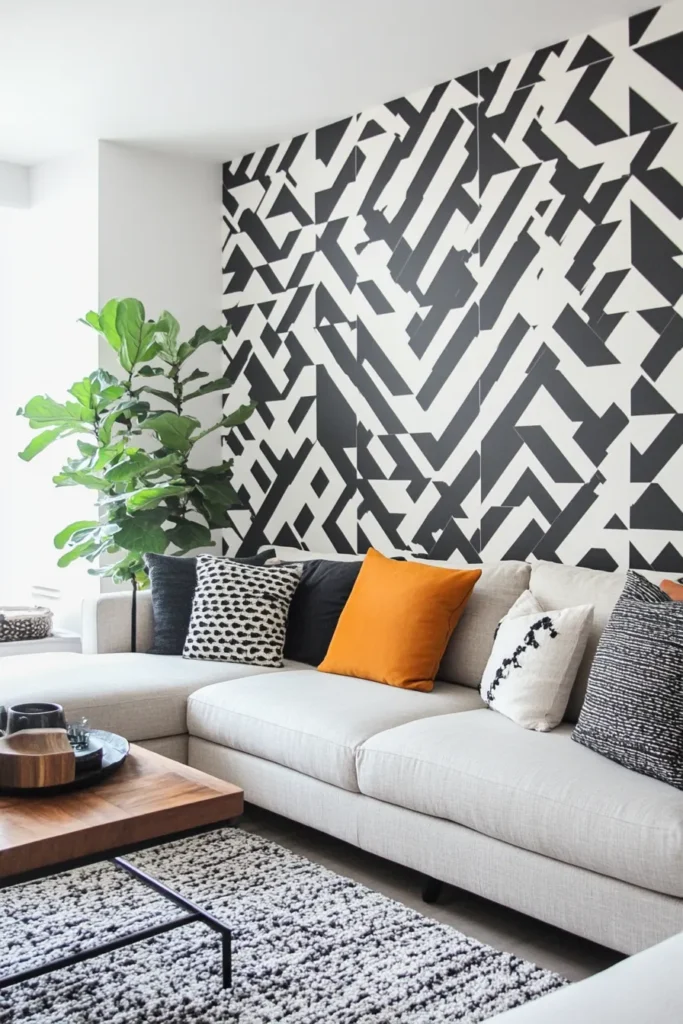
Walls aren’t the only surfaces craving attention. An accent wall created through paint, wallpaper, or DIY techniques becomes an instant focal point that draws the eye and defines your room’s character. Modern approaches to accent walls extend beyond traditional paint, incorporating textural elements, geometric patterns, or even temporary wallpaper that renters can remove without penalty. For detailed techniques and design approaches that won’t strain your budget, explore our collection of paint wallpaper DIYs for accent walls, which covers everything from color washing to stenciling to peel-and-stick solutions that look custom.
Lighting transforms atmosphere more powerfully than almost any other element. Swapping builder-grade fixtures for statement pieces instantly elevates your space. You don’t need expensive designer lighting, you need fixtures with personality and scale. Oversized pendants, sculptural floor lamps, or dramatic wall sconces create visual interest while improving functionality. Better yet, many lighting upgrades require nothing more than swapping bulbs to warmer temperatures or adding dimmer switches for layered ambiance. Discover how strategic lighting choices can reshape your entire room in our guide to low cost lighting ideas with big impact, which focuses specifically on affordable options that look anything but cheap.
Rearrange Before You Redesign
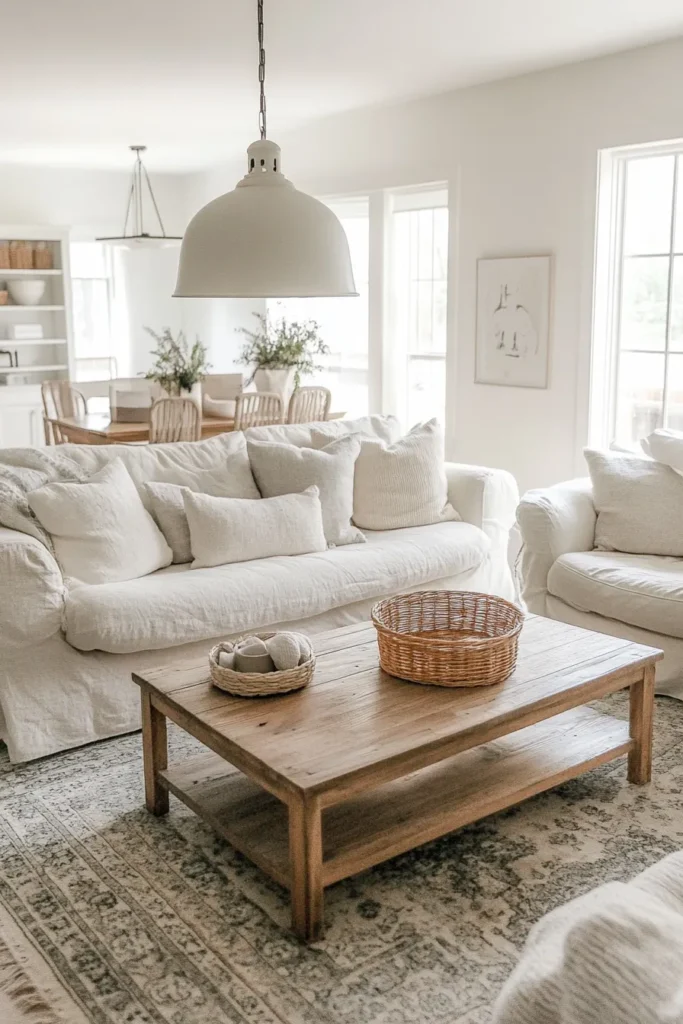
Furniture arrangement costs absolutely nothing yet can make your living room feel entirely new. Experiment with layouts that hadn’t occurred to you before. Pull your sofa away from the wall. Angle chairs to create conversation zones. Float your coffee table rather than centering it perfectly. Sometimes the refresh you’re craving doesn’t require new purchases, just new perspectives on what you already own.
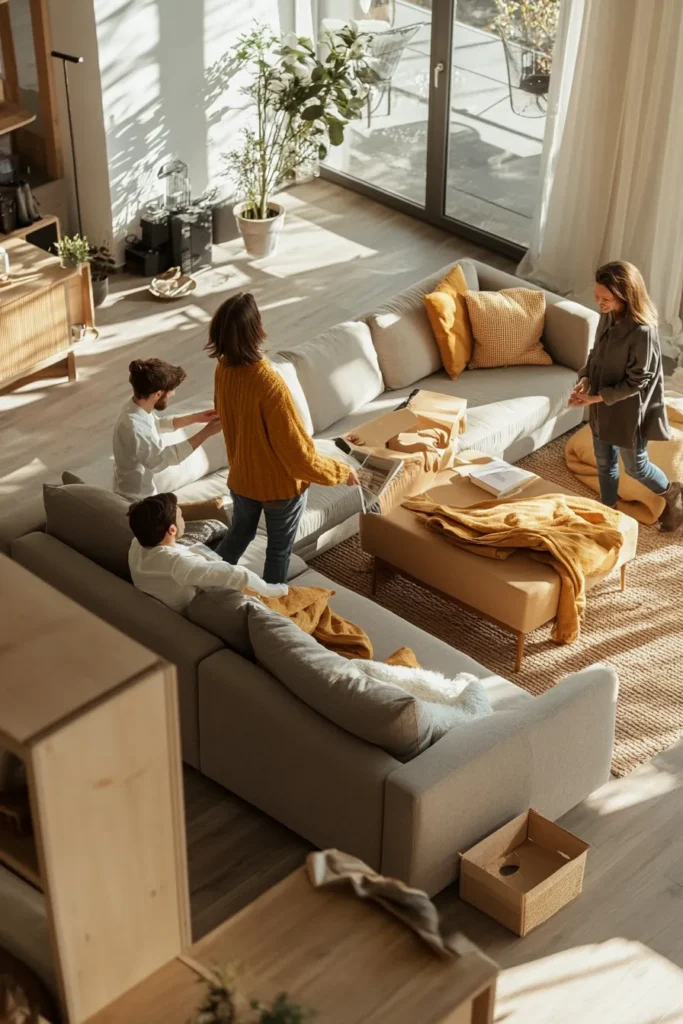
Consider traffic flow and functionality alongside aesthetics. A beautiful arrangement that blocks natural pathways or makes the television impossible to view becomes frustrating in daily life. The best layouts balance visual appeal with practical comfort, creating spaces that look magazine-worthy while actually supporting how you live. Test arrangements for several days before committing, you might discover that what looked perfect initially doesn’t function well over time.
Embrace DIY Projects That Add Character
Handmade elements inject personality that store-bought items rarely match. DIY doesn’t mean amateur or unfinished, it means intentional, unique, and deeply personal. When you create something for your space, you invest not just money but time, thought, and care. That investment radiates from the finished piece, making your living room feel curated rather than simply purchased.
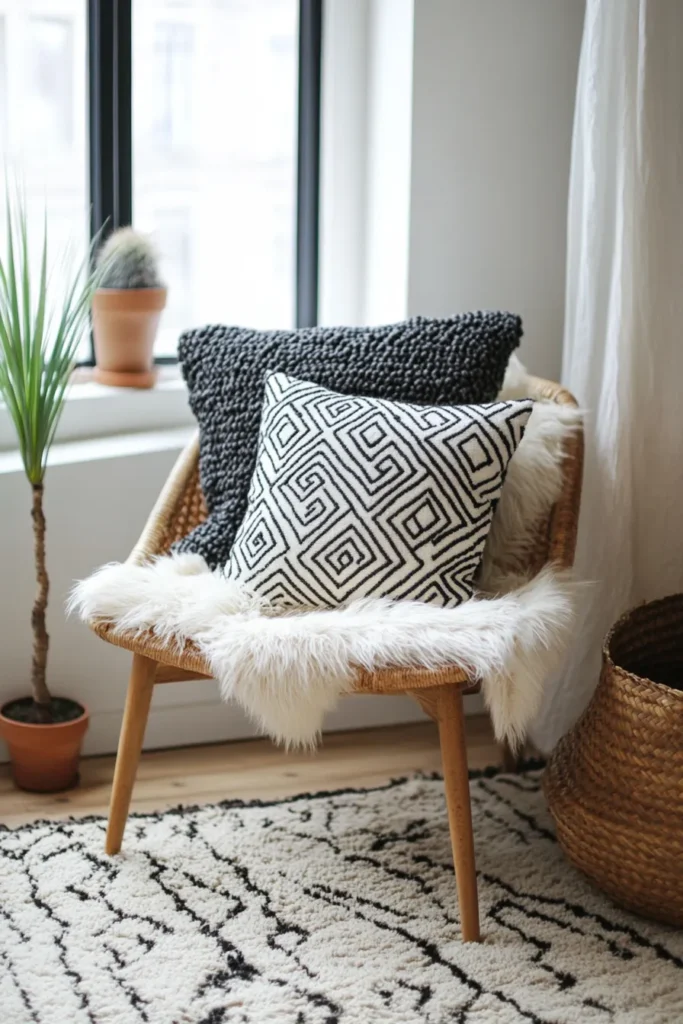
Start with manageable projects that match your skill level and available tools. Not every DIY needs to be a weekend-long furniture build. Simple textile projects like cushion covers or throw pillows require minimal sewing skills but dramatically refresh your seating. These small fabric changes alter your color palette and introduce new textures without the commitment or cost of reupholstering entire pieces. For approachable textile projects that range from no-sew to intermediate, discover our collection of handmade cushion covers and textiles, which includes patterns, material suggestions, and techniques for creating custom soft furnishings.
Wall art represents another accessible DIY category with powerful visual impact. Abstract canvases, framed textiles, gallery walls of collected elements, these projects require more vision than technical skill. Large-scale art commands attention and anchors your design scheme, yet purchasing comparable pieces from retailers or galleries could cost hundreds or thousands. Creating your own costs a fraction while ensuring absolute originality. Explore techniques and inspiration in our guide to DIY wall art ideas for a modern living room, which demonstrates how anyone can create gallery-worthy pieces regardless of artistic background.

Custom Furniture on a Budget
Building your own furniture sounds intimidating until you realize how many designs require only basic tools and straightforward techniques. A custom coffee table built to your exact specifications and aesthetic preferences costs a fraction of designer alternatives while offering superior quality and perfect dimensions. The sense of accomplishment and the conversation-starting uniqueness make the time investment worthwhile.

Coffee tables particularly lend themselves to DIY construction because their structural demands remain relatively simple compared to seating or storage pieces. Basic designs using hairpin legs and reclaimed wood can be completed in an afternoon, while more complex versions with storage or shelving require only slightly more time and skill. For detailed instructions that walk you through the entire process, from material selection to finishing touches, follow our guide on how to build a custom coffee table, which breaks down multiple design options suitable for various skill levels and aesthetic preferences.
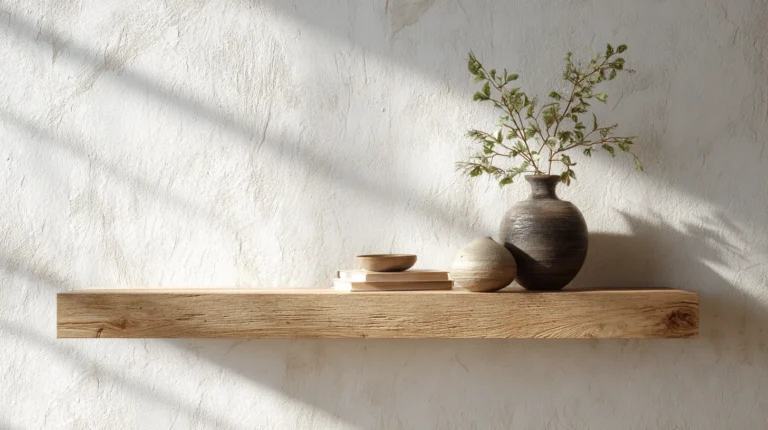
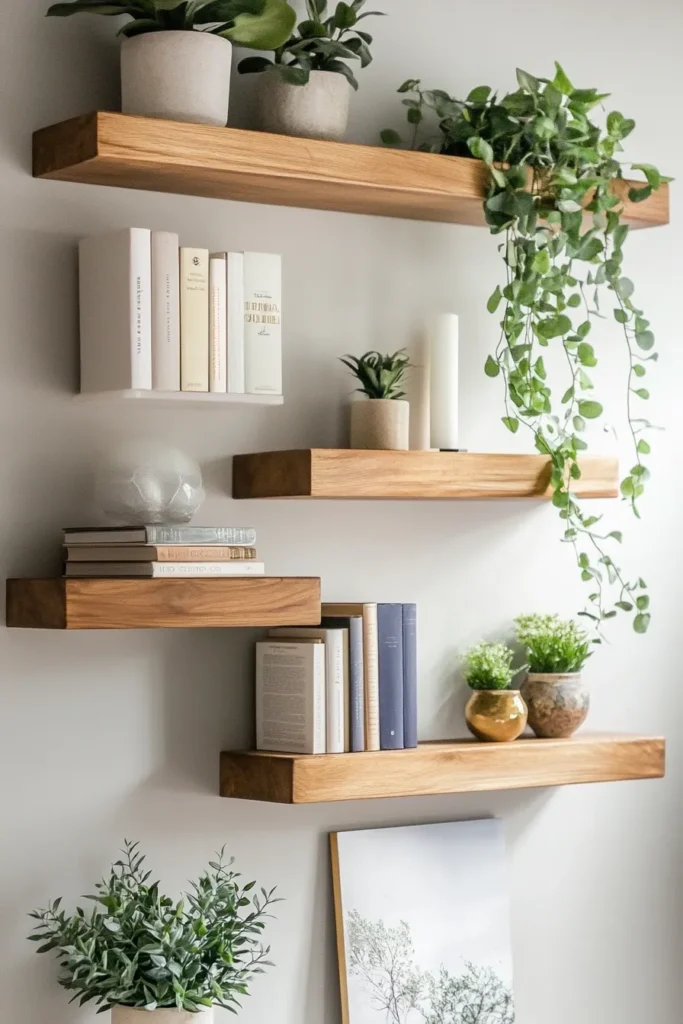
Floating shelves offer another approachable furniture project that combines function with visual interest. These space-efficient storage solutions display books, plants, and decorative objects while adding architectural detail to blank walls. Modern floating shelf designs range from rustic wood slabs to sleek minimalist profiles, all achievable with basic carpentry skills. Learn the techniques and design considerations in our tutorial on how to make your own floating shelves, which covers everything from finding studs to achieving professional-looking finishes.
Lighting Projects That Wow
Custom lighting fixtures make dramatic statements while costing surprisingly little when you’re willing to assemble them yourself. Pendant lights from unexpected materials, table lamps with unique bases, floor lamps that double as sculptural elements, these projects combine creativity with basic electrical knowledge to produce one-of-a-kind pieces that become room focal points.
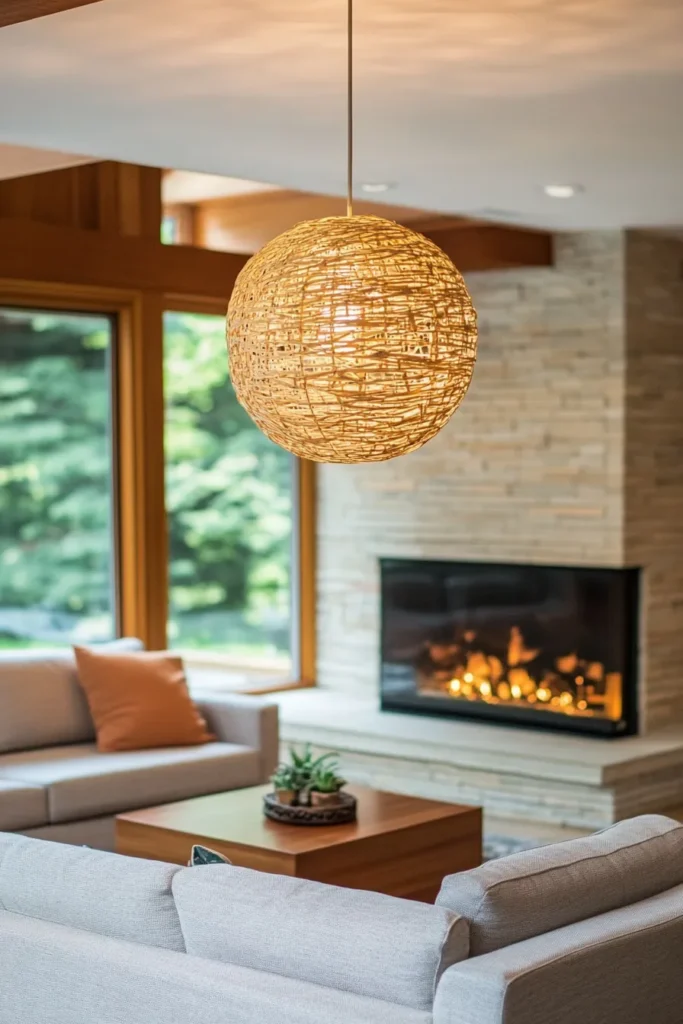
The beauty of DIY lighting lies in infinite customization. You control scale, finish, material, and style, ensuring perfect alignment with your existing decor. Whether you’re drawn to industrial pipe fixtures, woven pendant shades, or geometric wood designs, the project becomes an extension of your aesthetic vision. For inspiration and step-by-step instructions across various styles and difficulty levels, explore our collection of DIY lighting fixtures that wow, which demonstrates how strategic lighting choices can elevate your entire space.
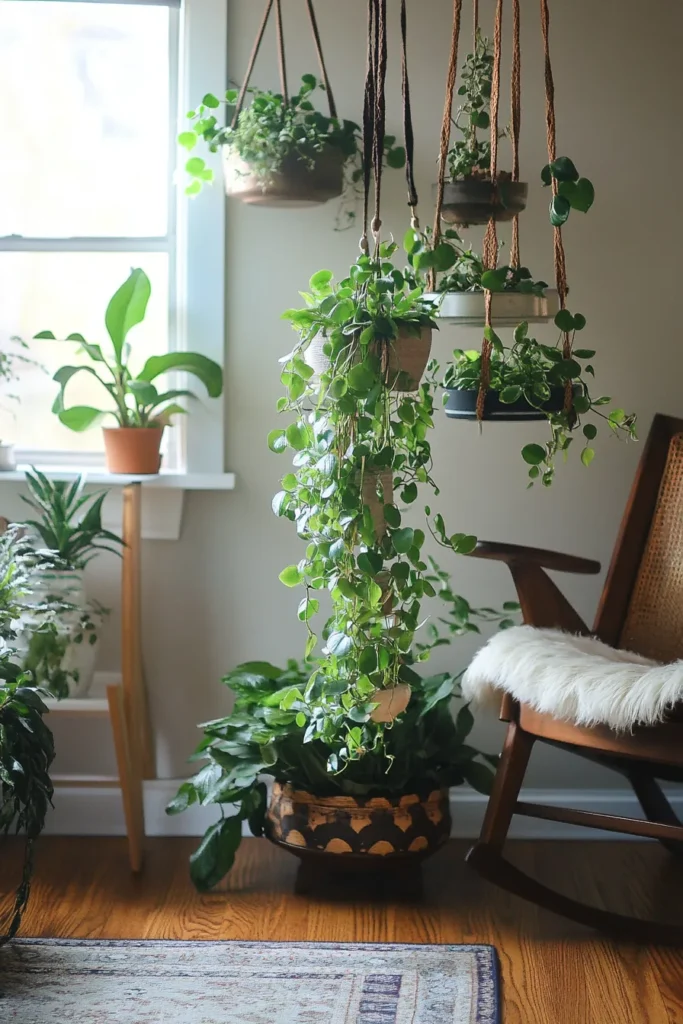
Plant displays offer another DIY avenue that adds life and visual interest without significant cost. Creative hanging planters, tiered plant stands, wall-mounted displays, these projects showcase greenery while adding architectural elements to your space. Plants improve air quality, introduce organic shapes, and create focal points that evolve with the seasons. Discover budget-friendly approaches to incorporating more greenery in our guide to budget-friendly DIY plant displays, which covers everything from macrame hangers to vertical gardens.
Shop Smart for New Pieces You Actually Need
When purchases become necessary, strategic shopping ensures maximum value for minimum spend. The difference between budget-conscious and budget-limited lies in knowing where to invest, what to skip, and how to identify quality at lower price points. Not all affordable furniture looks cheap, and not all expensive pieces justify their cost. Developing an eye for value transforms shopping from overwhelming to empowering.
Start by identifying retailers that consistently offer strong design at accessible prices. These sources vary by region and personal style, but patterns emerge. Online-only retailers often undercut traditional furniture stores by eliminating showroom overhead. Discount home stores refresh inventory constantly, creating treasure-hunt shopping experiences where patience yields remarkable finds. Estate sales and consignment shops offer quality vintage pieces at fractions of original costs. For a curated list of reliable sources that balance affordability with style, review our guide to where to buy stylish furniture on a budget, which evaluates retailers across categories and price points.
Learning to recognize quality markers helps you distinguish truly affordable from simply cheap. Construction details like kiln-dried hardwood frames, eight-way hand-tied springs, and corner-blocked joints indicate furniture built to last, while particleboard construction and stapled upholstery suggest pieces that won’t survive years of use. Sometimes paying slightly more upfront for better construction saves money long-term by avoiding replacements. Our guide to affordable furniture finds that look high-end teaches you to evaluate pieces beyond surface aesthetics, identifying which budget options offer genuine value versus those destined for landfills within years.
Understanding the DIY Versus Store-Bought Equation
Not every element benefits from DIY treatment. Sometimes store-bought solutions offer superior value when you factor in time, tools, and skill requirements. The decision matrix considers your specific circumstances: available time, existing skills, tool access, and the gap between DIY costs and retail prices for comparable quality.
Upholstered furniture generally favors purchasing over building unless you possess specialized skills and equipment. The techniques and materials required for quality upholstery exceed most DIY budgets and capabilities. Conversely, simple wood furniture, shelving, and decor elements often cost less and turn out better when handmade. Understanding these boundaries prevents wasted time on projects better left to manufacturers while identifying opportunities where DIY truly excels. For detailed analysis that helps you determine when to make versus buy, consult our breakdown in DIY vs store bought saving smart on decor, which evaluates common living room elements across both approaches.
Transform Your Space Through Upcycling and Repurposing
The most sustainable and often most characterful approach to budget makeovers lies in transforming existing pieces rather than discarding them. Upcycling takes what you have and reimagines it into what you need, breathing new life into furniture that might otherwise end up in landfills. This approach honors both environmental consciousness and financial prudence while yielding truly unique pieces that tell stories.
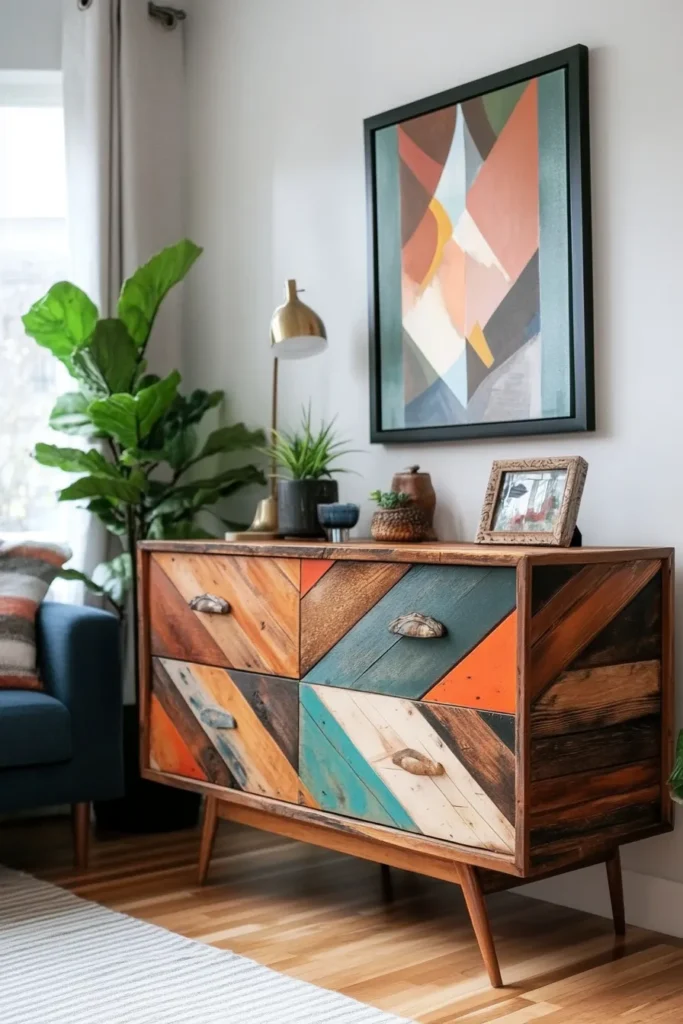
Upcycling differs from simple repair or refinishing. It involves creative transformation that may completely alter a piece’s function or aesthetic. A vintage dresser becomes a bathroom vanity. An old door transforms into a headboard. Wooden crates stack into modular shelving. This creative problem-solving requires vision more than technical skill, though basic tools and techniques certainly help realize your ideas. For inspiration and practical guidance on transforming dated furniture into statement pieces, explore our comprehensive guide to upcycling old furniture into stylish statement pieces, which walks through assessment, planning, and execution of successful transformations.
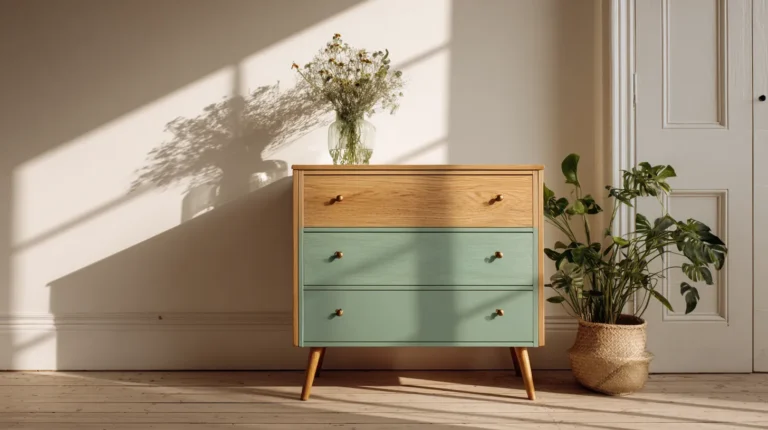
Paint represents the simplest yet most transformative upcycling tool. The right color and finish can make a tired piece feel completely contemporary. Chalk paint, milk paint, and modern all-in-one formulas require minimal surface preparation while offering excellent coverage and durability. Beyond solid colors, techniques like color blocking, ombre effects, and stenciling add visual interest without professional skills. The transformation from dated to designed often requires nothing more than a weekend, some paint, and willingness to experiment.
Hardware and Detail Updates
Sometimes the smallest changes yield disproportionate impact. Swapping outdated hardware on dressers, cabinets, or side tables instantly modernizes these pieces. Brass pulls replace cheap plastic knobs. Leather straps substitute for broken handles. These minor investments, often under twenty dollars per piece, completely shift how furniture reads visually. The bones remain the same, but the details signal care and contemporary awareness.
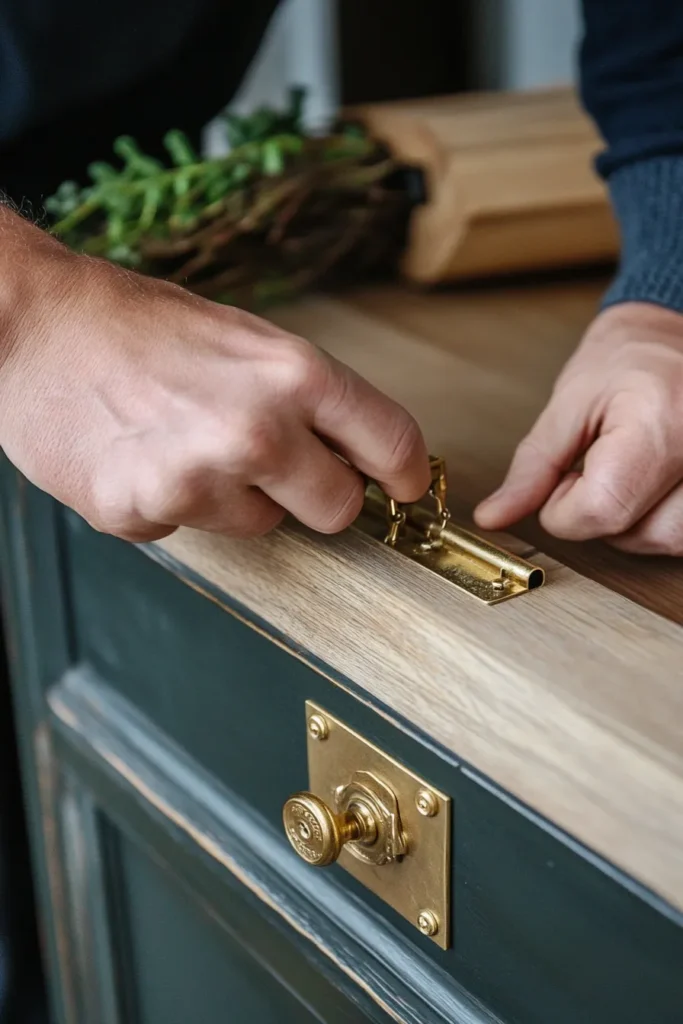
Consider other detail updates that refresh without rebuilding. New legs can transform a dated sofa or chair, changing its profile from traditional to mid-century or contemporary. Swapping cushions updates color schemes and comfort. Adding trim or molding to plain furniture introduces architectural interest. These targeted interventions require less time and skill than full refinishing while still delivering visual transformation.
Layer Textiles and Textures for Depth
Textiles offer the fastest, most affordable path to cozy sophistication. Layering different fabrics, weights, and textures creates visual and tactile richness that makes spaces feel intentionally designed rather than simply furnished. This approach works regardless of budget because it relies on thoughtful combination rather than expensive individual pieces.
Start with your foundation: rugs anchor spaces and define zones within open floor plans. A well-chosen rug pulls together disparate furniture pieces and introduces color, pattern, or texture that sets your room’s tone. Rug selection involves balancing aesthetic appeal with practical considerations like size, material, and maintenance requirements. For guidance on choosing rugs that enhance your space without exceeding your budget, discover our detailed guide to selecting the perfect living room rug, which covers everything from sizing formulas to material comparisons.
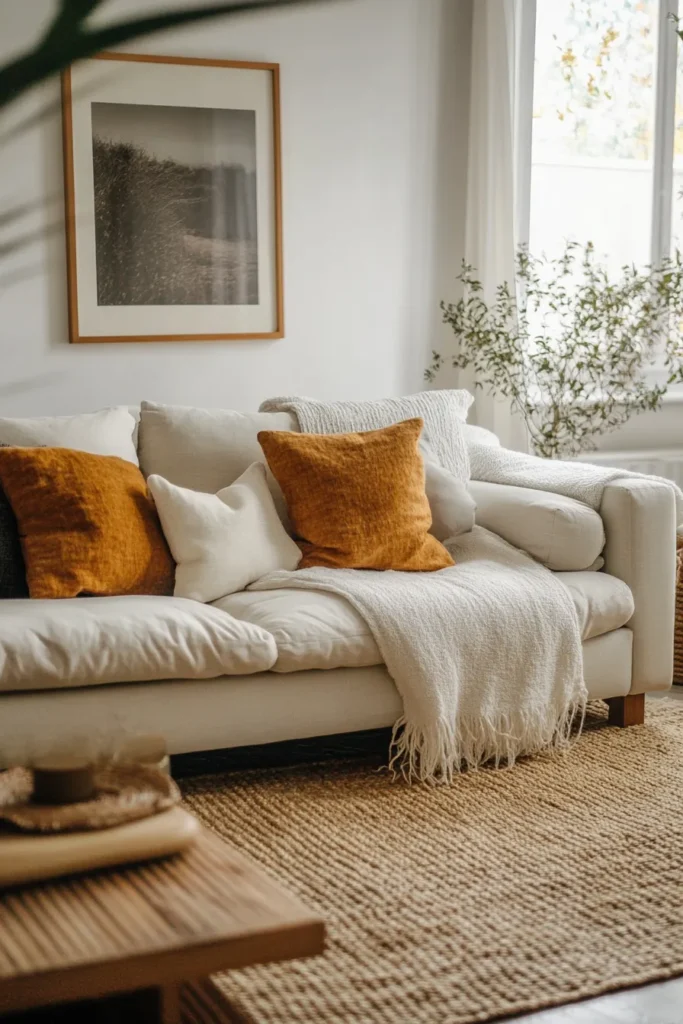
Build upon your rug foundation with throws, cushions, and curtains that introduce complementary textures and colors. Mix smooth cottons with nubby linens, add velvet for richness, incorporate wool for warmth. These layers transform flat, one-note spaces into environments that invite touch and engagement. The beauty of textile layering lies in its flexibility, seasonal swaps keep your room feeling fresh without requiring furniture changes or major investments.
Sustainable and Handcrafted Options
Increasingly, budget-conscious decorating aligns with environmental consciousness. Handcrafted textiles and sustainable materials often cost less than mass-produced alternatives while offering superior quality and unique character. Natural fiber rugs, hand-loomed throws, vintage textiles, these elements bring authenticity and warmth that synthetic reproductions can’t match.
When selecting textiles, consider both initial cost and long-term value. A well-made natural fiber rug might cost more upfront than a synthetic alternative but will outlast cheaper options by decades while aging beautifully. This investment perspective shifts how you evaluate purchases, prioritizing quality and longevity over immediate savings. For exploration of textile options that honor both budget and environmental values, review our guide to sustainable handcrafted rug options, which evaluates materials, construction methods, and sources for consciously made pieces.
Address Common Budget Decorating Pitfalls
Even with the best intentions, budget makeovers can veer off course when common mistakes derail your efforts. Understanding these pitfalls before you encounter them saves both money and frustration. The most frequent errors stem from impatience, insufficient planning, or misunderstanding where budget compromises make sense versus where they’ll cost you more long-term.
Cheap furniture that looks expensive in photos often disappoints in person. Online shopping for budget pieces requires careful evaluation beyond glamorous staging photos. Read reviews specifically mentioning quality and durability. Check return policies before purchasing. Understand that some price points simply can’t deliver certain aesthetics or longevity, no matter how appealing the marketing appears. When you encounter too-good-to-be-true pricing, investigate thoroughly before committing. Our comprehensive overview of top 10 budget decor mistakes to avoid details the most common errors and how to sidestep them, potentially saving hundreds in wasted purchases.
Another frequent mistake involves neglecting scale and proportion in pursuit of bargains. A too-small rug makes your room feel disjointed. An oversized sectional overwhelms a modest space. Furniture that doesn’t fit your room’s proportions reads as wrong regardless of style or quality. Before purchasing anything, measure your space carefully and consider how new pieces will relate to existing elements. Sometimes the slightly more expensive option that actually fits your space properly delivers better value than the cheaper piece that never quite works.
The False Economy of Ultra-Cheap Purchases
Not all savings represent actual value. Furniture that costs fifty dollars but falls apart within a year costs more than a two-hundred-dollar piece that serves you for a decade. This calculation extends beyond pure math into the frustration, time, and effort of repeated replacements. Learning to recognize quality markers and invest strategically in pieces that matter prevents the false economy of ultra-cheap purchases.
Identify which elements in your living room receive heaviest use and therefore justify higher investment. Sofas, primary seating, and frequently used storage deserve quality construction. Decorative elements that serve purely aesthetic functions can acceptably occupy lower price points. This strategic allocation ensures your budget flows toward pieces that must perform while allowing flexibility on items that simply need to look right.
Complete Weekend Transformations
Sometimes you don’t have months for a gradual makeover. Life events, upcoming gatherings, or simple impatience demand faster timelines. Weekend transformations prove that dramatic change doesn’t require extended renovation schedules. With focused effort and strategic planning, a single weekend can completely reshape how your living room looks and feels.
The key to successful weekend makeovers lies in thorough preparation. The weekend itself should involve execution, not decision-making. Spend the week before selecting paint colors, ordering necessary supplies, measuring for furniture placement, and clearing your schedule. This groundwork ensures your weekend flows smoothly from one task to the next without delays or mid-project uncertainty. For proven approaches that deliver complete transformations in just two days, follow our guide to weekend projects to refresh your living room, which outlines realistic timelines and project sequences.
Prioritize projects with immediate visual impact. Painting walls or an accent wall, rearranging furniture, swapping out textiles, and updating lighting can all be accomplished within weekend timelines while dramatically altering your space. Save more complex builds or refinishing projects for separate weekends when you can focus on quality execution rather than racing a deadline. The most successful weekend makeovers combine several quick-impact projects rather than attempting one major renovation.
Project Sequencing for Success
Order matters when tackling multiple projects in compressed timeframes. Start with the messiest work like painting or major cleaning, then progress to cleaner tasks like arranging furniture and styling. This sequence prevents having to protect newly placed items from paint splatter or construction dust. It also builds momentum, you see dramatic progress early, which motivates you through the detailed finishing work.

Build in buffer time for unexpected complications. A project you estimated at two hours might stretch to three. Paint might require an extra coat. Furniture assembly could prove more complex than anticipated. Realistic scheduling that accounts for these variables prevents frustration and allows you to actually complete what you started rather than facing a half-finished room come Monday morning.

Comprehensive Makeover Approaches
While targeted updates refresh specific elements, comprehensive makeovers reimagine entire spaces through coordinated changes that transform every aspect of your living room. These deeper transformations require more planning, time, and investment, but they deliver cohesive results that feel professionally designed rather than gradually accumulated. Even comprehensive makeovers can respect budget constraints when approached systematically.
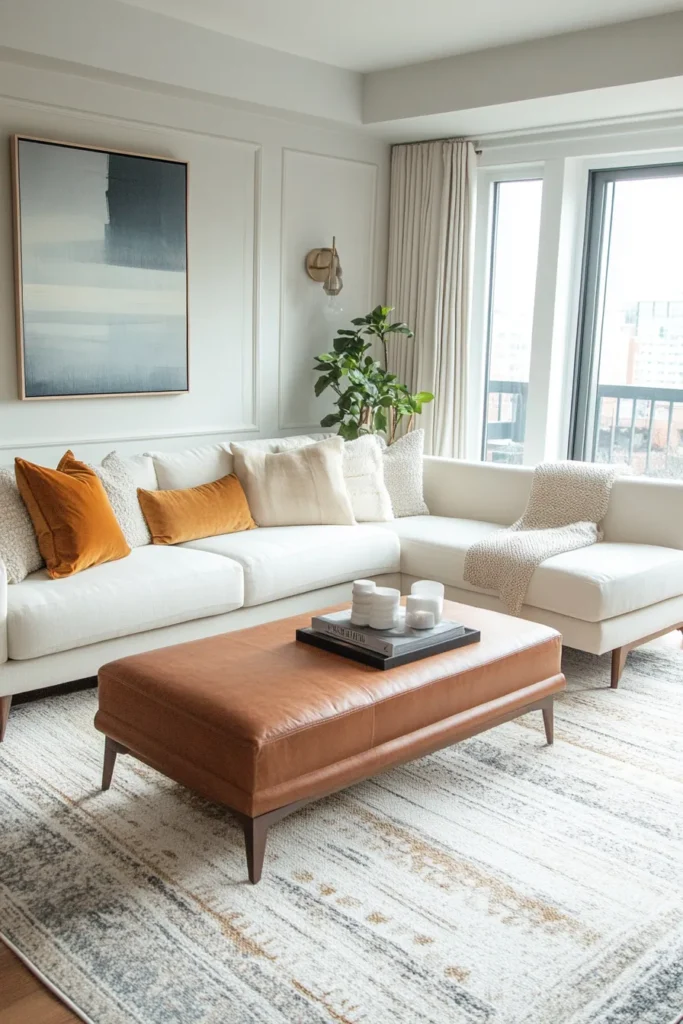
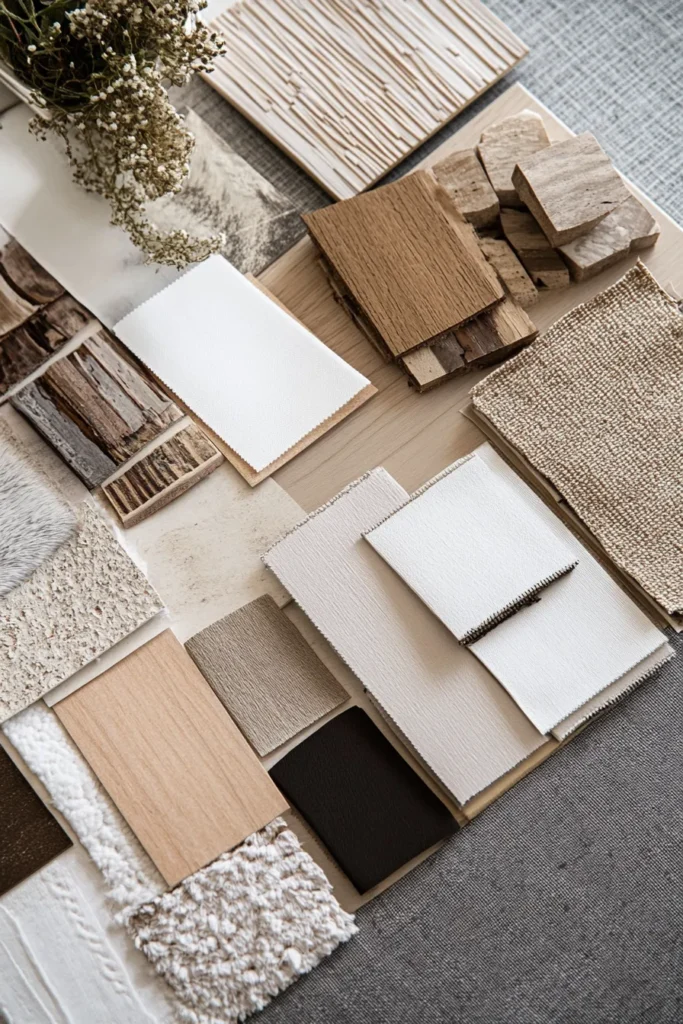
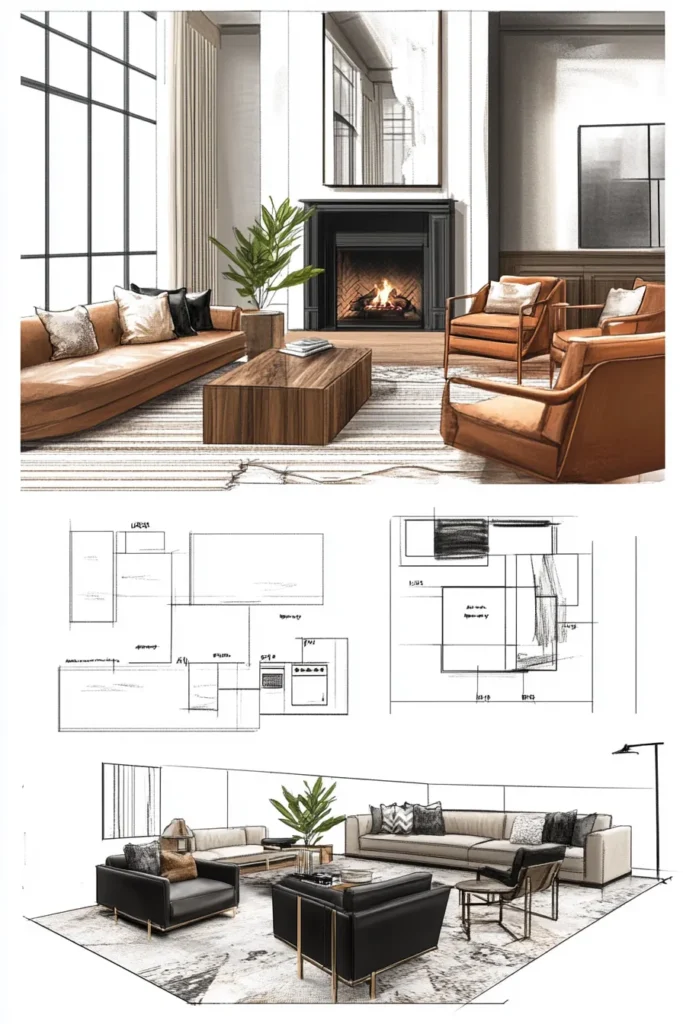
Begin with a clear vision of your desired outcome. Create mood boards combining inspiration images that capture the aesthetic you’re pursuing. This visual reference keeps you aligned throughout the process, preventing drift toward disparate styles that don’t ultimately cohere. Your mood board should include color palettes, furniture styles, textile textures, and lighting approaches, creating a comprehensive blueprint that guides every decision. For detailed strategies that walk you through planning and executing complete transformations, explore our guide to DIY living room makeover ideas, which covers everything from concept development to final styling.
Phase comprehensive makeovers to spread costs over time while maintaining forward momentum. Perhaps month one focuses on paint and major furniture pieces. Month two addresses lighting and window treatments. Month three adds textiles and accessories. This phased approach prevents financial strain while allowing you to live with changes and adjust your vision based on how early phases feel. Some elements you thought essential might reveal themselves as unnecessary once other changes are in place.
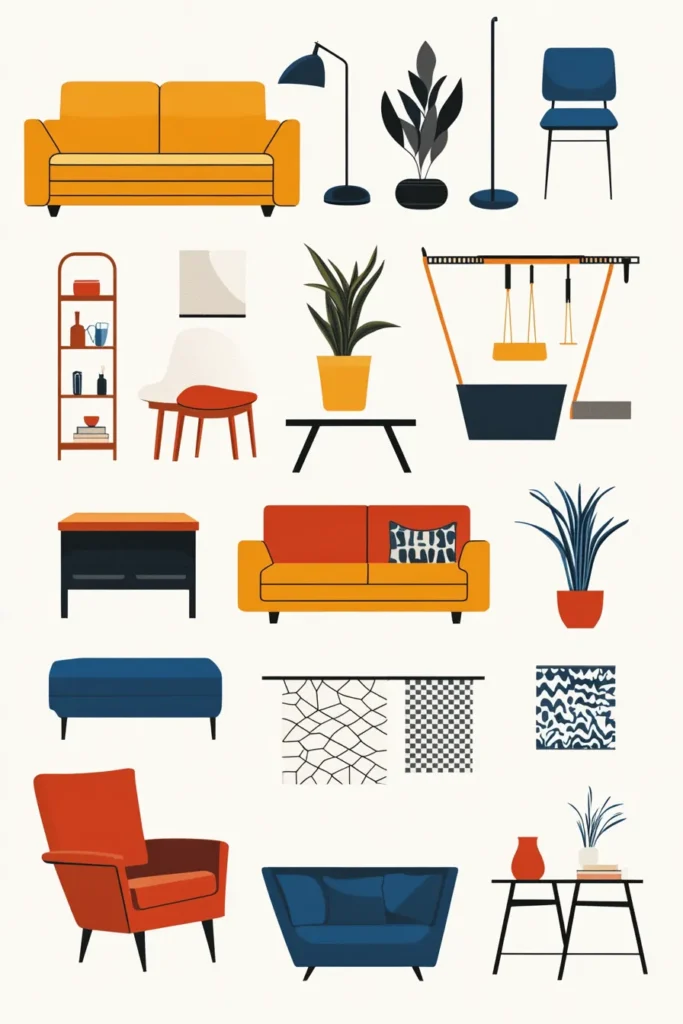
Specific Approaches for Small Spaces
Small living rooms present unique challenges and opportunities in budget makeovers. Space constraints demand smarter choices, multipurpose furniture, strategic storage, and visual tricks that make rooms feel larger than their square footage suggests. Yet these same constraints often reduce total costs simply by requiring less material and fewer pieces to achieve complete transformation.
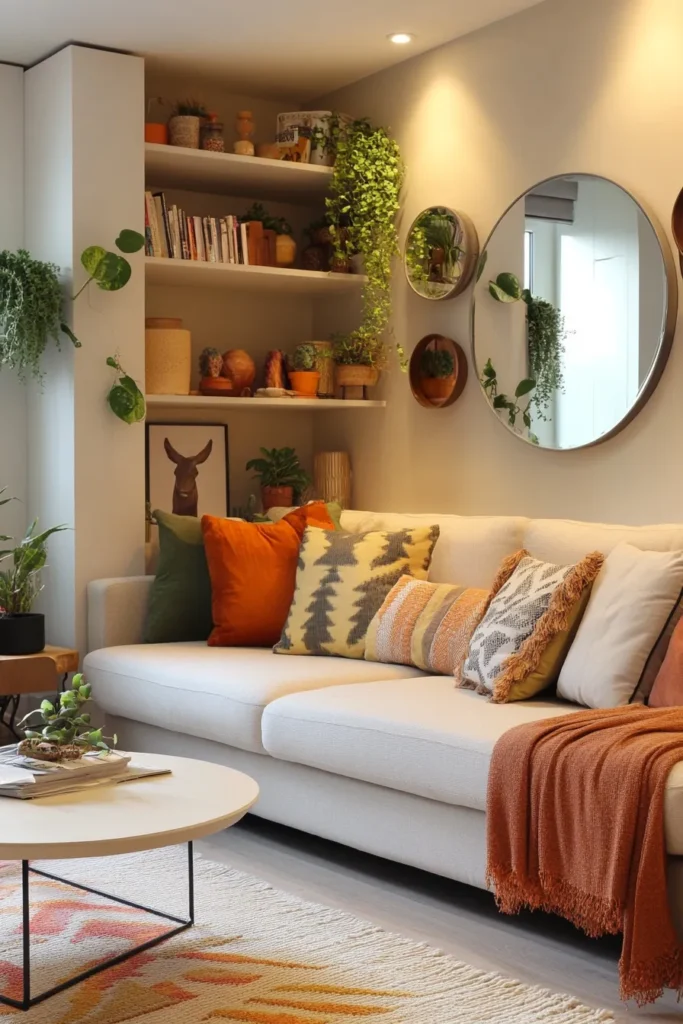
Vertical space becomes precious real estate in compact rooms. Floor-to-ceiling shelving, wall-mounted storage, and tall narrow furniture draw eyes upward, creating the illusion of height. Light colors and mirrors amplify natural light and expand perceived boundaries. Furniture selection favors pieces that serve multiple functions: ottomans with hidden storage, sofa beds for occasional guests, nesting tables that tuck away when not needed. These strategic choices maximize utility without cluttering limited floor space. For targeted strategies that help small living rooms feel spacious and intentionally designed, discover our collection of small living room ideas on a budget, which focuses specifically on space-efficient solutions.
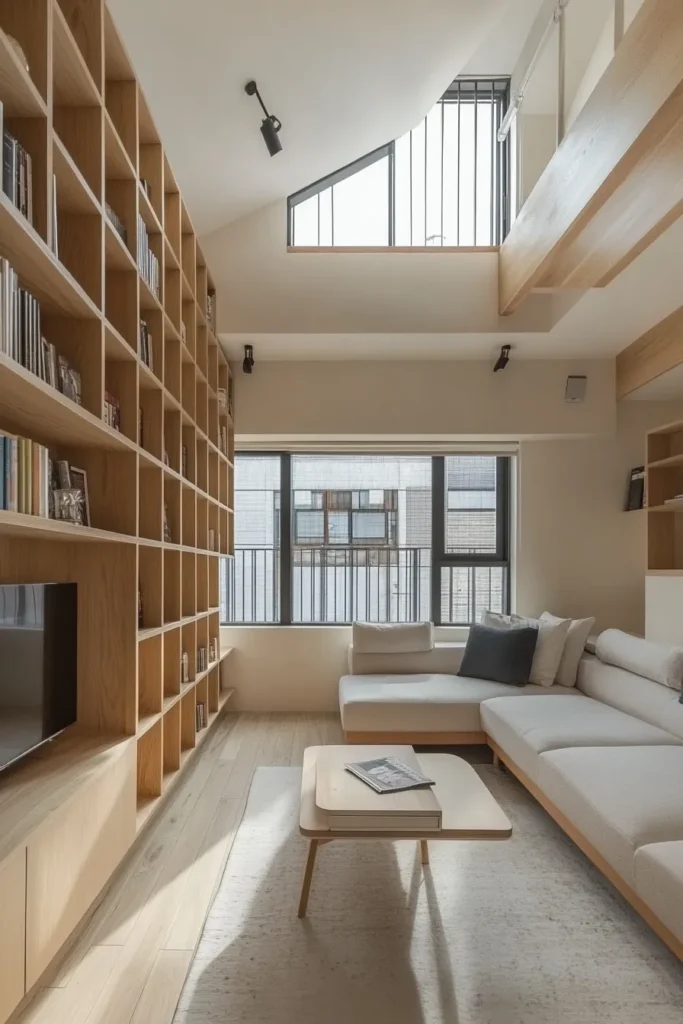
Seasonal Refresh Strategies
Living rooms shouldn’t feel static throughout the year. Seasonal updates keep your space feeling current and responsive to changing light, temperature, and mood. These cyclical refreshes require minimal investment because they largely involve rotating existing textiles, accessories, and decor rather than purchasing new furniture or undertaking major projects.
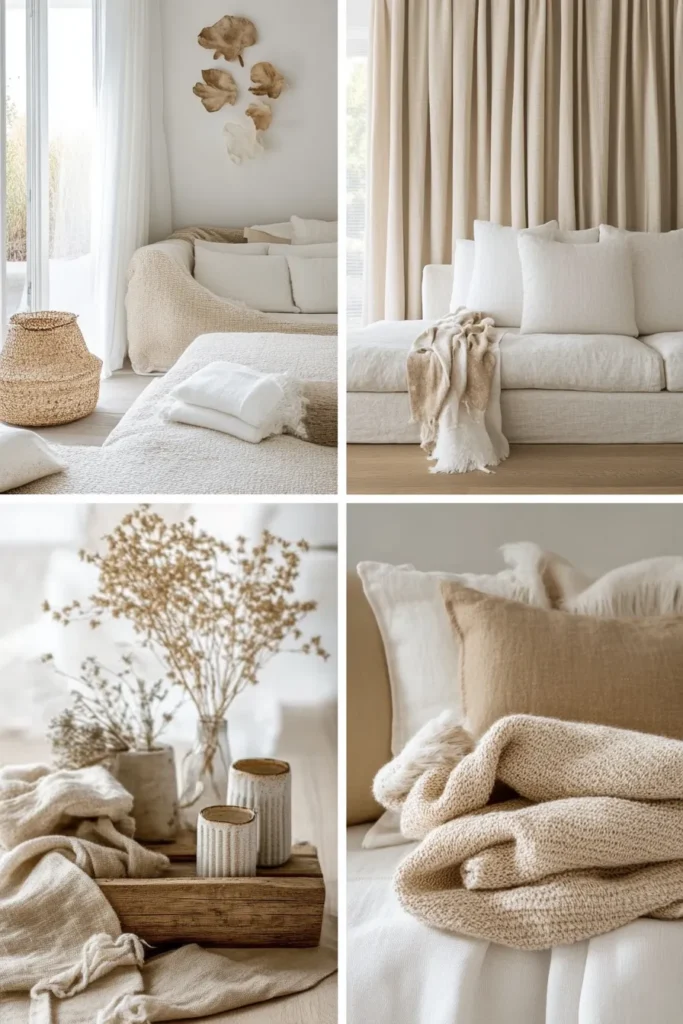
Create a seasonal rotation system for throws, cushions, and decorative objects. Store off-season items in labeled bins, making swaps effortless when weather shifts. Spring might welcome lighter fabrics in fresh whites and soft pastels. Summer invites breathable linens and coastal-inspired blues. Autumn calls for richer textures in warm earth tones. Winter embraces cozy layers in deep jewel tones and chunky knits. These transitions keep your space feeling intentional and connected to the world beyond your walls.

Seasonal changes needn’t be dramatic to be effective. Simply swapping throw pillow covers, changing artwork, or introducing seasonal greenery signals the shift without requiring full redesigns. These small gestures maintain visual interest and prevent decorating fatigue. For comprehensive approaches to seasonal transformations that remain budget-conscious, explore our guide to seasonal living room makeover ideas, which outlines specific strategies for each season along with storage and organization tips.
Accessible Projects for Every Skill Level
DIY intimidation prevents many people from attempting projects well within their capabilities. The assumption that handmade means expert-made creates unnecessary barriers between people and the satisfaction of creating something for their homes. Truth is, countless DIY projects require more patience than skill, more willingness than experience. Starting with accessible projects builds confidence while immediately improving your space.

No-skill-required projects offer perfect entry points. These include arrangements like creating gallery walls, styling shelves, or assembling simple ready-to-finish furniture. Basic painting projects, once you move past the intimidation of that first brushstroke, demand only care and patience. Textile projects like no-sew cushion covers or tied throw blankets require zero technical skills while still producing custom pieces. Success with these foundational projects often inspires more ambitious attempts. Our comprehensive collection of DIY living room decor projects anyone can try organizes ideas by skill level, ensuring you can find projects that match your current capabilities while gradually building toward more complex work.
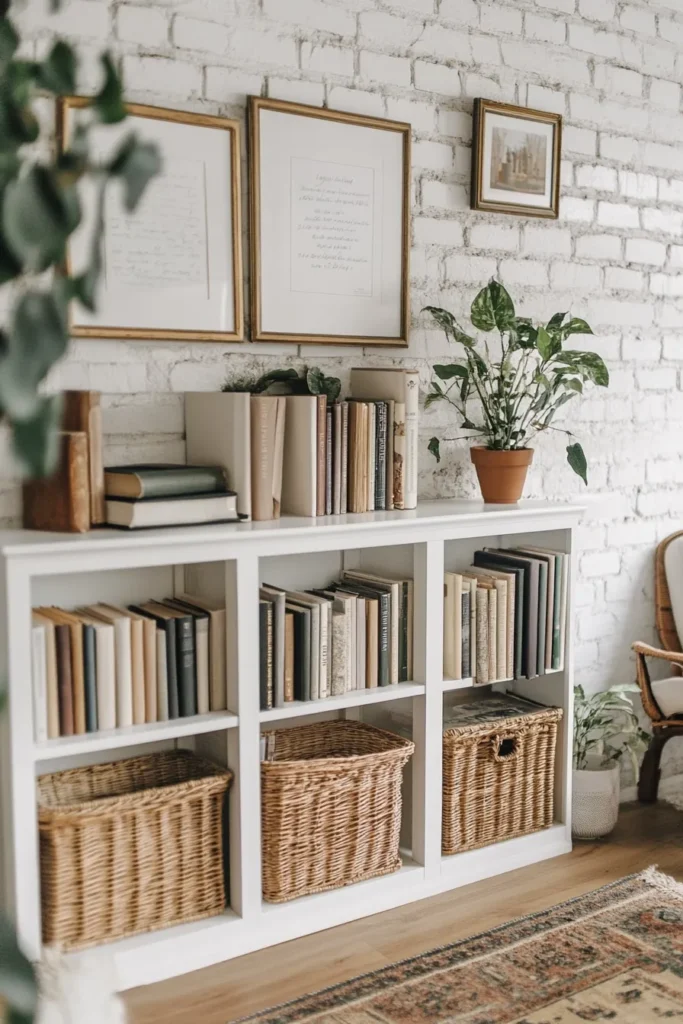
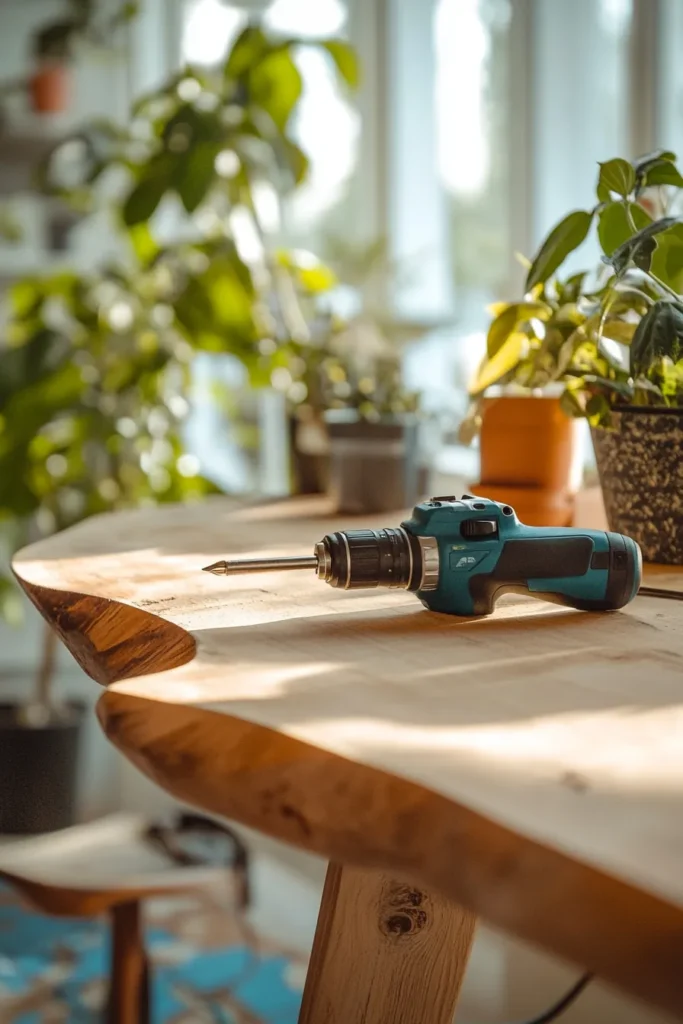
Intermediate projects introduce basic tool use and slightly more complex techniques without requiring professional-level expertise. These might include building simple furniture with pre-cut lumber, refinishing existing pieces, or installing floating shelves. Clear instructions and quality tools make these projects approachable for anyone willing to work methodically and patiently. The sense of accomplishment from completing intermediate projects often exceeds the actual difficulty, boosting confidence for future attempts.
Building Skills Progressively
View your DIY journey as progressive skill building rather than all-or-nothing expertise. Each project teaches techniques applicable to future work. Installing curtain rods familiarizes you with finding studs and drilling into walls. Building a coffee table introduces measuring, cutting, and assembly fundamentals. Refinishing furniture teaches sanding, staining, and finishing. These accumulated skills expand what you can confidently attempt, gradually making more ambitious projects accessible.

Don’t hesitate to combine DIY with professional help where needed. Perhaps you build the basic furniture frame but hire someone for complex upholstery. Maybe you paint walls yourself but bring in professionals for intricate wallpaper installation. This hybrid approach maximizes budget efficiency by reserving your money for specialized skills while handling straightforward work yourself. The goal isn’t to prove self-sufficiency but to create beautiful spaces within your means.
Expert Tips for Lasting Impact
Professional designers rely on specific strategies that amateurs often overlook. These insider approaches elevate results from acceptable to exceptional without requiring additional budget. Understanding and applying these principles ensures your makeover decisions build cohesive, sophisticated spaces rather than collections of individual items.
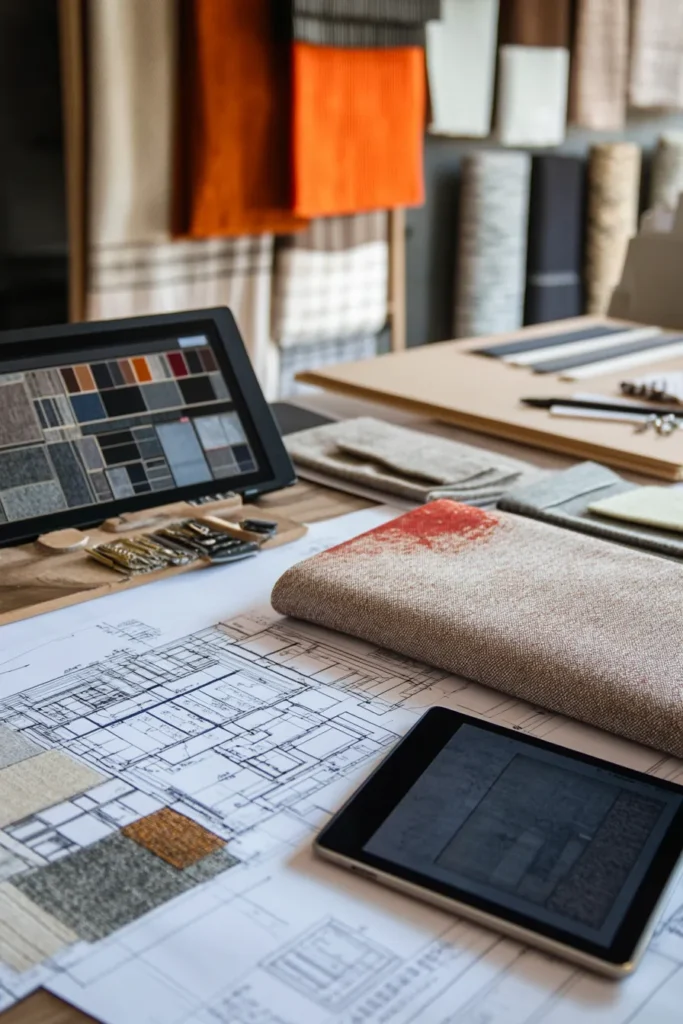
Scale and proportion matter more than style. A beautifully styled piece in the wrong size for your space will always look wrong. Furniture should relate properly to room dimensions and to each other. Rugs should extend beyond furniture edges. Artwork should occupy appropriate wall space rather than floating tiny in vast emptiness. Coffee tables should sit at proper height relative to seating. These mathematical relationships create visual harmony that reads as professional design even when you’re working with budget pieces.

Invest in what touches you. Seating comfort, textile quality, lighting warmth, these experiential elements shape how your space actually feels to inhabit rather than just how it photographs. A gorgeous room that’s uncomfortable to spend time in fails its purpose. Prioritize comfort and functionality alongside aesthetics, ensuring your budget-friendly makeover creates a space that serves your daily life beautifully. Sometimes this means spending more on quality seating while economizing on purely decorative elements.
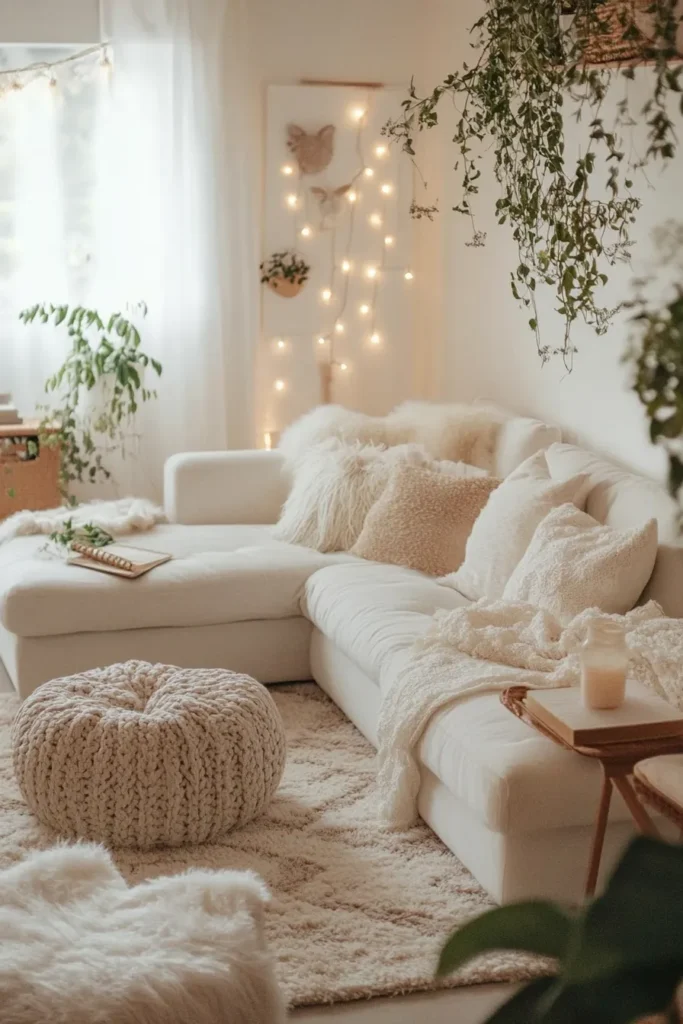
Create focal points intentionally rather than allowing them to occur accidentally. Every room needs an anchor that draws attention and organizes other elements around it. This might be a fireplace, a statement art piece, an accent wall, or a dramatic furniture piece. Once you’ve established your focal point, arrange and style everything else in relation to it. This hierarchy prevents rooms from feeling cluttered or aimless regardless of budget level.
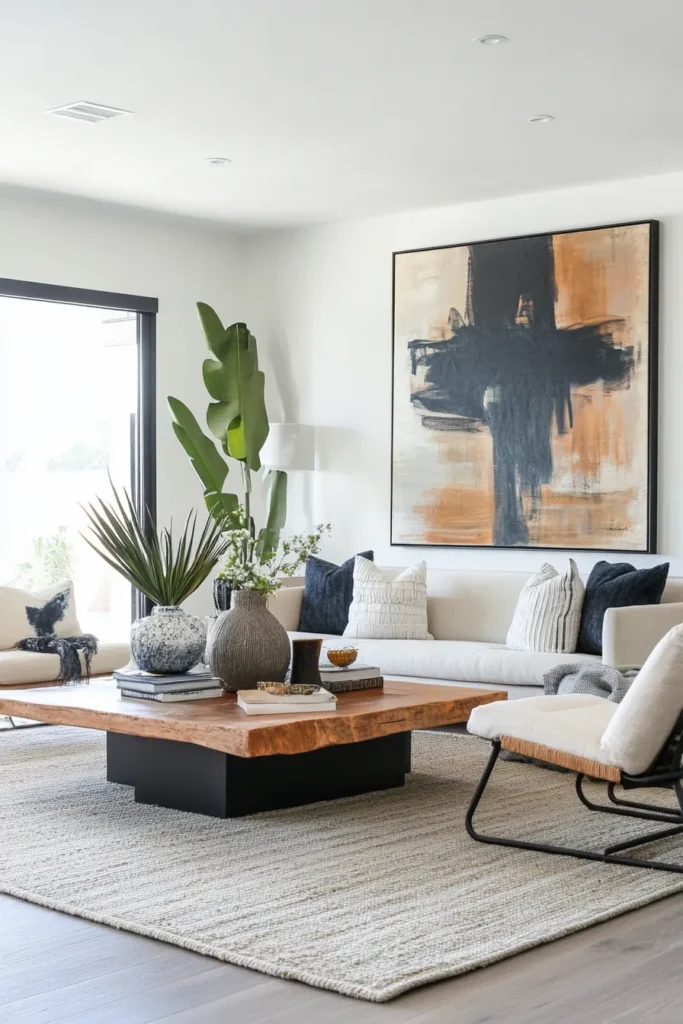
Edit ruthlessly. More isn’t better in interior design. Each element in your space should earn its place through function, beauty, or meaning. Clear surfaces, breathing room around furniture, and thoughtful negative space all contribute to sophisticated results. Budget constraints actually help here, limited funds prevent over-purchasing and force prioritization. The difference between cluttered and curated often lies simply in editing rather than acquisition.
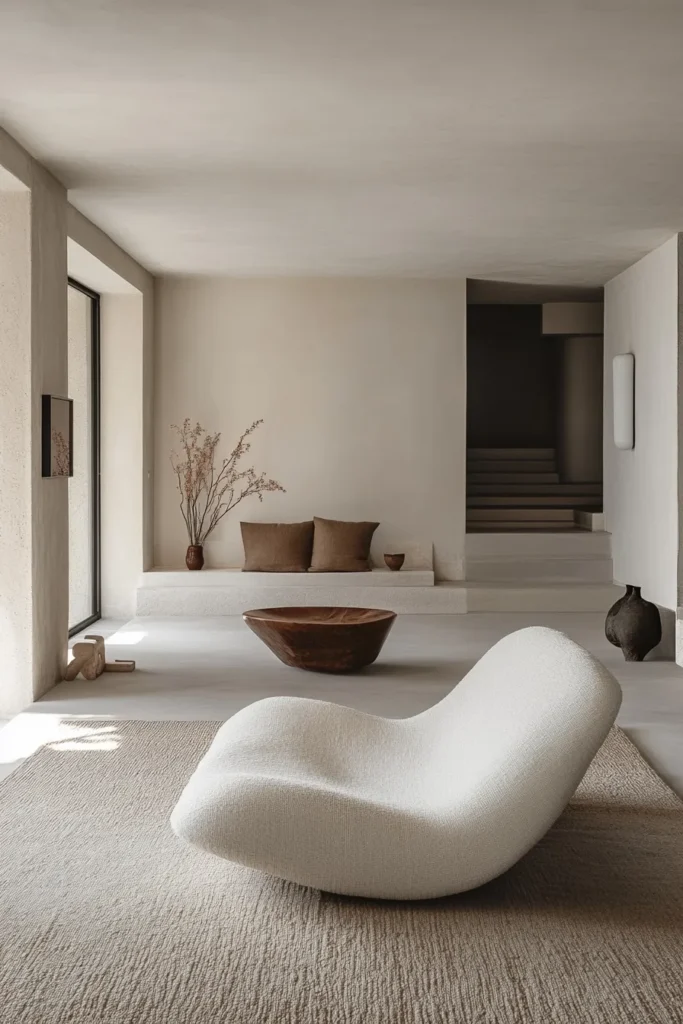
Lighting deserves special attention because it affects every other element. Natural light showcases colors accurately and creates appealing shadows and highlights throughout the day. Artificial lighting should layer ambient, task, and accent sources at different heights and intensities. Dimmer switches offer flexibility to adjust mood and functionality. Even the most beautiful room falls flat under poor lighting, while thoughtful illumination elevates modest spaces into something special.
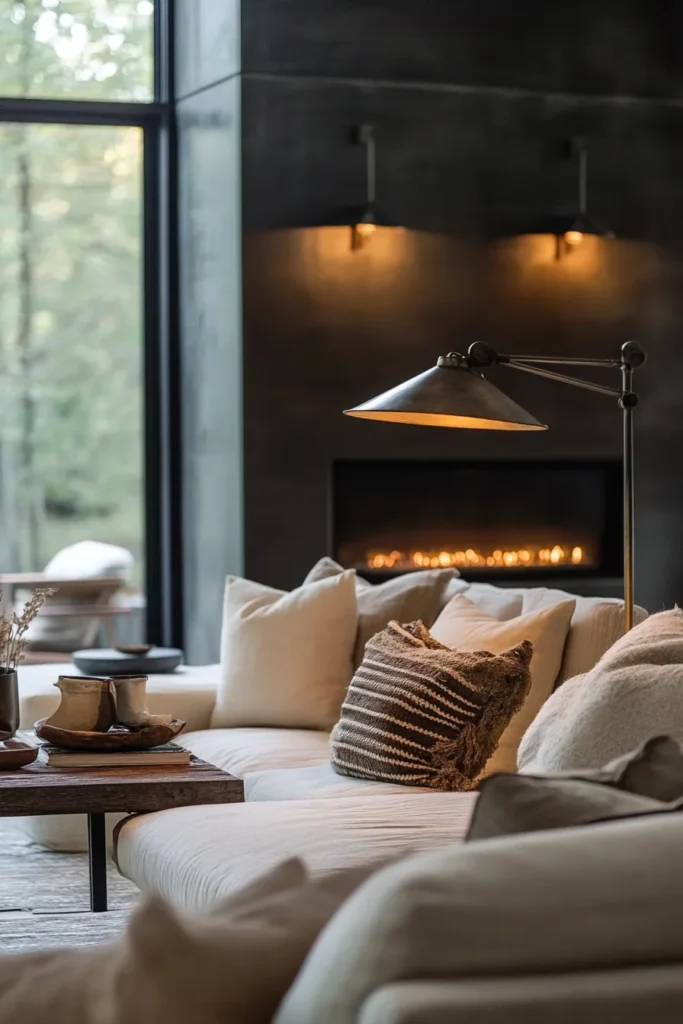
Quality over quantity applies across every category. Three substantial throw pillows create more impact than seven cheap ones. One well-made rug anchors better than multiple thin runners. A single dramatic light fixture commands more attention than several mediocre ones. This principle guides budget allocation toward fewer, better pieces rather than filling space with quantity that dilutes overall impact.
Color psychology influences mood more than most realize. Warm tones create cozy intimacy. Cool shades feel calming and spacious. Neutrals provide sophisticated backdrops. Understanding these emotional responses helps you select colors that support how you want your living room to feel, not just how you want it to look. Color choices become strategic rather than purely aesthetic when you consider psychological impact.
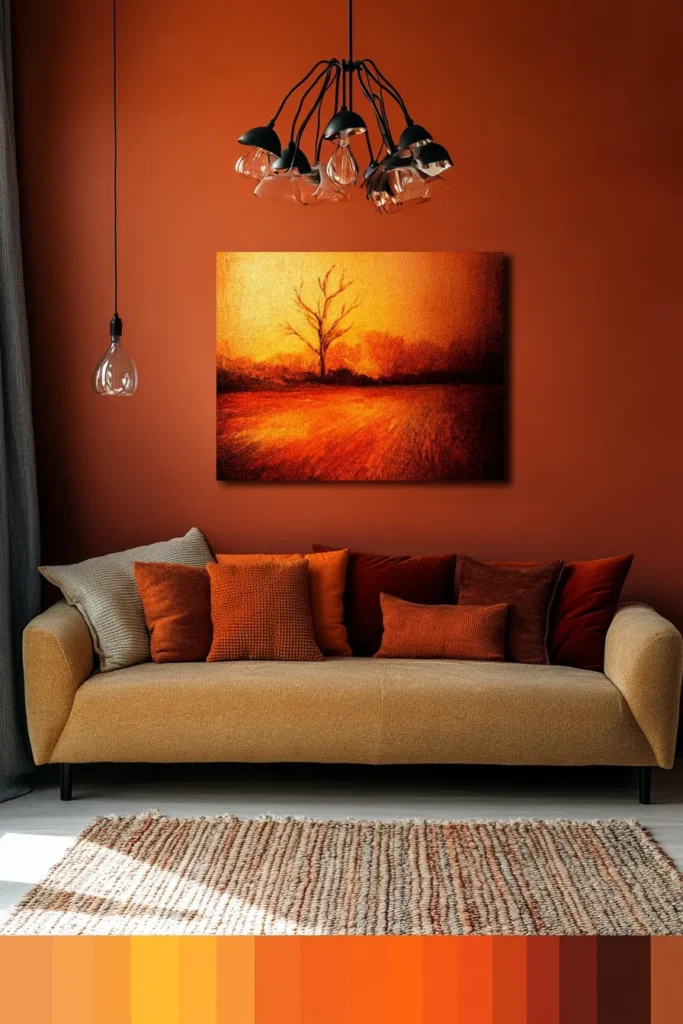
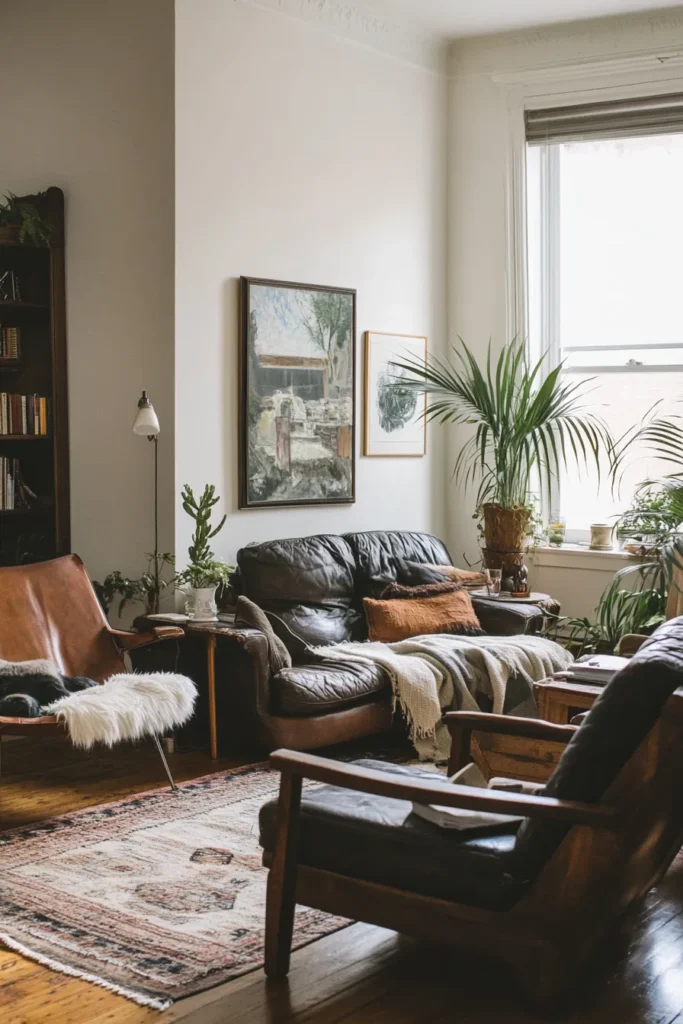
Mixing old and new prevents spaces from feeling too coordinated or showroom-perfect. Vintage finds add character and history. New pieces bring contemporary functionality and clean lines. This combination creates collected-over-time authenticity that feels personal and lived-in. Budget makeovers benefit especially from this approach because thrifted and upcycled vintage items often cost less than new alternatives while offering superior quality and unique character.
Test before committing whenever possible. Paint samples on walls in different lights. Live with furniture arrangements for several days. Borrow or rent items temporarily if available. These trial periods prevent costly mistakes and ensure satisfaction with permanent decisions. The time invested in testing saves money by avoiding purchases that don’t ultimately work.

Bringing Your Vision to Life
Your living room transformation doesn’t require unlimited funds, just unlimited vision. Every technique, project, and strategy outlined here proves that beautiful, intentional spaces grow from thoughtful decisions rather than large budgets. The rooms that feel most authentically yours often contain handmade elements, discovered treasures, and creative solutions born from constraints rather than abundance.
Start where you are with what you have. Perhaps this week you’ll simply rearrange furniture and see your space with fresh eyes. Next month you might tackle that accent wall you’ve been imagining. By season’s end, your living room could feel completely transformed through accumulated small changes that built upon each other organically. There’s no single right path, only the path that honors your aesthetic vision, your budget reality, and your willingness to create with your own hands.
Remember that your living room evolves alongside your life. What serves you perfectly today might need adjustment tomorrow as needs shift, families grow, or tastes mature. This evolution isn’t failure, it’s the natural progression of a space that truly lives rather than existing as a static showpiece. Budget-friendly approaches support this evolution because they don’t demand such large investments that you feel locked into decisions that no longer serve you.
The most successful makeovers balance planning with flexibility, vision with practicality, investment with resourcefulness. They honor both where you’re going and where you are right now. Your living room transformation begins not with a purchase but with a decision to see possibility where others see limitation, to trust your creative instincts, and to believe that beautiful spaces belong to everyone regardless of budget. The tools, techniques, and strategies now rest in your hands. What you create next is entirely up to you.
Continue your design journey with these hand-selected guides:
- DIY Living Room Decor Projects Anyone Can Try
- Small Living Room Ideas on a Budget
- Weekend Projects to Refresh Your Living Room
Frequently Asked Question
How much should I budget for a complete living room makeover?
Complete makeovers can range from 500 to 5000 dollars depending on room size, existing condition, and your aesthetic goals. Focus first on essential furniture pieces and paint, then layer in textiles, lighting, and accessories as budget allows. Phasing purchases over several months spreads costs while maintaining momentum.
What changes make the biggest visual impact for the least money?
Paint offers the highest impact-to-cost ratio, followed closely by new textiles like throw pillows and curtains. Rearranging existing furniture costs nothing but can completely transform how your space feels. Updated lighting fixtures also deliver dramatic improvements for modest investment, especially when you tackle installation yourself.
Can I achieve a high-end look on a strict budget?
Absolutely. High-end aesthetics come from thoughtful curation, proper scale, quality textiles, and cohesive color palettes rather than expensive price tags. Mix budget pieces with a few quality investments in key areas like seating or lighting. Edit ruthlessly to avoid clutter, and focus on details like hardware and finishing touches that signal care and intention.
How do I avoid making my space look cheap when working with limited funds?
Avoid trendy pieces that quickly date, opt for classic silhouettes in neutral colors. Invest more in items you touch frequently like sofas and chairs. Skip obvious reproductions of designer pieces, they rarely convince. Focus on quality over quantity, fewer well-made items read as more sophisticated than many cheap ones. Pay attention to scale and proportion, correctly sized pieces look intentional regardless of cost.
Should I DIY everything or buy some items ready-made?
Balance DIY with strategic purchases based on your skills, available time, and the complexity of each element. DIY excels for paint, simple furniture builds, textiles, and decor. Purchase upholstered furniture, complex lighting, and items requiring specialized tools or skills. Calculate your time value, sometimes buying makes more financial sense when you factor in your hourly rate.
How long should a budget-friendly makeover take?
Weekend projects can transform spaces in two to three days with proper planning. Comprehensive makeovers typically span four to eight weeks when working around normal schedules. Phased approaches might extend over several months as budget allows. Don’t rush, thoughtful decisions and quality execution matter more than speed.
What furniture pieces are worth investing more money in?
Sofas deserve higher investment since they receive heavy daily use and anchor your space visually. Quality mattresses and seating directly impact comfort and health. Solid wood dining tables and dressers outlast cheaper alternatives by decades. Compromise more readily on side tables, decorative pieces, and items that receive lighter use or can be easily replaced.
How can I make a small living room feel larger without major renovation?
Use light colors on walls and large furniture pieces to reflect light and expand visual boundaries. Incorporate mirrors strategically to double perceived space. Choose furniture with exposed legs rather than skirted pieces that sit heavily on the floor. Maximize vertical storage to free up floor space. Keep window treatments simple and light to allow maximum natural light penetration.
What are the most common budget decorating mistakes?
Buying too many small decorative items instead of fewer impactful pieces. Neglecting proper measurements leading to incorrectly sized furniture or rugs. Skipping paint samples and committing to colors that don’t work in your specific light. Purchasing trendy items that quickly date rather than investing in classic pieces. Ignoring quality markers in pursuit of lowest price, leading to purchases that don’t last.
How do I create a cohesive look when buying pieces over time on a budget?
Establish a clear color palette before purchasing anything, limiting yourself to three to five colors throughout the space. Choose one dominant style or aesthetic and stick with it even when buying from different retailers. Create a mood board with inspiration images to guide decisions over time. Take photos of your space and existing pieces when shopping to ensure new purchases will harmonize.
Can I mix different wood tones in my living room?
Yes, mixing wood tones adds depth and interest when done thoughtfully. Aim for at least three different woods to avoid looking like you failed to match, which reads as intentional variety rather than accidental mismatch. Ensure woods share similar undertones, either all warm or all cool. Balance wood tones throughout the room rather than clustering them in one area.
How often should I refresh my living room design?
Major makeovers typically happen every five to ten years as furniture wears or styles evolve significantly. Seasonal updates with textiles and accessories can occur quarterly to keep spaces feeling fresh. Minor refreshes like rearranging furniture or swapping artwork might happen annually. Let your own satisfaction guide timing, if your space still brings you joy, there’s no need to change it simply because time has passed.